






Top-rated drywall insulation pros.

Get matched with top drywall insulation pros in Windsor, CO

Enter your zip and get matched with up to 5 pros

Need a pro for your drywall insulation project in Windsor, CO?

Select your specific project to find the pro for you.

TRUSTED BY WINDSOR, CO HOMEOWNERS

  • Average homeowner rating star icon4.6
    Average homeowner rating
  • Verified reviews icon461
    Verified drywall insulation services reviews

Find Drywall insulation pros in Windsor

Avatar for RL Insulation
RL Insulation
5.0(
9
)
Blown-In Insulation - Install or UpgradeInjection Insulation - Install

Serving Windsor, CO and surrounding areas

Approved

Super Service Award Winner

In business since 2021

Free estimates

Offers commercial services

"Roberto was awesome to work with! His team did great work and blew in extra insulation, installed baffles, and insulated our basement concrete wall as well. He was knowledgeable and came in at a much lower price than the other person that bid us. (Like seriously 5x cheaper than other services recommended which were probably overkill for what our needs were)."
Recent Projects
Recent Projects
Recent Projects
Recent Projects
Recent Projects

+2

Response time1 day
24 neighbors recently requested a quote
Recommended by88%of homeowners

Avatar for DINO Insulation, LLC.
DINO Insulation, LLC.
5.0(
15
)
Blown-In Insulation - Install or UpgradeInjection Insulation - Install

Serving Windsor, CO and surrounding areas

Approved

In business since 2021

Free estimates

Offers commercial services

"Alvin is a very good worker and takes pride in his work. The spray foam work is amazing and I definitely recommend it. I had insulation done as well and had no complaints. Everything from business to work is great with DINO insulation."
Attic
Attic
attic
Spray foam
Spray foam

+15

Response time1 day
7 neighbors recently requested a quote
Recommended by85%of homeowners

...
Showing 1-10 of 68
Drywall Insulation questions, answered by experts

Yes, you can speed up the time it takes for plaster to dry, but it's important to do so carefully to avoid issues like cracking or crumbling. Proper ventilation is key; open a window or use a fan to circulate air in the room. Heat can also accelerate drying, but be cautious, as too much heat can cause the plaster to dry too quickly and crack. Check the plaster's packaging for the recommended drying temperature and set the room's thermostat accordingly. While managing humidity is important, avoid using a dehumidifier, which can remove moisture too aggressively and result in crumbly plaster.

Most drywall used for interior walls of homes is 1/2-inch thick. This size strikes a balance of being easy to handle and hang while being thick enough for the durability needed on interior wall applications.

Installing or repairing plaster on ceilings differs slightly from performing the same motions on a wall. You’ll apply slightly less plaster to lower the overall weight of the ceiling. Wall texturing is common, whereas most ceilings are smooth plaster. Tough coat plaster is strong, meaning you can use less while retaining a solid surface.
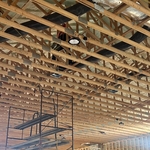
Plaster itself has a higher R-value than drywall. However, there are other considerations surrounding plaster and insulation. As a general rule, it's easier to obtain consistency in insulating value and quality when working with drywall rather than plaster. Plaster walls often don't contain any insulation behind the wall covering by design, and careful evaluation is necessary when choosing to add it.

Although they have similar applications, spackle and joint compound are not the same. Their primary differences lie in their composition, consistency, and ideal use cases.

Spackle is composed of gypsum and binding agents, making it thicker than joint compound. It dries quickly and is easy to sand, which makes it ideal for small wall repair projects like filling nail holes or patching minor damage.

Joint compound, also known as drywall mud, consists of limestone and gypsum. It is primarily used for large-scale projects, such as taping and finishing the seams on newly installed drywall. It tends to shrink more than spackle and can be more difficult to spread.

While both products can be used to fill small depressions and cracks, spackle cannot replace joint compound for taping and mudding new drywall. Conversely, you can often use joint compound for small patching jobs typically done with spackle.

The Windsor, CO homeowners’ guide to drywall insulation services

From average costs to expert advice, get all the answers you need to get your job done.