



Get matched with top radon detection and reduction specialists in Tyler, TX
Top-rated radon detection and reduction specialists.

Need a pro for your radon detection and reduction project in Tyler, TX?

Select your specific project to find the pro for you.

Find Radon detection and reduction specialists in Tyler

Avatar for Affordable Radon Services
Affordable Radon Services
4.7(
351
)

Serving Tyler, TX and surrounding areas

In business since 2011

Free estimates

Warranties offered

"They were prompt, efficient and courteous. They called to let me know they were on their way and cleaned up everything when they were done. They were supposed to explain something to me about some monitor after the installation, but they forgot. They did walk through how to do the radon test in another week. they also gave me a senior discount, which was definitely appreciated. Otherwise, their pricing was pretty much in the range with the other estimates I received."
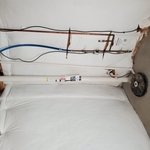
Radon Mitigation System
3120 E Agritopia

+1

Response time1 day
Response rate87%
Recommended by96%of homeowners

Avatar for Clear Environmental
Clear Environmental
4.2(
15
)

Serving Tyler, TX and surrounding areas

In business since 2013

Free estimates

Warranties offered

"Zach Shipley of Clear Environmental took on the task of removing my extremely large inground swimming pool, filling the cavity and resodding the lawn. He and his crew were very professional in all aspects and he was very "hands-on" throughout the entire process. He was on-site for delivereies and to oversee the work and to keep me apprised of everything that was being done and how the job was progressing. It was a monumental job and he made it as painless as possible at a very competitive price. I would highly recommend Clear Environmental to anyone with a home or commercial project."
Abatement
Abatement
Abatement
Abatement
Abatement

+7

Response time1 day
Recommended by91%of homeowners
Radon Detection and Reduction questions, answered by experts

The lifespan of a radon mitigation system depends on the type of system and its maintenance. With proper care, a system can last for many decades. Passive systems tend to last longer as they have fewer components that require replacement. Active systems, which have more moving parts like fans, generally have a shorter lifespan. For instance, water filtration devices and active pressurization systems require more frequent maintenance. While the system as a whole is durable, the radon fan in an active system typically has a lifespan of 5 to 10 years and will need to be replaced. As long as the fan is working, the mitigation system should function correctly.

Keeping radon from getting into your home is much better than having to get rid of it once it's already indoors. While there may not be a way to fully prevent radon from getting into your home, there are things you can do to reduce the gas's ability to enter. 

Sealing foundation cracks and openings can help keep the gas from seeping inside. Improving air flow, such as by opening windows, can also be helpful. If you're building your home from scratch, talk to your contractor about using radon-resistant construction to keep the gas out.

No level of radon is technically safe, but since it is naturally present everywhere, it is impossible to avoid entirely. The average radon level in homes across the United States is 1.3 picocuries per liter (pCi/L). The Environmental Protection Agency (EPA) recommends taking action to reduce radon levels if your home's test results are between 2 and 4 pCi/L or higher.

The cost to replace a radon fan ranges from $300 to $600 for the fan itself, with installation adding an additional $200 to $500. Overall, the total cost for replacement can range from $500 to $1,100, depending on factors such as the fan model, home size, and local labor rates. If the fan is part of a larger radon mitigation system, the price may be higher.

The soil beneath your house is most likely what’s causing an increased level of radon. This is because soil holds radioactivity for a long time and it’s also what most buildings are built on. Another common source of radon is water from a source that hasn’t been through periodic radon tests, such as well water. Over time, the radon from the soil can inhabit other parts of your house like the foundation or plumbing.

The Tyler, TX homeowners’ guide to radon detection and reduction services

From average costs to expert advice, get all the answers you need to get your job done.