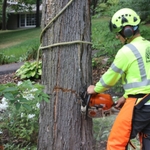
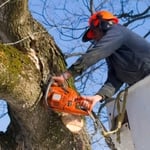
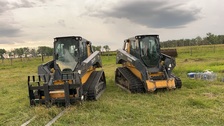
We are a small business that specializes in tree removal services like mulching, shredding trees and tall brush, we also specialize in agriculture fencing and some commercial fence we also do specialized dirt work, like building pads, driveways and land leveling
We recommend removing the stump, and grinding is a popular way to do it. You can also dig out small stumps or stumps that have fully decayed instead of grinding them. However, don’t try using acids or fire for killing a tree stump, which is a fire hazard and illegal in many areas.
Leaving the stump alone invites eventual problems, including attracting termites, mold, and fungi.
Trees provide many benefits, including shade, habitat for local wildlife, and cleaner air, so it’s always a good idea to try an alternative strategy like crown reduction before you chop one down. But sometimes, cutting down a tree is the only option (like if it’s severely diseased). A licensed arborist can assess the tree and recommend the best course of action.
Finding a reliable arborist starts with researching specialists in your area and checking their licensing and certifications. Use online resources like the Better Business Bureau (BBB) to conduct research on each company. Next, contact the arborist and ask the following questions to see whether they are the right fit for your project:
Do you handle or specialize in dealing with the issue I’m having?
Are you fully insured?
Do you have customer references I can call?
Do you have any third-party certifications?
What equipment and strategies do you plan to use?
You may be looking to identify maple trees to use for home improvement projects. In that case, you can tell hard maples by looking at their leaves. Leaves will have a U-shaped dip, or sinus, between the points, or lobes, of the leaves. Leaves of soft maples tend to have V-shaped sinuses.
If you already have the cut wood in front of you, look for a light, uniform color to identify hard maple wood and check for variations of red, gray, or brown streaks and an overall darker color in soft maple wood.
Tree removal costs typically don’t include stump removal, as that technically falls into a different service. The company you hire may offer the service for an additional fee; ask them if they offer it to ensure you get the best tree stump removal costs possible.
The Orchard, NE homeowners’ guide to arboricultural services
From average costs to expert advice, get all the answers you need to get your job done.
How much does an arborist cost? This guide explains the cost of different services, ongoing expenses, and other factors to consider when hiring an arborist.
Tree inspections can ensure your trees stay healthy and safe, preventing costly damage. Learn how much tree inspections cost and what can affect the price.
Arborists are specialized tree care experts. This guide will help you hire an arborist with all the qualifications to give your trees the best care possible.