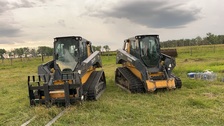
"Large amount of work was needed, and job is about 80% complete. Hard workers that want to do a great job. Very courteous and professional when discussing details. They were willing to rent special equipment to get the work finished."
"Ok, well the select from drop down menus don't really apply. I had two men out here for three days removing trees and bushes grown into and around my high-tensile electric fence. They did an excellent job with the removal. They also had to replace the top strand of wire as my husband didn't realize the wire was down and he wrapped a goodly portion around the blades of the shredder. They then checked the entire fence line, made what repairs were needed. Hooked up a new fencer, move the old fencer to a differnt location. They did an excellect job and were easy to work with. I highly recommend this company for your next job. Susan B. St. Paul, NE (actually out in the middle of nowhere)"
"Harlan was professional, polite, and honest. He completed everything in a timely matter, payed attention detail, worked well with all the requirements we needed to abide by, and he did everything himself! Most of the other contractors I had reached out were not willing to follow the guidelines needed. Harlan was great and does not keep you waiting! I would highly recommend him! I was very pleased and have no complaints! He goes above and beyond what you ask of him!"
David Ferguson's construction business is dedicated to quality and outstanding customer service. Our job is to provide you with quality service at a great price. Please don't wait call us today.
Larry's Handyman is locally owned and operated in Lake Andes. We are a full service handyman business with over 18 years in the home improvement trade. We are honest, reliable, and very professional. For a free quote, for all of your handyman needs, please call us today!
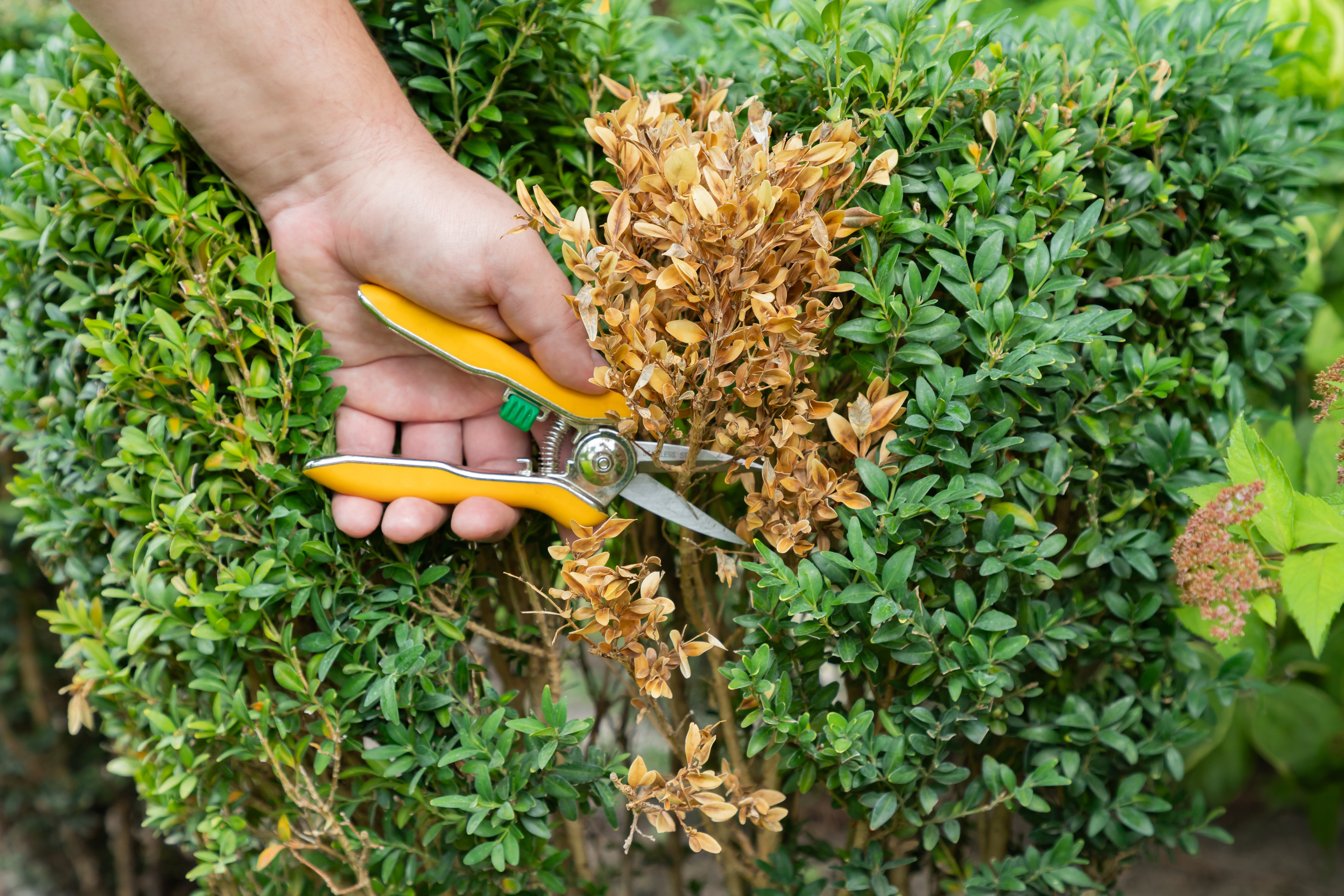
Trees should be pruned every two to five years, depending on its age and type. Young trees should be inspected and pruned every two to three years. Mature trees should be inspected and trimmed every three to five years, and fruit trees should be pruned annually with a careful eye on seasonal growth. Evergreens typically don’t need pruning, unless branches or limbs are damaged, diseased, or harboring pests.
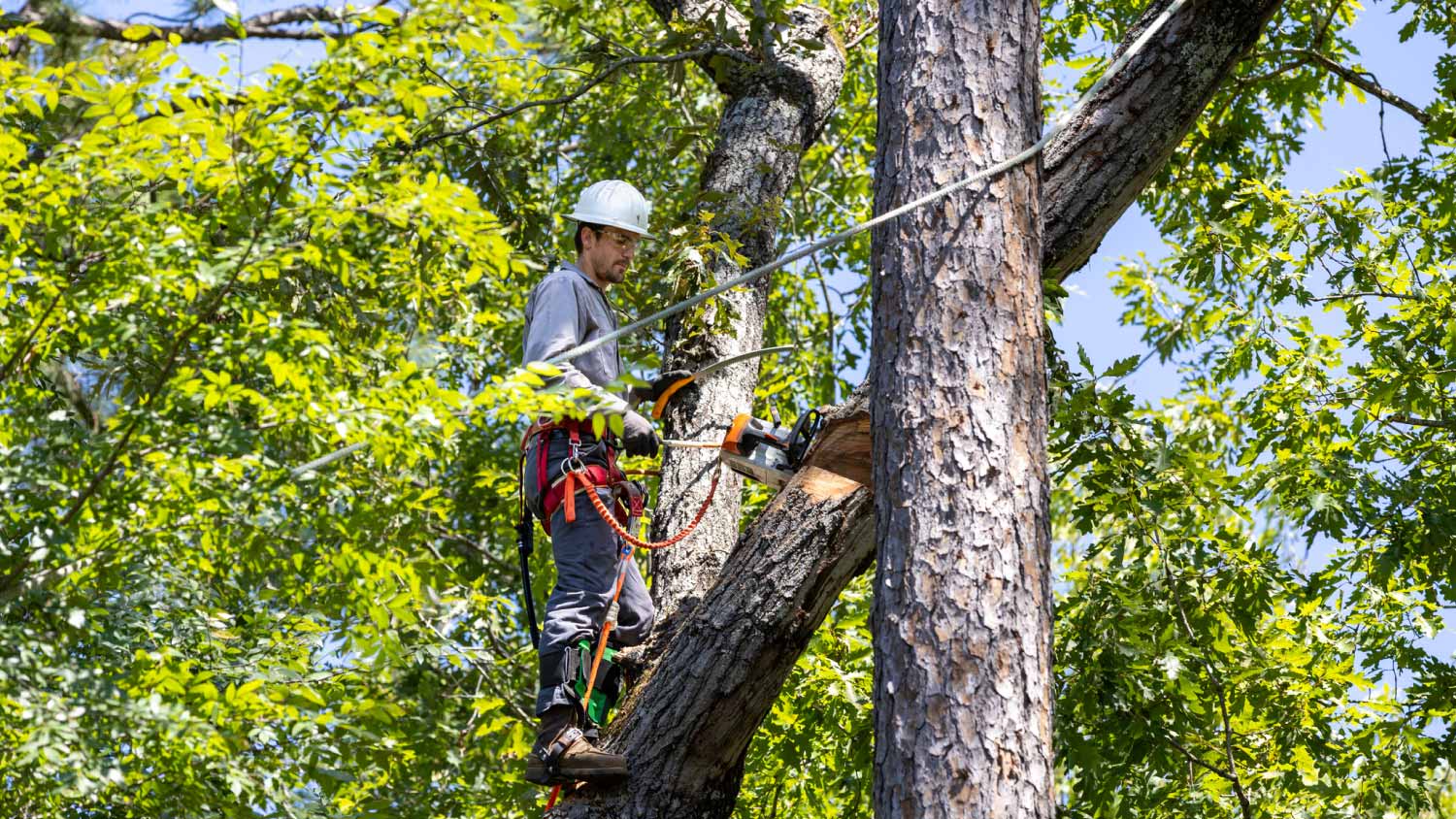
Horticulturist is a broad term for any type of plant and soil expert. An arborist, meanwhile, specializes in all aspects of tree care. You should hire an arborist when you need assistance with tree-related tasks, such as pruning large trees, removing trees, diagnosing a sick tree, or emergency tree services. Horticulturists aren’t qualified to handle those types of tasks.
How often and long you should water a tree depends on the species and if it is mature or newly planted. The amount of water is also based on the tree's size. A good rule of thumb is approximately 5 gallons per inch of the trunk's diameter.
Adjusting watering to the recommended suggestions for the tree type and weather conditions is vital. For instance, watering trees during a drought is necessary, and you may need to water more frequently than usual.
In most ways, palm trees are incredibly low-maintenance. They don’t need a ton of water—which is why they’re so beloved in desert regions—and they basically prune themselves. But they do need an ample supply of sunlight and to be in soil that will allow for proper drainage so that their roots don’t become waterlogged and at risk of developing illnesses.
If the plant begins to wilt, develop spots, or change color, these could all be signs that your palm tree has a disease. But a few basic treatments, like pruning and applying fungicide, will usually be more than enough to return it to perfect health.
Carefully pruning small roots no thicker than three inches in diameter won’t harm the tree. However, cutting larger roots may impact the tree's stability and nutrient absorption. It's advisable to consult an arborist or tree care professional to evaluate the root's size, the tree's health, and the potential impact of cutting. Proper tree pruning techniques and timing can minimize damage, but larger root removal may necessitate expert guidance to avoid compromising the tree's overall health and stability.
The Wagner, SD homeowners’ guide to arboricultural services
From average costs to expert advice, get all the answers you need to get your job done.
How much does an arborist cost? This guide explains the cost of different services, ongoing expenses, and other factors to consider when hiring an arborist.
Tree inspections can ensure your trees stay healthy and safe, preventing costly damage. Learn how much tree inspections cost and what can affect the price.
Arborists are specialized tree care experts. This guide will help you hire an arborist with all the qualifications to give your trees the best care possible.