


Get matched with top arborists in Tyndall, SD
Top-rated arborists.

Need a pro for your arboricultural service project in Tyndall, SD?

Select your specific project to find the pro for you.

Find Arborists in Tyndall

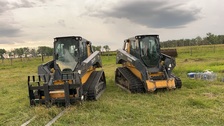
Avatar for R&N Land Clearing
R&N Land Clearing
4.0(
1
)

Serving Tyndall, SD and surrounding areas

Approved

In business since 2024

Free estimates

Offers commercial services

"Large amount of work was needed, and job is about 80% complete. Hard workers that want to do a great job. Very courteous and professional when discussing details. They were willing to rent special equipment to get the work finished."
Response time6 hrs
Dillon's Dakota Excavating Service
2.8(
2
)

Serving Tyndall, SD and surrounding areas

In business since 2013

Offers commercial services

"Harlan was professional, polite, and honest. He completed everything in a timely matter, payed attention detail, worked well with all the requirements we needed to abide by, and he did everything himself! Most of the other contractors I had reached out were not willing to follow the guidelines needed. Harlan was great and does not keep you waiting! I would highly recommend him! I was very pleased and have no complaints! He goes above and beyond what you ask of him!"
Response time1 day
Recommended by50%of homeowners
Hagen Landscaping
New to Angi

Serving Tyndall, SD and surrounding areas

In business since 2023

Free estimates

Emergency services offered

Hagen Landscaping is committed to excellence in every aspect of our business. We uphold a standard of integrity bound by fairness, honesty, and personal responsibility. Our distinction is the quality of service we bring to our customers. Accurate knowledge of our trade combined with ability is what makes us true professionals. Above all, we are watchful of our customers' interests, and make their concerns the basis of our business.

CJ's Handyman Services
New to Angi

Serving Tyndall, SD and surrounding areas

In business since 2022

Free estimates

Credit card accepted

CJ's Handyman Services is a locally owned and operated company that values honesty and integrity in all aspects of our business. Our dedicated team of professionals have years of hands-on experience, to provide innovative ideas and suggestions tailored to your projects. Our services are customized to your individual needs, paying close attention to the details of each project that we are involved with. Please feel free to contact us today!

Response time4 hrs
Showing 1-10 of 13
Arborists questions, answered by experts

Generally speaking, you’ll want to avoid flush cuts, which are cuts made as extremely close to the trunk or main branch. These cuts can weaken your tree, lower its natural defense mechanisms, and even cause decay. You’ll also want to avoid tree topping, which is the total removal of the leader and upper main branches of a tree. 

Most pros will advise against either of these methods, which is why hiring a pro is often the best choice when it comes to tree trimming.

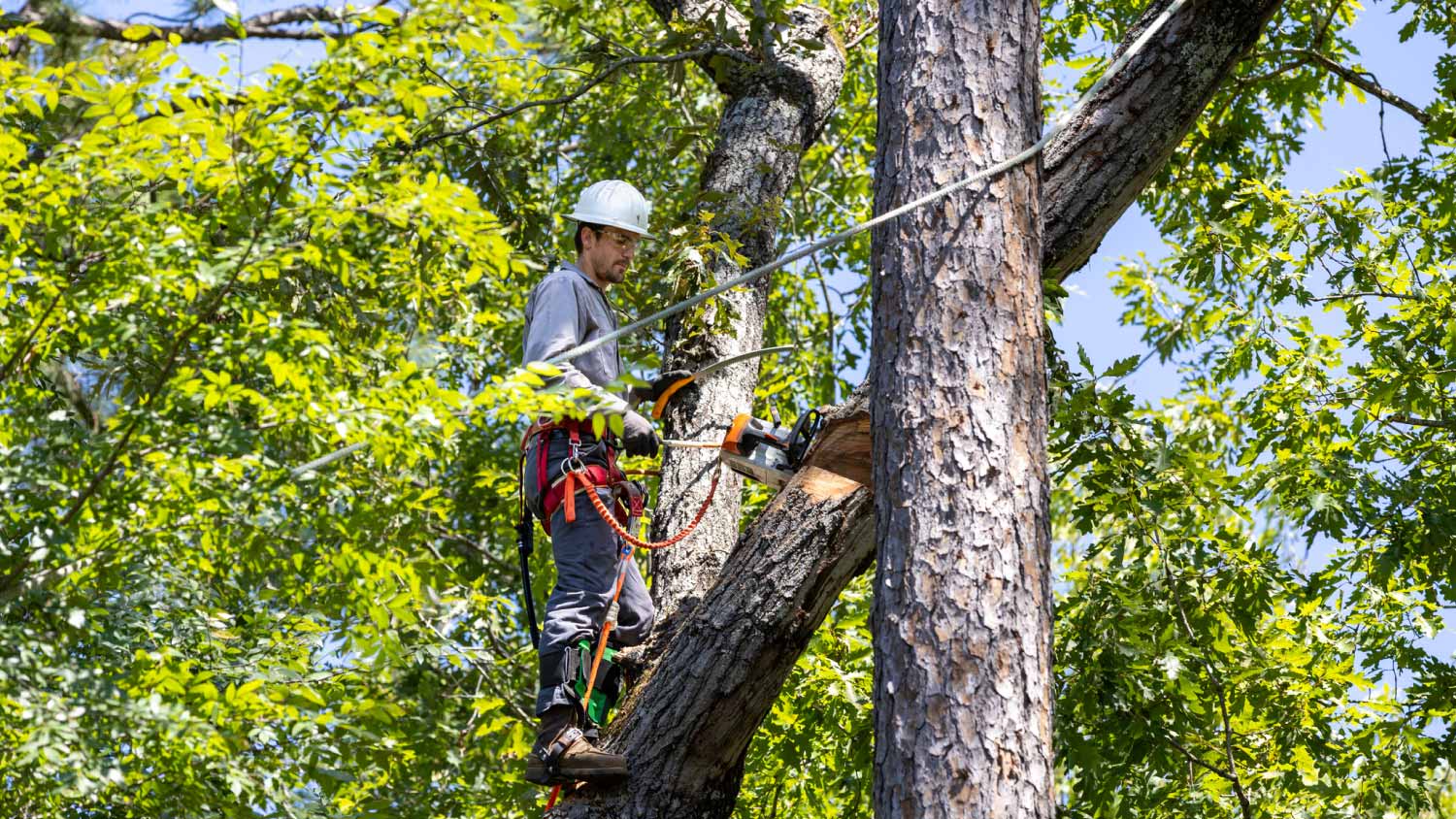
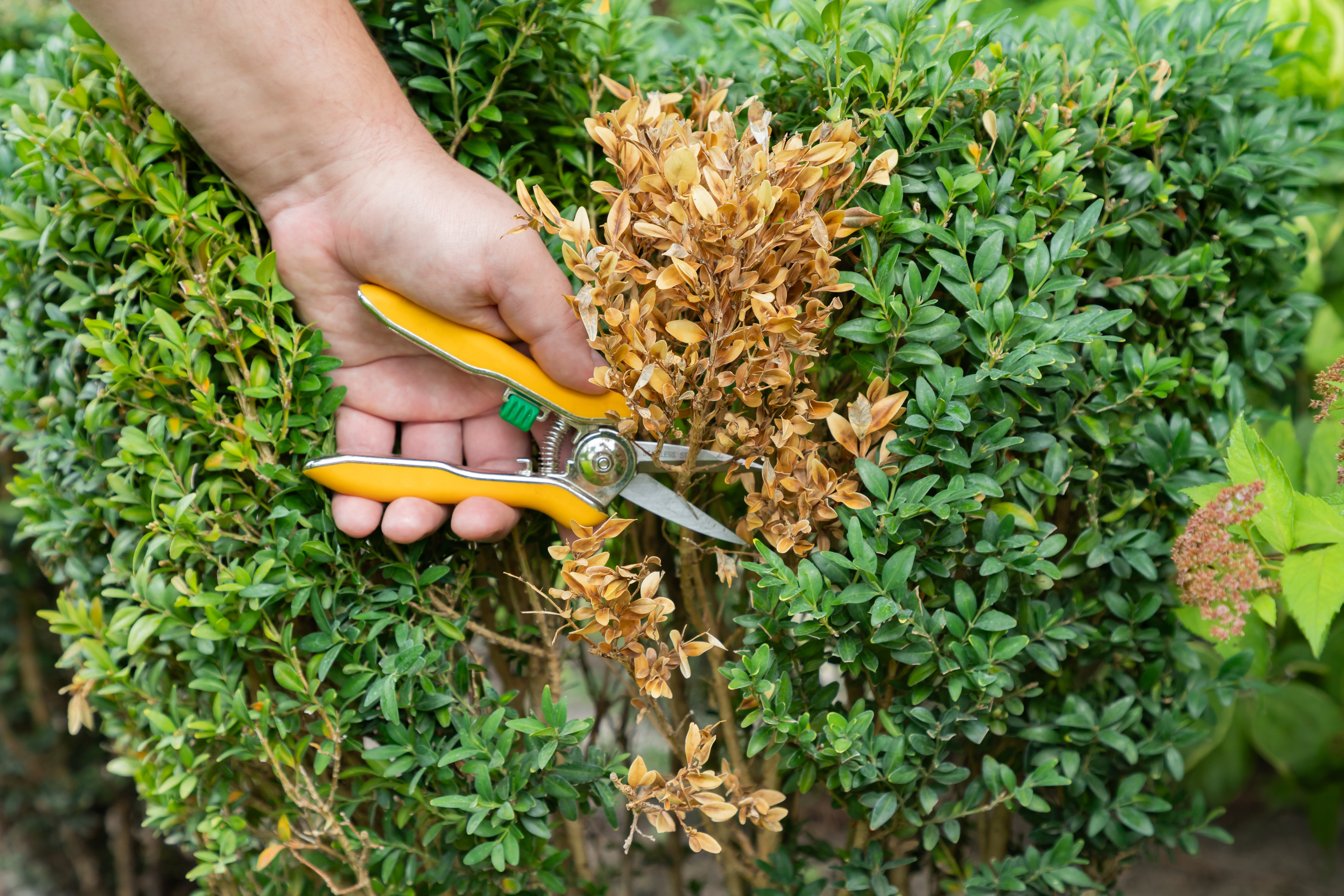
For trimming trees, your best tool is a pair of pruning shears or loppers. Both options work best for branches that are under 3 inches in diameter. Trimming trees with a larger diameter may require a robust tool like a small chainsaw or a handsaw, so take into account your tree’s diameter when deciding between tools.

The best way is to start controlling tree height long before it grows too large, via careful pruning through the years. But that’s not always possible. If a tree has become too high or too large, use selective pruning to remove the most troublesome branches, one by one, without topping the tree. Gently shaping a tree like this can, over time, correct problems. You can also find growth inhibitors to spray on a tree to stop it from growing too rapidly, but use these sparingly if at all.

Trees aren't big fans of moving, and they do go into shock during a transplant. Although most carefully thought-out tree transplants see the tree recover from the shock just fine, there is always a risk of having an unsuccessful move. Proper preparation, timing, and diligent aftercare are crucial to minimize the risks when transplanting a tree.

If you’re planning on keeping the tree, unless the roots are invasive, there’s no need to remove them, as doing so can cause damage to the tree. If the tree has been cut down and the stump and roots are left, grinding and removing the stump can cause root decay for some species. For other species, the stump and roots will need to be removed to prevent pests, disease, and possible tree regrowth.

The Tyndall, SD homeowners’ guide to arboricultural services

From average costs to expert advice, get all the answers you need to get your job done.