
Top-rated arborists.

Get matched with top arborists in Osmond, NE

Enter your zip and get matched with up to 5 pros

Need a pro for your arboricultural service project in Osmond, NE?

Select your specific project to find the pro for you.

TRUSTED BY OSMOND, NE HOMEOWNERS

  • Average homeowner rating star icon5
    Average homeowner rating
  • Verified reviews icon10
    Verified arboricultural services reviews

Find Arborists in Osmond

Avatar for R&N Land Clearing
R&N Land Clearing
4.0(
1
)

Serving Osmond, NE and surrounding areas

Approved

In business since 2024

Free estimates

Offers commercial services

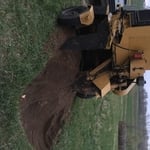
"Large amount of work was needed, and job is about 80% complete. Hard workers that want to do a great job. Very courteous and professional when discussing details. They were willing to rent special equipment to get the work finished."
Response time5 hrs
Arborists questions, answered by experts

Whether you should remove the roots of a dead tree depends on whether they’re damaging nearby areas. For instance, if the roots continue to grow near sidewalks, driveways, or the foundation of your home, they can cause damage. If you want to plant something else in that spot, removing the roots can make it easier for the new tree or plant to grow.

In most cases, your neighbor is responsible for roots from their tree that cause damage to your property. If your pavement, the foundation of your home, or a fence is damaged by roots from a neighbor’s tree, you likely will have legal recourse for financial relief. While it’s better to notify your neighbor of any problems you notice as soon as they arise to avoid costly damage, there are some instances where filing a civil suit is your only recourse. Your homeowner’s insurance company might wish to do so on your behalf if you file a claim.

A dead tree should always be cut down, because it could fall and cause injuries or damage, and it can also attract insects like carpenter ants. A tree that’s diseased beyond repair should also be cut down, but it’s not always easy for a homeowner to tell. Signs of disease include dying branches, a hollow trunk, leaning, and discolored or missing leaves, but your best bet is to hire a local arborist who can evaluate the tree and tell you if it can be saved or should be cut down.

Unless there’s some sort of rule in your community’s homeowners’ association that requires you to remove a stump, there’s no law that says you have to take it out. If you’re not wedded to the idea of removing it, there are plenty of ways to get creative with this tree remnant. Using the stump as the medium for a wood carving or turning it into a planter are just two examples of ways to repurpose a tree stump.

After a big storm, you may not be sure if a tree was struck or not. Look for the telltale long scars, like strips or gouges in the bark of the tree, running in sometimes jagged lines down the length of the trunk. These scars will often show vulnerable living wood inside the tree. It’s also common to see scorched or wilted leaves on the side or top of the tree where lightning struck.

The Osmond, NE homeowners’ guide to arboricultural services

From average costs to expert advice, get all the answers you need to get your job done.