




Get matched with top arborists in Bloomfield, NE
Top-rated arborists.

Need a pro for your arboricultural service project in Bloomfield, NE?

Select your specific project to find the pro for you.

Find Arborists in Bloomfield

Avatar for R&N Land Clearing
R&N Land Clearing
4.0(
1
)

Serving Bloomfield, NE and surrounding areas

Approved

In business since 2024

Free estimates

Offers commercial services

"Large amount of work was needed, and job is about 80% complete. Hard workers that want to do a great job. Very courteous and professional when discussing details. They were willing to rent special equipment to get the work finished."
Response time5 hrs
Arborists questions, answered by experts

Trees should be pruned every two to five years, depending on its age and type. Young trees should be inspected and pruned every two to three years. Mature trees should be inspected and trimmed every three to five years, and fruit trees should be pruned annually with a careful eye on seasonal growth. Evergreens typically don’t need pruning, unless branches or limbs are damaged, diseased, or harboring pests.

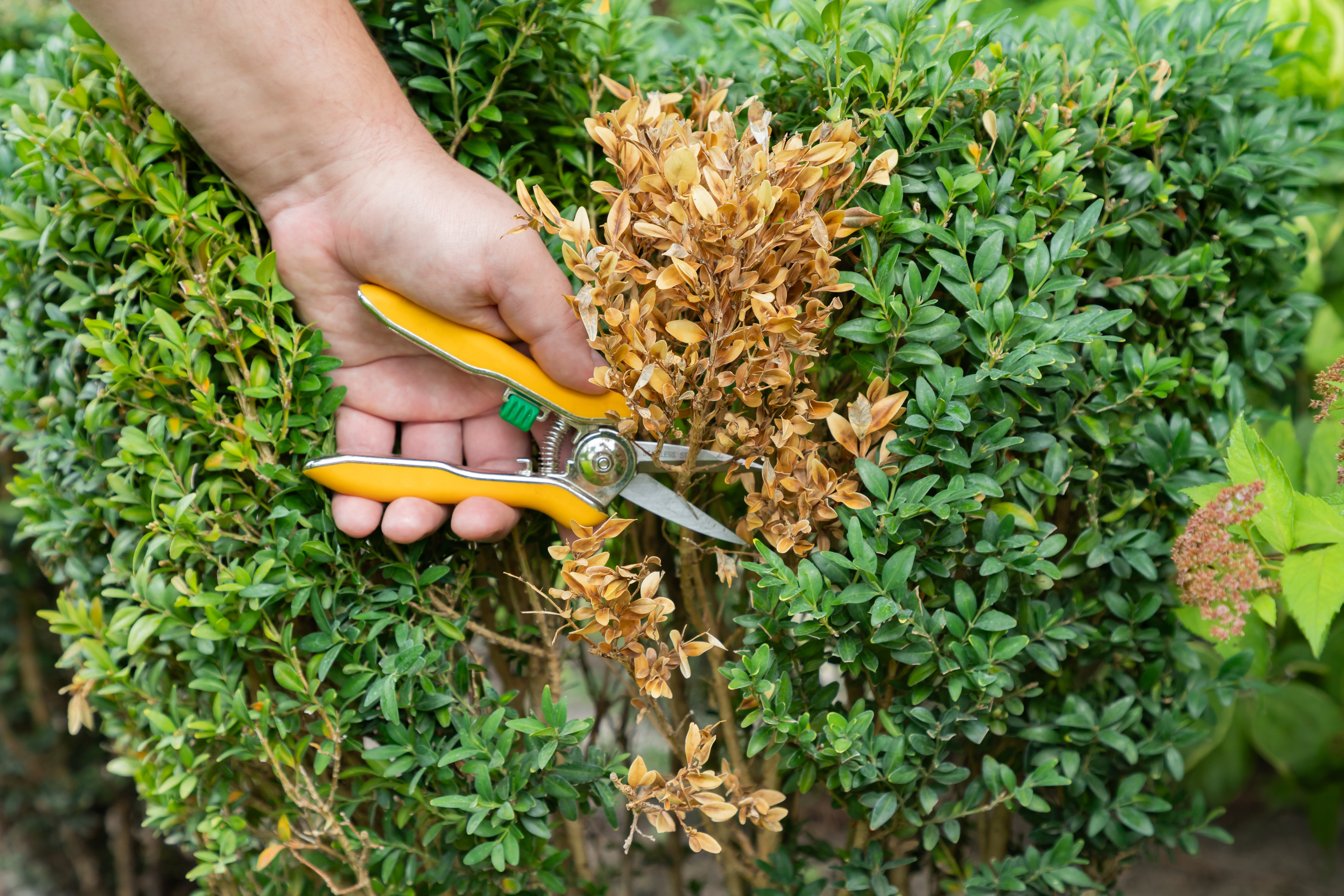
Pruning is an effective way to prevent a diseased branch from infecting the rest of the tree. If the infection isn’t caught early enough and the pathogen has spread to the trunk or the majority of the branches though, it is too late to prune off the affected areas and you’ll likely need to remove the tree.

Consumers typically do not need to worry about the cost of tree insurance, as professional tree service companies pay for their own coverage. For a tree service business, an average U.S. policy covering about $1 million in general liability costs roughly $40 a month or $500 a year. More extensive policies, providing between $500,000 to $2 million in coverage, can cost between $3,000 and $6,000 annually, depending on the company's size and scope of work. Tree service professionals should speak with an insurance company to determine the right plan for their business.

If a tree stump is removed properly, the chances of a tree growing back are low. However, if a tree has a robust root system, roots can sometimes sprout and someday grow into a tree. The chance of regrowth will depend on several factors such as the type of tree, soil quality, and strength of the root system. In general, it is not recommended to plant a tree where a stump was removed.

We recommend removing the stump, and grinding is a popular way to do it. You can also dig out small stumps or stumps that have fully decayed instead of grinding them. However, don’t try using acids or fire for killing a tree stump, which is a fire hazard and illegal in many areas.

Leaving the stump alone invites eventual problems, including attracting termites, mold, and fungi.

The Bloomfield, NE homeowners’ guide to arboricultural services

From average costs to expert advice, get all the answers you need to get your job done.