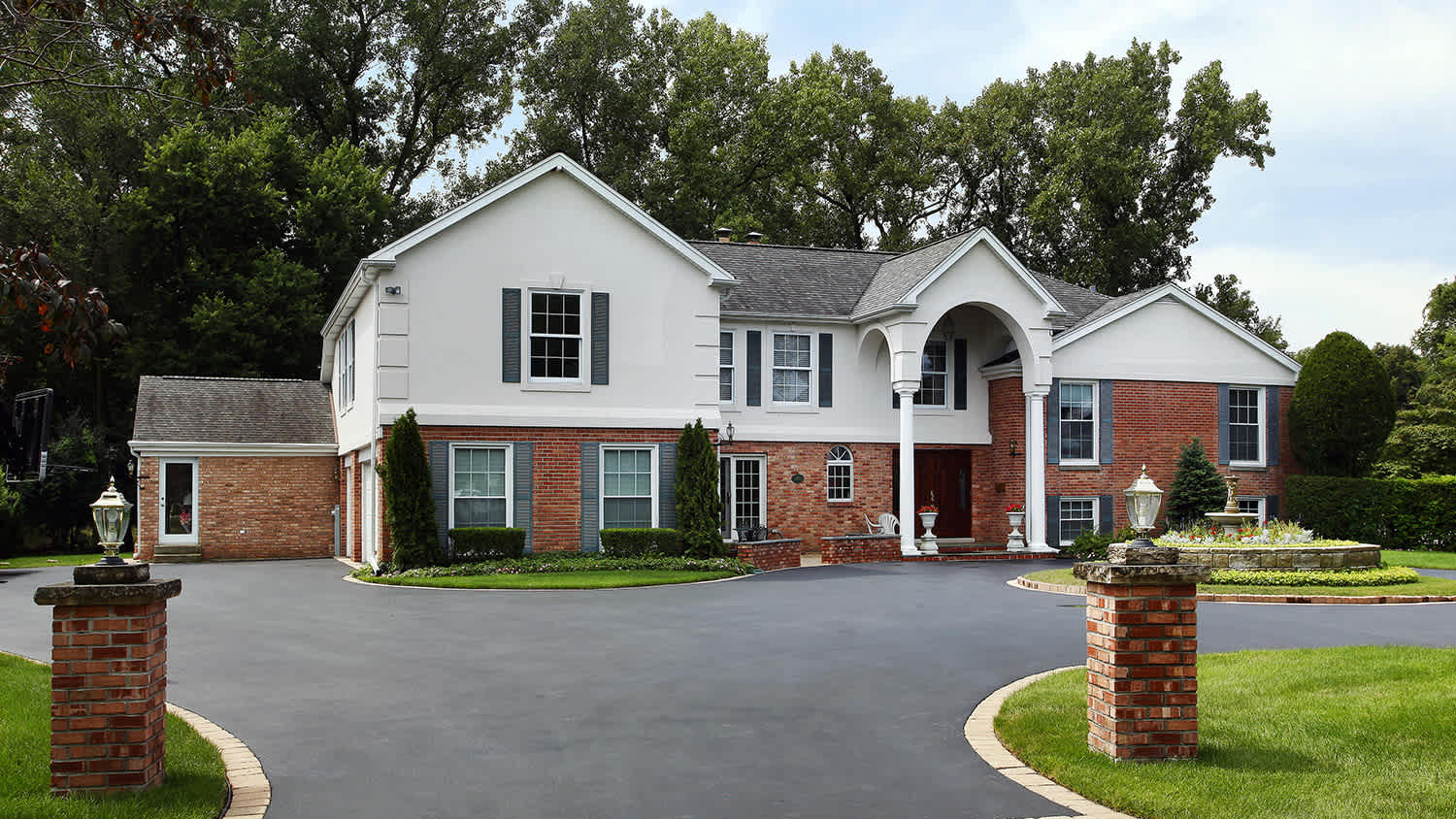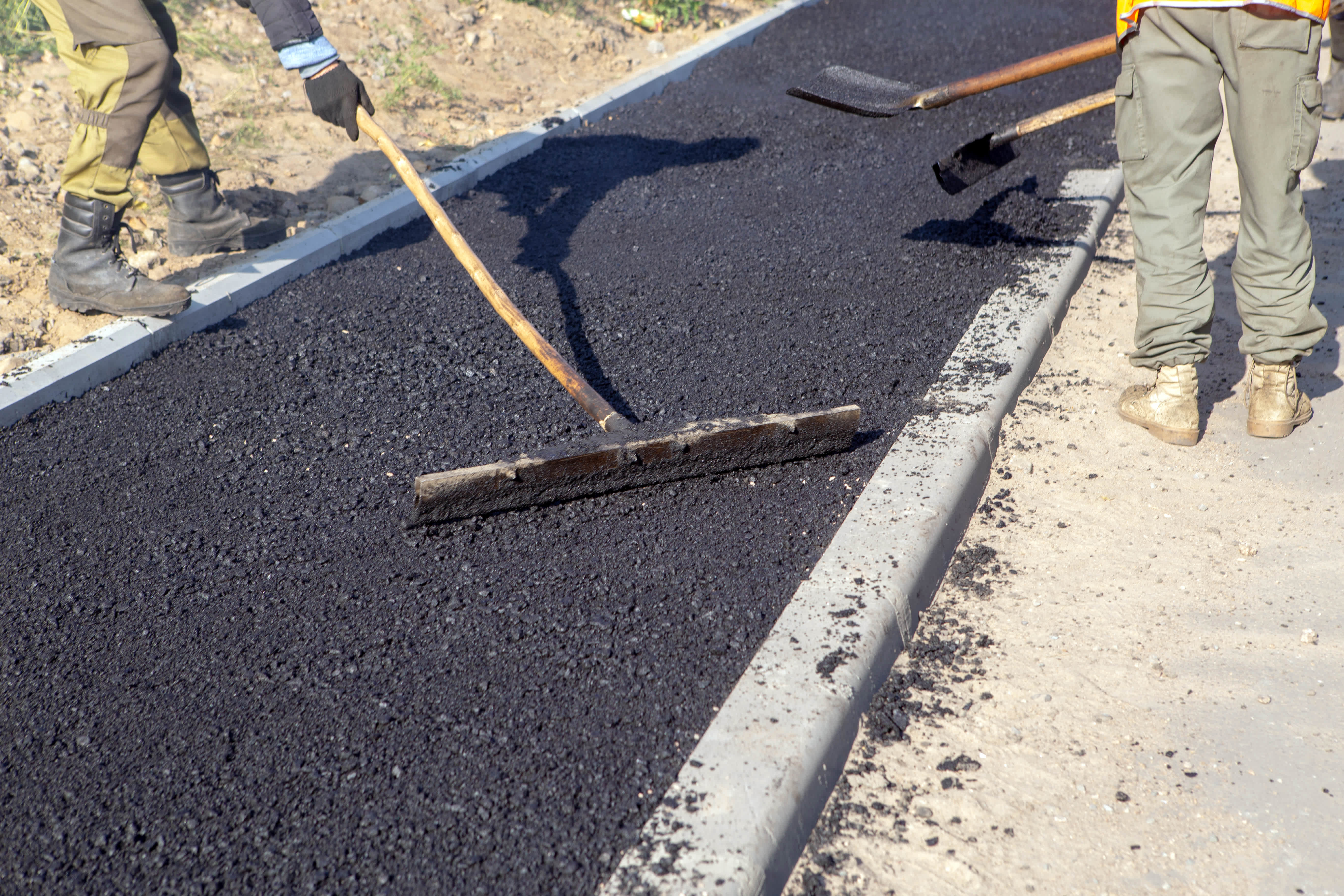
You can pour concrete over asphalt if it’s in good condition, thick, stable, and well-compacted. Concrete is more durable than asphalt and can extend the lifetime of your driveway without having to pay frequent asphalt driveway repair costs or replace it completely.
But this is best reserved as a temporary solution based on budget restraints, as asphalt requires more frequent repairs and assessments than concrete. Once that concrete top is poured, it’ll be harder to accurately understand what’s happening beneath that layer, which could lead to more issues.
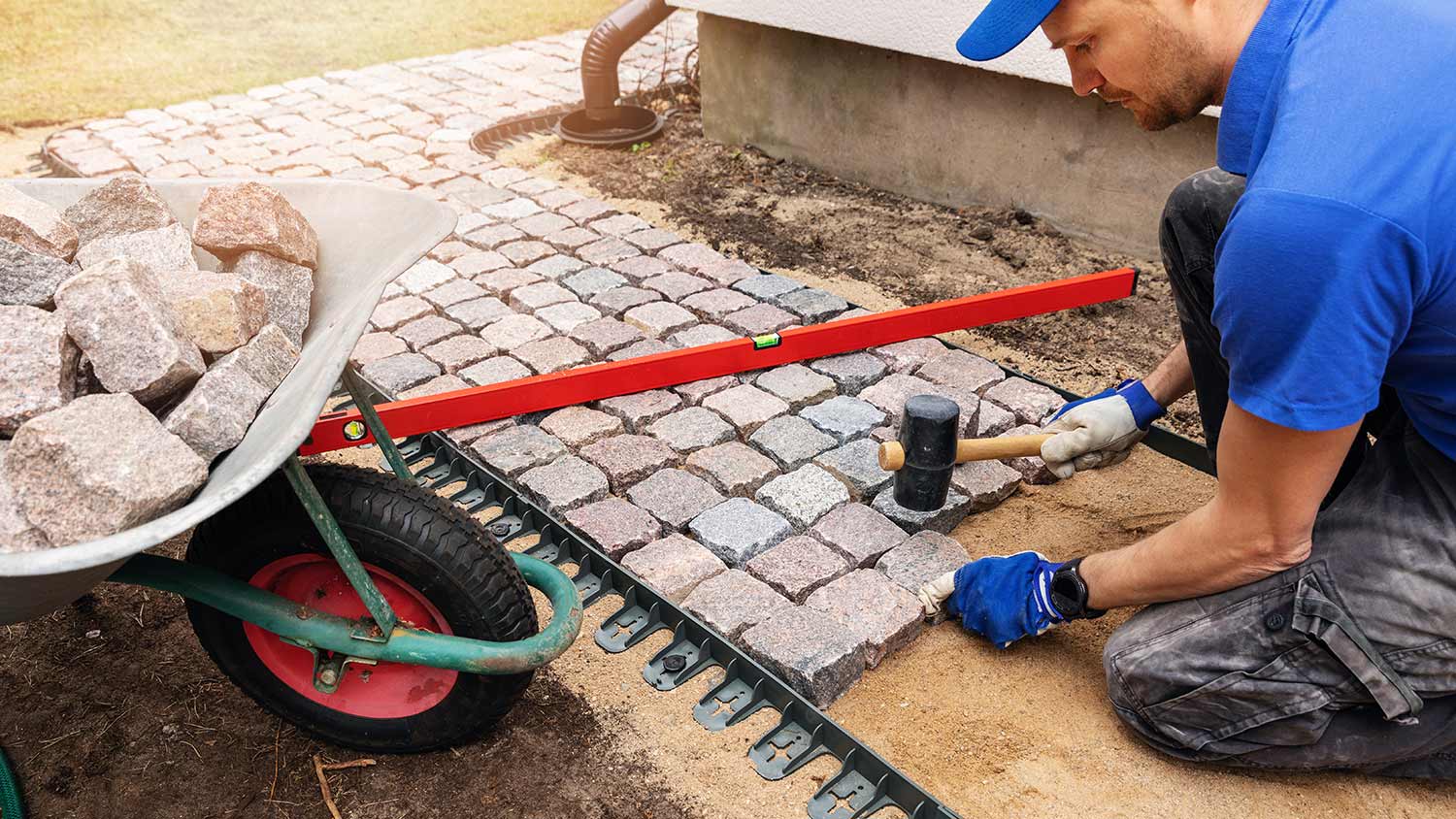
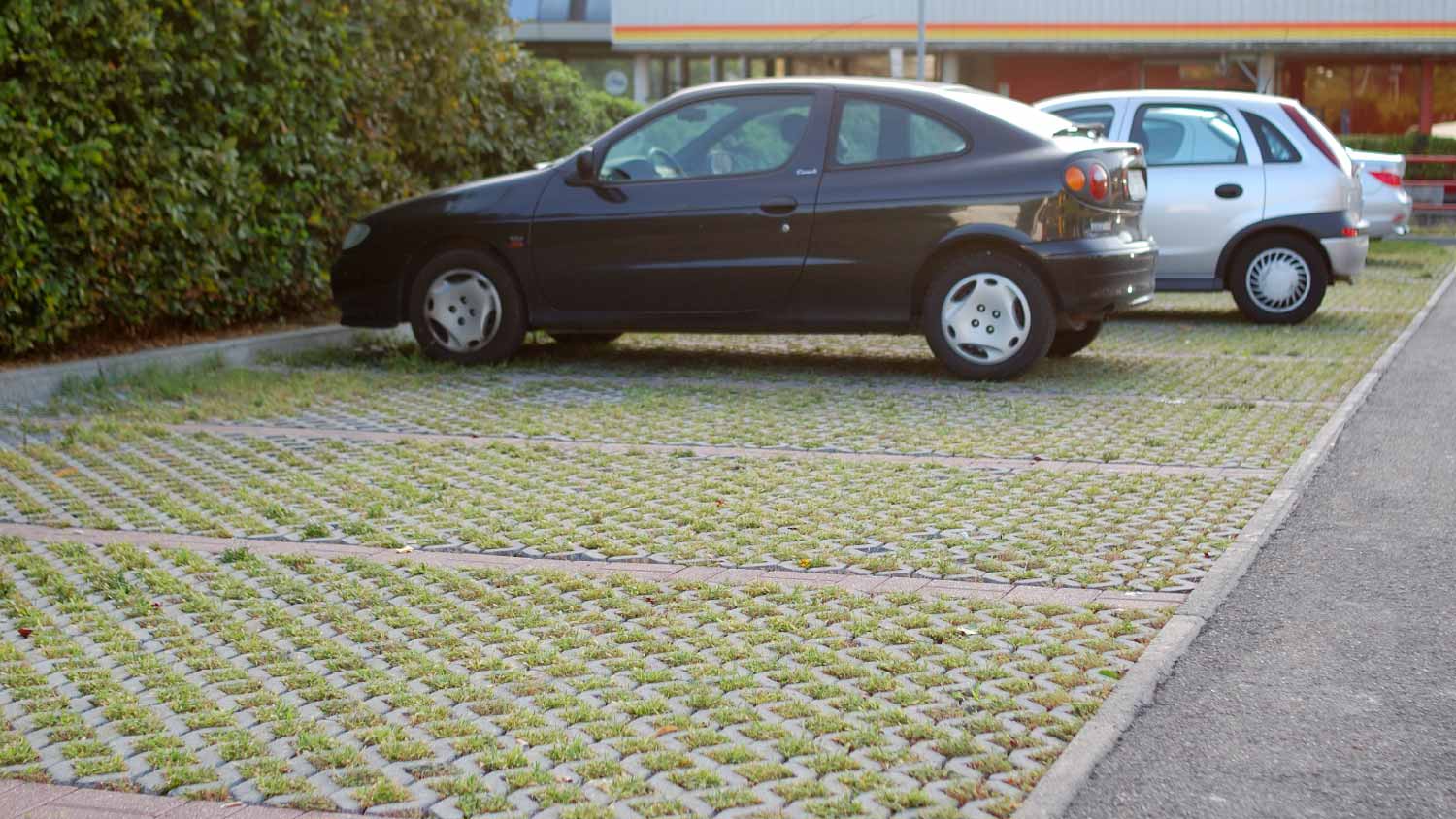
Grass pavers are suitable for heavy foot or vehicle traffic, but they’re not as resistant as concrete or asphalt pavers.
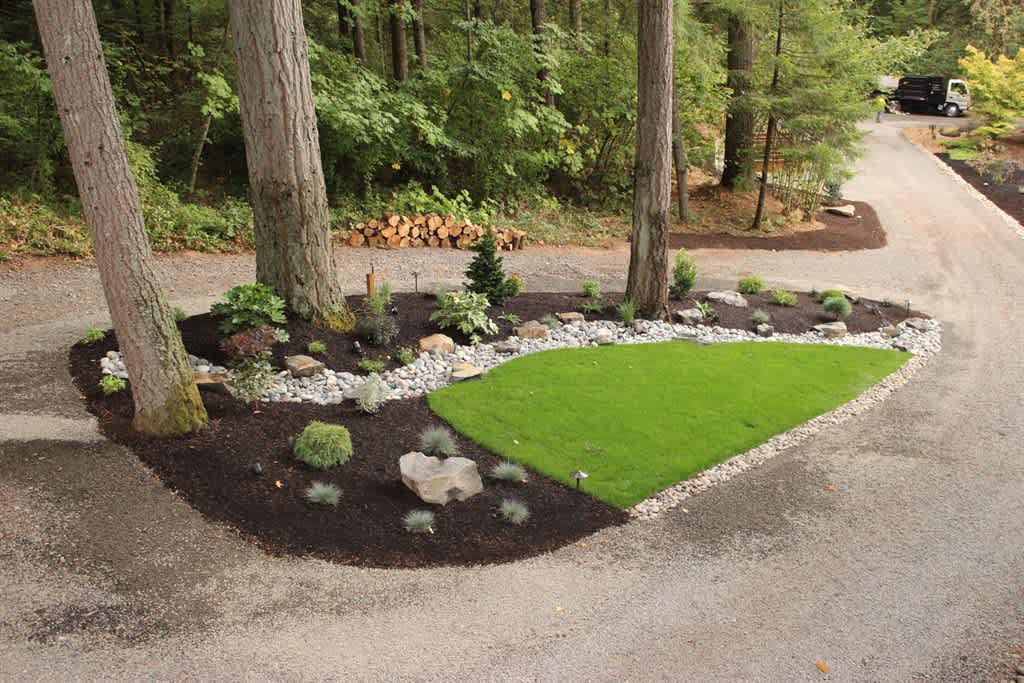
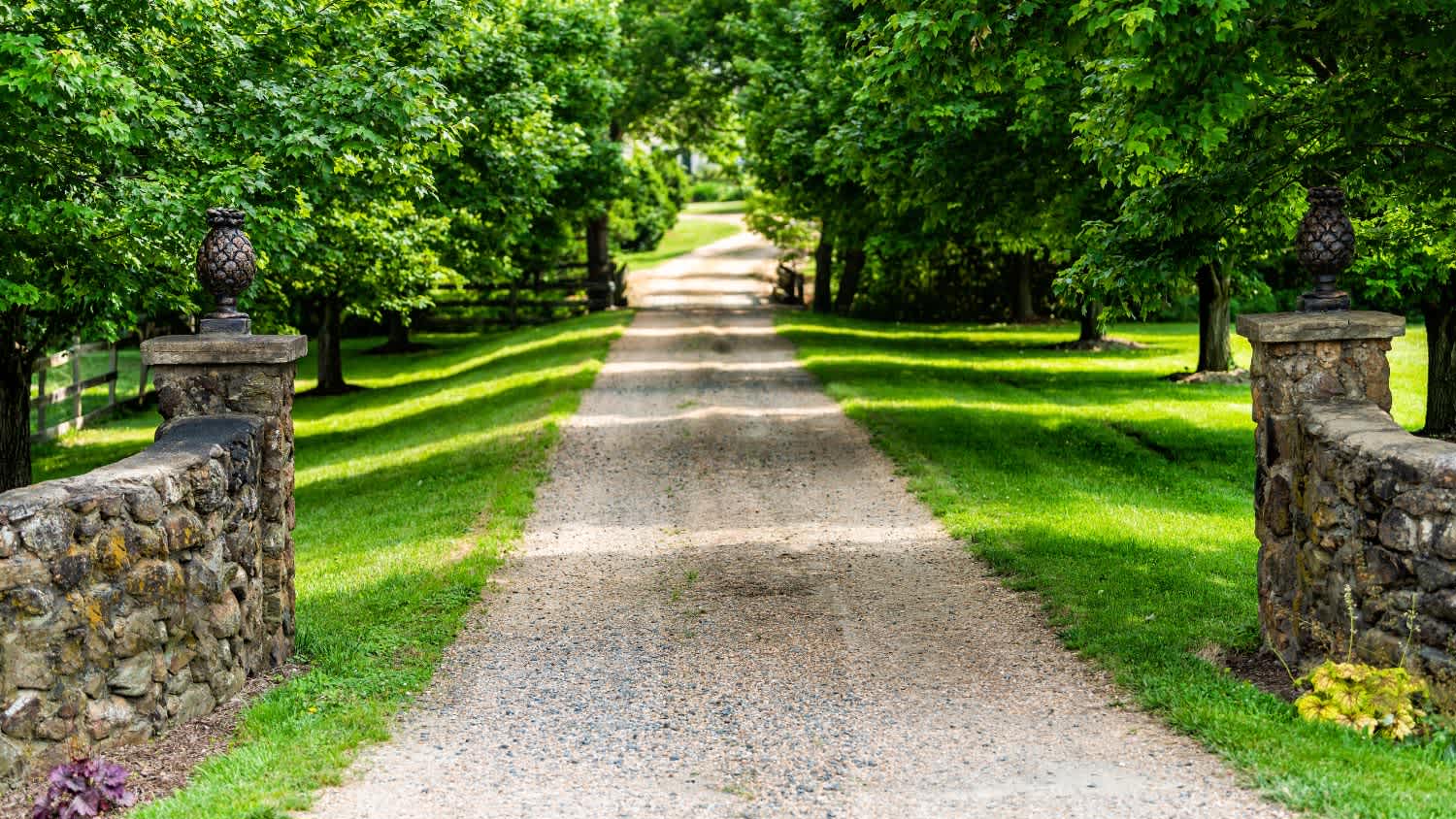
The material that’s best for your private road depends on your property, the climate in your area, and your personal preferences. Gravel is an affordable option, but some homeowners don’t like how it looks. It can be a pain to remove snow from, and it requires more ongoing maintenance than asphalt or concrete. However, while these other options require less maintenance and make snow removal a breeze, they’re more expensive and will need repairs from time to time. Ultimately, you’ll have to choose the road material that suits you and your property best.
To ensure you hire a reliable and experienced paving company, you should start by finding companies in your area that have at least five to ten years of experience working in your neighborhood. Next, rule out companies with poor reviews online or a series of complaints filed with the Better Business Bureau. Since driveways affect your curb appeal, you should also ask each company for references and pictures of recent work to make sure the work the company does is professional and high quality. Finally, check that the company is licensed and insured.
Maintaining a driveway depends on its material. For concrete and asphalt, it's best to clean the surface thoroughly twice a year with a stiff broom and a pressure washer to remove accumulated dirt and debris. Sealing the driveway is crucial to protect it from water damage and freeze-thaw cycles. Before applying a sealant, pressure wash the surface to remove any loose sealant, dirt, or stains, as sealing over them will trap them. Any cracks or expansion joints should be filled with a flexible polyurethane caulk or asphalt sealer. In colder climates, use sand instead of salt for de-icing. Sand helps melt snow and ice without accelerating the freeze-thaw process, which can cause cracks.
The Mullen, NE homeowners’ guide to paving services
From average costs to expert advice, get all the answers you need to get your job done.
Get proactive with marketing for your paving contractor business. Use these paving marketing ideas (ranked by budget and experience level) to grow your business, get more leads, and earn more money.