Welcome to AJ Masonry! We take pride in the quality of work and customer satisfaction that we give each and every customer! We are known to pay exquisite attention to detail while making customer satisfaction our top priority. Call us today to learn more about how we can help you!\n
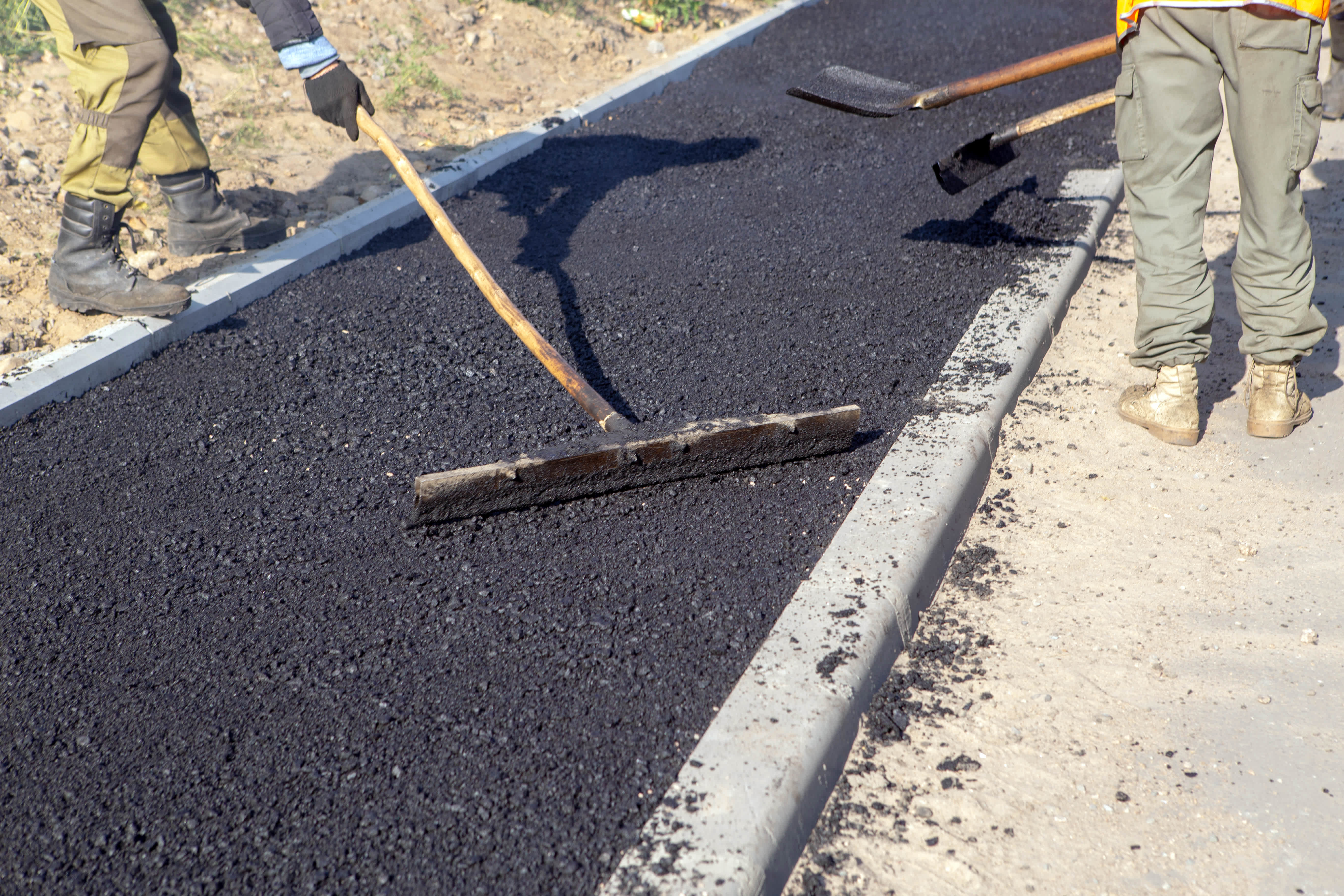
Wet cutting is usually the preferred method. It controls dust, which helps protect your lungs and makes for a cleaner working environment. Plus, the water cools the blade, preventing overheating and prolonging its life while providing smoother, more precise cuts. The downside is the mess—water and asphalt sludge can be messy to clean. Dry cutting, though convenient if water isn’t available, creates a lot of dust, which can be harmful. This also increases the risk of blade damage due to overheating. So, if you have the option, wet cutting is the better method for most asphalt jobs.
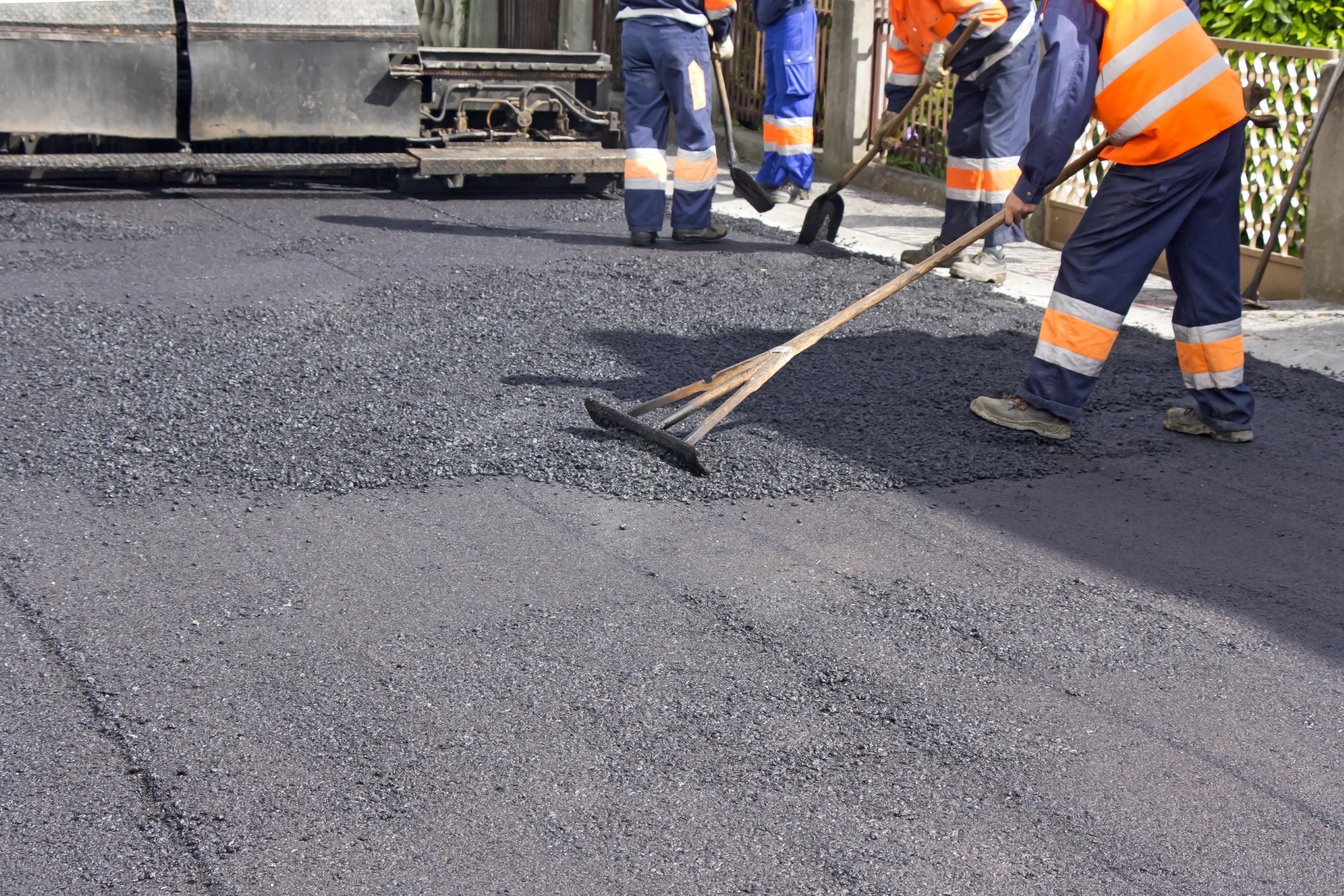
Professionals restore the surface to a fresh, attractive finish by applying a new, even sealant layer.
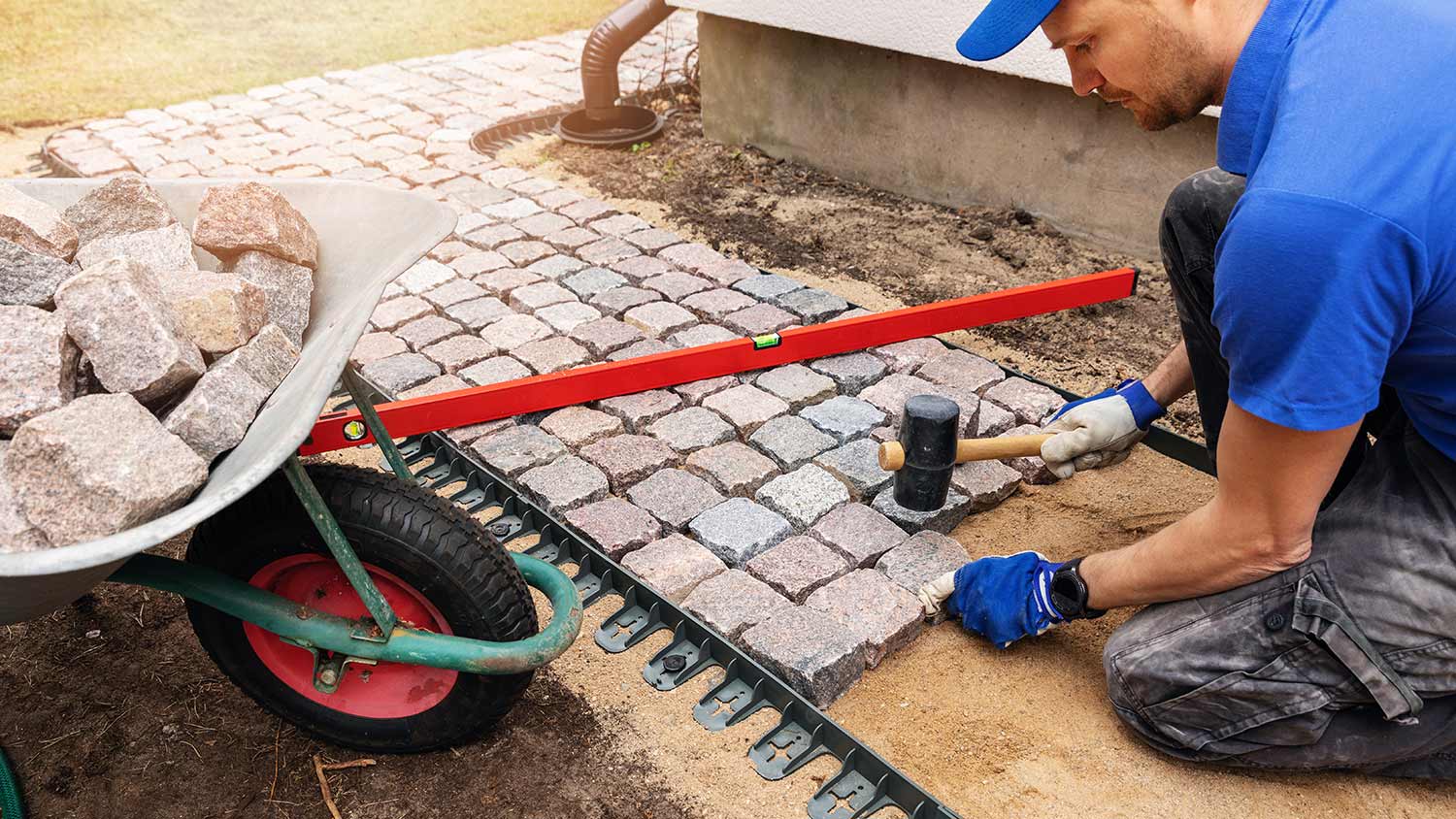
You’ll first need to install a base underneath your pavers for extra stability and drainage. Otherwise, the pavers can sink into the ground, and you’ll have to reinstall them. Use a base gravel layer of 4 to 6 inches for walkways and 10 to 12 inches for driveways. Compact your gravel layer every 2 to 4 inches so it’s nice and solid. After you install your gravel base, apply a 1-inch layer of sand on top.
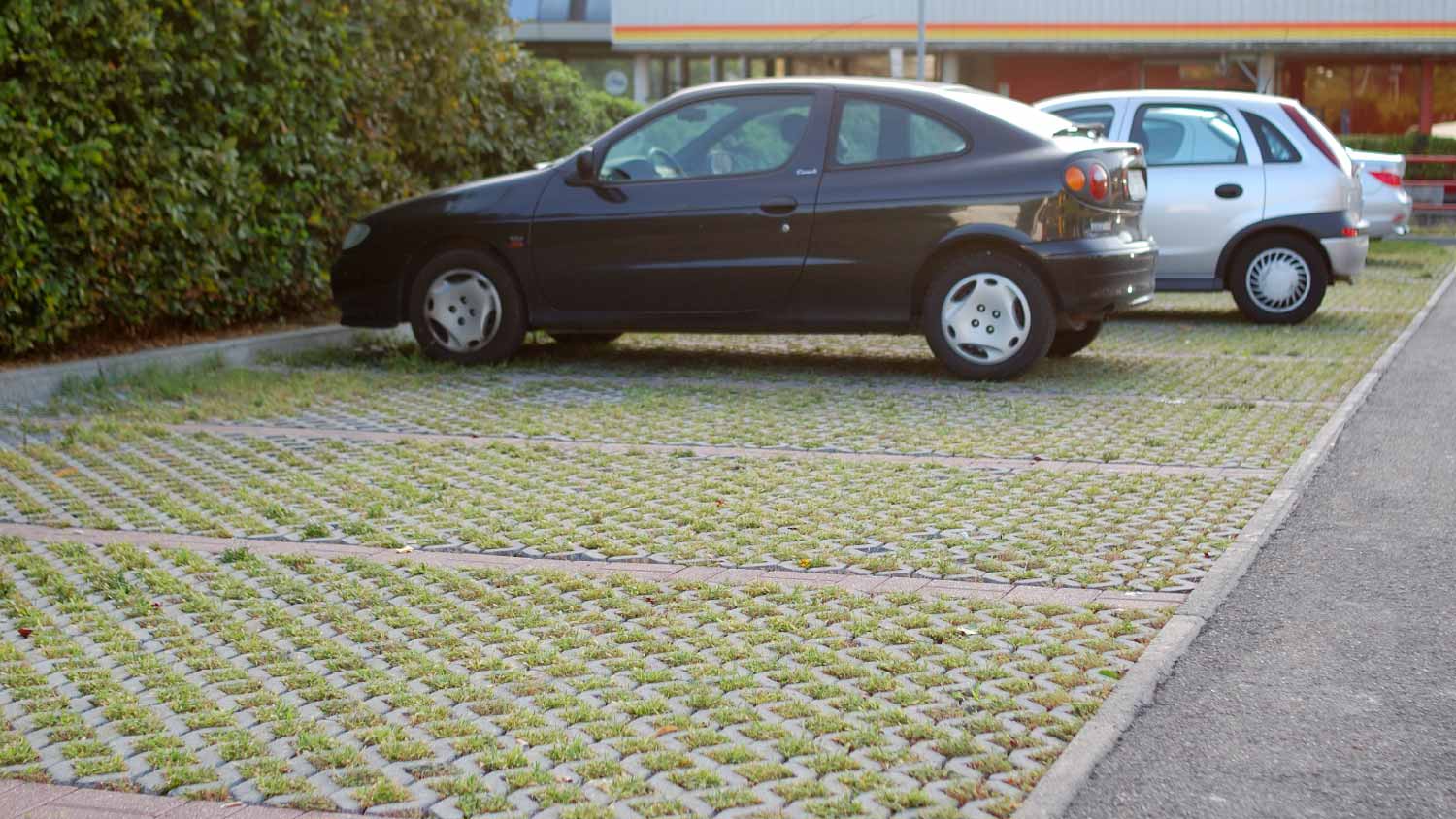
Grass pavers are suitable for heavy foot or vehicle traffic, but they’re not as resistant as concrete or asphalt pavers.
It is possible to DIY complete hardscaping projects, but in most cases, hiring a professional is best to get the job done correctly. Hardscaping—including installing patios, decks, retaining walls, walkways, and water features—is challenging and time-consuming, so the money you spend on a professional is typically worth it. Not only will the quality be better, but you could avoid problems that come along with a lack of hardscaping experience, like drainage issues that can lead to costly foundation damage and leaks in your home.
The Sargent, NE homeowners’ guide to paving services
From average costs to expert advice, get all the answers you need to get your job done.
Get proactive with marketing for your paving contractor business. Use these paving marketing ideas (ranked by budget and experience level) to grow your business, get more leads, and earn more money.