We take great pride in our experience, expertise, quality and customer service that we provide to meet the consumers needs. It is our mission to provide excellent workmanship and complete customer satisfaction from start to completion of a project. In order to understand the needs and expectations of our customers, we take great care to work and communicate with every customer in a professional manner. Our reputation is based on service, safety and quality, regardless of how large or small the job.
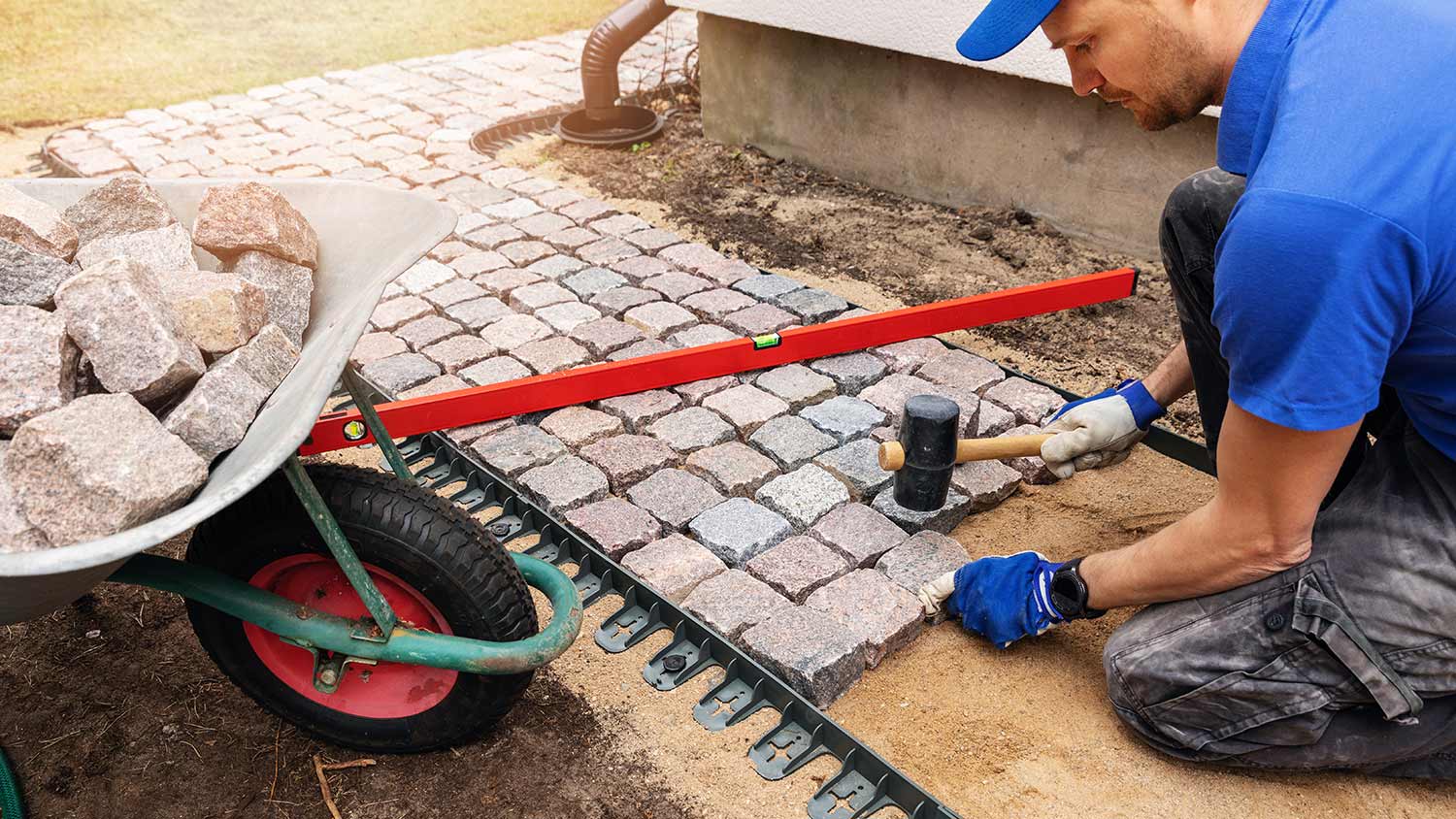
Paver driveways are durable and aesthetically pleasing, but they do have a few cons. For instance, paver driveways are often more expensive than asphalt and concrete driveways. They also make it easier for weeds to grow where the separate pavers meet up. They may also be more likely to settle over time.
Compared to options like concrete, asphalt, and pavers, resin driveways are far more flexible. As a result, they are more durable against chipping and cracking. Their bonded surface allows them to withstand extreme cold and heat without succumbing to the warping or cracking caused by freeze-thaw cycles. In addition, resin driveways are easy to clean and maintain.
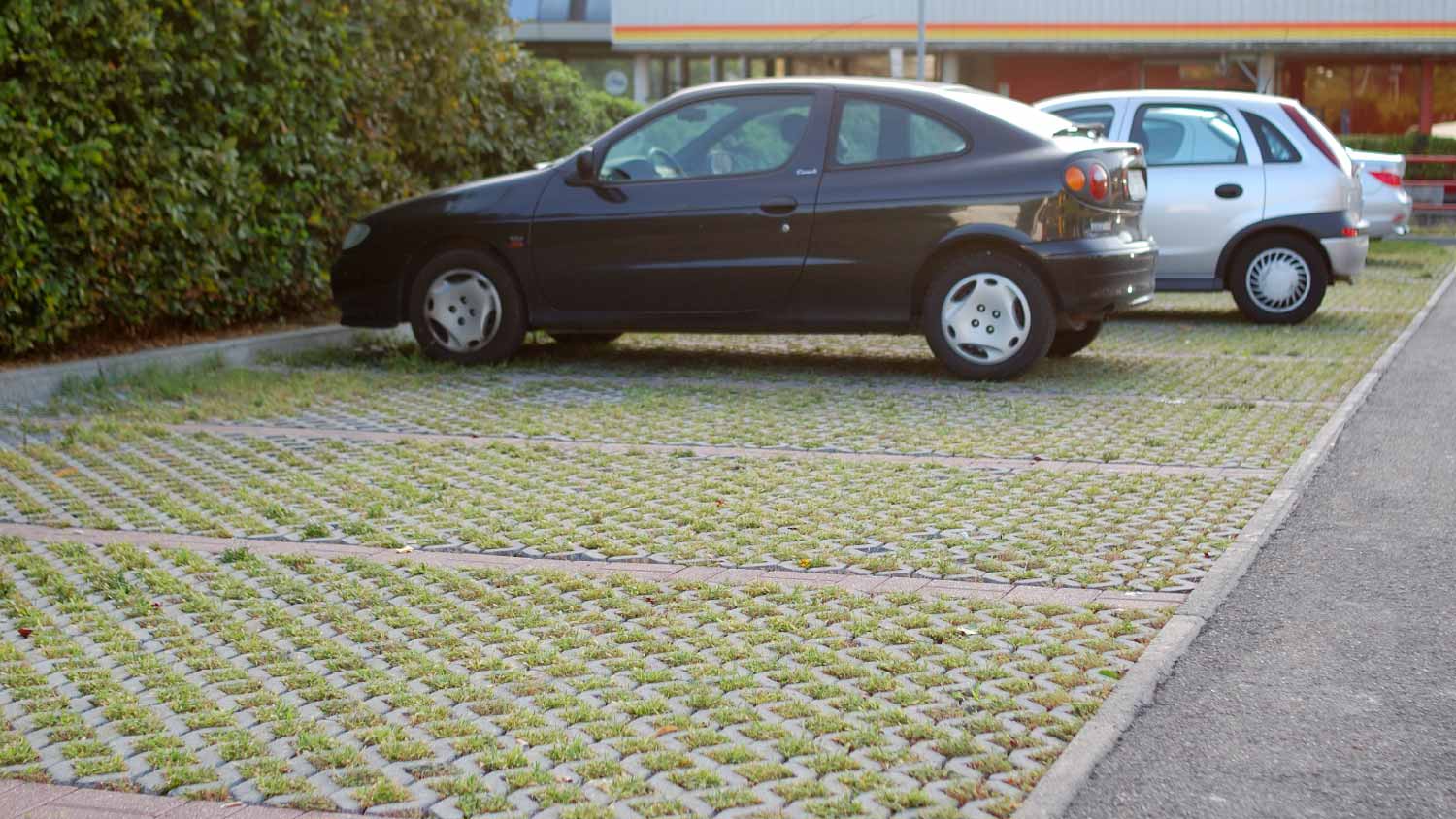
Yes, permeable paving is expensive. For driveways, expect to pay up to $70 per square foot; for patios, permeable paving can cost up to $30per square foot. Costs will depend on the type of material you choose, plus the standard labor rate in your area.
Gravel is the cheapest way to extend a driveway. Gravel is an affordable, practical option that’s easy to install and perfect for DIY projects, helping you save on labor costs. It can be quickly spread and leveled to create extra driveway space without heavy preparation. While gravel doesn’t offer the same durability or finished look as concrete or asphalt, its low cost makes it ideal for budget-conscious homeowners who want a functional solution without overspending.
Although you could try to lay stepping stones directly over grass, which speeds up the installation process significantly, this method often leads to a poor result over time. Even heavy paver stones will eventually slide or shift on top of the grass. Digging into the ground and following the steps we listed is the best way to lay stepping stones for a long-lasting result.
The Mission, SD homeowners’ guide to paving services
From average costs to expert advice, get all the answers you need to get your job done.
The cost of a tar and chip driveway falls between gravel and asphalt. Is this unique process the happy medium you've been looking for? Let's take a look.
Get proactive with marketing for your paving contractor business. Use these paving marketing ideas (ranked by budget and experience level) to grow your business, get more leads, and earn more money.