We take great pride in our experience, expertise, quality and customer service that we provide to meet the consumers needs. It is our mission to provide excellent workmanship and complete customer satisfaction from start to completion of a project. In order to understand the needs and expectations of our customers, we take great care to work and communicate with every customer in a professional manner. Our reputation is based on service, safety and quality, regardless of how large or small the job.
Think of the street as a way to capture all the elements on either side of the road, including the road—a street encompasses the homes or other buildings, the trees, and the road of a given area as defined by the beginning and end of the street on a map. A roadway, however, is the component of the street where cars travel.
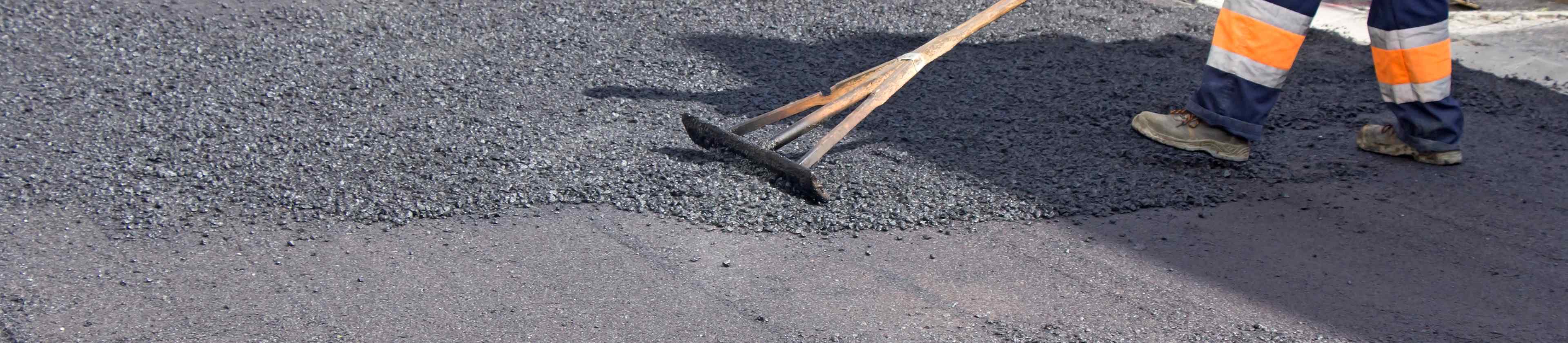
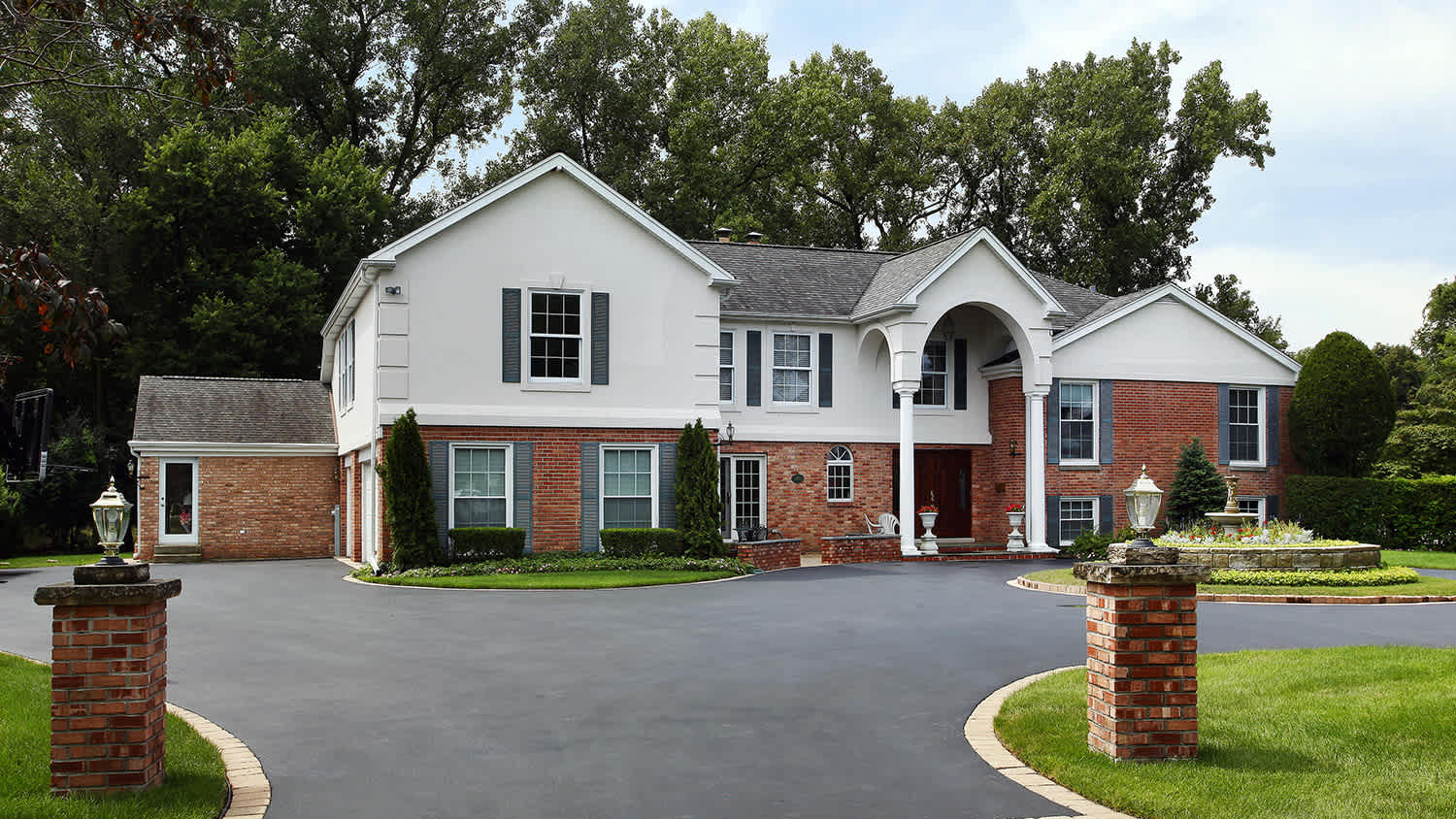
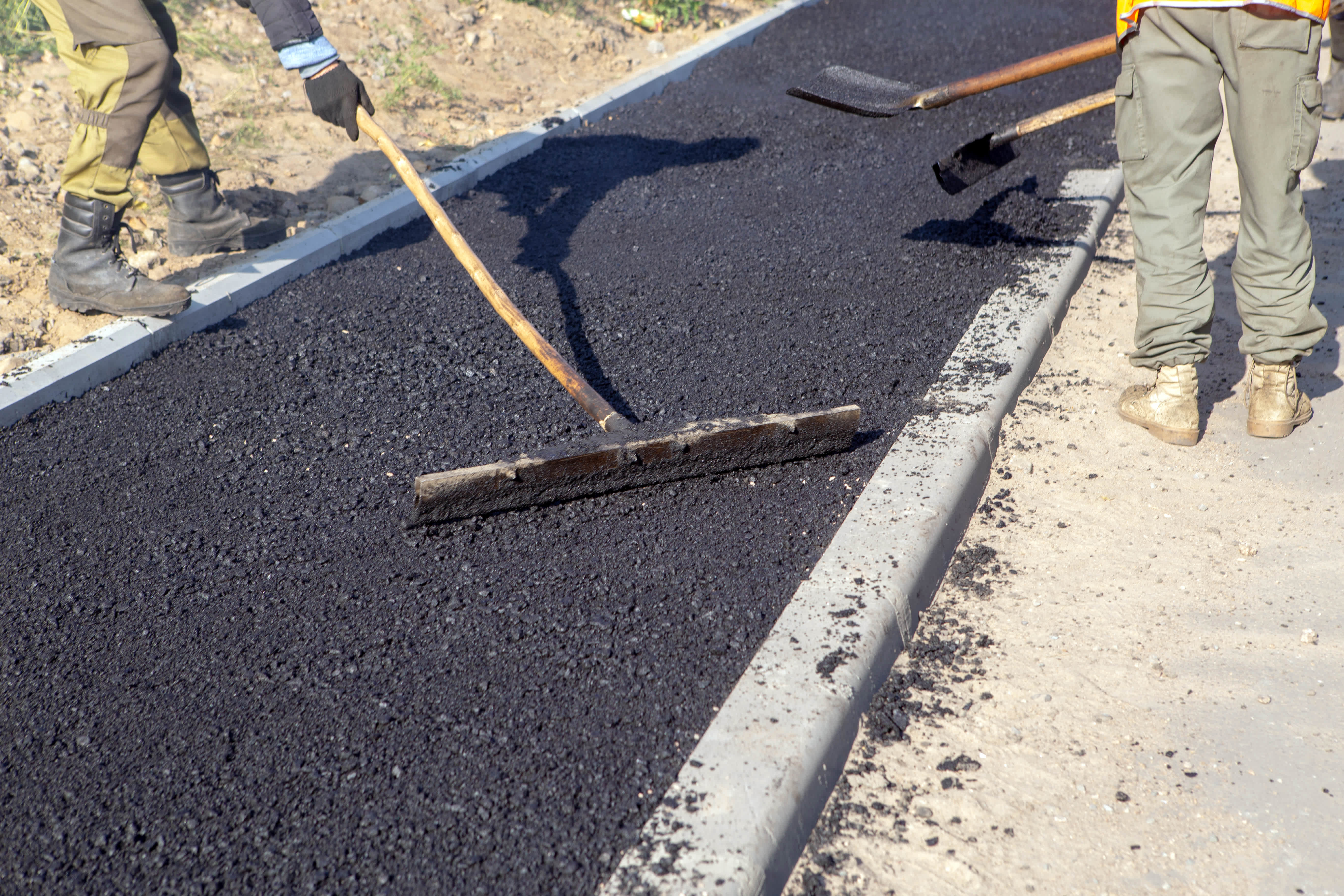
An asphalt driveway should be at least 3 inches thick over a compacted gravel base. Areas with poor drainage should have a thicker stone base. To install a new asphalt driveway over an existing driveway, the new asphalt should be at least 2 inches thick and the existing driveway should be in relatively good condition.
A traditional driveway gate isn’t your only option when installing a barricade in front of your driveway. A security gate like a swing gate, double swing gate, bi-folding gate, vertical gate, or pivot gate could work just as well as your driveway gate—if not better for your home depending on which qualities you’re after. Like sliding driveway gates, many of these alternatives work with automatic features that simplify entering and exiting your property.
It takes recycled asphalt 48 hours to initially harden and up to 3 months to fully cure. It’s best to stay off of recycled asphalt for at least 48 hours, then you can walk or drive standard vehicles on it. Hold off on driving heavy trucks or equipment on it for at least 7 days. Allowing the surface to melt together and harden ensures that the surface stays durable and long-lasting.
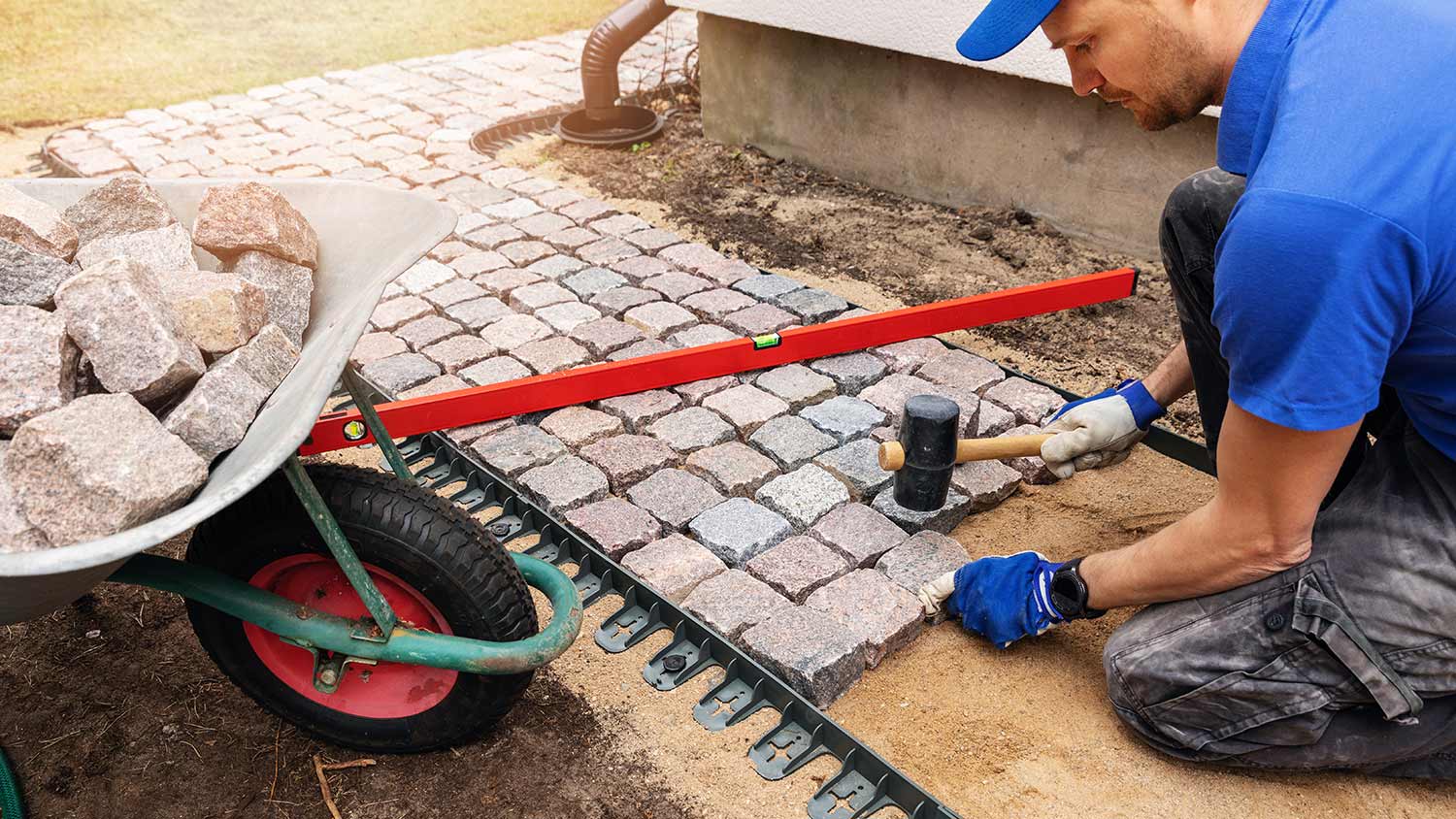
Like brick, paver, and cobblestone driveways, resin driveways can have intricate patterns using different colors. Aggregates can be laid to create curves, shapes, letters, or numbers. When using custom colors or patterns, homeowners can expect to add an extra $2 to $6 per square foot to achieve their desired look.
The Parmelee, SD homeowners’ guide to paving services
From average costs to expert advice, get all the answers you need to get your job done.
Get proactive with marketing for your paving contractor business. Use these paving marketing ideas (ranked by budget and experience level) to grow your business, get more leads, and earn more money.