

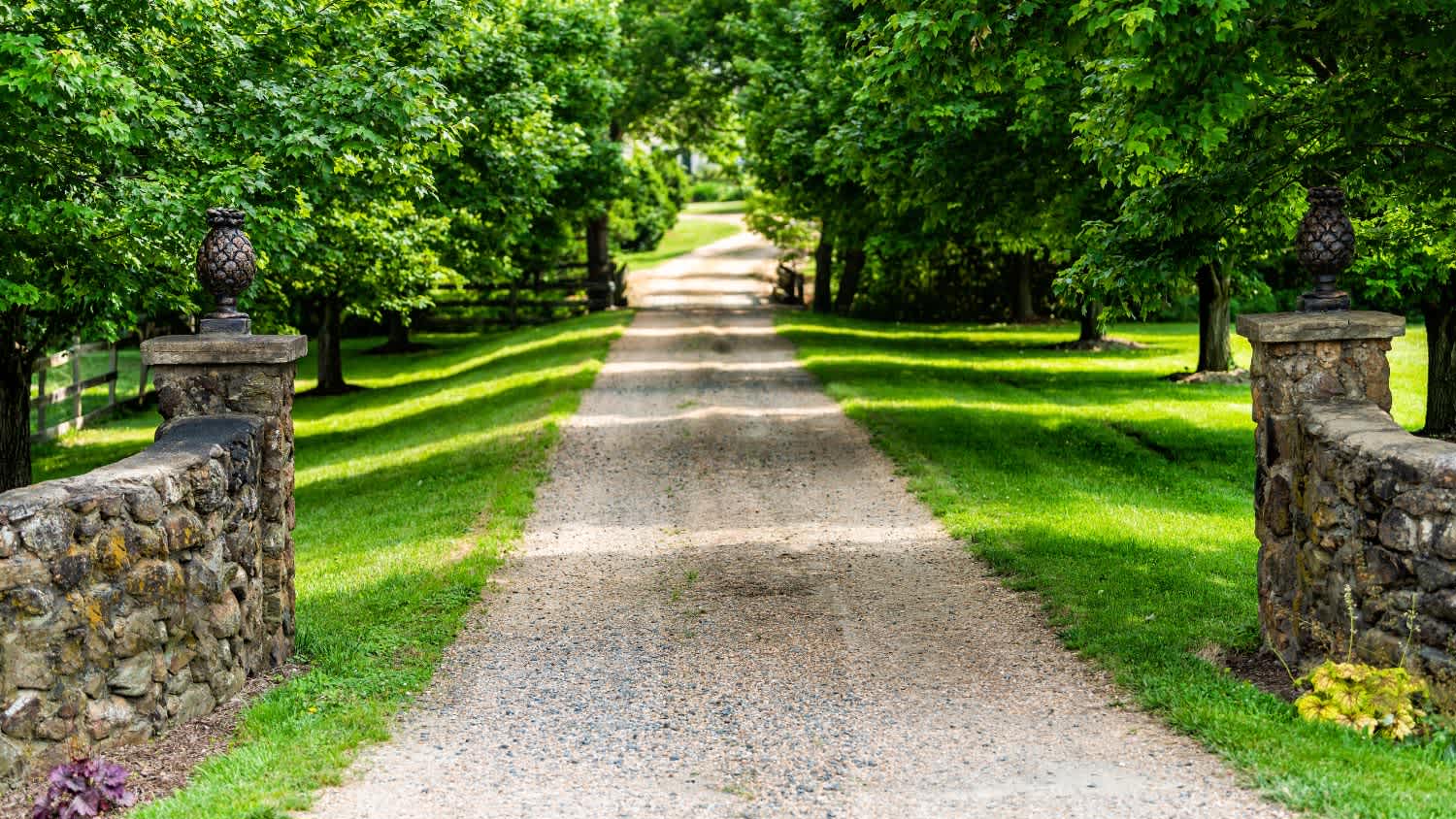
The cost to build a road on your property can be high, but the utility is often worth it. Use this cost guide to see how much this project will cost.
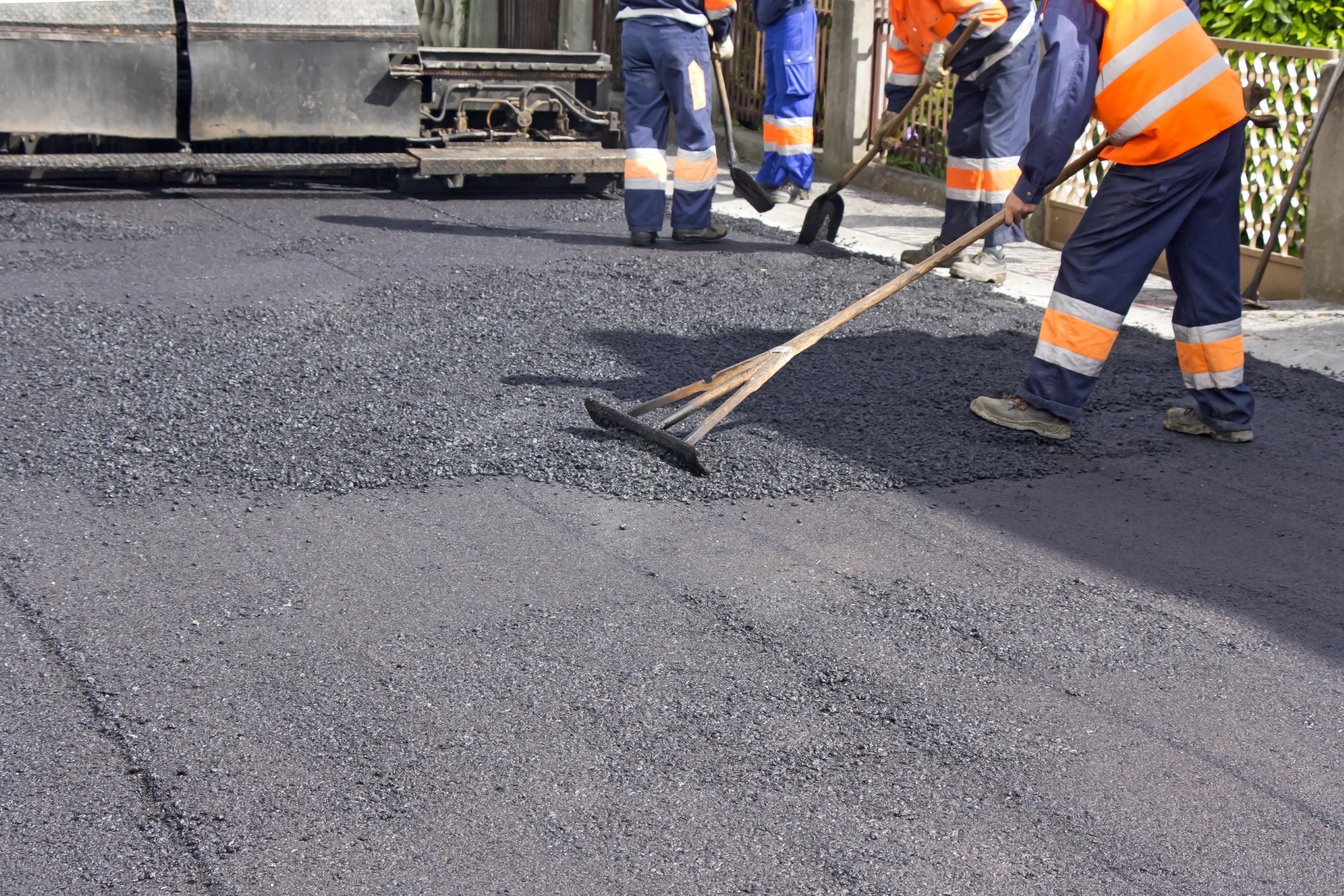
*The Angi rating for Paving Service companies in Rushville, NE is a rating based on verified reviews from our community of homeowners who have used these pros to meet their Paving Service needs.
*The HomeAdvisor rating for Paving Service companies in Rushville, NE is a rating based on verified reviews from our community of homeowners who have used these pros to meet their Paving Service needs.
Last update on February 02, 2026
From average costs to expert advice, get all the answers you need to get your job done.
The cost to build a road on your property can be high, but the utility is often worth it. Use this cost guide to see how much this project will cost.
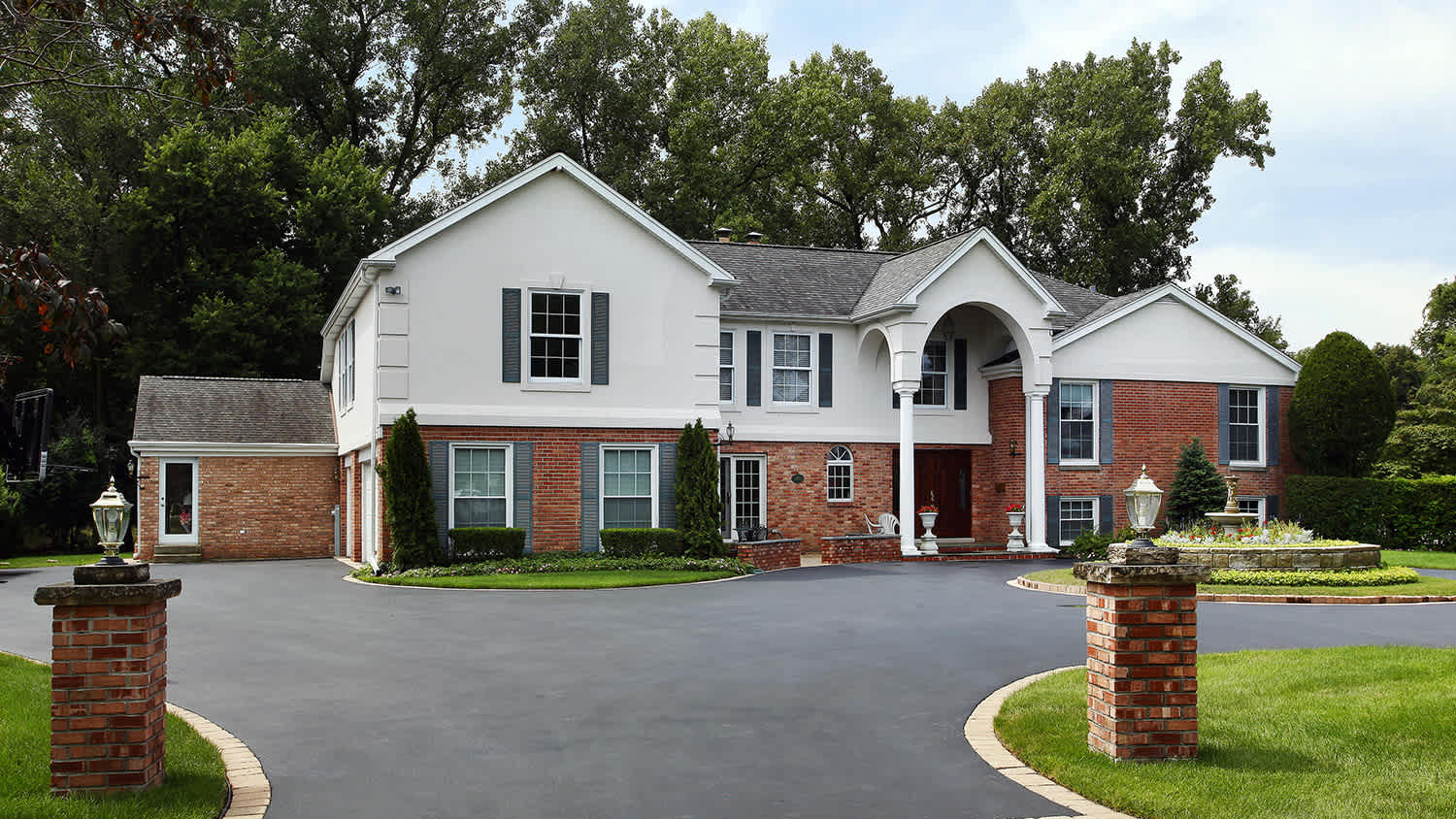
Do you need more parking for your business or home? Here's everything you need to know about the cost to pave a parking lot.
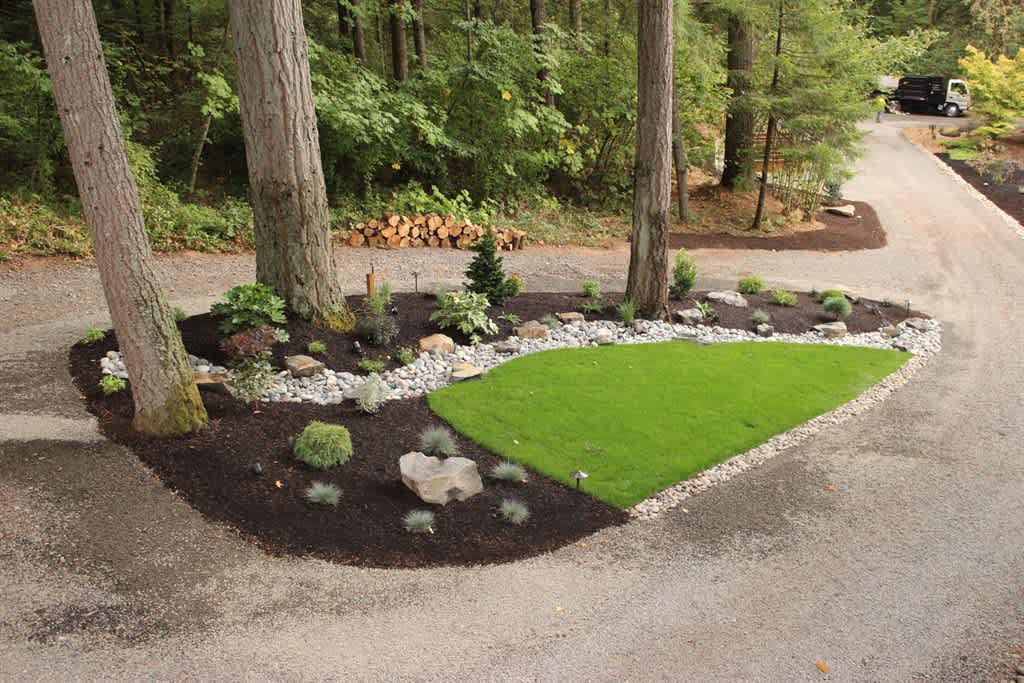
The cost of a tar and chip driveway falls between gravel and asphalt. Is this unique process the happy medium you've been looking for? Let's take a look.
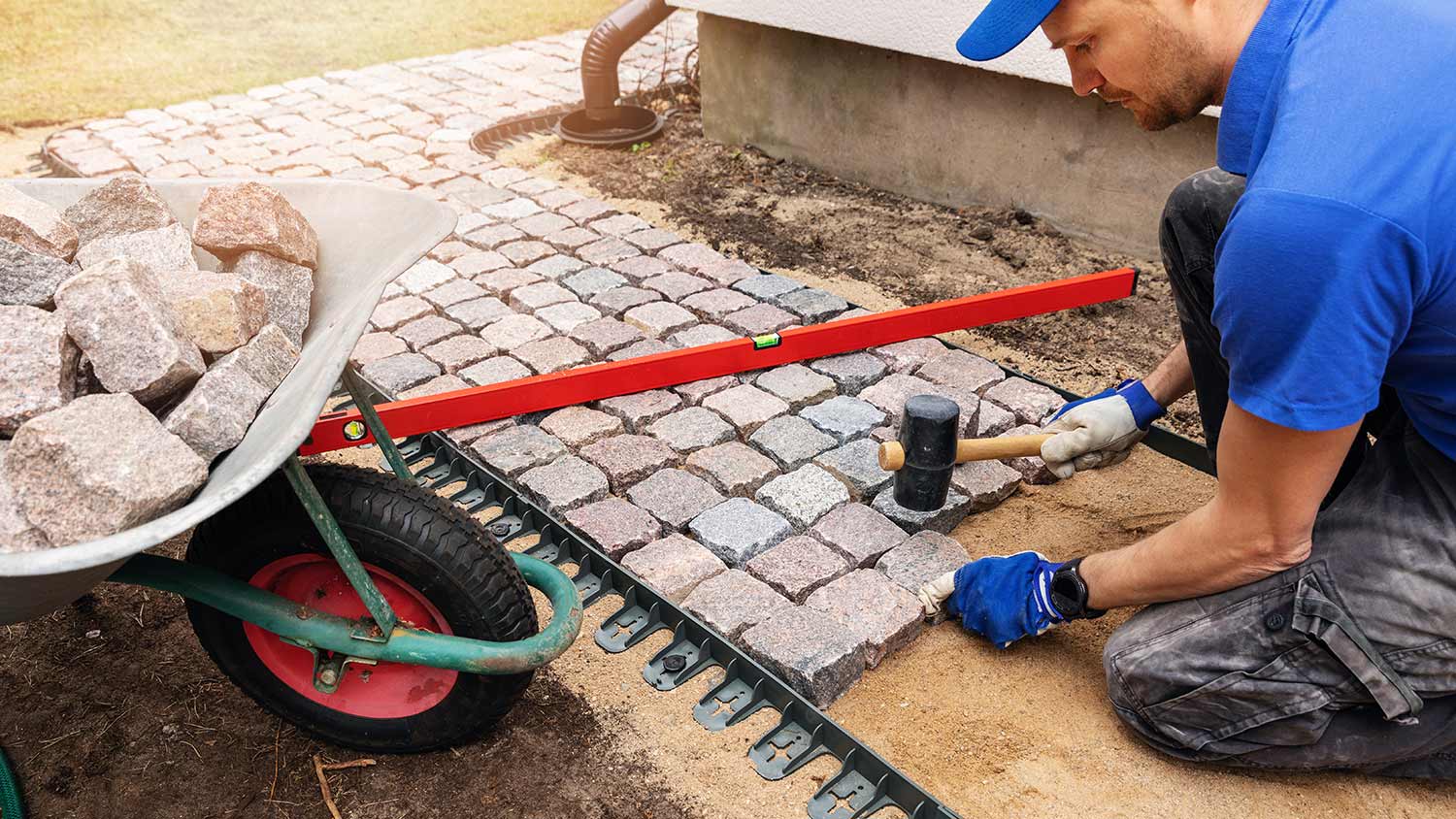
Get proactive with marketing for your paving contractor business. Use these paving marketing ideas (ranked by budget and experience level) to grow your business, get more leads, and earn more money.
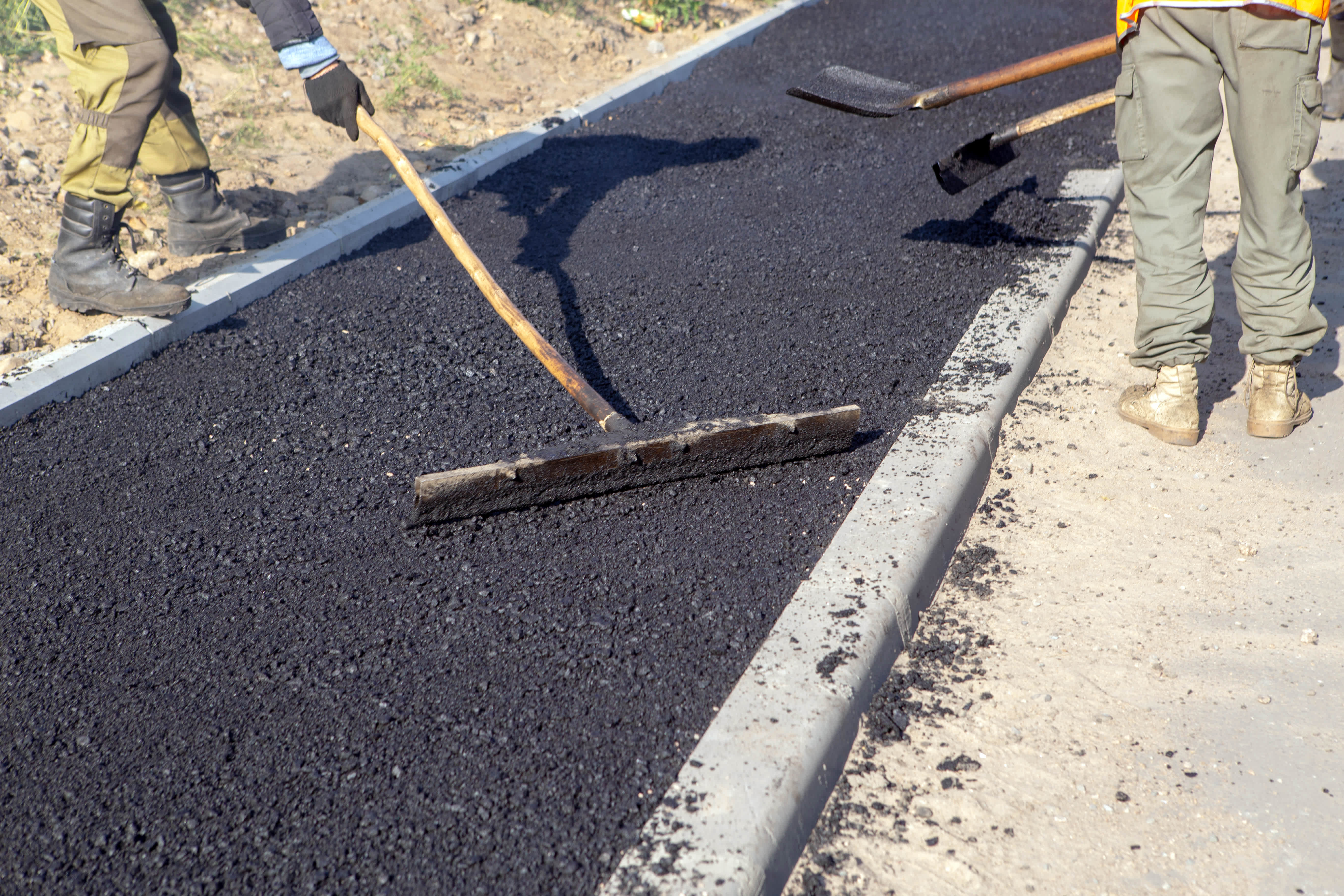
Learn how to hire an asphalt paving pro with confidence. Discover key qualifications, questions to ask, and tips for finding a reputable contractor.
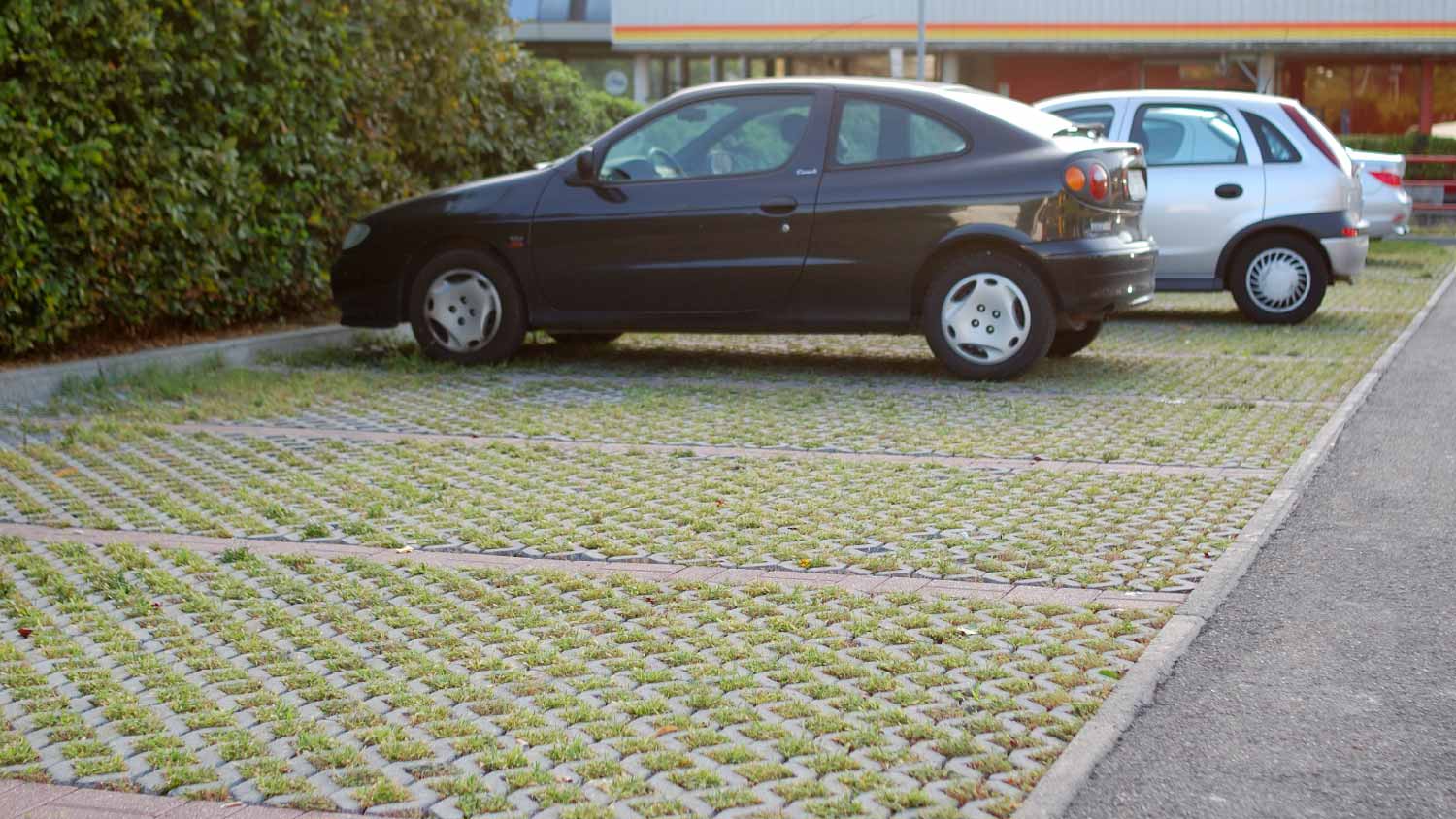
Is rainwater constantly building up on your driveway, walkway, or patio? Find out how permeable paving could be the answer to your problems.