We take great pride in our experience, expertise, quality and customer service that we provide to meet the consumers needs. It is our mission to provide excellent workmanship and complete customer satisfaction from start to completion of a project. In order to understand the needs and expectations of our customers, we take great care to work and communicate with every customer in a professional manner. Our reputation is based on service, safety and quality, regardless of how large or small the job.
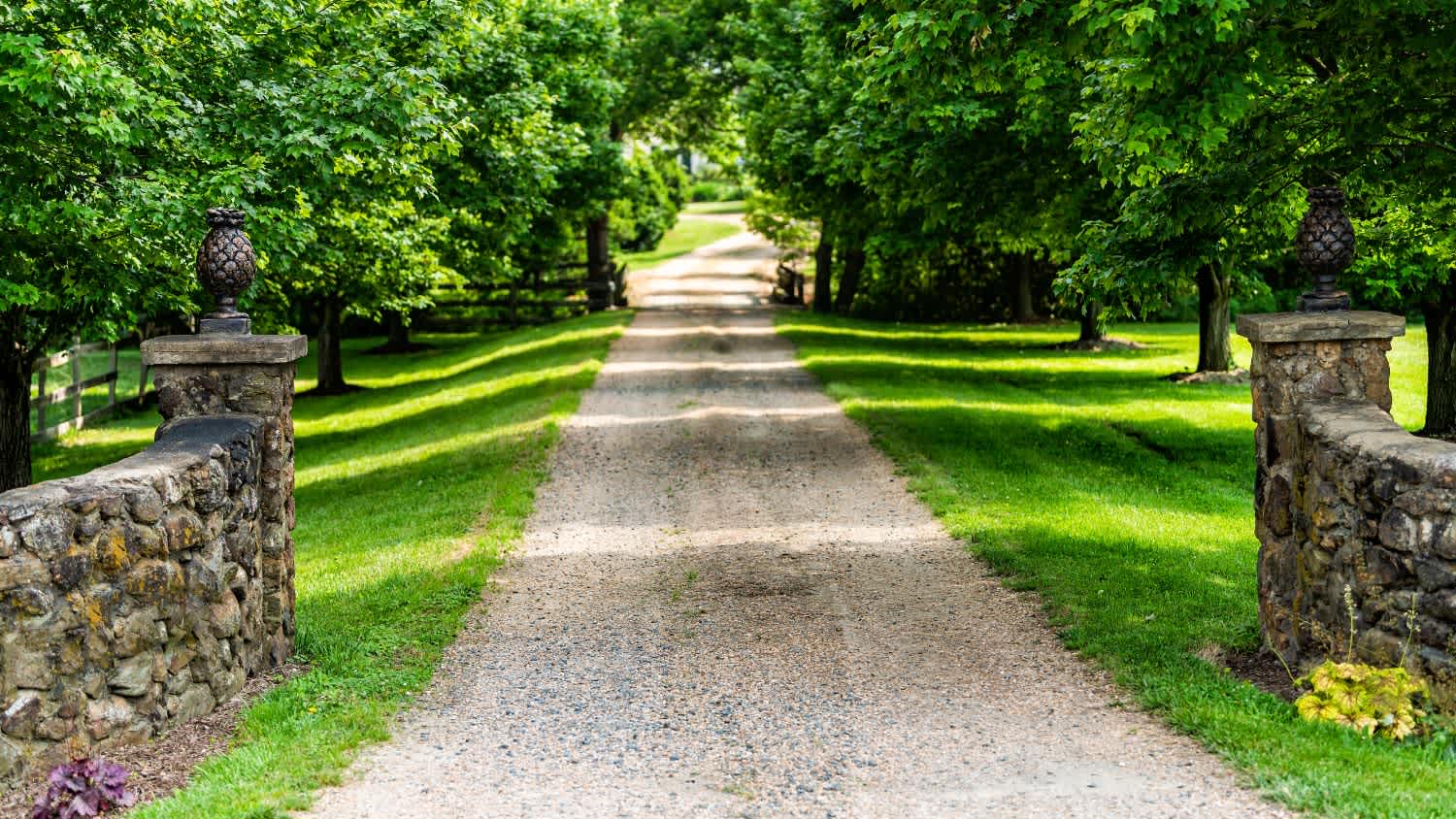
Gravel is the cheapest way to extend a driveway. Gravel is an affordable, practical option that’s easy to install and perfect for DIY projects, helping you save on labor costs. It can be quickly spread and leveled to create extra driveway space without heavy preparation. While gravel doesn’t offer the same durability or finished look as concrete or asphalt, its low cost makes it ideal for budget-conscious homeowners who want a functional solution without overspending.
Yes, hardscaping is generally a great investment that can increase your home's value. Hardscape features improve your yard's functionality, safety, and aesthetics, which boosts curb appeal and overall property value. According to a survey by the National Association of Realtors and the National Association of Landscape Professionals, hardscape upgrades are one of the top four outdoor projects that add value to a property for resale, along with landscape upgrades, landscape management, and lawn care services. While most buyers see value in these features, some may be concerned about potential increases in property taxes or the cost to alter them later. However, the return on investment is typically excellent. For best results, hardscaping should be combined with professional landscaping, and it's wise to hire a reliable contractor for installation.
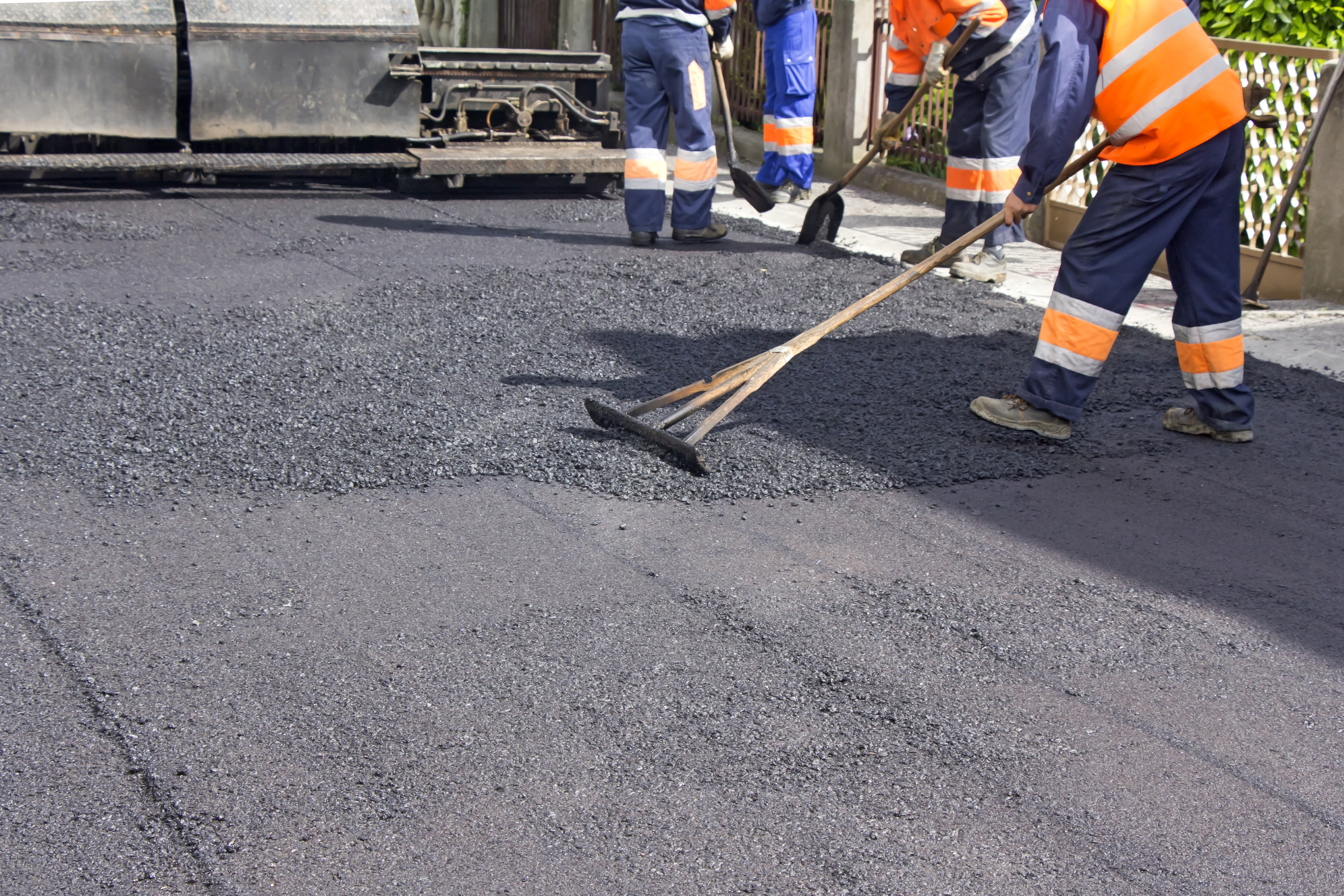
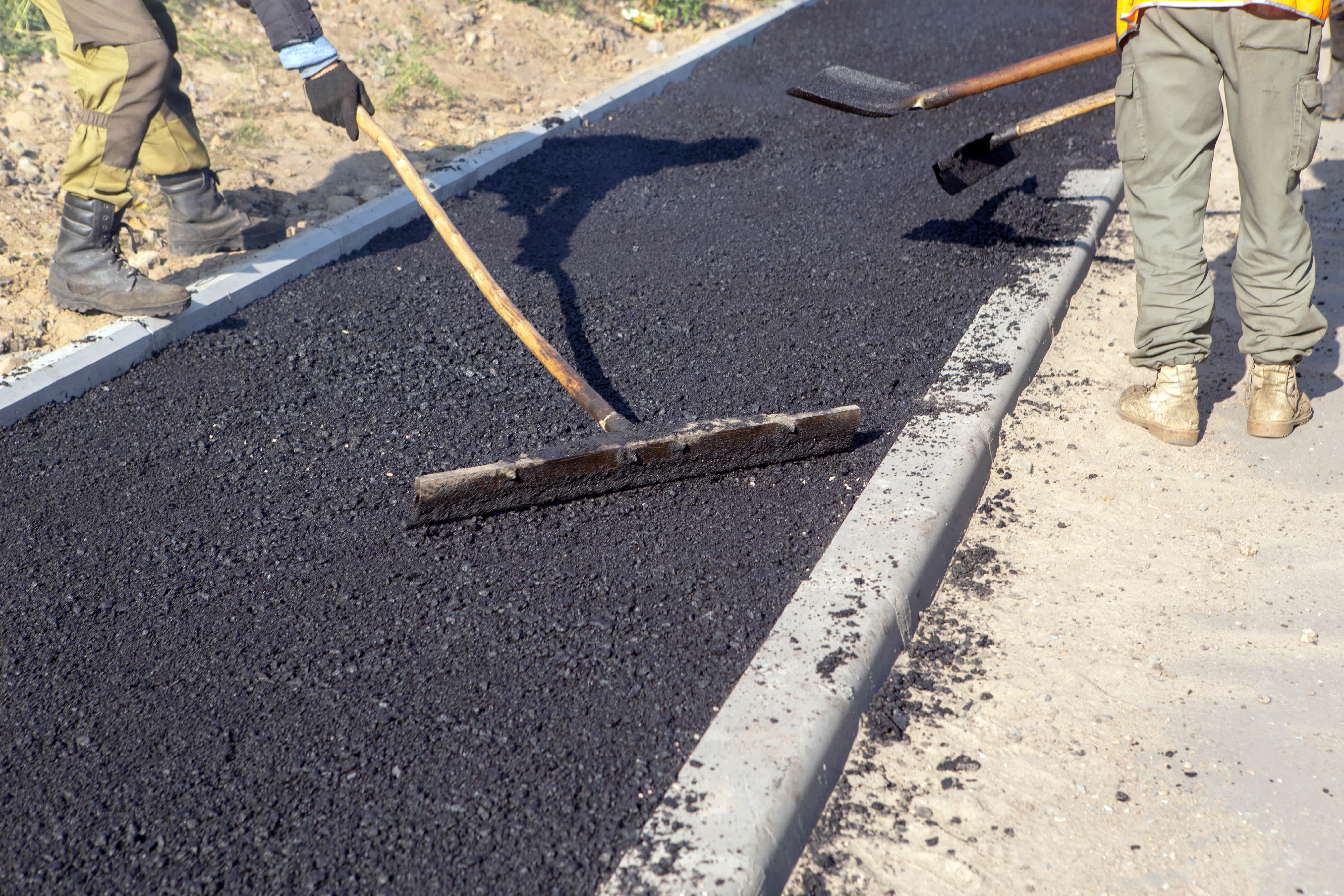
Asphalt and tarmac are not the same thing. Traditional tarmac, short for tarmacadam, uses tar as a binder to hold crushed stone together. Asphalt uses bitumen—a byproduct of crude oil—to bind aggregate. Though tarmac was once a go-to for roads, asphalt has become the modern standard. And these days, most surfaces referred to as “tarmac” are actually asphalt. So, while the names may overlap, the key distinction lies in the binder—tar for tarmac and bitumen for asphalt.
Your city or county will have guidelines about the minimum and maximum width and length of private roads. The average private road is 12 feet wide, and length, of course, depends on your property. Requirements also depend on the amount of traffic and types of vehicles your road experiences. Check with local ordinances before planning a road on your property.
While water-related pressure caused by poor drainage is one common cause of paver cracking, other factors can include ground movement beneath pavers, heavy loads and wear and tear over the pavers, and climates with constant freeze-thaw cycles. In general, pavers should be resealed every three to five years to prevent cracking.
The Saint Francis, SD homeowners’ guide to paving services
From average costs to expert advice, get all the answers you need to get your job done.
The cost of a tar and chip driveway falls between gravel and asphalt. Is this unique process the happy medium you've been looking for? Let's take a look.
Get proactive with marketing for your paving contractor business. Use these paving marketing ideas (ranked by budget and experience level) to grow your business, get more leads, and earn more money.