"He did such an awesome job and did exactly what I asked. He even double checked all of his work and it was great. I will definitely be calling him again."
"I only use James when I need some work done to my house. He responds fast, gets the work done quicker than just about anyone else I've ever used and seems very concerned with leaving his customers happy."
MEADOWS MASONRY, LLC is committed to excellence in every aspect of our business. We uphold a standard of integrity bound by fairness, honesty, and personal responsibility. Our distinction is the quality of service we bring to our customers. Accurate knowledge of our trade combined with ability is what makes us true professionals. Above all, we are watchful of our customers' interests, and make their concerns the basis of our business.
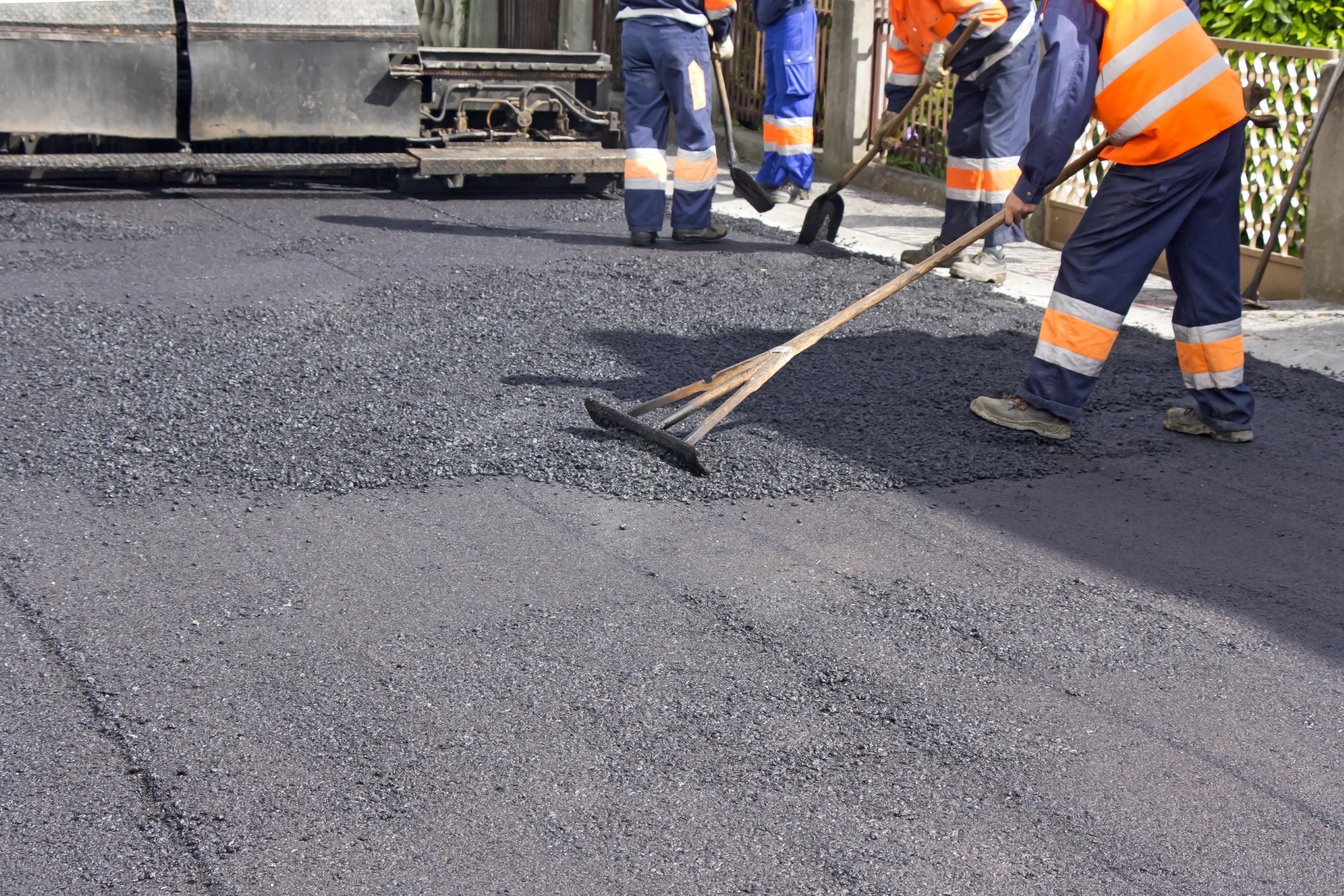
The three most common types of asphalt are hot asphalt, MC cold mix, and UPM asphalt.
Hot asphalt is used most often for paving and patching roadways while it’s hot and workable. MC cold mix asphalt cures more slowly than hot asphalt, but it can be used for temporary patches and repairs in low-traffic areas. UPM is also used cold, but it can be used as a longer-term fix, usable in almost any conditions at almost any temperature.
Professionals restore the surface to a fresh, attractive finish by applying a new, even sealant layer.
Overall, a paver driveway is considered the easiest to maintain because homeowners are able to do driveway repair one piece at a time without impacting the rest of the driveway. Unlike paved options, paver driveways contain individual stones that aren't physically connected. By comparison, you may need to reseal or redo a full asphalt driveway if just one portion sustains a significant crack.
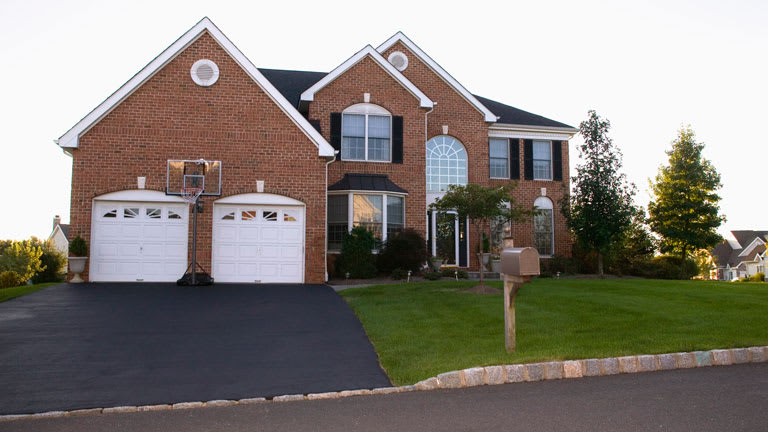
Asphalt driveways last anywhere from 15 to 30 years, but if you don’t stay on top of repairs, you may find yourself spending extra to replace your driveway before its typical lifespan. Stay on top of repairing cracks and potholes by routinely inspecting your driveway once or twice a year. It’s a good idea to pressure wash your asphalt driveway at least once a year to keep it clean. Apply a sealer every one to five years, based on your climate.
Asphalt dries and cures best between 50 and 85 degrees Fahrenheit. This range allows moisture to evaporate quickly without causing the asphalt to cool too fast, which can negatively affect the drying process. However, keep in mind that other weather conditions can also affect curing and drying times, such as precipitation and humidity.
The Mullen, NE homeowners’ guide to asphalt driveway services
From average costs to expert advice, get all the answers you need to get your job done.
Adding a new asphalt driveway to your home can boost its overall appearance and give homeowners a nice ROI down the line. But how long do asphalt driveways last, and what can you do to maximize their lifespans? Read this guide to find out.