
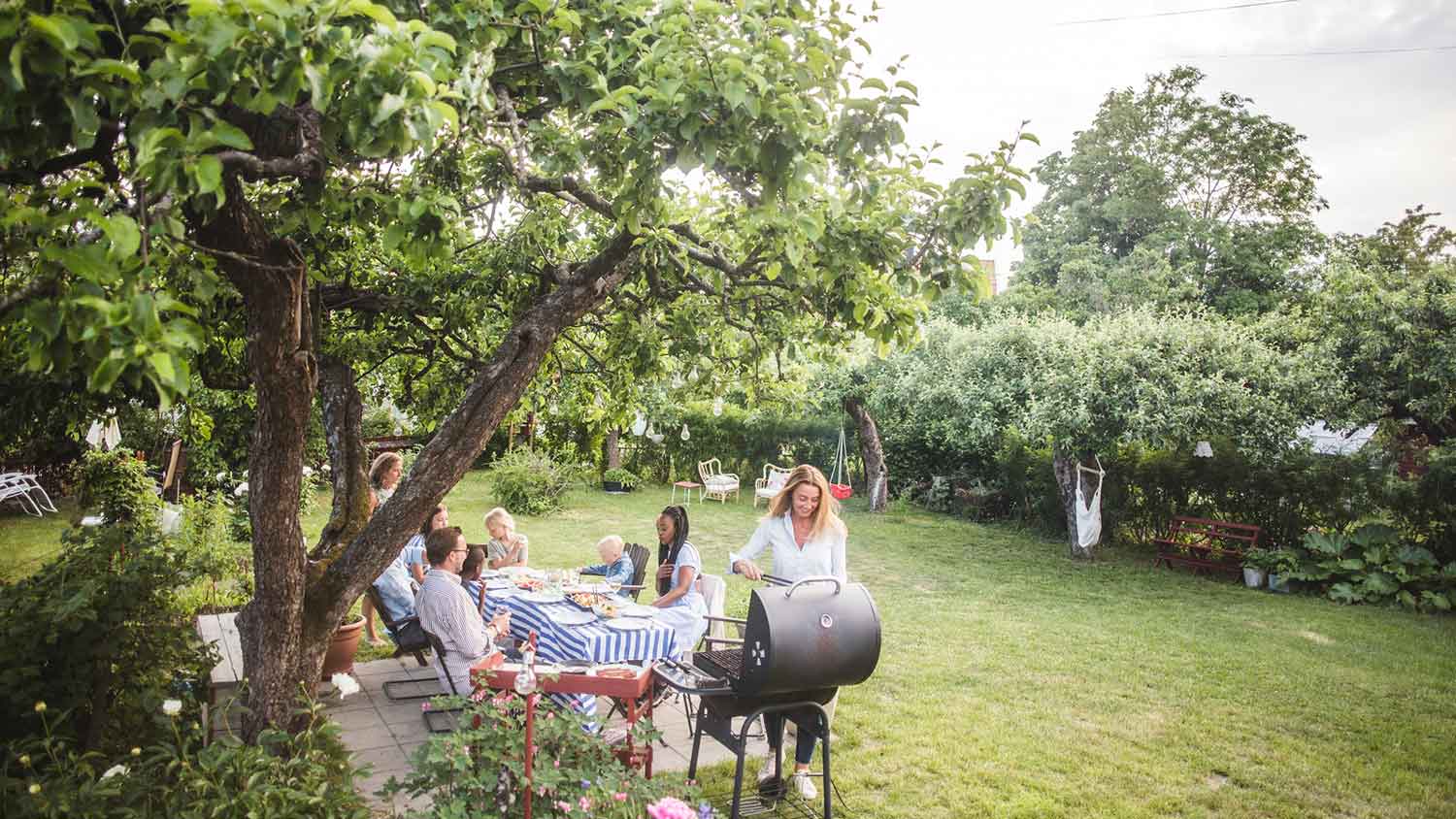
Inspections are a crucial part of tree care. Tree diseases and other common health issues have telltale signs. Find out how to tell if your tree is healthy.
Look for common signs that your tree is dead


A dead tree shows clear signs like brittle branches, brown leaves, loose bark, and fungi growth that confirm your tree needs immediate attention.
Severe weather, pests like termites or bark beetles, and root damage from construction can weaken your tree and lead to structural failure or disease.
Check your tree's health by performing the scratch test, bending twigs, and inspecting apical buds to know if intervention is needed early.
Hiring a local tree maintenance professional provides expert diagnosis and safe removal when your tree poses fall hazards or harbors pests spreading to your home.
Whether from old age, pests, disease, or a lack of resources, even the most spectacular trees can see an unfortunate decline. Knowing how to tell if a tree is dead is important, as dead trees can harbor termites and other pests, or become a serious fall or fire hazard. In some cases, noticing symptoms early may even make it possible to save a dying tree. These are the top signs a tree is dying or dead.

Deciduous trees shed their leaves every winter, falling dormant for the season. If they fall or turn from lush and green to brittle or brown in the warmer months, that may signal a problem, according to Tara Dudley, owner of Plant Life Designs. "Be sure to keep an eye out for yellowing leaves, too.”
Additionally, declining deciduous trees may have dead leaves that don’t fall off in the wintertime. For example, coniferous evergreen trees are usually green throughout the year. If they turn brown at the tips or have yellow or red hues, they may be stressed or dying.
Finding leaves with black spots doesn’t mean your tree is necessarily dying, but you need to treat it as it signifies a fungal or bacterial infection.
Healthy trees have the occasional dead branch or twig, but if you notice more than usual on the ground, it’s time to investigate. To test your tree’s health, grab a twig and bend it between your fingers. If the limb is flexible and bends, all is well. But if the twig easily snaps, the branch is dead.
All trees have one or two dead branches; however, several large, dead branches are a sign that your tree is dying. Dead branches and tree limbs can fall without warning and cause property damage, injury, and even the death of your tree.
Apical Buds are located at the tips of a tree’s branches and look like a small, scaly cone and where the branch grows. They will be dried out or no longer there if the tree is dying or dead. Inspect the buds to determine whether your tree is dead, and consider calling a local arborist for a confirmation check.

If bark is loose and falling off, if an area on the tree trunk is bare, or there are deep cracks in the bark, this may also signal a problem. Note that some types of trees naturally shed bark, including crepe myrtle, sycamore, and river birch trees.
Perform the scratch test—scratch the bark or branches with your fingernails or a knife. Healthy bark will be moist and green inside. If it is brittle and brown underneath, your tree may be dying.
A tree’s trunk supplies water from the roots to all of its branches and leaves. Cavities, cracks and splits, and missing bark on a tree’s trunk are signs of a potential health issue.
Severe weather can also damage trees, leaving open wounds like large cuts, cracks, and torn branches. Lightning strikes will also show in bald patches or long streaks on the trunk. All of these events can eventually kill a tree.
Fungi, which may be tan, orange or red, thrive off of dead wood. Mushrooms growing at the base of the tree can eat away at the roots, while fungi on the trunk may indicate that the tree’s insides are rotting (or already rotted).
Some fungi are treatable with fungicides, or a local tree maintenance professional may be able remove the affected limbs. However, some are not. For example, if you see whitish or silvery scales, then the tree likely has Hypoxylon canker, which cannot be treated.
If your tree is dying, you may find common pests like termites, bark beetles, and carpenter ants are the cause of the problem.
Some types of termites feed on live trees, weakening branches and making them susceptible to falling off. Signs of a termite infestation include tree shavings at the base of the trunk, dead termite bodies, white eggs, mud tubes, and small holes in the tree.
Bark beetles are the size of a grain of rice and are brown or black, and can be found under loose bark. Pitch tubes, small, different-colored tubes on the tree, are proof it has been attacked by bark beetles. If the tubes are white, the tree was able to repel the beetles, but if they are reddish brown, the beetles likely won the battle. Beetles can also transfer the oak wilt fungus to oak trees.
Carpenter ants can be found inside hollow areas of trees or in cracks. Larger than common household ants, they are dark brown or black and can be wingless or winged. If there’s an infestation, you’ll find sawdust-like material near the tree’s base or there may be a hollow sound inside the tree, which indicates the presence of a nest.
A myriad of issues can stem from the roots, including brown and wilted leaves, dead branches, and lack of foliage. Construction, excavation, or even a heavy storm can damage shallow or exposed roots—check for small sprouts popping out from the base of the trunk.
"Other issues affecting the tree caused by the roots could be from planting," says Dudley. "If the tree was planted too deep initially, the roots could also be girdling the trunk of the tree, causing it to decline slowly."

Take a few steps back to look at the whole tree. If you notice it’s leaning to one side, that could indicate there’s a problem with the roots. A tree won’t be able to stay upright if the roots are weakened or damaged. Check to see if the roots are separating from the ground, as this is another symptom that the tree isn’t stable.
If you suspect that your tree is dying, the best thing you can do is to hire a tree maintenance professional near you. If you spot some tree issues or diseases early enough—for example, sudden oak death or fire blight disease—then there’s a chance that you can bring the tree back to full health.
On the other hand, there’s a chance that your tree may be too sick to make a recovery. In these instances, the best thing to do is to hire a tree removal pro to cut it down, as it can fall over and cause damage to your home. It can also be a conduit for spreading diseases to healthy trees or turn into a home for termites.
This service was great. My air conditioner went out during the heat spell that we had. My husband has health issues and they came out that night and at 9:30pm the air conditioner was fixed and running. We are sooo very thankful, this is the company I will be using from now on and would...
 Mr. Mechanical Ohio
One of my old tall evergreen trees was suddenly leaning toward the busy street in front of my house. I submitted a request for an emergency tree inspection, and Alejandro, owner of Cajete Tree Service, contacted me immediately and arrived to look at it just 20 minutes later. We agreed the...
 Cajete Tree Service LLC
1 tree was cut down and 5 others including a large willow tree were trimmed. The Grant Tree Service men were professional and cleaned up afterwards. The cost of the 6 trees were affordable. I am very happy with the results. I would hire them again.
 Grants Tree Service
D1 Roofing delivers outstanding service from beginning to end, backed by a strong warranty and expert teams. I highly recommend them for their excellence in meeting and surpassing expectations with unmatched communication. Choosing D1 Roofing was flawless decision
 Division 1 Roofing LLC
Promptly arrived for quoting! Demonstrated superb customer service, affordable pricing, and completed service swiftly! Looking forward to the spring for our service!
 All Star Paving and Sealing
Seth was very professional, prompt in responding to queries about the work required , gave sincere advice as to what would be best for tree trimming and did the job timely.
Ace Fireplace Services' chimney sweep service is truly exceptional. They used advanced technology to ensure a thorough cleaning process, and my chimney has never looked better. I highly recommend their services.
 Ace Fireplace Services
I definitely recommend Ramonaâ s cleaning service! I have booked services with her many times and she arrives on time, ready to work and provides a great service.
 Your Cleaning Solutions LLC
Webb â s was priced well, flexible on scheduling, great with communication, and detailed in their work. Iâ ll definitely use their services again.
 Webbs Pressure and Paint LLC
Great tree company, very professional and honest. Glad we found them, they had the best pricing
From average costs to expert advice, get all the answers you need to get your job done.
Inspections are a crucial part of tree care. Tree diseases and other common health issues have telltale signs. Find out how to tell if your tree is healthy.
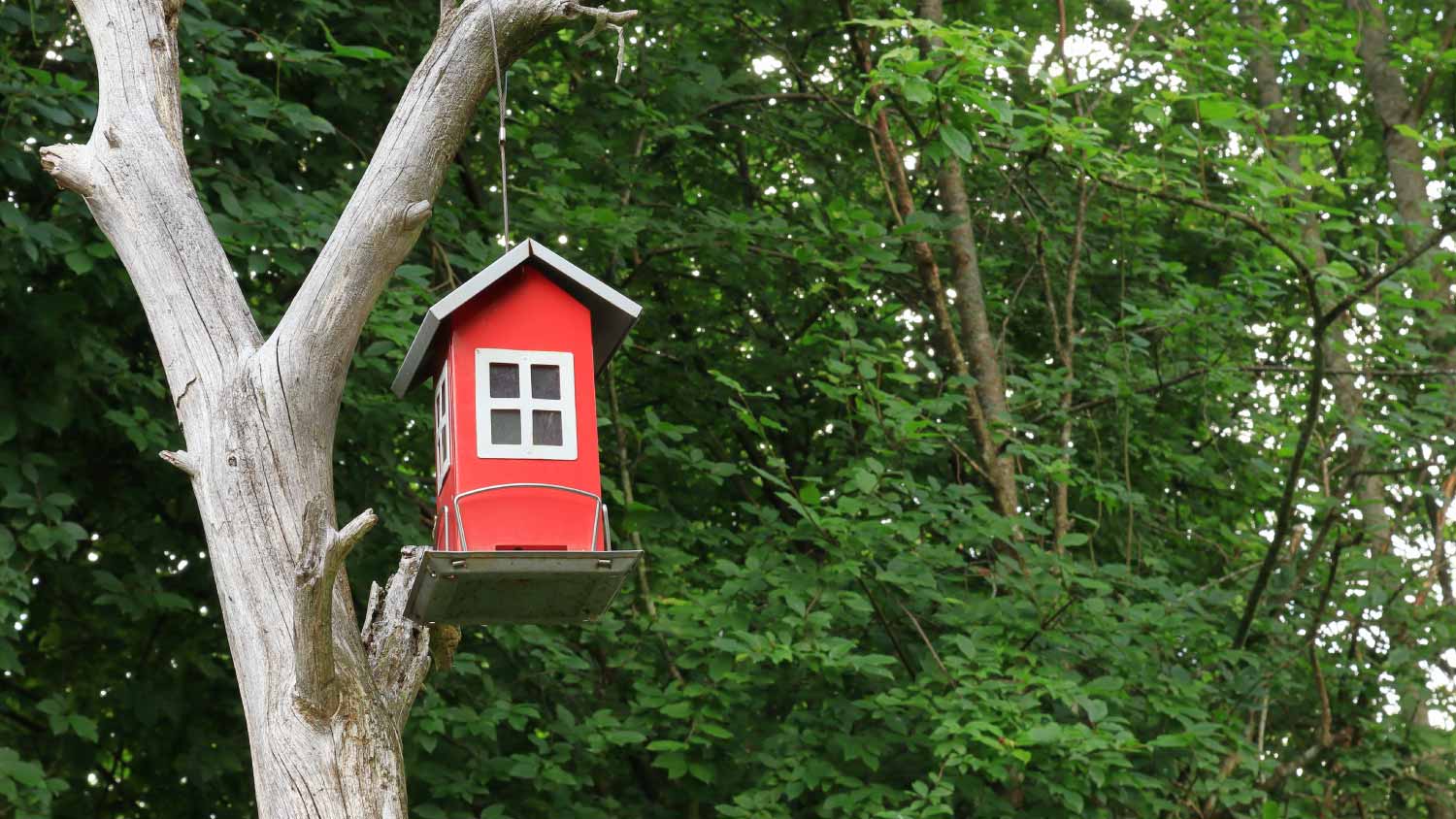
How long can a dead tree remain standing? It depends on a number of factors. Here’s what you need to know about removing a tree.
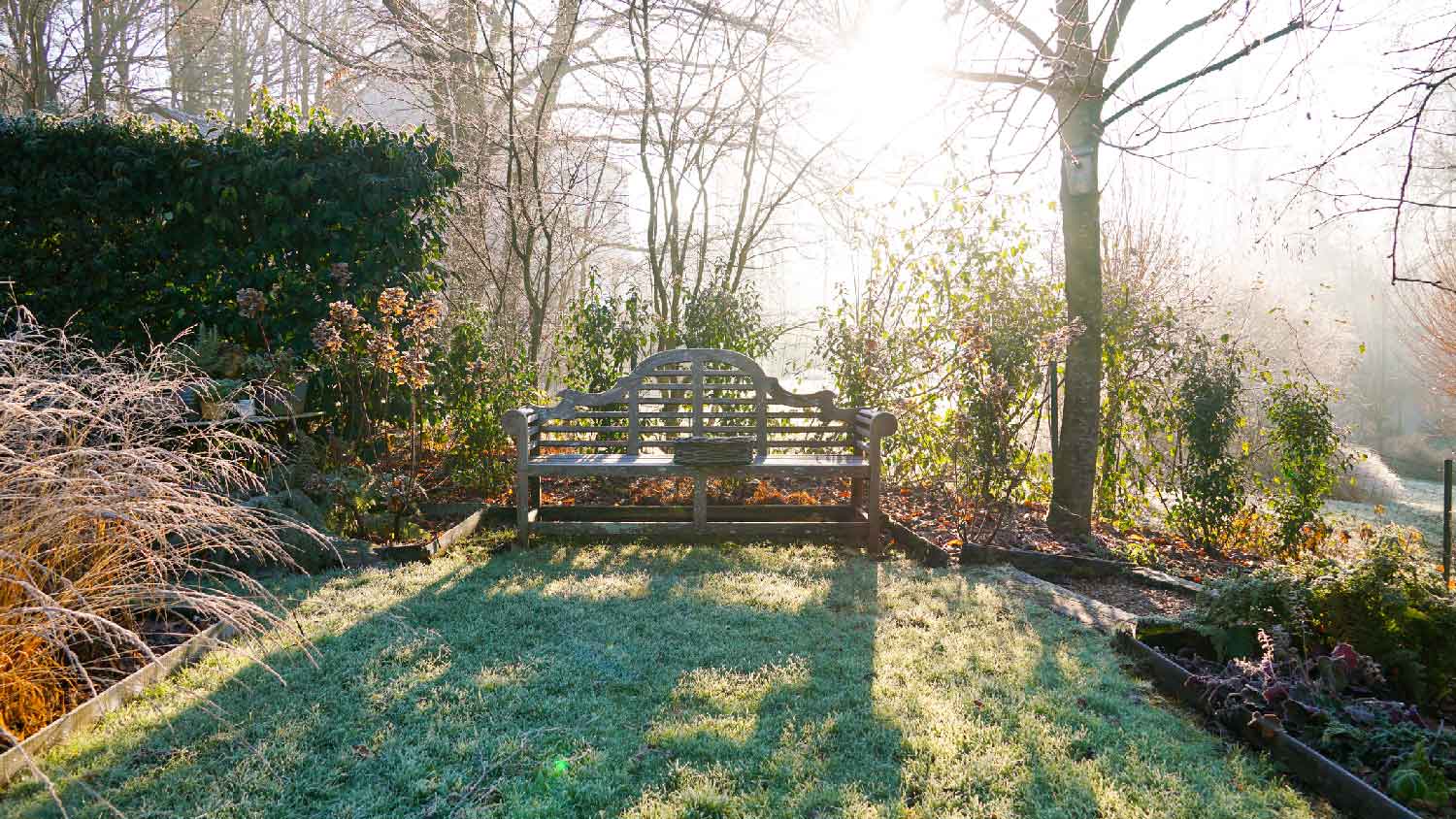
Are you wondering, is my tree dead or dormant? Our tips will teach you how to tell the difference and what to do next.

If your palm tree looks dead, there are several ways to bring it back to life. Our guide will show you what to do with a dead palm tree.
A dead tree is a hazard, but what do you do with one in the backyard? Fortunately, you have options: Here’s everything to do with your dead tree.

A dead or dying tree on your property usually calls for removal. Damaged or diseased trees may be fixable. Find out the signs your tree needs to be removed.