





Top-rated landscapers.

Best landscapers near Aurora, NE

Enter your zip and get matched with up to 5 pros

Need a pro for your landscaping project in Aurora, NE?

Select your specific project to find the pro for you.

Top-Rated Landscapers in Aurora - Updated Nov 2026

Avatar for RMRZ Construction, LLC
RMRZ Construction, LLC
5.0(
3
)
Retaining Wall - Install

Serving Aurora, NE and surrounding areas

Approved

In business since 2018

Free estimates

Warranties offered

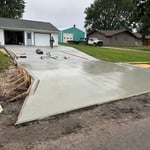
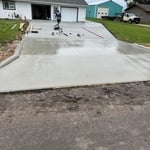
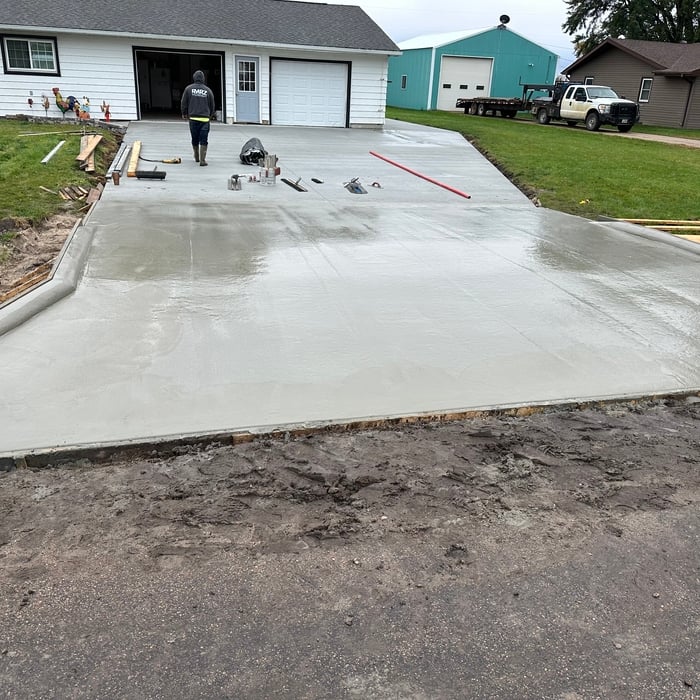
"Angel and his crew have completed 20+ projects for me on my rentals and flips. Best in the business when it comes to any flatwork. He has done my driveways, patios and sidewalks. Easy to work with and competitive pricing!"
Drive way
Drive way
Drive way
Drive way
Drive way

+23

1 neighbors recently requested a quote
Avatar for Ira's Greens
Ira's Greens
5.0(
11
)
Lawn & Yard Waste Clean UpLawn Care - Maintain and Mow a Lawn

Serving Aurora, NE and surrounding areas

In business since 2021

Credit card accepted

Offers commercial services

"A great job of mowing and trimming my yard. At my age, it is not easy for me to keep up with the yard work at the house, so this service is really appreciated. And Ira always takes time to visit and answer questions about the lawn."
Lawn Care
Lawn Care with Mower
Mowed Lawn and Repaired Fence
Landscaping

+4

Response time8 hrs
Recommended by100%of homeowners
...
Showing 1-10 of 61
Landscaping FAQs, answered by experts

How much 4 yards of dirt will cover depends on how deep you want the soil to be. In general, a yard of dirt will cover 324 square feet for a 1-inch depth or 100 square feet for a 3-inch depth. Therefore, you can expect 4 yards to cover between 400 and 1,296 square feet if you keep your soil depth between 1 and 3 inches.

As long as you’re building a greenhouse, consider the overall look of your backyard. Could it benefit from stone walkways or grading? As long as you’re hiring a hardscaping pro to lay the foundation for a greenhouse, you could tackle those other projects to give your whole yard a glow-up at the same time.

As much as you might try to keep a healthy, nutrient-rich lawn, you still may notice signs of St. Augustine decline (SAD)—a viral disease that discolors your grass blades. St. Augustine decline looks like:

  • Discoloration in the leaves (chlorosis)—leaves appear yellow and splotchy

  • Decline in growth

  • Leaves turn black within 3 years

  • Grass appears less vibrant

  • Grass begins to thin

  • Root rot

  • Grass takes longer to recover

Many people have used old tires in gardens as raised beds, planters, tree rings, and DIY decor. However, these uses are not recommended due to the toxicity of many of the chemicals used to manufacture tires. These chemicals can leach into the soil and water as the tire breaks down, creating environmental pollution and health hazards for gardeners and their families.

The best time to plant is between spring and autumn. Springtime weather is typically mild and is when nurseries start to bloom. When the summer weather arrives and it’s hot out, it’s best to avoid planting bare-root plants, but you can still plant many in-container varieties. The first sign of fall is another great opportunity to plant biennials if you live in southern states, or a lovely vegetable garden up north.

The Aurora, NE homeowners’ guide to landscaping services

From average costs to expert advice, get all the answers you need to get your job done.