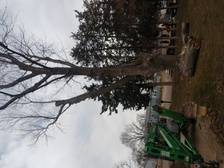
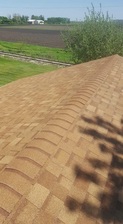
TURBO TREE & LAWN SERVICE LLC proudly serves its customers with pride, integrity and attention to the details that matter most to you. This is one of the many things that sets us apart from the rest. We are locally owned and operated. Give us a call today!\n
First Due Land Solutions LLC is a locally owned and operated land management company based in central Nebraska, proudly serving homeowners, farmers, ranchers, developers, and commercial clients. Built on a foundation of hard work, reliability, and a first responder mindset, we bring the same dedication and urgency to every project big or small.\nWe specialize in a wide range of services including hydroseeding, land clearing, forestry mulching, tree removal, brush and pasture management, site preparation, and property cleanup. Whether it’s reclaiming overgrown land, preparing a site for construction, or improving the health and usability of your property, we have the equipment and expertise to get the job done efficiently and professionally.\nAt First Due Land Solutions LLC, we take pride in delivering high-quality results, honest pricing, and dependable service. Our goal is simple: help you take control of your land and bring your vision to life.
Customer satisfaction is what determines our success, which is why we take a hands-on approach. When interacting with C&D Construction and tree service, you'll notice that we're particularly focused on the principles of quality workmanship, timely completion, competitive pricing and integrity in all our business dealings. We combine knowledge and research with our extensive practical experience to ensure a specialized approach for your project needs. Contact us today for a fair and accurate estimate of your project. We look forward to adding you to our long and growing list of happy customers. \n
We take great pride in our experience, expertise, quality and customer service, that we provide to meet the consumer's needs. It is our mission to provide excellent workmanship, and complete customer satisfaction, from start to completion of a project. In order to understand the needs and expectations of our customers, we take great care to work and communicate, with every customer in a professional manner. Our reputation is based on service, safety and quality, regardless of how large, or small the job. Call us today!
At J and A Handyman and Construction; we pride our company on reliability, great communication, integrity, and quality work. We strongly believe in giving our absolute best in all of our projects no matter how big or small. We look forward to earning your business.\n\nCall us today! We are located in Hastings, Nebraska. Thank you!
With five years of experience, R&B Home Services is committed to excellence in every aspect of our business. We uphold a standard of integrity bound by fairness, honesty, and personal responsibility. Our distinction is the quality of service we bring to our customers. Accurate knowledge of our trade combined with ability is what makes us true professionals. Above all, we are watchful of our customers interests, and make their concerns the basis of our business!
Hometown Haulers LLC, We are committed to excellence in every aspect of our business. We uphold a standard of integrity bound by fairness, honesty and personal responsibility. Our distinction is the quality of service we bring to our customers. Accurate knowledge of our trade combined with ability is what makes us true professionals. Above all, we are watchful of our customers interests, and make their concerns the basis of our business.
We are a locally owned and operated company that values honesty and integrity and treats your home as if it were our own. We offer a variety of cleaning services that are customizable to each individual project. You will find us to be competitively priced, paying close attention to the details of each and every project that we are involved with. We look forward to building lasting relationships and guarantee your satisfaction!
If you’re looking to rot a tree stump fast, potassium nitrate will work far quicker than copper nails. First, drill several holes into the stump using a power drill, then pour potassium nitrate pellets into the holes. Next, add water to help the chemical absorb into the wood, thoroughly soaking the stump to ensure the pellets dissolve and spread evenly. Afterward, cover the stump with a tarp to retain moisture and block sunlight, then place mulch on top to secure it in place.
Full decorating services often provide rental trees for their Christmas packages, so you shouldn’t have any trouble finding one. However, individual interior decorators and others may not offer rented trees, so always check the specifics of their services before booking. Keep in mind that you’ll need to prepare the Christmas tree for pick-up shortly after the holidays.
Generally, no, tree topping isn’t a good technique, and you should avoid using it in most cases. Tree topping may be the only good option to save a tree following severe damage after a storm, but in most other cases, it’s not the right choice. Tree topping can leave trees vulnerable to disease and further damage, and most pros will suggest against it.
Salt, herbicide, light deprivation, boiling water, and burning can all help dissolve a tree stump. You can also bury the tree stump in soil or mulch to help it rot naturally. Killing a tree stump prevents future regrowth, but you may also remove it by digging it out or grinding it.
It's easy to misidentify trees that appear to be maple trees due to similarities in leaf shapes. Sweetgum, sycamore, and yellow poplar all have leaf shapes and appearances similar to maples. The fact that around a dozen maple tree varieties exist, only about half of which are considered common, makes misidentification an often typical occurrence.
The Harvard, NE homeowners’ guide to arboricultural services
From average costs to expert advice, get all the answers you need to get your job done.
How much does an arborist cost? This guide explains the cost of different services, ongoing expenses, and other factors to consider when hiring an arborist.
Arborists are specialized tree care experts. This guide will help you hire an arborist with all the qualifications to give your trees the best care possible.