

Top-rated landscapers.

Get matched with top landscapers in Fargo, ND

Enter your zip and get matched with up to 5 pros

Need a pro for your landscaping project in Fargo, ND?

Select your specific project to find the pro for you.

TRUSTED BY FARGO, ND HOMEOWNERS

  • Average homeowner rating star icon4
    Average homeowner rating
  • Verified reviews icon39
    Verified landscaping services reviews

Find Landscapers in Fargo

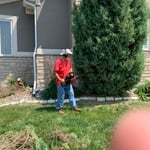
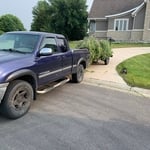
Avatar for Black Sheep Grounds Keeping
Black Sheep Grounds Keeping
4.8(
6
)
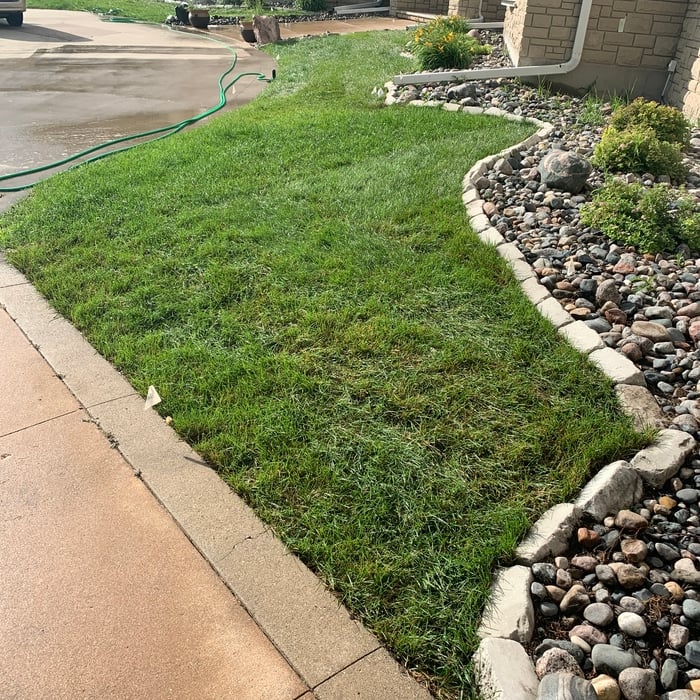
Lawn & Yard Waste Clean Up

Serving Fargo, ND and surrounding areas

Approved

In business since 2014

Free estimates

Emergency services offered

"These fellows are veterans and delightful young men. They are professional and were meticulous in their clean up of my yard. I would hire them again in a heartbeat and will recommend them to my friends!! Excellent and friendly!"
Response time30 mins
Recommended by100%of homeowners
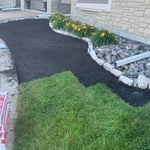
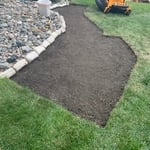
Avatar for Lost Lake Construction
Lost Lake Construction
New to Angi
Landscape - Soil, Sand, Mulch and Rock Delivery

Serving Fargo, ND and surrounding areas

Approved

Warranties offered

Small jobs welcome

Credit card accepted

Lost Lake Construction is a veteran-owned company based in northern Minnesota. I'm Dave Berry — I've spent 20+ years in the trades and run a crew of four, so we handle everything from a single afternoon's work to a full-scale build.\nBig job or small, we do it: junk removal and hauling, landscaping and yard cleanup, brush clearing, kitchen and bath remodels, basement finishing, decks, siding, roofing, concrete, painting, and general handyman work. We also specialize in custom fine finish carpentry, log construction, and standing seam metal roofing — the kind of work most crews around here won't take on.\nI'm a licensed Minnesota Residential Building Contractor (BC809295) and fully insured. You'll deal with me directly, not a call center. Free estimates, straight pricing, and a clean job site when we leave.\nGive me a call and let's talk about what you need done.

...
Showing 1-10 of 96
Landscaping questions, answered by experts

The best time to plant a tree is in the spring, so the roots have time to grow into the surrounding soil before winter sets in. Some people recommend planting in the late fall. However, planting in the spring reduces the stress on the tree, as it will be emerging from dormancy, giving it the full spring and summer ahead to acclimate and put down roots into the soil.

While there are over 400,000 different flowering plants worldwide, there are five main types of flowers. These flower types are based on their lifecycles, giving each type a unique personality. These types are:

  • Annuals, which complete their entire life cycle within a single growing season. 

  • Perennials, which the tops die off in the winter but regrow in spring. 

  • Biennials, which complete their entire life cycle within two years.

  • Hybrids, which exhibit either annual or perennial behaviors depending on location

  • Flowering shrubs, which are small to medium-sized perennial woody plants, such as shrubs or evergreens.

If you want to take your tree-planting hobby beyond your outdoor space, here are a few great ways to do it:

  • Encourage your neighbors to participate in the Arbor Day Foundation’s Tree City USA program, which has a four-step framework that helps communities grow and maintain their own tree cover.

  • Support businesses that plant trees. 

  • Lobby your local government to plant more trees around your community.

  • Donate to a tree-planting charity.

When planting, it's best to leave several feet between a house and a juniper bush. Many juniper varieties will become quite bushy and require space to grow. Juniper branches that come into contact with siding can damage the home's exterior over time. Also, some juniper bushes have aggressive roots that can put pressure on a home's foundation or basement walls. 

A window flower box should be deep enough that there’s room for a wide selection of plants and the required amount of soil and gravel. Standard flower boxes are 8 inches deep and 8 inches from front to back. Larger is better to increase the variety of plants in the box, but you could run into stability issues as it increases in weight.

The Fargo, ND homeowners’ guide to landscaping services

From average costs to expert advice, get all the answers you need to get your job done.