






Top-rated landscapers.

Best landscapers near Wahpeton, ND

Enter your zip and get matched with up to 5 pros

Need a pro for your landscaping project in Wahpeton, ND?

Select your specific project to find the pro for you.

Top-Rated Landscapers in Wahpeton - Updated Nov 2026

Load n Go Removal Services LLC
New to Angi
Landscape - Soil, Sand, Mulch and Rock Delivery

Serving Wahpeton, ND and surrounding areas

Approved

Load n Go Removal Services is your locally owned and operated solution for fast, reliable, and hassle-free junk removal. We believe that clearing out clutter shouldn't be a headache. Whether you're reclaiming your garage, cleaning out an estate, or tackling a commercial cleanout, our professional crew handles the heavy lifting from start to finish. We are deeply committed to our community's environmental footprint, prioritizing eco-friendly disposal methods by recycling and donating usable items whenever possible. Reclaim your space today with transparent pricing, prompt service, and a team you can trust.

13 neighbors recently requested a quote
Showing 1-10 of 36
Landscaping FAQs, answered by experts

The best time to plant is between spring and autumn. Springtime weather is typically mild and is when nurseries start to bloom. When the summer weather arrives and it’s hot out, it’s best to avoid planting bare-root plants, but you can still plant many in-container varieties. The first sign of fall is another great opportunity to plant biennials if you live in southern states, or a lovely vegetable garden up north.

Yes, you can put topsoil over sand to encourage grass growth. The topsoil will help to improve water retention and promote grass roots’ development, making it a recommended step of the seeding process. Adding a layer of topsoil will provide additional nutrients to the sandy soil, helping the grass grow and remain healthy through many seasons.

When planting, it's best to leave several feet between a house and a juniper bush. Many juniper varieties will become quite bushy and require space to grow. Juniper branches that come into contact with siding can damage the home's exterior over time. Also, some juniper bushes have aggressive roots that can put pressure on a home's foundation or basement walls. 

As much as you might try to keep a healthy, nutrient-rich lawn, you still may notice signs of St. Augustine decline (SAD)—a viral disease that discolors your grass blades. St. Augustine decline looks like:

  • Discoloration in the leaves (chlorosis)—leaves appear yellow and splotchy

  • Decline in growth

  • Leaves turn black within 3 years

  • Grass appears less vibrant

  • Grass begins to thin

  • Root rot

  • Grass takes longer to recover

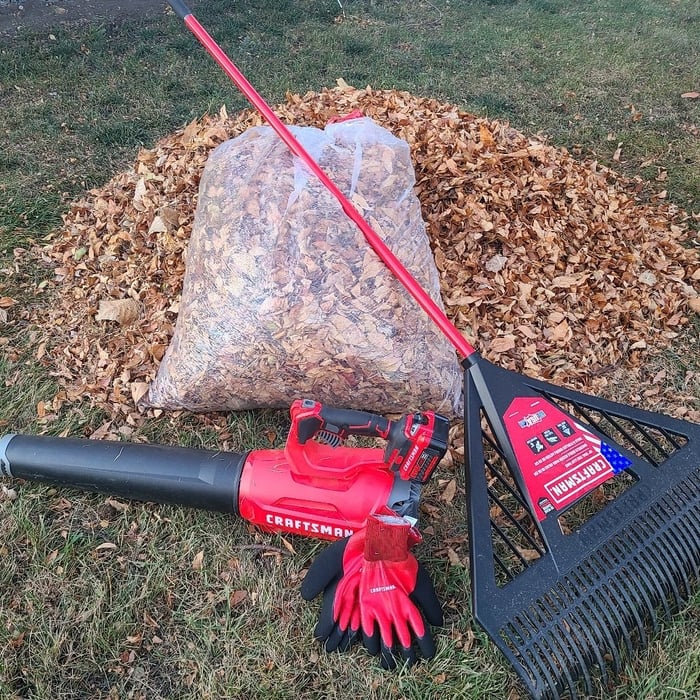
A scattering of leaves won’t pose a problem through the winter, but a thicker layer of leaves may not decompose before the first frost and can instead weigh down your grass and harbor mold or fungi. A thick layer of leaves also cuts off light and air that grass needs to grow. That’s why we suggest removing thick leaf layers within several days if possible. If your lawn goes dormant over the winter and snow has already caught up with you, then remove the leaves in early spring before your grass-growing season starts so your lawn can thrive.

The Wahpeton, ND homeowners’ guide to landscaping services

From average costs to expert advice, get all the answers you need to get your job done.