
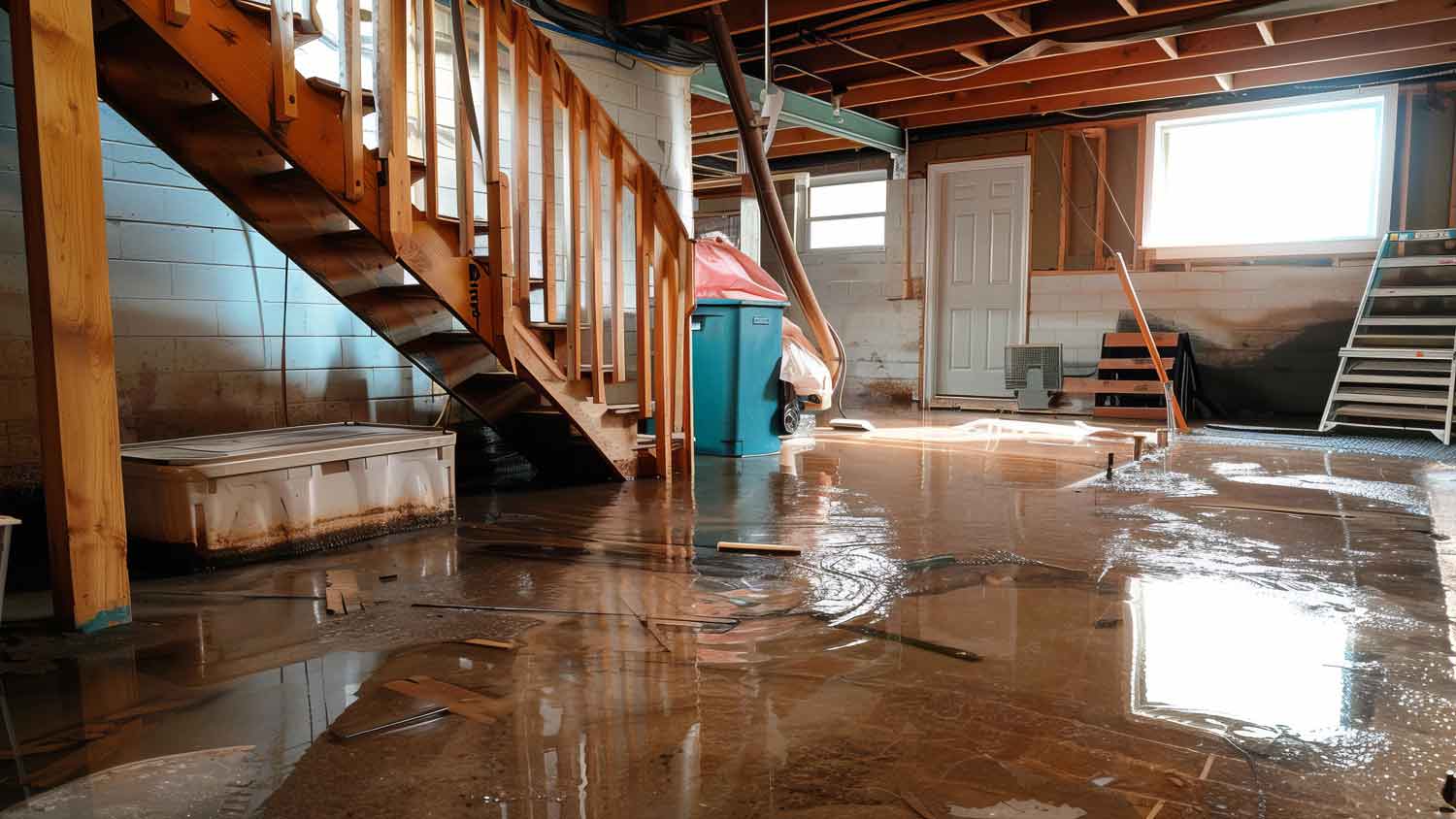
Discover flooded basement cleanup cost estimates, key price factors, and tips to save money. Learn what impacts your total cost and how to budget for cleanup.
Stand up to basement flooding with these nine smart landscaping strategies


Redirecting water away from the house starts with proper yard grading, sloping soil away from your foundation to prevent pooling and basement flooding.
River rock costs a minimum of $500 and provides a practical way to redirect water runoff away from your foundation.
Rain gardens, French drains, and native plants work together to absorb excess water, slow runoff, and protect your home from flooding damage.
Hiring a local landscape grading professional ensures proper water flow away from your home and protects your foundation from flood damage.
Like many homeowners, you likely have concerns about keeping your basement dry. However, not all of the methods involve expensive waterproofing or making changes to your foundation. Get some fresh air and get ready to get your hands dirty with these ideas for using landscaping to keep water away from your house.
A sump pump can keep your basement dry in the event of flooding, so call a sump pump pro to install one. If you already have one, schedule regular professional maintenance and test it monthly so that it’s always in the best condition to keep water away.

A rain garden is a recessed area of your yard that allows water to run off the lawn or walkways and away from your foundation, and it’s a good method for landscaping around your house to prevent water. It’s made with a modified soil mix–a blend of sand, compost, and the existing topsoil to ensure proper drainage and to prevent standing water.
A form of xeriscaping, a rain garden can be planted in the middle of your yard, but generally is placed toward the edge, between the yard and the street. It’s planted with low-maintenance plants to help control erosion and slow the rate at which the water absorbs into the ground. They are also typically filled with native plants, which brings us to our second tip.
Just as important as how you landscape is what you plant. Native plants not only end up being hardier and more drought-tolerant in rain gardens, they also act as a natural barrier to oily residue and street runoff. The plants help filter contaminated water before it leeches into the groundwater below, as they typically have more extensive root systems. Plus, native plants frequently attract beneficial pollinators to your garden, making your garden healthier and more beautiful. Win-win!
Any time water pools and collects you risk drowning your plants or, even worse, fungus growth. Fungus loves to grow in wet areas. If it doesn’t dry it can kill your plants, grass, and the surrounding yard.

When it comes to landscaping tips to prevent basement flooding, and landscaping around your house to prevent water, one of the most fundamental rules is to grade around your foundation. While most homes, in theory, should be built slightly above the landscaping or lawn, we all know years of haphazard DIY-ing or home additions can flatten out the grade. There are two key ways homeowners can landscape to keep that important slope.
Make sure your lawn is graded in the right direction: Before planting seed or rolling out sod, the soil must be adequately graded away from your home. This gradual slope, combined with grass’s natural ability to absorb water, makes an excellent and relatively low-maintenance way to prevent basement flooding. Admittedly, getting that grade just right can be tricky. If you are unsure of your skills or lack the equipment, it’s probably a good idea to seek a professional landscape grading service.
Create a gap between the siding and mulch: If you are planting or reviving a garden right next to the house, be sure to create a barrier between the siding and the area you will plant. Dig a trench that is 6 to 8 inches wide and about 6 inches deep. Fill the trench with rock to prevent water from pooling. The area of the bed where you plant should be a few inches lower than this barrier trench to help maintain water run-off away from the house.

In addition to a barrier along a garden bed, many homes benefit from hardscaped trenches and French drains. A simpler method is to create a dry creek bed in the middle of your yard and fill it with river rock, all sloping away from the house.
Many newer homes have French drains or perimeter drains already installed as part of the landscaping. These trenches run along the edge of the home and under the yard and are lined with tile and rock. They direct the water flow away from your house, usually with PVC pipe, and help lower the water table overall.
Because it involves digging up more than a small area in your yard, installing a drainage system can be complex. If done incorrectly, you could end up increasing standing water near your house, so it may be worth the money to hire a professional.
If you don’t already, this is the year to start regularly inspecting and cleaning your gutters. If gutters fill up with leaves and other debris, they will often spill over, causing water to pool directly along the foundation. If getting to your gutters yourself is a problem (or it just sounds like a terrible way to spend a Saturday), it may be worth it to pay someone to get the job done. Typically, gutter cleaning costs around $200 for an average-sized house.
“Investing in gutter guard screens is an option too,” says Tara Dudley, Angi Expert Review Board member and owner of Plant Life Designs. “This will prevent leaves and sticks from getting into your gutters and clogging them up.”
It’s not unusual for a home’s downspouts to get pushed out of place. If not properly directed, water will pool too close to the foundation. Check downspouts regularly and reposition as needed. It’s also a good idea to have a drainage area where the downspouts flow, filled with gravel or river rock, to help slow the water absorption into the ground. Rain chains have become increasingly popular as attractive substitutes for downspouts. These chains direct the flow of water into rain barrels or even small ponds.
Downspouts (or rain chains) can also channel H2O into rain barrels. Not only do the barrels help prevent water from seeping into the foundation, but they also have the added bonus of allowing you to water parts of your garden or lawn on drier days without turning on the hose. In climates that get heavy rain, the barrels need to be emptied more often, but that shouldn’t deter you from this method of landscaping around your house to prevent water.
“If rain barrels are not emptied often in rainy seasons, the barrel system itself has the potential of allowing water into your basement,” says Dudley.
Most rain barrels have a spigot, so you can simply hook up a hose to divert the water away from your house.
With a bit of planning and some sweat equity, you’ll have a landscaped yard that is not only beautiful but also key to preventing excess water from getting into your house.
Using water-absorbing materials, such as mulch or rocks, is another way to prevent flooding via landscaping.
Because mulch is absorbent, adding a thick layer of at least 3 to 4 inches around your home will keep your soil in place and absorb rainwater before it can get through to flood your home. The cost of mulch might just be worth it for its aesthetic value and damage prevention.
River rock is another option to try when landscaping to prevent flooding. Because river rock can be fairly large, it can redirect water runoff so it doesn’t pool near the edge of your foundation. The cost of river rock comes in at a minimum of $500, which isn’t too bad considering the payoff.

Retaining walls are high, rigid walls built to hold the soil behind it and restrain it from its natural slope, and control water runoff from higher ground. Retaining walls are useful for preventing flooding if you live in a hilly or mountainous area, or have large expanses of land surrounding your home. Retaining walls provide clear benefits both in terms of protecting your home and adding aesthetic appeal.
You can build small retaining walls on your own, but if you need something more significant, you may want to get a cost estimate for building a retaining wall from a landscaper near you.
Custom Paint Jobs LLC made our home feel like a piece of art. Thank you for your creativity!
 Custom Paint Jobs, LLC
Window Depot did an amazing job on my deck. I wasnt sure what I wanted to do, but their composite decking was affordable and will last a long time. I am excited to have family over, and I am no longer embarrassed by my backyard. Jeff and the ground crew were polite, respectful, and caring for...
 Window Depot USA of Central Ohio
First of all, the gentleman I dealt with (Cam?) was very responsive to my many questions and concerns throughout the project, which is a huge plus to me. From the first time I met him for the estimate all the way til the completion of the job, he and his crew were professional and respectful....
 All Star Paving and Sealing
We had a 20+ year old landscape lighting system that needed replacement. Midwest Lightscapes worked with us to design a much improved lighting system, lighting the exterior of the house and the back yard. Installation of the 45 light system took one and one-half days, and went very smoothly....
 Midwest Lightscapes
Another great success for me on home advisor. This company did an awesome job on my landscaping and stayed within my budget. The best part, the work was complete within 2 days of my initial request. Professional and responsive. I highly recommend!
 Blue Ring Residential Services, LLC
The company no showed on me twice. The 2nd time was no call no show. They were responsive to set up the first appointment to perform the "landscape cleanup". 3 hours after their initial scheduled appointment time they called me to let me know they had some "problem" with the truck and their...
 Ruby Home and Hauling Services
Received ideas for future landscape plans...quote to do the work seemed a bit high but I did not have any other quotes to compare it to, so perhaps that is the going rates. <br />
 Landscapes By Terra, Inc
All around they have done a really great job. <br /> I have used JL Landscapes for the past 8 years. I own and operate my own commercial/residential real estate company where we own, operate, and maintain our own properties. JL Landscapes has been our exclusive landscaper for both our...
 J.L. Landscapes
Bought a half a cord of firewood from Pitzer with stacking last month. I waited to report so I could see how the wood burned. <br /> <br /> I have three pet peeves regarding landscapers, but Pitzer scored "A"s regarding all three. First, rather than having customers "leave a message" and...
 Pitzer Landscaping
I left a message on Sunday requesting to schedule a time to obtain an estimate/walk-through and received a return call in the morning of the following Monday. Mark worked with me and agreed to schedule the estimate/walk-through for the following Saturday. When Mark arrived for the...
From average costs to expert advice, get all the answers you need to get your job done.
Discover flooded basement cleanup cost estimates, key price factors, and tips to save money. Learn what impacts your total cost and how to budget for cleanup.

When your basement floods, you need to get your home clean, dry, and safe again. Learn what you need to do and who to call for help

Taking protective measures and reacting calmly and quickly are the best ways to reduce water damage and avoid electrical hazards in flooded basements.

Wondering how you can make a flood-proof house? We’ve got 10 essential tips to prepare and protect you in case of flooding following severe weather.

Poor drainage is a surprisingly common problem in home gardens, and, with storms on the rise, considering backyard flooding solutions is a sensible precaution.
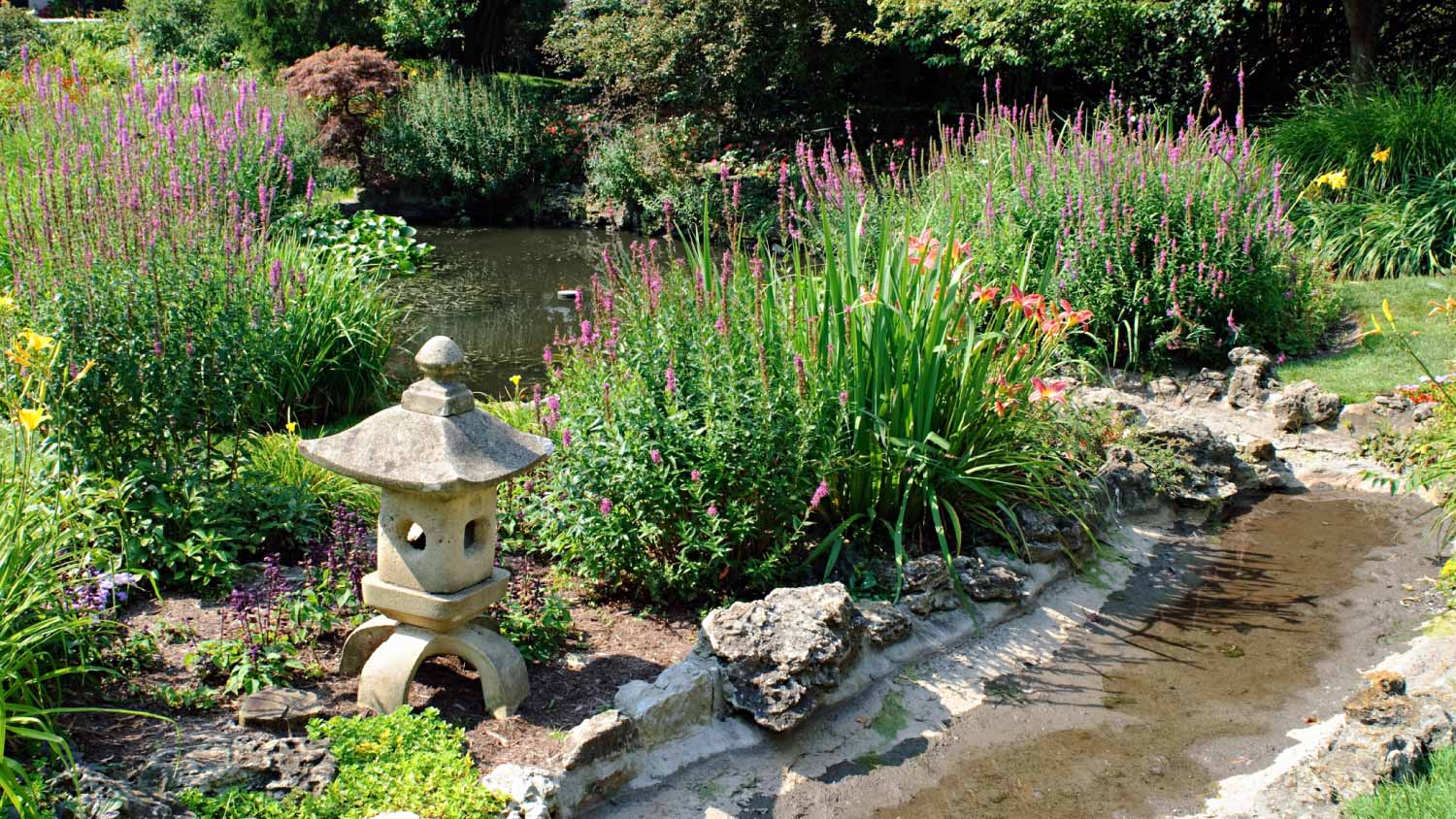
Proper drainage is key to avoiding flooding in your lawn and garden. Check out these 13 unique yard drainage ideas to keep your lawn healthy.