


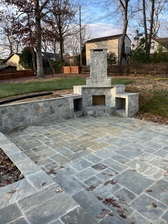


Top-rated fire pit installation pros.

Get matched with top fire pit installation pros in Raleigh, NC

Enter your zip and get matched with up to 5 pros

Need a pro for your fire pit installation project in Raleigh, NC?

Select your specific project to find the pro for you.

TRUSTED BY RALEIGH, NC HOMEOWNERS

  • Average homeowner rating star icon4.5
    Average homeowner rating
  • Verified reviews icon1.1k+
    Verified fire pit installation services reviews

Find Fire pit installation pros in Raleigh

No results for Fire pit installation pro in

Try adjusting your search criteria.
Fire Pit Installation questions, answered by experts

The NFPA model codes and International Residential Code (IRC) mandate that all new one- and two-family homes have fire sprinkler systems. However, all municipalities are different. The best way to determine if your municipality requires fire sprinklers is to contact your state fire marshal’s office. One reason to install a fire sprinkler system is that it’s the first line of defense in putting out a fire and alerting your family of emergencies.

In addition to flashing, a roof cricket can help divert water around your chimney so that it drains properly off your roof. It’s shaped like a double triangle and is installed behind the chimney so that falling water spills evenly down each side. This helps prevent water from accumulating behind your chimney, which can increase water damage and the risk of leaks. 

The International Building Code (IBC) requires cricket installation if a chimney built after 2012 measures over 30 inches in width. Chimneys constructed before that date are typically grandfathered in and aren’t required to have crickets installed.

Chimney caps are necessary both from a building safety standpoint in most municipalities and to keep your home protected from a variety of issues. Chimney caps are not only mandated by building code in most areas, but they also serve to keep squirrels, raccoons, and other pests out of your home, as well as snow and rain. Therefore, they help to avoid property damage, making them a worthwhile investment.

Start by checking the top or side edge of the door. Look for a certification label or metal tag stamped with details like the fire rating and information on the manufacturer. Even if it’s painted over, the tag should still be visible. Next, look along the edges for slim intumescent strips. They’re designed to swell up and seal gaps when exposed to heat. Finally, check if the door closes itself. Most fire doors have a self-closing mechanism, like an overhead closer or spring hinges. If none of these are obvious, contact a fire safety professional to help verify your door. 

You should never block both the top and bottom of your chimney. Proper airflow is essential because the temperature inside the chimney will still fluctuate as your house warms and cools. Moisture can build up without ventilation, leading to dampness in your walls over time. Blocking the top prevents debris and animals from entering, but the chimney still needs air circulation to avoid condensation issues. Allowing the chimney to breathe maintains the health of your home and prevents long-term damage.

The Raleigh, NC homeowners’ guide to fire pit installation services

From average costs to expert advice, get all the answers you need to get your job done.