
Learn the four classes of water damage, how to identify your class, and when to handle cleanup yourself or call a restoration pro to protect your home.
Is it clean, gray, or black water?

Understanding the three categories of water damage helps you respond correctly, as Category 1 clean water needs only drying while Category 3 black water requires professional disinfection.
Emergency plumber costs range from $150 to $300 per hour for sewage backups, making quick action important to protect your health and control expenses.
Address any water damage within 24 hours to prevent clean water from becoming contaminated, which can turn a simple cleanup into a costly restoration project.
Hiring a local plumbing professional provides expert help with sewage backups and drainage issues, keeping your home safe from toxic black water contamination.
Water damage can be detrimental to your home. There are three categories of water damage: clean water (Category 1), gray water (Category 2), and black water (Category 3). The categories and colors are defined by level of contamination, with Category 1 being harmless to human bodies and Category 3 being unsanitary.

| Categories | Definition | Restoration Method |
|---|---|---|
| Category 1: Clean Water | Sanitary water that does not pose any threat to the human body, such as melted snow water or tap water. | Dry and salvage |
| Category 2: Gray Water | Contaminated water is unsafe for direct human contact or consumption, such as dishwasher overflow. | Requires disinfection |
| Category 3: Black Water | Toxic and unsanitary water poses severe threats to bodily health, such as sewage water. | Replacement of affected walls and floors, full disinfection before restoration |
It’s essential to detect water damage promptly, so it’s important you know what to look for. The most common signs that indicate you have a moisture problem are rotting, buckling, or peeling surfaces, which show up in 31% of cases. Damp or wet areas, stains or discoloration, and odors are also common indicators.
The first water damage category is Category 1, “clean water.” Clean water is water that is toxin-free and safe for the human body. Some examples of clean water damage include:
A leaking water supply line
Leaking water tanks or toilet tanks
Rain
Melted ice/snow
Bathtub overflow
In most cases, clean water damage is visible: you will see water overflowing from the tap. If a supply line wall is leaking behind it, you may notice paint peeling, stains on the wall and ceiling, or a musty smell.
Clean water damage also often occurs in the basement or around your foundation, as standing water can damage the concrete. Signs of water damage in the basement include fissure lines and surface cracks, discoloration, visible wet spots, and signs of mold growth.
The first thing you should do to mitigate water damage is immediately stop the water source if you can. Remove all the standing water you can see with towels or pumps and dry the affected areas with fans and dehumidifiers. At this point, you'll likely need to call a professional water damage restoration company to fully restore your home.

Category 1 water damage is usually minor and easy to spot, although sometimes it can happen repeatedly and lead to more serious problems. For example, standing water around your foundation from rainwater gathering or snow melting can damage the concrete and compromise its strength, causing cracks, sloping, and even crumbling.
Category 1 water damage can be restored simply with drying. Since the water does not threaten human health, no additional sanitation or disinfection method is needed. You can easily do this by yourself unless the water damage affects a large area and requires professional tools to ensure thorough drying.

Gray water stands for water with significant contamination. This is the equivalent of what is generally considered “dirty water.”
Examples of gray water include:
Dishwater discharge
Washing machine overflow
Hydrostatic pressure seepage
Broken toilets
Broken sump pumps.
Direct exposure to Category 2 water damage caused by gray water may pose certain health concerns, and consumption of gray water can lead to sickness. Category 2 water damage is also the most common category of water damage that happens in one’s home.
Gray water damage, such as an appliance overflow, is usually visible. For any damage happening behind the walls or floors, look for buckling floors or bubbling ceilings on the floor below, water stains, and traces of mold.
Category 2 water damage is dangerous for human health. If not disinfected, the microorganisms and contaminants in the water can make you sick. If the damage happened in an area with highly absorbent materials, replacing the carpets and cushions may be a better option.
There are two parts to handling Category 2 water damage: repairing the appliance that went wrong and restoring the damage. Address the water damage first, then contact a repair person to fix or replace the broken appliance.
Category 3 water damage is caused by black water, or water that is highly contaminated and eminently dangerous to human health. In most cases, your sewage water is the cause behind Category 3 water damage.
The first sign of black water damage is the odor. Since black water is highly contaminated sewage water, you will immediately notice a stench in the house if a leak or backup has happened.
Category 3 water damage is the most harmful and hazardous category and must be taken seriously.
Category 3 water damage is highly toxic and dangerous and should only be handled by professionals. Hire a plumber to address any sewage backup and pipeline issues. While an emergency plumber can cost from $150 to $300 per hour, it is crucial to remove black water and address the drainage issue as soon as possible to protect your health. The plumber will usually clean up any standing water for you.
Once the plumbing issue is addressed, hire a water damage restoration company to complete disinfection and repair. Depending on the scope of the damage, your pro might need to remove sections of walls, lino, tiles, or flooring affected by the water.
It is important to address water damage as soon as possible because Category 1 water damage can deteriorate into Category 2 and 3 if left untreated. For example, water standing for more than 24 hours becomes contaminated with microorganisms. Clean water may also come into contact with gray or black water if left unattended.
The first thing to do after water damage is to contact your insurance policyholder. Generally, your home insurance policy will cover sudden, unexpected water damage from inside the house but not flooding or damage caused by negligence or lack of maintenance.
Also, in the case of Category 2 water damage, the appliance that caused the problem is not covered by your insurance policy. Instead, any appliances would be covered by your home warranty.

Choosing the right water damage restoration company is crucial to getting the job done right without breaking the bank. Below are a few questions to ask your pro before signing an agreement:
Do you have experience communicating with the insurance company on the homeowner’s behalf?
Do you charge an inspection fee?
Are you licensed and insured?
Can you give me a ballpark estimate?
How long will the job take?
Can you provide past referrals or testimonials for similar projects?
Category 1 water damage is often treatable by yourself unless it's structurally related. All you need to do is make sure everything affected by the water dries completely. In some cases, you can also take care of Category 2 water damage, mainly Class 2 damage yourself, with store-sold disinfectant and laundry detergent.
Category 3 water damage and anything that affects your floors, walls, and ceilings should always be handled by a professional. Depending on when you discover the water damage, you may also need to hire a mold restoration specialist.
There are a few things you can do to prevent water damage, including:
Regular maintenance on all appliances using water, including connecting pipelines.
Insulate outdoor pipes to avoid freezing and fracture.
Look for root growth in your pipes and address the issue early.
Clean your gutters regularly.
Consider installing leak detectors or water sensors.
You can also waterproof your cement basement, install vapor barriers, or install a French drain around the foundation to further prevent flooding and standing water from forming.
If you’re good people wanting to do business with good people, hire Matt. He is a consummate professional and utterly competent. He installed a water heater in my home at a price that beat competitors by hundreds of dollars with a promise to support the unit for its life (even after its 6 yr...
 Greene's Plumbing Services
Corey Carr was great. I had damage from a recent storm and needed to have my mast and other components replaced. The project entailed coordinating with AEP, and Corey helped make a stressful situation a lot less stressful. I really appreciated his dedication to service and the job very well done.
 Mr. Electric of Columbus
This service was great. My air conditioner went out during the heat spell that we had. My husband has health issues and they came out that night and at 9:30pm the air conditioner was fixed and running. We are sooo very thankful, this is the company I will be using from now on and would...
 Mr. Mechanical Ohio
Positive experience. As previously stated, the replacement/repair could not be completed (no fault of the plumbing tech) b/c misinformation was rec?d by property management maintenance. Thanks to the plumbing tech for your efforts. Appreciate you!
 The Waterworks
Carpet repair done well. Scheduling was easy. Showed up on time.
 BR Flooring Installation
As usual with ECO, tech Jordan was outstanding, very professional, very knowledgeable, and very thorough with repairs made to tankless water heaters. Very highly recommend ECO!!!
 Eco Plumbers, Electricians, and HVAC Technicians
I would recommend this company to anyone! He showed up on time, was friendly, completed a very difficult repair on our dryer vent cover, was responsive, and pricing was extremely fair and competitive. I would have him back to do any of our repairs or cleanings without hesitation!
 U.S.A. Dryer Vent, LLC
Everything from initial contact to completion was absolutely top notch. We contacted the business during off hours to leave a message, and the owner still reached out to feel out the issue within minutes. We were scheduled and repaired within 48 hours. I cannot say enough about the...
 Supreme brick & chimney
Ace Fireplace Services came to the rescue for my chimney repair. They were quick to pinpoint the issue and worked their magic to fix it. My chimney is now in excellent shape, and I'm a satisfied customer.
 Ace Fireplace Services
When we had the winter freeze, I called Quantum Waterworks Waterline & Drain Cleaning Services and within 1 hour I received an e-mail and he sent someone out the next day and he was on time, he was nice and did the job quickly and cleaned up after himself. We had a leak in our kitchen from...
 Quantum Waterworks Waterline & Drain Cleaning Services, LLC
From average costs to expert advice, get all the answers you need to get your job done.
Learn the four classes of water damage, how to identify your class, and when to handle cleanup yourself or call a restoration pro to protect your home.
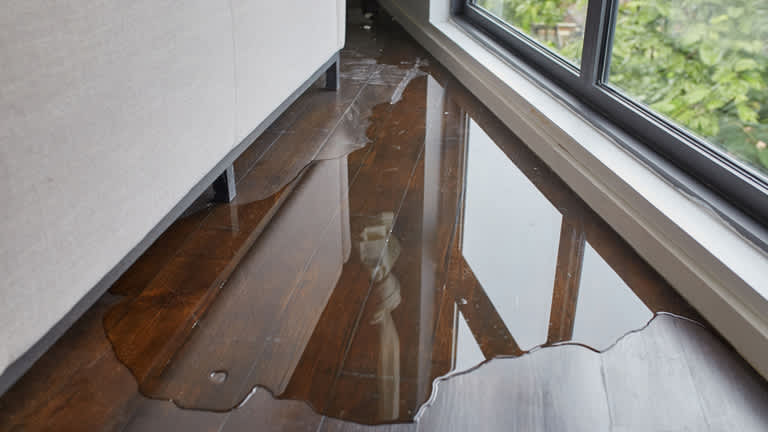
Most homeowners don’t know how to deal with water damage. Use this guide to take the proper steps to minimize damage and keep your family and home safe.
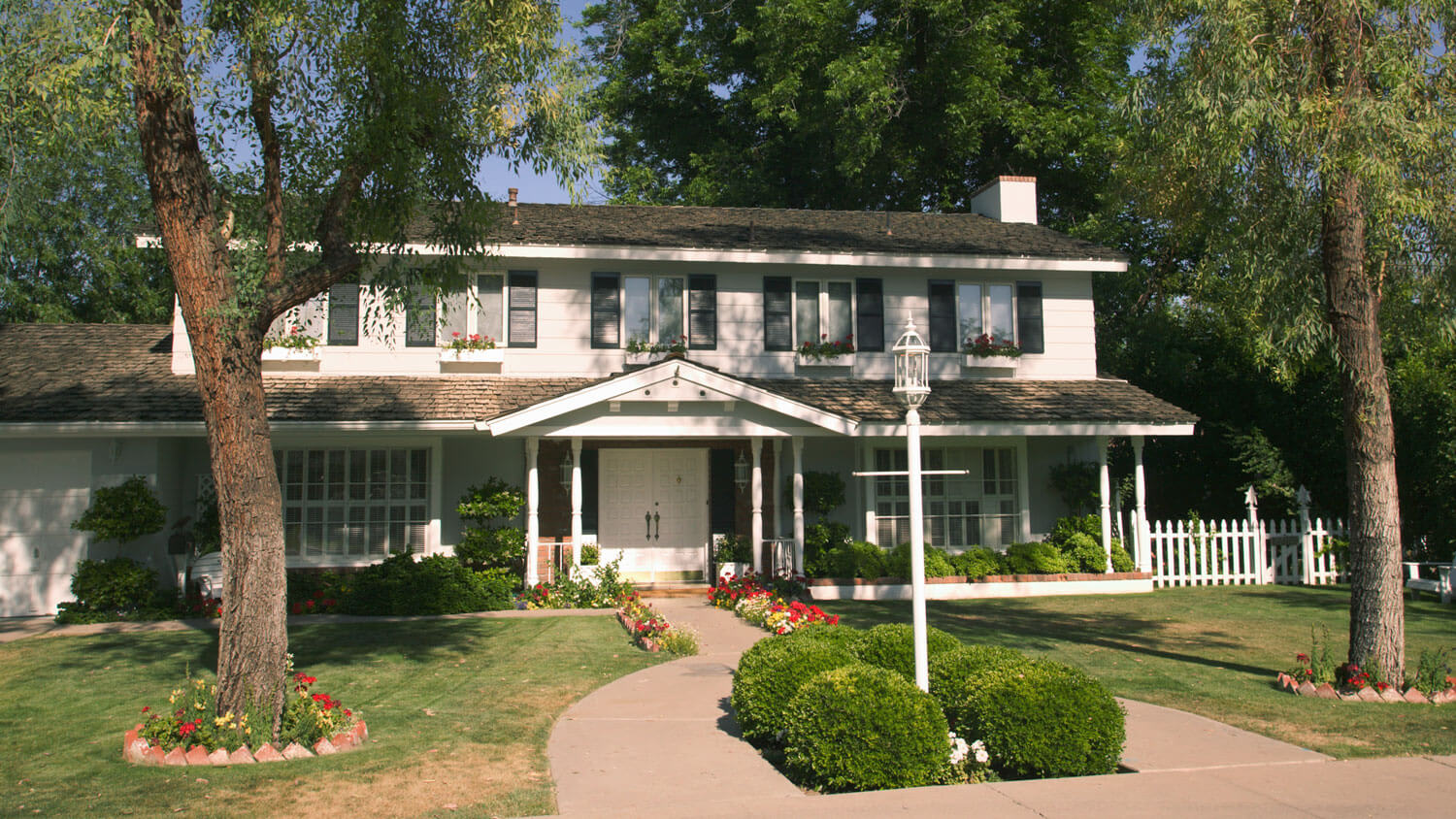
Has your area been affected by flooding? Use this water damage restoration checklist to help save your home and protect your belongings.
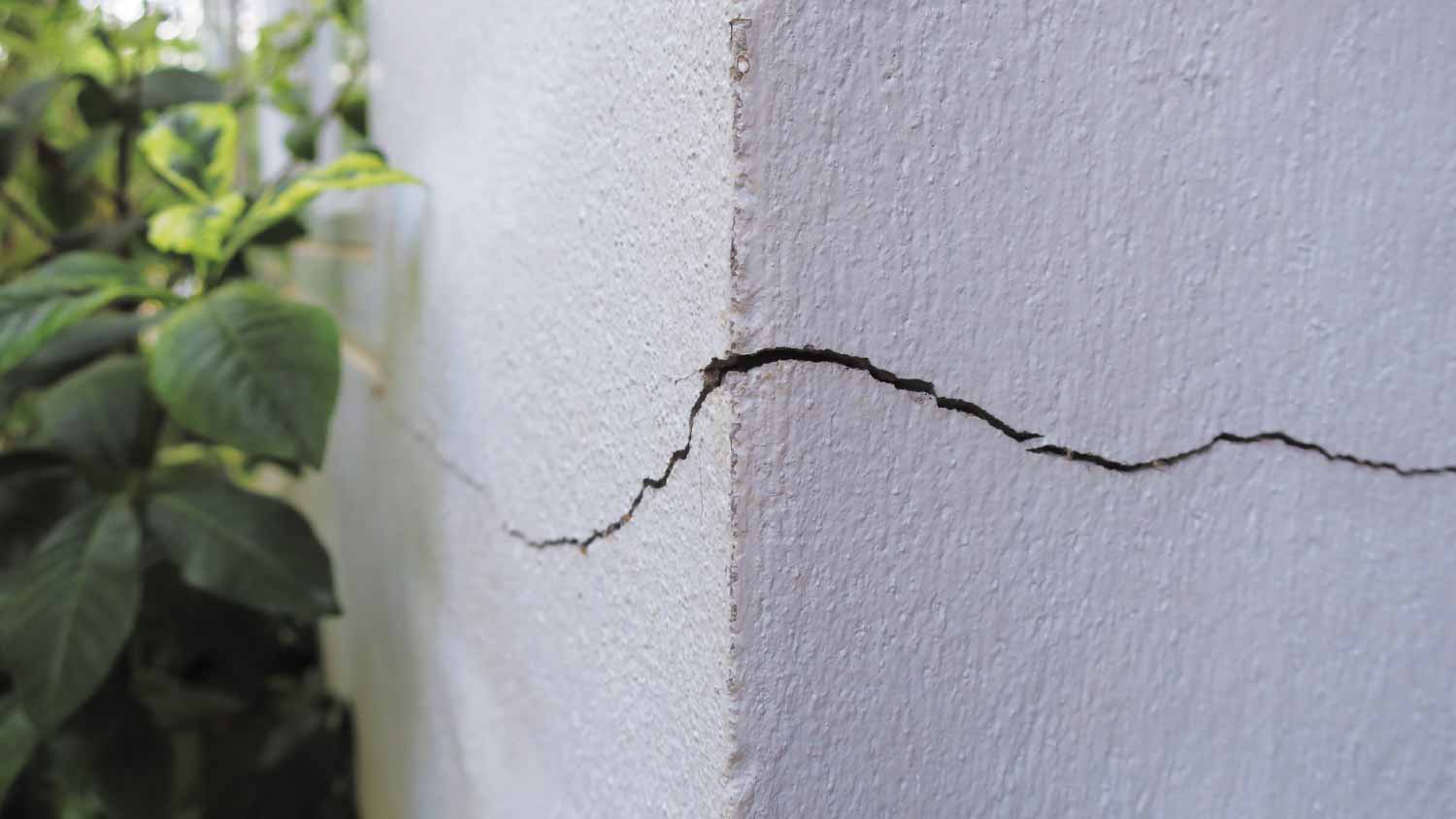
This article covers everything you need to know about water damaged concrete, including causes, DIY fixes, repair costs, when to replace it fully, and maintenance tips.
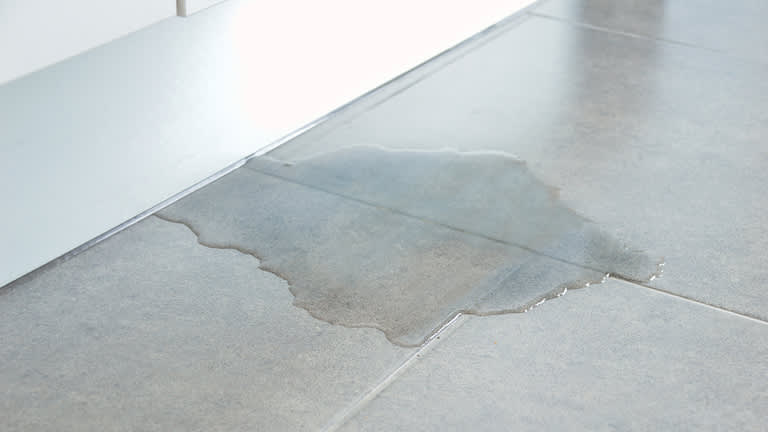
Restoring water damage can be a complicated process. Use these 12 water damage restoration tips to do the job right.
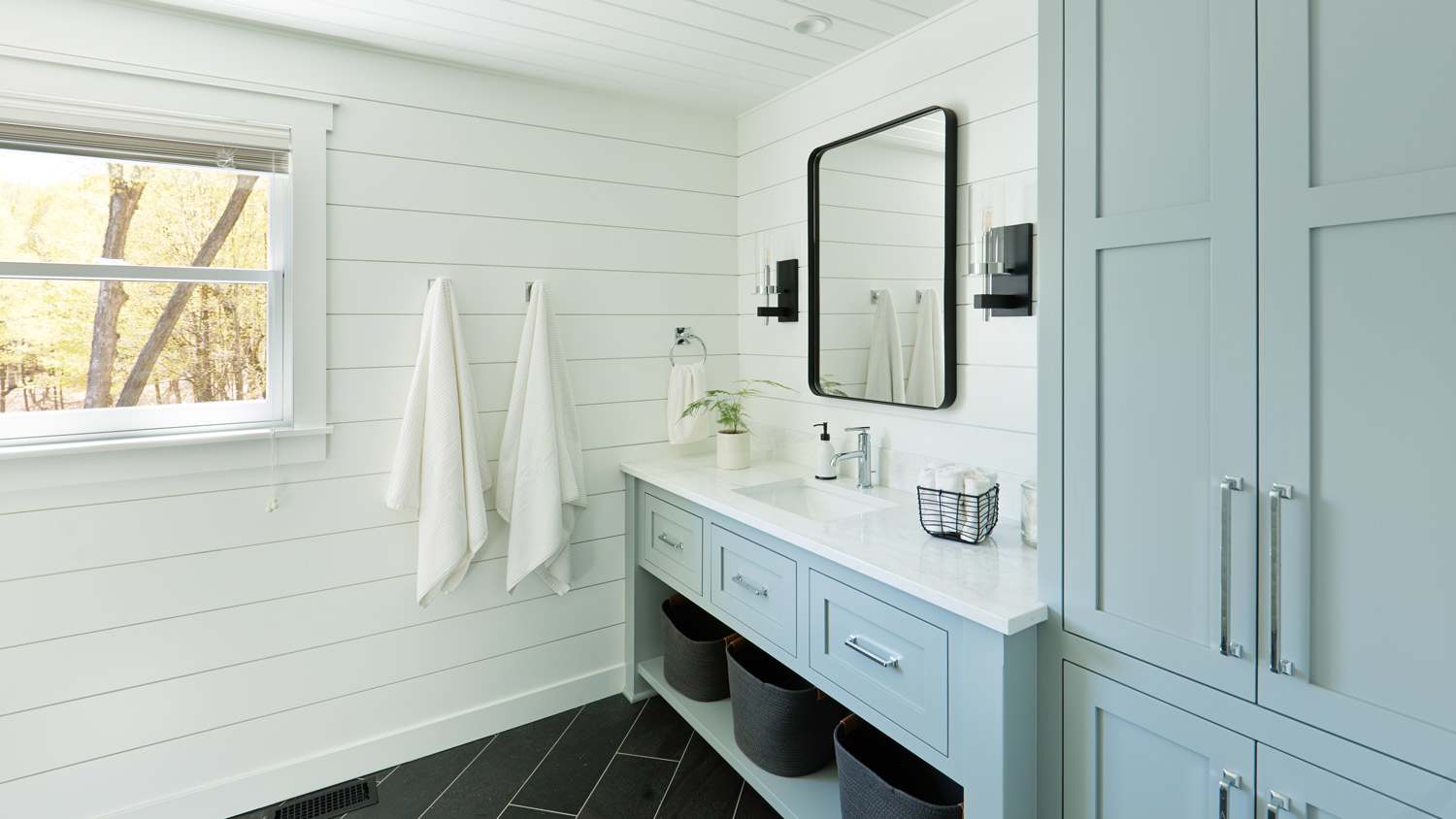
Major leaks can cause irreparable bathroom vanity damage, but some water damage can be rectifiable. Whether it's peeling paint or veneer, warped or sagging panels, learn some techniques for repairing a water-damaged bathroom vanity.