




Top-rated septic tank pros.

Get matched with top septic tank pros in Marshall, IL

Enter your zip and get matched with up to 5 pros

Need a pro for your septic tank service project in Marshall, IL?

Select your specific project to find the pro for you.

Find Septic tank pros in Marshall

Avatar for Crowley Excavation and Demolition LLC
Crowley Excavation and Demolition LLC
5.0(
3
)
Septic System - Install or ReplaceSeptic System - Install or Replace - For BusinessSeptic System - Repair+3 more

Serving Marshall, IL and surrounding areas

In business since 2021

Free estimates

Emergency services offered

Over 15 years experience, affordable and professional. We perform excavation and demolition of any kind. Water lines, sewer lines, building and debris removal. We also purchase carbon offsets for our operations to help reduce our impact and do so at our own cost, we never pass it on to our customers because we see it as our responsibility.

Additional Photos
Additional Photos
Recommended by100%of homeowners
Rigg Excavating And Rural Septic Systems, Inc.
New to Angi
Septic System - Install or ReplaceSeptic System - Install or Replace - For BusinessSeptic System - Repair+3 more

Serving Marshall, IL and surrounding areas

In business since 1980

Free estimates

Offers commercial services

We take great pride in our experience, expertise, quality, and customer service that we provide to meet the consumer's needs. It is our mission to provide excellent workmanship and complete customer satisfaction from start to completion of a project. In order to understand the needs and expectations of our customers, we take great care to work and communicate with every customer in a professional manner. Our reputation is based on service, safety, and quality, regardless of how large or small the job.

Septic Tanks questions, answered by experts

Deciding between an engineered septic system and a conventional one depends on property size, soil quality, local regulations, and environmental factors. If your property has limited space, poor soil, or is close to sensitive environmental features, an engineered system may be required. Professional site evaluations, considering water usage, long-term plans, and budget constraints, can help determine the appropriate choice. Consulting with a septic system professional is crucial for ensuring compliance with regulations and selecting the best system for your property's unique needs.

The best solar-panel mounting system will depend on your property layout, but you’ll typically want to try for south-facing panels to get the most sun. Roof mounting and wall mounting are both popular, but if your well setup is far away from buildings and other structures you can also set up a freestanding aluminum frame to mount your panels.

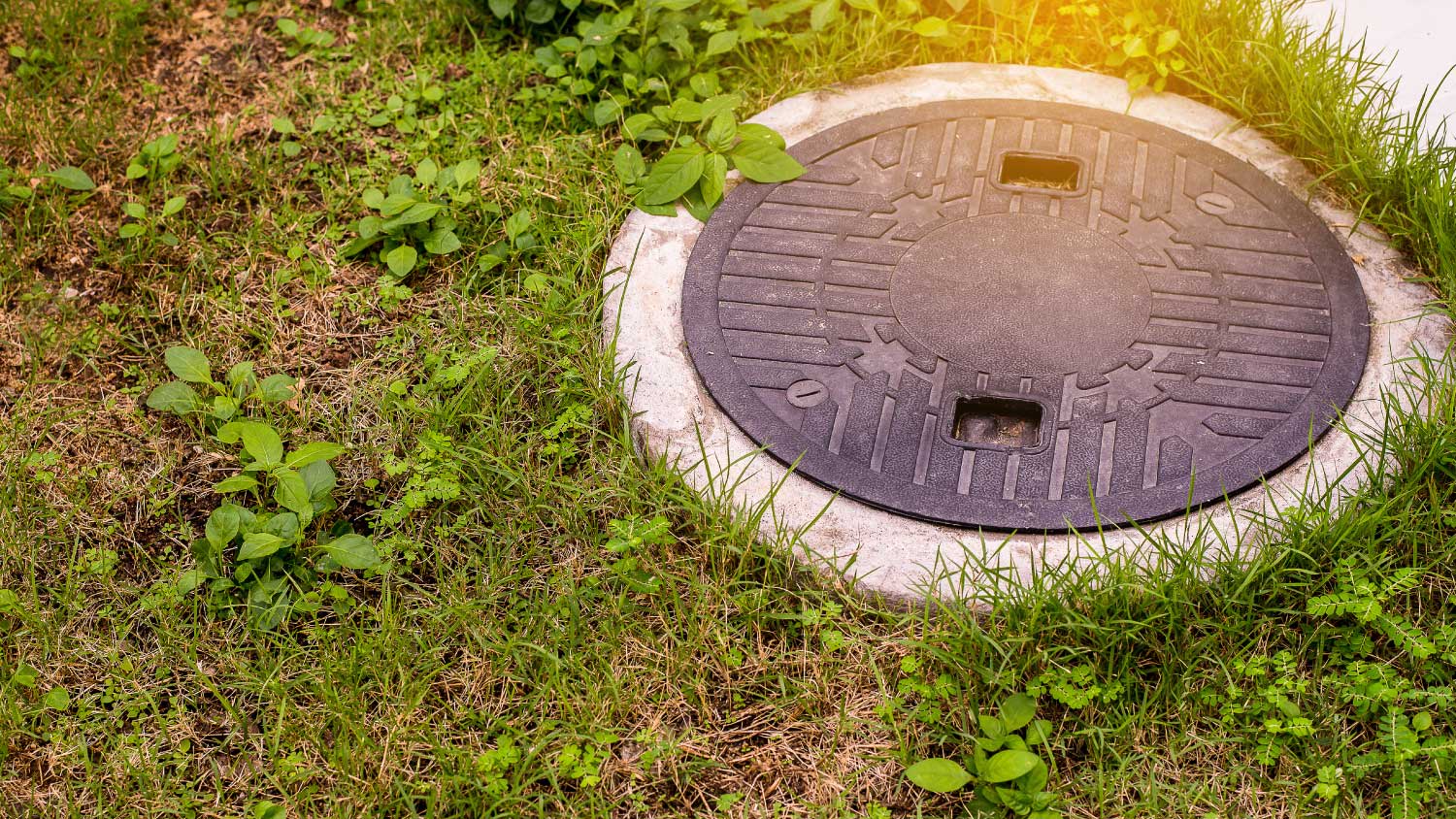
Common signs that a septic tank is full include plumbing issues, odors, and changes in your yard. You may notice wastewater or sewage backing up into your home's drains, or that sinks, tubs, and toilets are draining slowly. Gurgling or bubbling sounds from the pipes are also a key indicator. Outside, you might smell foul sewage odors around your house or the septic tank area. Look for pooling water, spongy soil, or a marshy environment around the drain field. Another tell-tale sign is a patch of grass over the septic system that is suddenly lusher and greener than the rest of your lawn. If you notice any of these signs, you should contact a septic professional for an inspection and pumping.

A septic system can fail for various reasons, and most commonly, excessive water use or sudden surges in wastewater can overwhelm the system's capacity. Neglecting regular maintenance, like tank pumping and inspections, can also lead to clogs, leaks, and eventual breakdowns. Other issues that lead to failure include age-related wear and tear, root infiltration, improper disposal of non-biodegradable materials or chemicals into the system, unsuitable soil conditions, physical damage, and even environmental factors like flooding or soil erosion.

The pressure in a well pressure tank should be set 2 to 3 PSI below the pump's cut-on pressure. The cut-on pressure is the lower number in the pressure setting (e.g., the '30' in 30/50 PSI) and is the point at which the pump starts. The cut-out pressure is the higher number, where the pump stops.

For example:

  • If your pressure switch is set to 30/50 PSI, the tank pressure should be 27-28 PSI.

  • If your pressure switch is set to 40/60 PSI, the tank pressure should be 38 PSI.

Common pressure settings for household applications include 20/40, 30/50, and 40/60 PSI. The difference between the cut-on and cut-out pressure is typically 20 PSI.

The Marshall, IL homeowners’ guide to septic tank services

From average costs to expert advice, get all the answers you need to get your job done.