
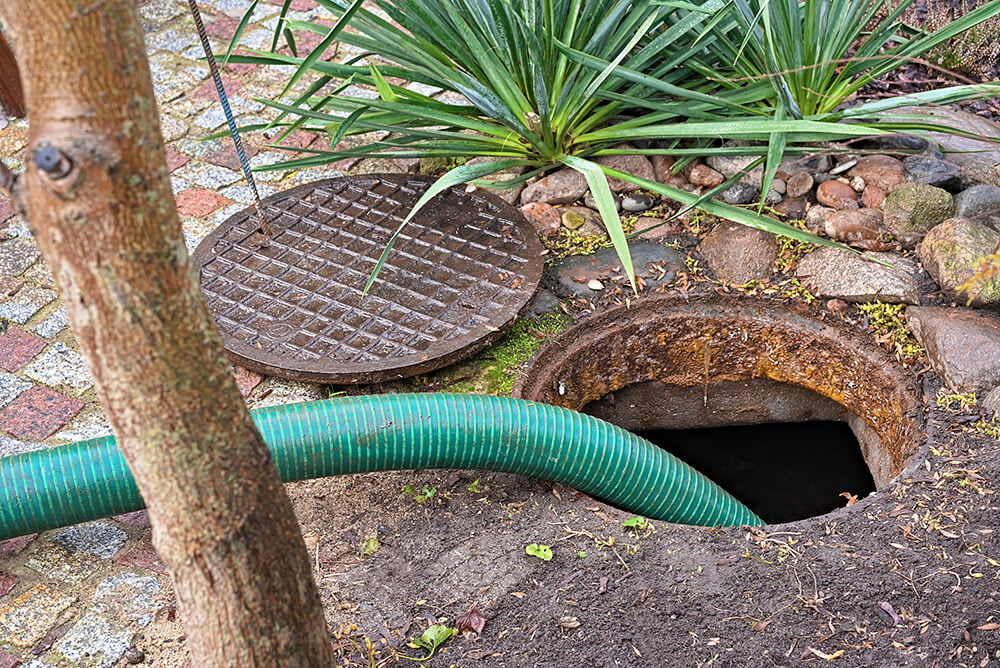
Caring for your septic system is crucial to ensuring its long life. But how much does it cost to pump a septic tank? We explore the different cost factors.
It might be more complicated than you realize

Building a DIY septic system requires licenses and permits in most states, as improper installation can contaminate groundwater and create serious health risks for your community.
Expect to pay $3,634 to $12,512 for professional septic system installation, with perc tests ranging from $750 to $1,850 to ensure your soil absorbs wastewater properly.
Your septic tank size depends on your household size and bedroom count, with one-bedroom homes needing at least 1,000 gallons and five-bedroom homes requiring 1,500 gallons or more.
Hiring a local septic tank company keeps your installation compliant with regulations and prevents groundwater contamination through proper excavation, plumbing, and waste management expertise.
As a hands-on DIYer, you might be wondering: Can I build my own septic tank? While it’s technically possible, there are plenty of reasons why you probably shouldn’t—including the licenses, permits, and knowledge required to complete this project successfully. Still, if you’re set on learning how to build a septic tank, here’s what you should know.
First things first: In most states, you’ll need a license and a permit to install a septic tank. That’s because if you don't configure your septic system properly, waste can leak into the nearby waterways and pose a serious health risk to your community.
Before getting started, check your local regulations about septic installation. If you don’t have the appropriate credentials and municipal approval, you’ll be breaking the law and could face fines.
You have to get a professional perc test before building a septic system, even if you’re DIYing. Perc tests measure how quickly the soil on your property absorbs water. If the perc rate is too fast, then wastewater may not get fully treated by the time it goes into the groundwater (aka your system will contaminate the local groundwater). If the perc rate is too slow, it may mean that your yard will flood with wastewater.
If you try to install a septic tank without first getting a perc test, you could find yourself in hot water, legally speaking. On average, a perc test costs between $750 and $1,850.
When you buy a septic tank, you'll choose a septic tank size based on how many bedrooms you have and how many people live in your household.
For example, if you live alone in a loft or small apartment, your septic tank should be at least 750 gallons. For one-, two-, and three-bedroom houses, aim for at least 1,000 gallons. If you’re in a five-bedroom home, your tank should be 1,500 gallons or larger.
While these are general guidelines for septic tank sizes, it’s important to note that your state, county, or city may have its own rules. In fact, many places in the U.S. require a minimum tank size of 1,000 gallons.
Despite this, some people choose to construct small septic systems (that often fall short of these minimum size requirements) using materials like cement blocks or barrels—which we’ll cover below. If you decide to go this route, you’ll likely be out of compliance with your local regulations regarding minimum tank sizes and permitting—so proceed at your own risk.
If you’re living off the grid and need to install a septic tank quickly, you can use either of the following methods to create your own. Both are labor-intensive, time-consuming, and risky, which is why we don’t advise trying to build a septic tank yourself. Also, remember that your local health department almost certainly won’t approve this type of DIY system, and you could receive a fine for using it.
One of the simplest ways to build a DIY septic tank is with two 55-gallon drums. Here’s a broad overview of how this method works.
You’ll start by cutting a hole in the top of each drum, then inserting a toilet flange in the empty space. From there, you’ll make three holes in the sides of the barrels.
After preparing the barrels, it’s time to dig the trench, which should be at least 10 feet away from your home. From there, you’ll place the barrels inside the trench, with one buried slightly deeper than the other, and connect them with ABS and Y-bend pipes.
Next, you’ll have to install drain pipes and gravel so that waste can leave the drums and slowly seep into the soil beneath the gravel. Finally, cover both drums with gravel, then refill the rest of the trench with soil.
Keep in mind that the capacity of this type of septic tank is much smaller than the minimum recommendation. As a result, you should limit your septic use to avoid overloading the system.

For a larger DIY septic system, you can use concrete blocks instead of barrels. But again, it probably still won’t meet the minimum tank size guidelines or other requirements for septic installation in your area. Regardless, here’s a quick look at the steps involved in this method.
To do this, you’ll begin by choosing a spot for your septic installation. Remember, it needs to be 10 feet (or more) away from your home. From there, you’ll dig out your septic pit, adding a flat layer of gravel at the bottom. Then, you’ll need to pour a layer of reinforced concrete to create the base of the tank.
Next, start laying the concrete blocks around the perimeter of the pit, creating layers from the bottom to the top of the pit. When that’s done, you can insert steel rods in the empty cores of the blocks, then fill them with concrete to seal them.
The next step is to lay perforated piping on top of the blocks, which will transport waste from your home into the tank. You’ll then have to create a lid or roof for your tank, which will either be made of metal or concrete (and typically requires professional help). It should have a maintenance hole in the middle so that you can access the tank as needed.
When your home is on a septic system (especially if it’s a smaller-sized one), you’ll need to be mindful about what you flush down your toilets and dump down your drains. Here are a few guidelines to keep in mind.
Don’t flush anything except toilet paper and human waste.
Never dump chemicals (including paint thinners, bleach, or ammonia) down the drain.
Regular-sized septic tanks need to be pumped every three to five years. You may need to pump more often if you have a DIY tank.
As we’ve mentioned, you should always hire a local septic tank company for this type of work—and that’s not just because of the license and permit requirements.
To complete this job correctly, you also need to have specialized knowledge about plumbing, excavation, and waste management. If not, you could pollute your local water supply, release foul smells into your yard, or damage your property.
If you run into one of these problems, you’ll need to have an expert come fix it—which could end up being more expensive than just hiring a septic pro in the first place. On average, a new septic system costs between $3,450 and $11,340 to install.
They were very responsive and showed up on time. The outdoor faucet repair was a last minute thing that they repaired on a Sunday morning. It needed a quick repair because of the freezing temperatures. When they were in the basement fixing the faucet, they identified the leaking water heater....
From average costs to expert advice, get all the answers you need to get your job done.
Caring for your septic system is crucial to ensuring its long life. But how much does it cost to pump a septic tank? We explore the different cost factors.

A damaged septic system can leak odors and sewage, so repairs are urgent. Find out how much septic tank repair costs based on repair type, tank size, and more.
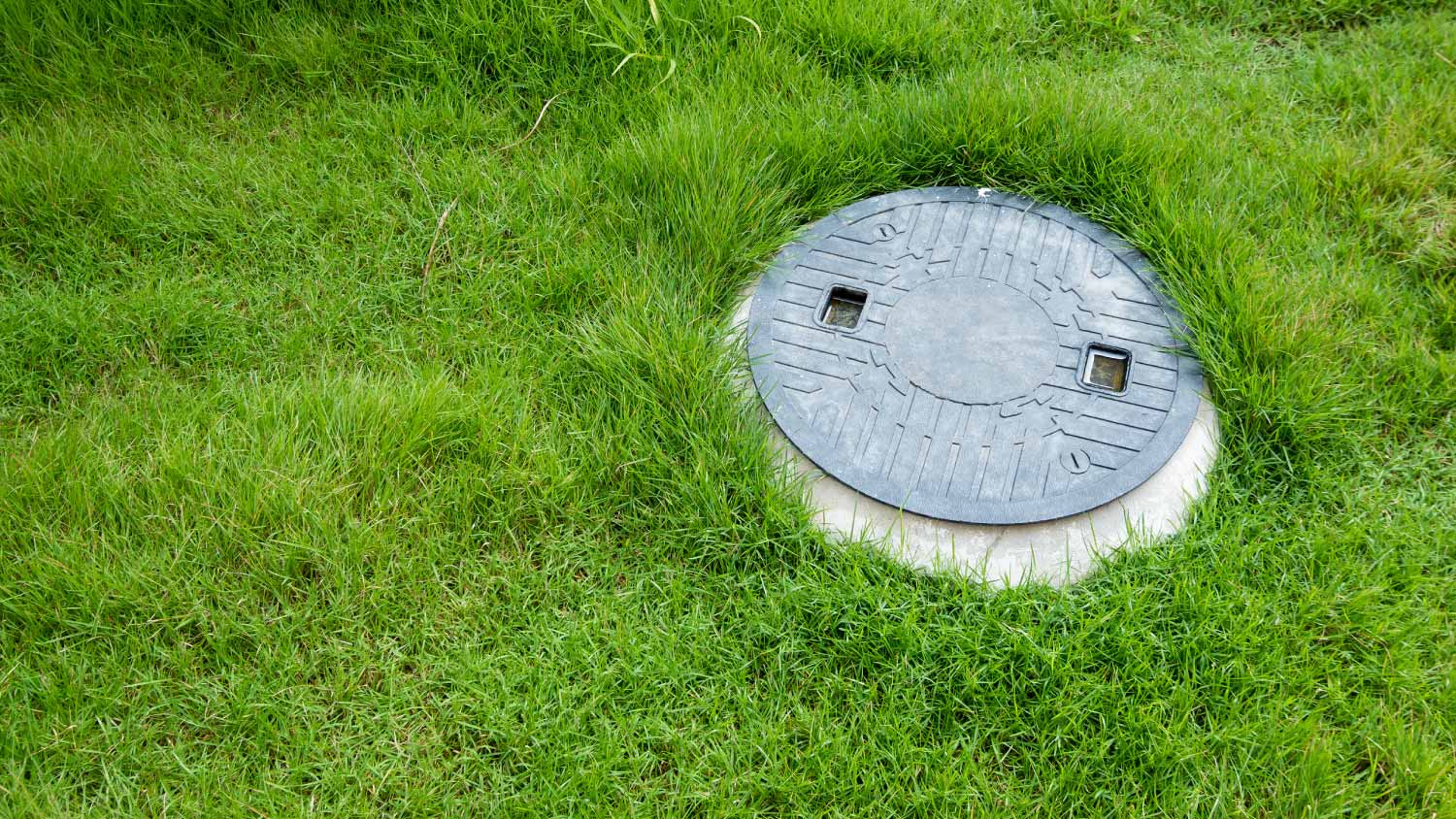
Concrete is one of the longest-lasting septic tank materials. Find out concrete septic tank prices for your wastewater management project.

Septic tank sizes vary depending on the size of your home, how many people live there, how much water you use, and more. Read on to learn how to determine the right size for you.
If you’ve never lived in a house with a septic system before, you might be wondering: Are septic tanks bad? Here are some of the pros and cons.

Sludge buildup in a septic tank is natural, but it needs to go somewhere eventually. Learn what to put in a septic tank to break down solids efficiently.