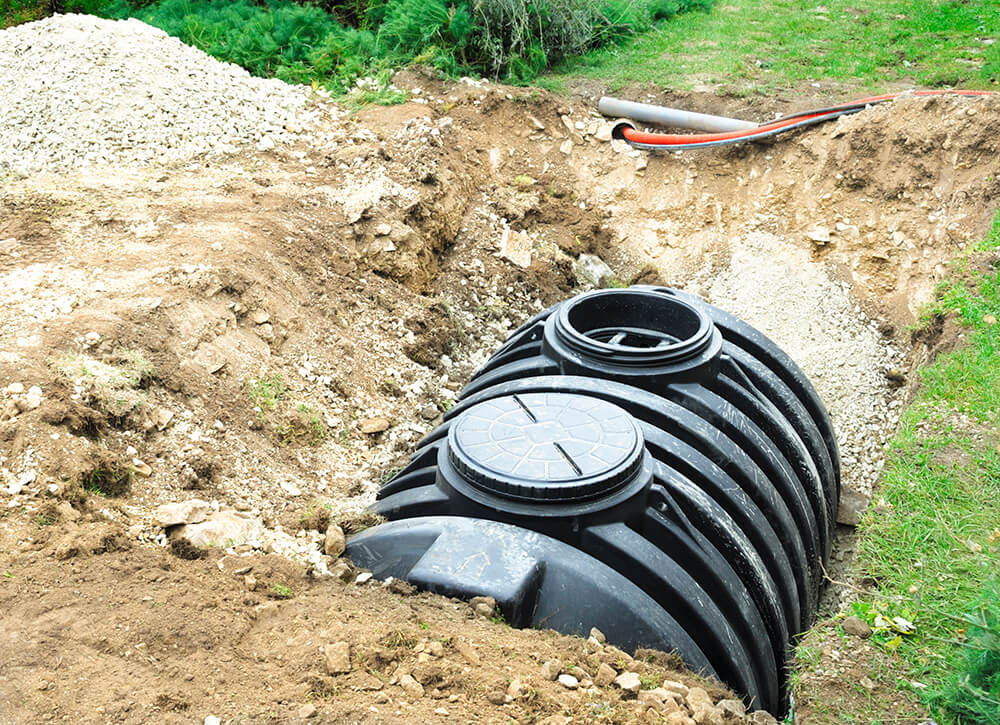
How much does a septic system cost? Explore impacting factors, important add-ons, and how you can save money on septic system installation right here.
You can get a good 30 years out of a septic system with proper, routine maintenance

Your septic system can last 30 years or more when you schedule professional inspections every two to five years and pump the tank every three to five years.
You extend your septic system's lifespan by conserving water through shorter showers, spreading laundry loads throughout the week, and fixing leaks promptly to reduce wastewater flow.
Your septic system stays healthy when you avoid flushing unsafe items like wipes, grease, coffee grounds, and chemicals that the system can't break down properly.
Hiring a local septic tank professional provides reliable support for routine inspections, tank pumping, and diagnosing drainage issues before they turn into costly backups.
When it’s running efficiently and properly maintained, your septic system will be more than capable of handling your household’s wastewater and sewage. Given the expense of replacing or repairing a septic system, it’s a good idea to invest a little effort into ensuring your septic system lasts as long as possible—for 30 years or more, fingers crossed.
One of the easiest ways to give your septic system the care it needs to prolong its useful life is to regularly inspect and pump out your tank. Most experts suggest that you schedule a professional inspection of your system at least every two to five years. However, you might shorten that time frame if your home has several occupants that keep the system working harder and for more people.
In addition, you should have your tank pumped out regularly to avoid sewage sludge buildup in the bottom of the tank. Eventually, that sludge can overflow, seep into your drain field, and back up in your home’s pipes. On average, you should pump out a home’s septic tank every three to five years. As with inspections, heavy use might shorten the recommended time between servicing.
Every septic system has a certain volume of wastewater that it can safely and efficiently handle. The specific volume of your system depends on its size, but for most residential systems, it’s somewhere between 600 and 2,000 gallons of wastewater. Frankly, less wastewater means more life—for the system, that is.
You can conserve and reduce the amount of wastewater your septic must handle at one time by following these tips:
Keep a sharp eye out for signs of leaks from your pipes and fixtures and get them repaired quickly.
Take shorter showers instead of longer baths.
Spread laundry loads throughout the week instead of one day.
Ensure you’ve got a full load of dishes or clothes before washing them.
Consider installing low-flow showerheads and toilets throughout your home.
Slowing down the flow of wastewater into your system will help it process sewage more efficiently and keep your septic running longer.

Your septic system isn’t an all-purpose trash receptacle. Its purpose is for one thing and one thing only: properly treat and dispose of wastewater. In fact, one of the easiest and quickest ways to shorten your septic system’s lifespan is to use it to dispose of items that aren’t safe to dispose.
How can you tell what substances are septic system approved? It’s pretty simple, according to the EPA. Septic-safe items include toilet tissue specifically labeled as “septic safe” and human waste. That’s it—that’s the list.
Particularly unsafe items make up a far lengthier list and include the following:

The above items are dangerous for your septic system because it’s simply not built to process these substances and items. Because the septic system can’t break those items down, the result will be a pretty grimy backup.
Just remember to keep everything except the two allowed items out of your system entirely, and that will go a long way towards extending its lifespan as much as possible.
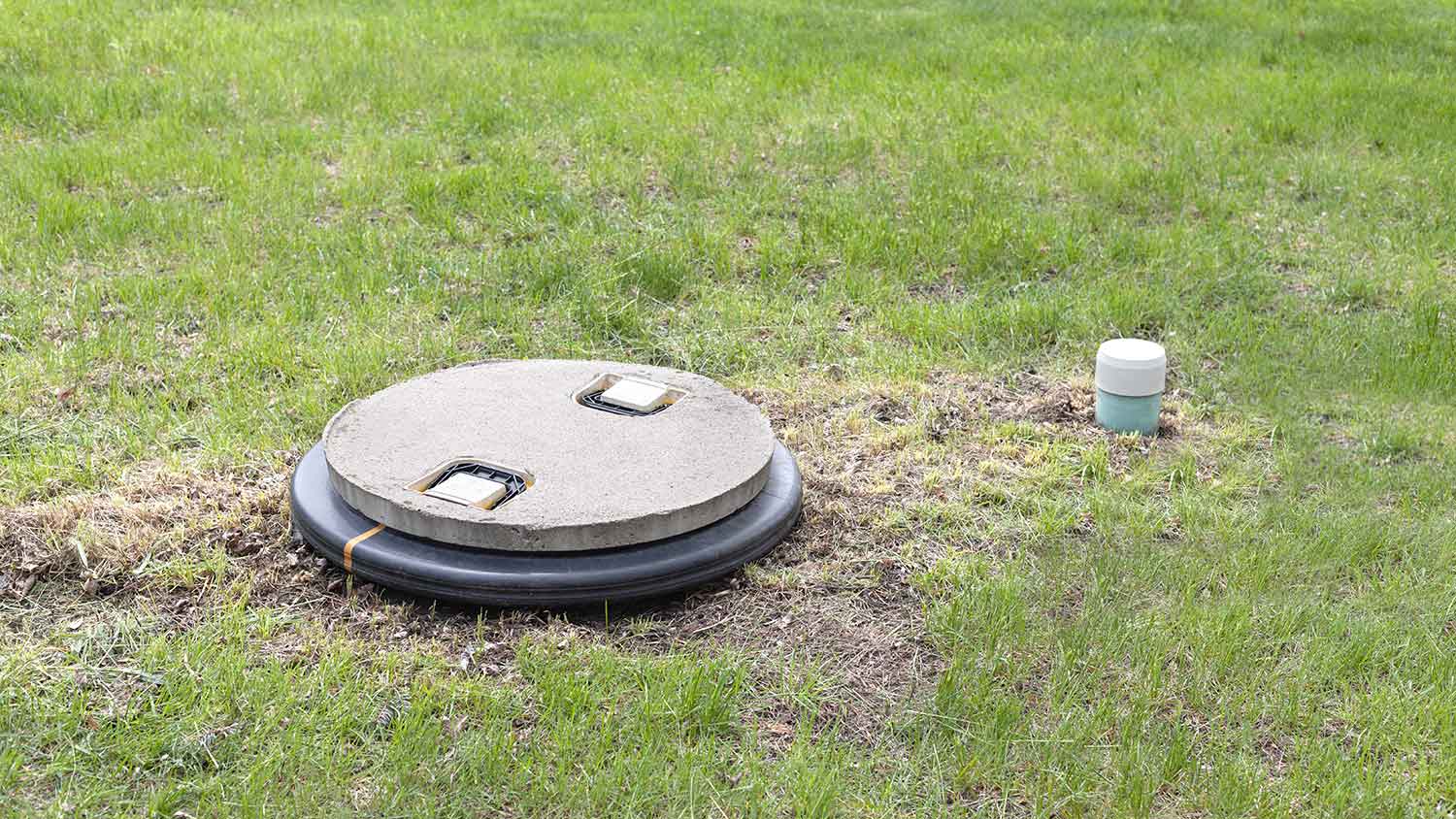
Remember that your septic system also includes the drain field. This part of the system further filters out contaminants from the wastewater that comes out of your septic tank. To keep the entire system healthy and operating at optimal levels, make sure you follow these best practices:
Don’t drive or park anything on the drain field. The weight of cars, trucks, campers, and other vehicles can damage the area and make it harder to drain.
Plant trees and other items strategically. Tree and shrubbery root systems you thought were safe might grow into the drain field area over time, causing further damage. To ensure proper spacing between plantings and the drain field, consult a septic pro on your landscaping plans.
Keep your drain field free of obstructions. If a problem develops in the future, you’ll want to make sure your septic system contractor can access the area easily.
Ensure that all of your rainwater disposal system elements (such as roof drains and downspouts) point away from the drain field. Excess water of any kind can overwork the field, leading to blockages and backups in your yard.
Backed up toilets and sinks, a proliferating septic odor, sluggish drainage—all of these things can indicate your septic system needs a little professional attention. If you begin to notice signs of a septic problem, don’t hesitate to hire a local septic system contractor who can inspect your system, diagnose the issue, and fix it. A plumber can handle any blockage or drainage problem in the home’s plumbing or in the line between the home and the septic cleanout.
I recently moved to another state and chose United Trust Van Lines after comparing several companies. Their team was punctual, professional, and extremely careful with my belongings. I was especially impressed with how they handled my home office setup and fragile items. Everything arrived on...
 United Trust Van Lines, LLC
Positive experience. As previously stated, the replacement/repair could not be completed (no fault of the plumbing tech) b/c misinformation was rec?d by property management maintenance. Thanks to the plumbing tech for your efforts. Appreciate you!
 The Waterworks
As usual with ECO, tech Jordan was outstanding, very professional, very knowledgeable, and very thorough with repairs made to tankless water heaters. Very highly recommend ECO!!!
 Eco Plumbers, Electricians, and HVAC Technicians
I would recommend this company to anyone! He showed up on time, was friendly, completed a very difficult repair on our dryer vent cover, was responsive, and pricing was extremely fair and competitive. I would have him back to do any of our repairs or cleanings without hesitation!
 U.S.A. Dryer Vent, LLC
Best cleaning I've had at my property
I'm a repeat customer of All Star Paving & Sealing and I appreciate the service that all start paving has done for me in the past. I just recently had them out for an estimate and things couldn't have gone better. The staff that they send out to do the estimates are very knowledgeable. The...
 All Star Paving and Sealing
Supreme Brick & Chimney is one of the best service providers I’ve interacted with. Extremely efficient, knowledgeable, and thorough. They took the time to walk me through their detailed full-service inspection and were extremely professional. Not to mention their turnaround time was...
 Supreme brick & chimney
They were great! They were thorough and efficient and paid attention to the details. Definitely recommend. I'm definitely going back!
 FIFI'S EARTH FRIENDLY CLEANING
Storms Mobile Welding was great to work with. They were prompt, professional and did an overall excellent job on the project. I highly recommend.
Great experience all together. Dog friendly, courteous, great results and honest with recommendations. Will certainly be using Cardinal in the future for any carpet repairs
 Cardinal Carpet Care & Repair
From average costs to expert advice, get all the answers you need to get your job done.
How much does a septic system cost? Explore impacting factors, important add-ons, and how you can save money on septic system installation right here.
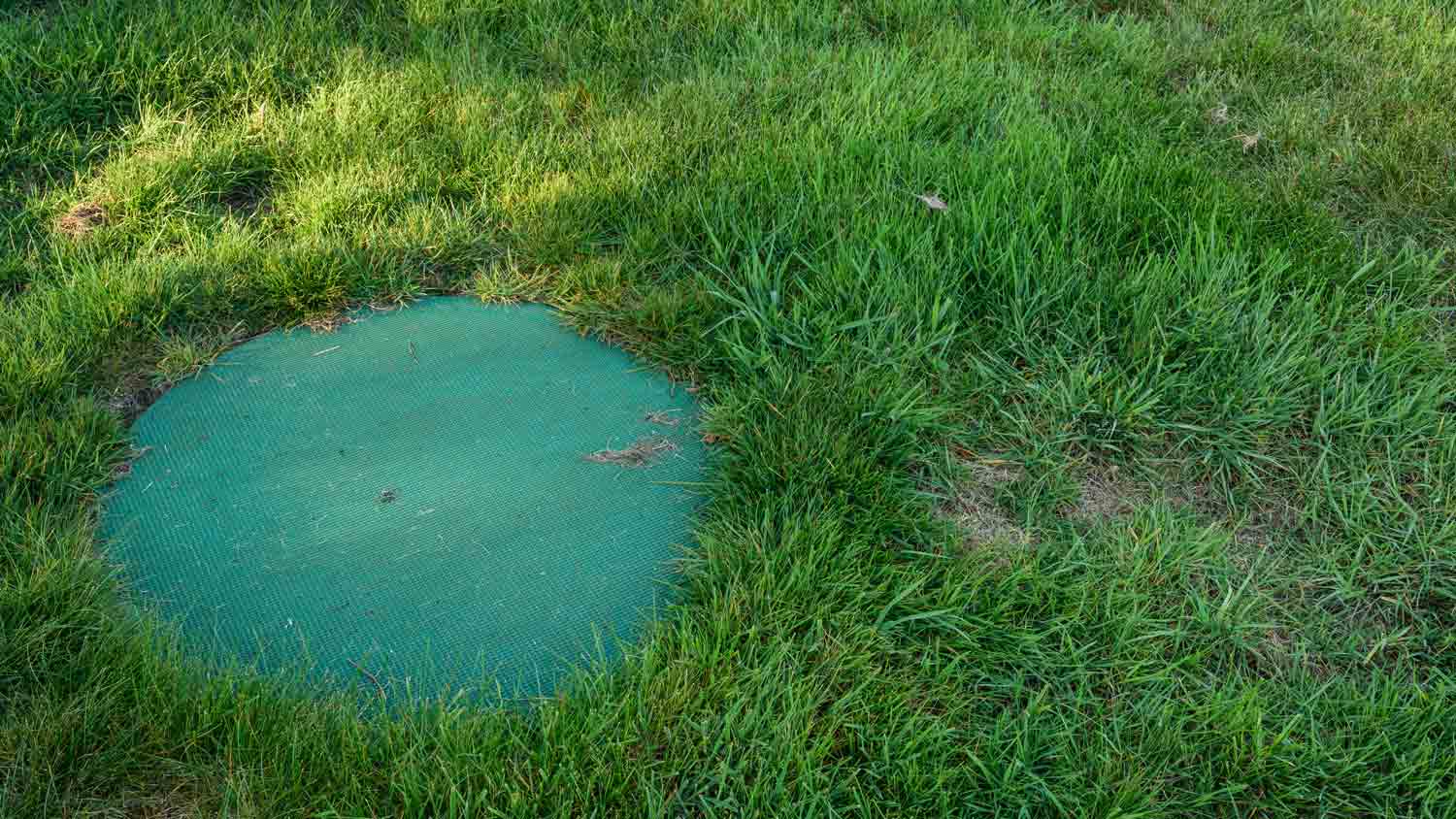
How long do septic tanks last? It’s a valid question for those who have one. The answer is it varies between 15 and 50 years, depending on several factors.

Septic systems are an essential waste management feature of many homes. Find out how a septic system works to turn wastewater into treated groundwater.

Septic and sewer both handle wastewater but in very different ways. Learn the distinctions between septic versus sewer to find the right option for your home.
Slow drains, gurgling, and foul smells are signs your septic tank may need to be emptied. Here are questions for your septic system pro on how to maintain it.
Does homeowners insurance cover septic systems? The answer depends on what kind of damage you’re dealing with and how it occurred.