



"Well. Only problem was delay in response time after claim was filed online. Water tank started leaking Thanksgiving morning and no reply until I called the Regional Manager."
"I just pay $75 you never know who's going to come out. They do everything electrical. Just about everything is covered except the septic tank. I had an air conditioner replaced. It went great, all I had to do was pay for the freon. He didn't charge e more than what was needed."
We take great pride in our experience, expertise, quality, and customer service that we provide to meet the consumer's needs. It is our mission to provide excellent workmanship and complete customer satisfaction from start to completion of a project. In order to understand the needs and expectations of our customers, we take great care to work and communicate with every customer in a professional manner. Our reputation is based on service, safety, and quality, regardless of how large or small the job.
Signs that your well is dry include a decrease in water pressure, strange odors coming from faucets, cloudy, bubbly, or discolored water, and water that’s warmer than normal. Signs that your well pump is bad are similar, but you may also notice higher-than-average electric bills, strange clicking sounds, and faucets that spit or sputter.
A properly installed and maintained septic drain field (also known as a leach field) can last up to 50 years, though the average is around 20 years. However, factors like poor soil conditions, heavy usage, or improper maintenance can significantly shorten its lifespan to 15-20 years.
To extend the life of your drain field:
Schedule Regular Inspections: Have the entire septic system, including the drain field, inspected every two to five years to catch problems early.
Protect the Area: Avoid driving heavy vehicles or placing heavy structures over the drain field. Plant only grass or other lightweight vegetation with shallow roots over the area.
Maintain the Septic Tank: Proper care of the septic tank, including regular pumping and avoiding harmful chemicals, prevents strain on the drain field.
Be aware of signs of failure, such as strange odors, standing water, or unusually lush grass over the field, which indicate your system may need professional attention.
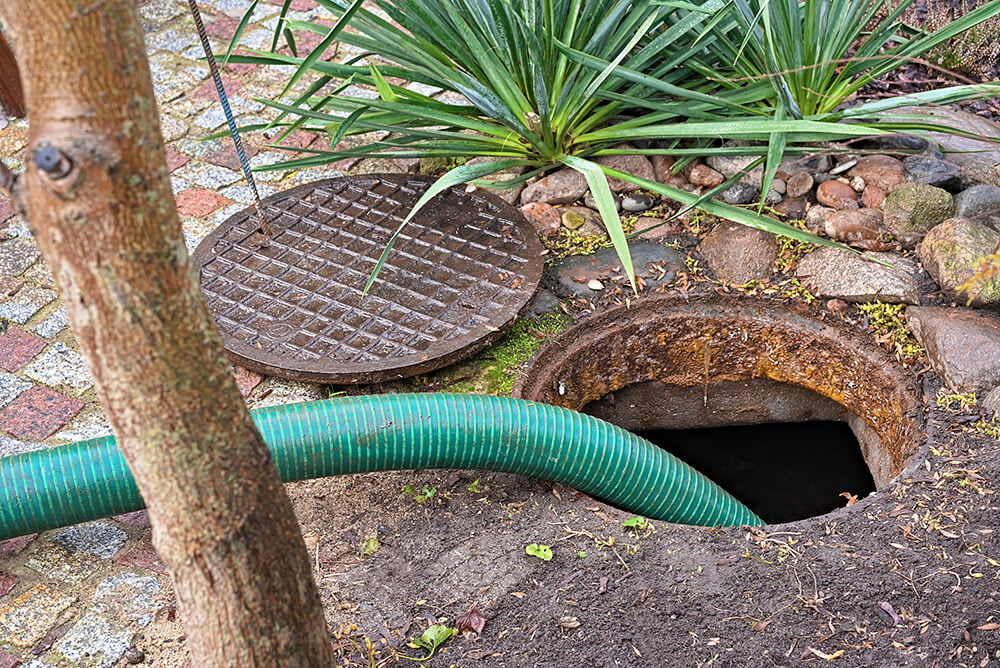
You should pump your septic tank once every two to four years for a family of four, depending on your septic tank size. You should pump a 1,000-gallon septic tank every two years, while a 1,500-gallon tank should be pumped every four years. Water usage also affects how often you should pump your septic tank. If you notice slow drains, foul smells, or gurgling sounds from your drains, you should pump your septic tank as soon as possible.
A septic smell may be harmful because sewer gas is dangerous depending on the exposure amount and length of time. Sewer gas is made up of multiple gases, including hydrogen sulfide, methane, ammonia, and carbon dioxide. Some of these gases, like hydrogen sulfide and ammonia, are toxic to humans and can be fatal in high concentrations or long exposures.
The main difference between a mound septic system and a conventional one is that the drain field in a mound system is built up into a mound composed of sand and gravel to increase the filtration time the wastewater sees before it is returned to the aquifer. There’s also a significant cost difference, with mound systems typically costing far more than standard septic systems.
The Oblong, IL homeowners’ guide to septic tank services
From average costs to expert advice, get all the answers you need to get your job done.
Caring for your septic system is crucial to ensuring its long life. But how much does it cost to pump a septic tank? We explore the different cost factors.
A damaged septic system can leak odors and sewage, so repairs are urgent. Find out how much septic tank repair costs based on repair type, tank size, and more.
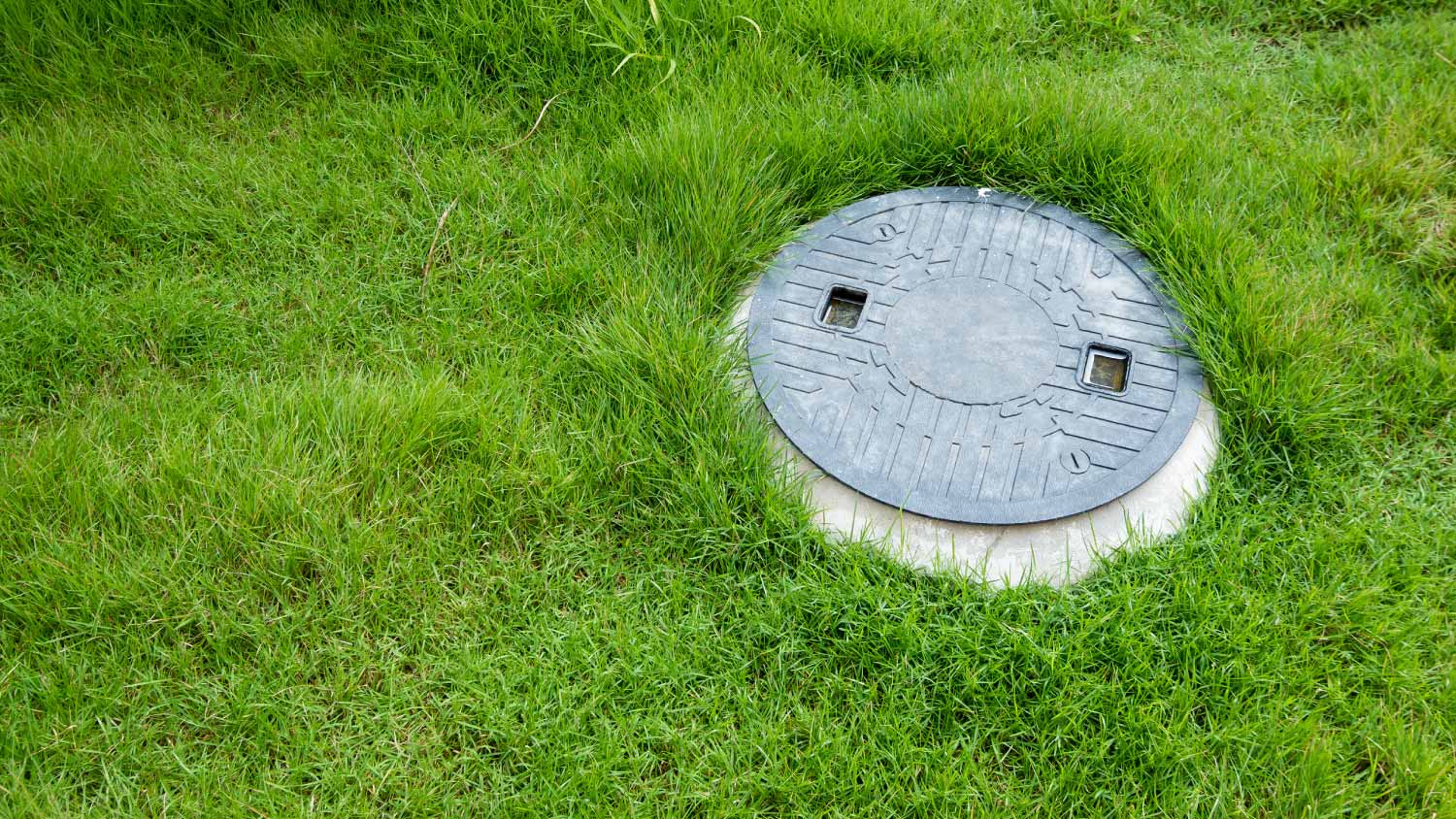
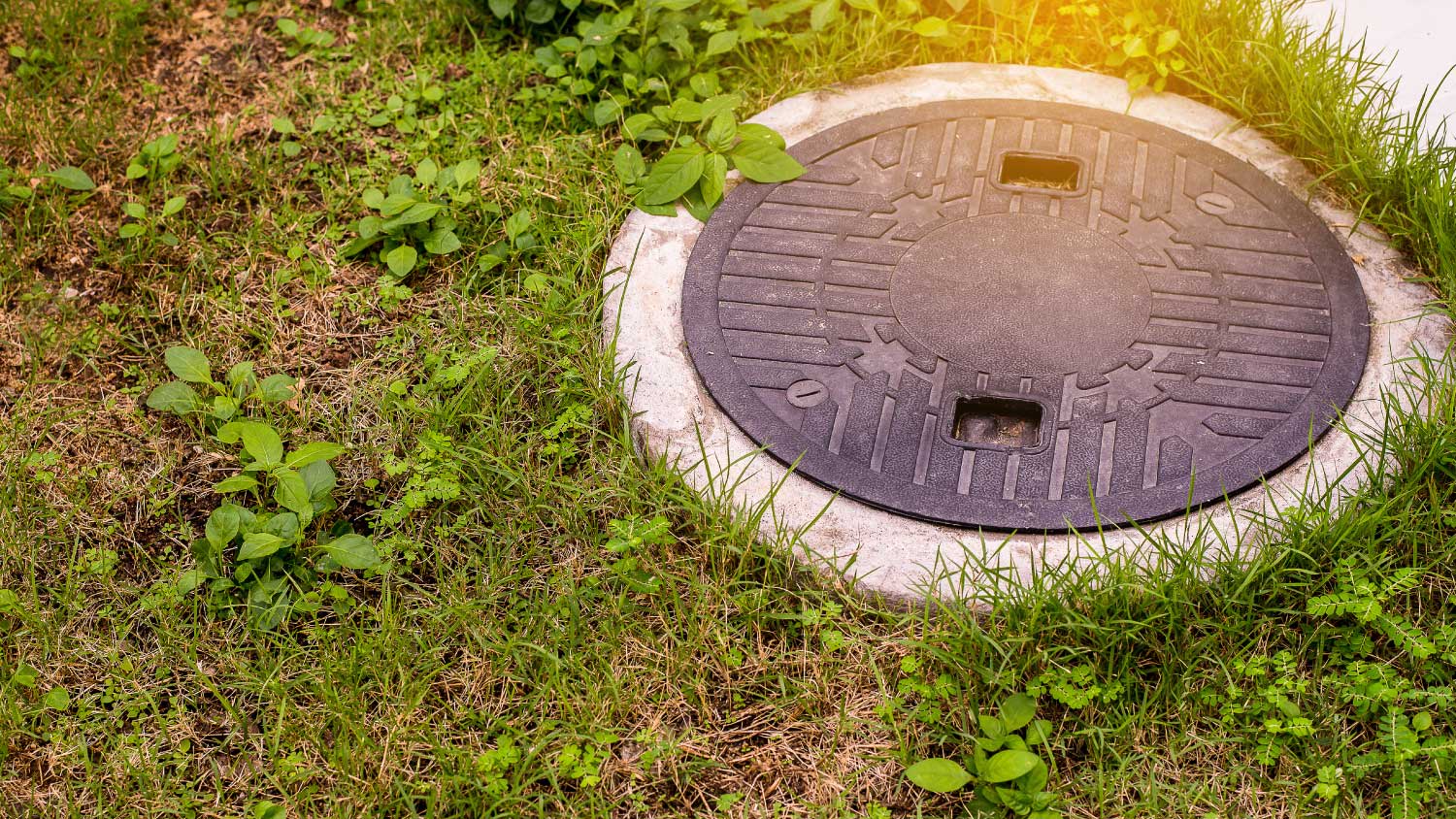
Septic tank risers make it easy to access your septic tank when it’s time for routine inspection, maintenance, and pumping, saving you precious time and labor costs.
Septic tank sizes vary depending on the size of your home, how many people live there, how much water you use, and more. Read on to learn how to determine the right size for you.