
How much does a septic system cost? Explore impacting factors, important add-ons, and how you can save money on septic system installation right here.
Here are the best ways to locate your septic tank without causing a stink

Property documents showing your septic tank location help you start your search, as blueprints or maps often include the tank's placement between 5 and 25 feet from your home.
Expect to pay $125 to $250 per hour for a septic professional to locate your buried tank, with pumping services averaging $550 when maintenance is needed.
Visual clues in your yard can reveal your septic tank's location, including unusually lush grass patches, slight ground depressions, or mounds that indicate the system below.
Hiring a local septic tank company provides reliable help when you can't locate your tank, using specialized equipment to find it quickly without damaging your property.
In an ideal world, you wouldn’t ever have to think about your septic tank or its location on your property. Realistically, though, there are times when you need to know how to find your septic tank—for example, if you’re preparing for septic system maintenance or planning a backyard renovation project. If so, you can follow these simple steps to track down your septic tank (and, if needed, pass the information along to your septic professional or contractor).
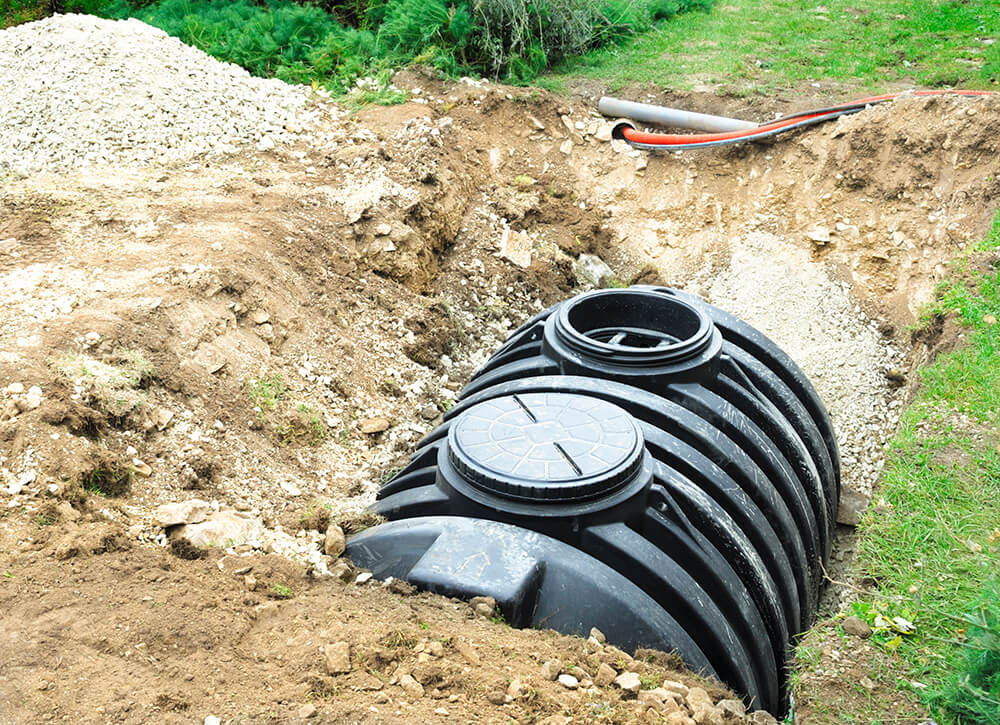
Septic tanks are underground for a couple of reasons. For one, these big, bulky tanks aren’t exactly nice to look at—if they were aboveground, they’d be an eyesore. Also, since septic tanks collect and treat wastewater from your home, they’re often pretty smelly.
So, while it’s best for your septic tank to stay buried, it’s still a good idea to understand where it is. Knowing your tank’s location makes it easier to:
Provide maintenance access
Identify septic issues earlier
Prepare to build a new structure or dig in your yard

Before you start searching for your septic tank, it’s helpful to understand where it’s probably not buried. Septic tank professionals will aim to install your tank in a clear patch of yard away from trees, heavy structures, and drinking water sources. For that reason, you can rule out these locations when looking for your septic tank:
Near wells
Close to your home
Near trees or deep-rooted plants
Underneath patios, driveways, or other paved areas
Under sheds, gazebos, pools, or other structures
When you’re ready to start your search, here’s how to locate your septic tank.
Your first step is to review any blueprints, maps, or other paperwork that relates to the layout of your property. Sometimes, these types of documents will include your tank’s location, which is often 5 to 25 feet away from your house.
If you can track down this information, it’s a great starting point to kick off your search. However, these documents are not essential for finding your septic tank, so don’t worry if you can’t find them.
Sometimes, there are obvious signs in your yard that can guide you to the location of your septic tank. For example, you might have a patch of grass that’s super lush and healthy compared to the rest of your lawn. This could come from sewage that leaked out of your septic tank and is now fertilizing your lawn. Or, you might notice an unusual mound or depression in the ground, which can indicate that there’s a septic tank in the area.

Can’t find your septic tank using your property’s map or through visual evidence in your yard? You can find your tank’s approximate location by following your main line, which connects to your septic tank. Here’s how:
Check your basement, garage, or crawl space for a pipe that’s about 4 inches in diameter. It might be made of cast iron or polyvinyl chloride (PVC).
Follow the main line until you see where it leaves your house.
Walk outside to the point where the line exits your home.
Trace the potential path of the pipe in your yard. It should move away from your house in a straight line. Along the way, look for signs of a septic tank, including extra-healthy patches of grass or minor bumps or dips in the ground.
Now, with an idea of where your tank might be, you can use a septic tank locator tool—either a metal detector or soil probe—to confirm its location. Using a metal detector is the easier option, but if you don’t already have one, you can use a soil probe, instead. To do so, gently insert the probe into the ground in the area where you think the tank might be. If you feel any resistance or dig into a hollow section, it could be your tank.
If you still can’t find your septic tank after following these steps, reach out to your local records office. Faulty septic tanks have the potential to pollute nearby water sources and create other environmental problems, so municipalities often require septic installers to get permits before installing a new septic system. If that’s the case in your area, the office may have a map of your septic system on file.

Practicing proper septic tank maintenance is essential to keep your septic system working smoothly and prevent potential problems. Here are some tips to keep in mind:
Schedule a septic tank inspection every two to five years.
Pump your septic tank every three to five years.
Only flush human waste and toilet paper.
Don’t dump food, grease, or chemicals down the drain.
Limit water usage.
Don’t park cars or put heavy objects on top of your drain field.
Ideally, these techniques will help you find your septic tank without a professional’s help. However, if you can’t locate it or don’t want to poke around your yard looking for it, you can call a local septic tank company to do it for you. On average, septic pros charge between $125 and $250 per hour.
Similarly, if you think that your septic system might be malfunctioning, contact a pro as soon as possible. Damaged or leaky septic tanks can release toxic fumes and harm the environment, so it’s best to have an expert handle all septic tank repairs and maintenance.
I recently moved to another state and chose United Trust Van Lines after comparing several companies. Their team was punctual, professional, and extremely careful with my belongings. I was especially impressed with how they handled my home office setup and fragile items. Everything arrived on...
 United Trust Van Lines, LLC
Positive experience. As previously stated, the replacement/repair could not be completed (no fault of the plumbing tech) b/c misinformation was rec?d by property management maintenance. Thanks to the plumbing tech for your efforts. Appreciate you!
 The Waterworks
As usual with ECO, tech Jordan was outstanding, very professional, very knowledgeable, and very thorough with repairs made to tankless water heaters. Very highly recommend ECO!!!
 Eco Plumbers, Electricians, and HVAC Technicians
I would recommend this company to anyone! He showed up on time, was friendly, completed a very difficult repair on our dryer vent cover, was responsive, and pricing was extremely fair and competitive. I would have him back to do any of our repairs or cleanings without hesitation!
 U.S.A. Dryer Vent, LLC
Best cleaning I've had at my property
I'm a repeat customer of All Star Paving & Sealing and I appreciate the service that all start paving has done for me in the past. I just recently had them out for an estimate and things couldn't have gone better. The staff that they send out to do the estimates are very knowledgeable. The...
 All Star Paving and Sealing
Supreme Brick & Chimney is one of the best service providers I’ve interacted with. Extremely efficient, knowledgeable, and thorough. They took the time to walk me through their detailed full-service inspection and were extremely professional. Not to mention their turnaround time was...
 Supreme brick & chimney
They were great! They were thorough and efficient and paid attention to the details. Definitely recommend. I'm definitely going back!
 FIFI'S EARTH FRIENDLY CLEANING
Storms Mobile Welding was great to work with. They were prompt, professional and did an overall excellent job on the project. I highly recommend.
Great experience all together. Dog friendly, courteous, great results and honest with recommendations. Will certainly be using Cardinal in the future for any carpet repairs
 Cardinal Carpet Care & Repair
From average costs to expert advice, get all the answers you need to get your job done.
How much does a septic system cost? Explore impacting factors, important add-ons, and how you can save money on septic system installation right here.

A small septic tank system is ideal for spaces with minimal needs, such as a one-to-two-bedroom apartment or guest house. A small septic tank contains 750 or 1,000 gallons. We’ll cover everything that factors into your small septic system cost here.

From clay soils to small lots, chamber septic systems work best for certain property types. Find out if a chamber septic system is right for your home.

Septic systems are an essential waste management feature of many homes. Find out how a septic system works to turn wastewater into treated groundwater.
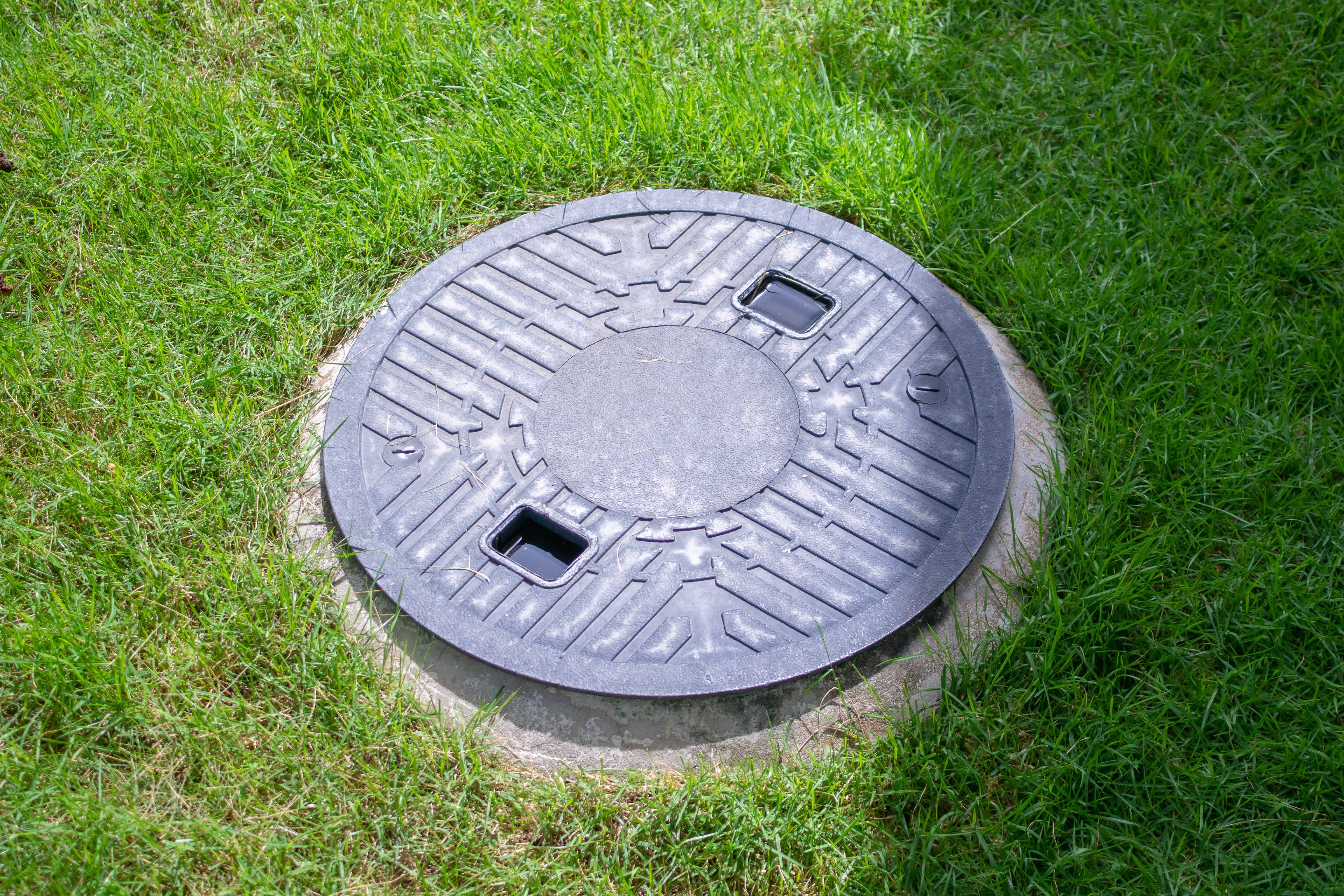
Need to replace your existing septic system or install one for a new home? Learn how to hire a reputable septic system installation pro to avoid headaches.
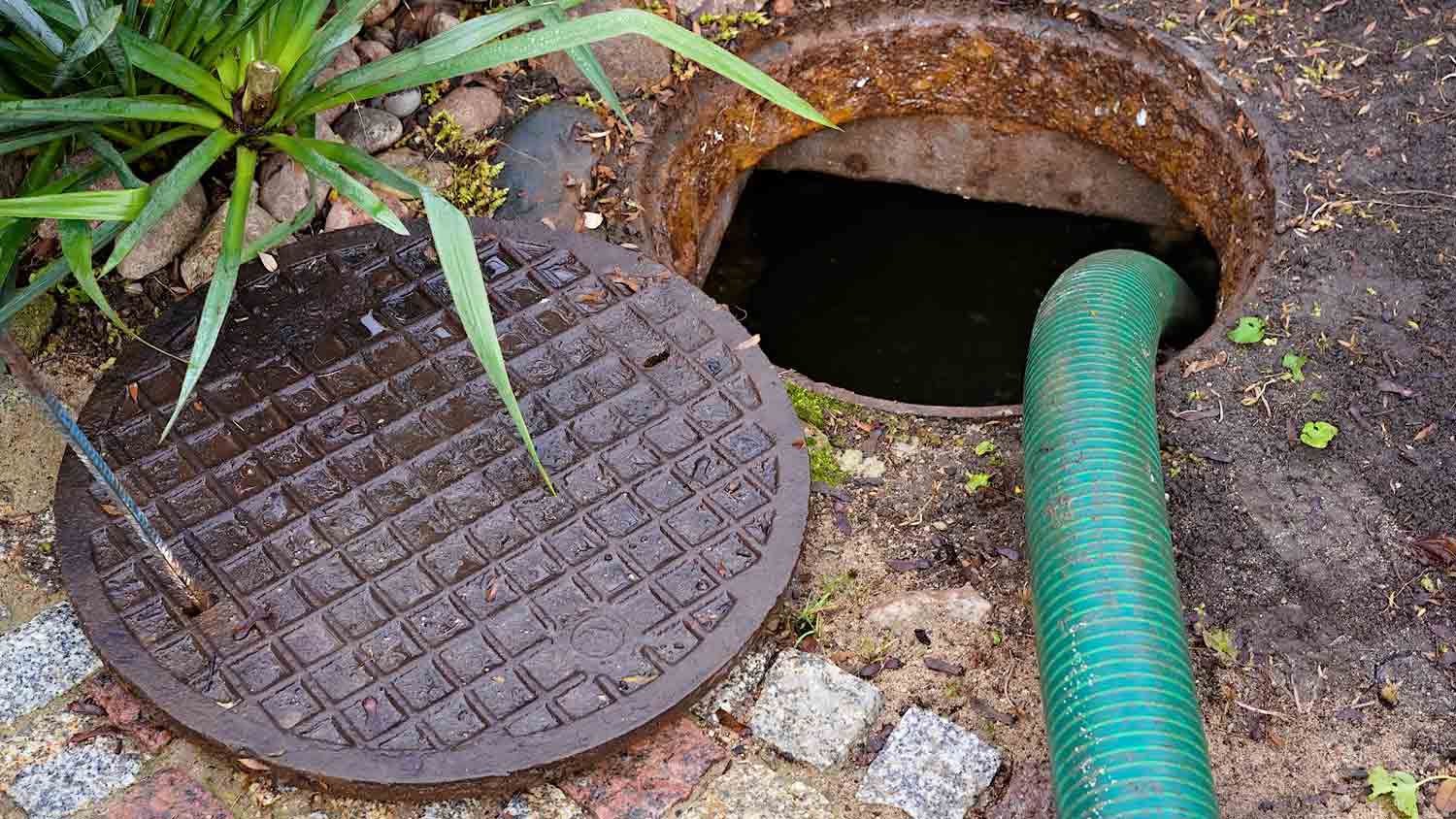
To unclog a sewer line, you may need to access your septic cleanout. If so, you might wonder: How do I find my septic tank cleanout? Find out in this guide.