
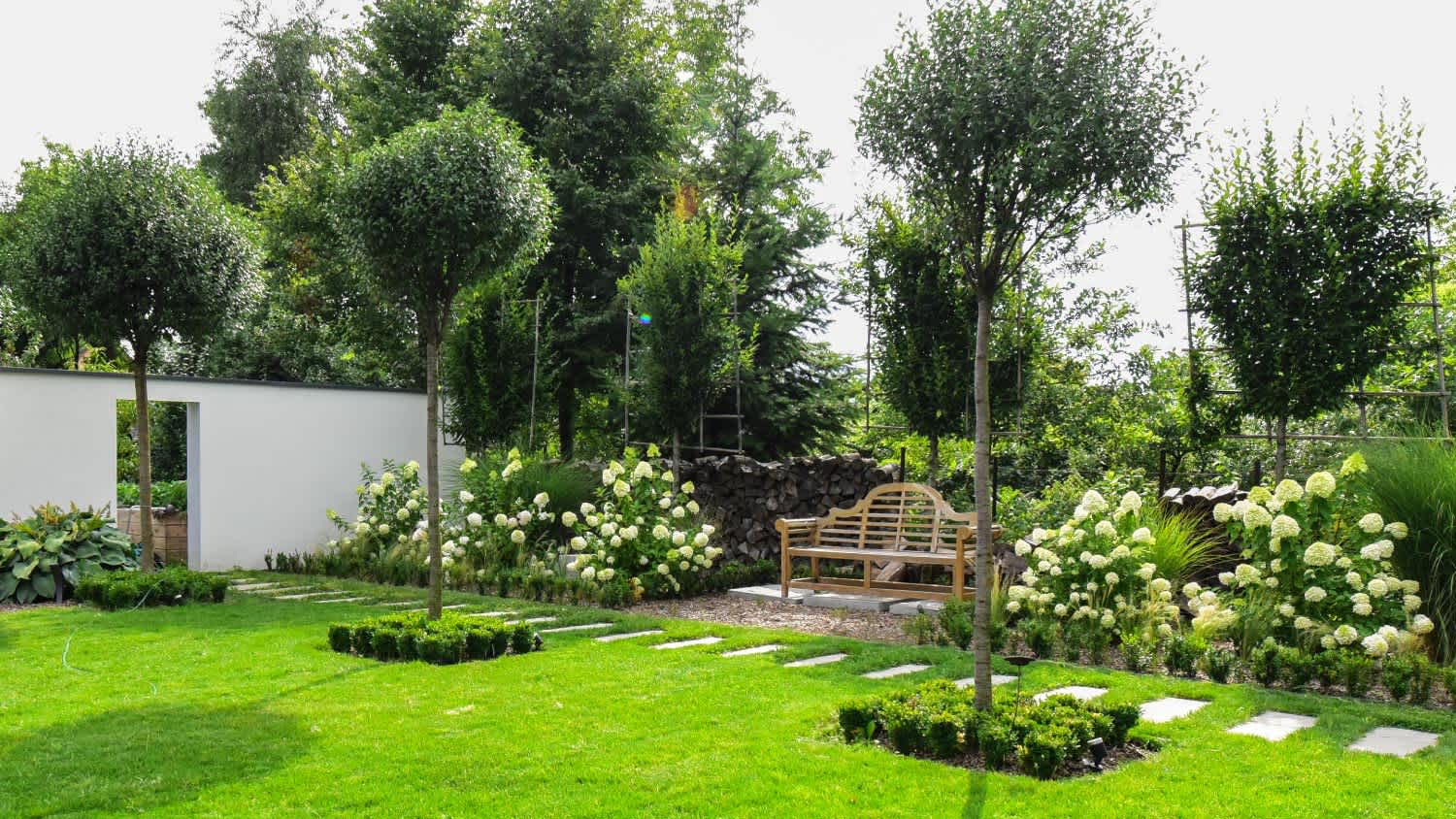
Moving your favorite tree isn’t exactly a small task, so we’ll break down some common tree transplanting costs so you can be prepared.
Follow these transplanting timetable tips to prevent floral flops

The best time to transplant flowers depends on the plant type, with annuals thriving when planted in early spring after your last frost date.
Spring or fall transplanting works well for perennials, giving your plants time to establish roots before extreme temperatures arrive and stress root systems.
Transplant early in the morning on cloudy, damp days so your plants adjust without coping with intense sunlight or daytime heat stress.
Hiring a local landscape designing professional removes the guesswork from transplanting timing and technique, keeping your plants healthy through the transition.
Whether you've bought new plants at your local nursery, germinated seedlings indoors, or want to reposition some golden oldies in a new part of your garden, you might think that transplanting them can be done at any time.
However, some key transplanting timetables are worth bearing in mind for the best success, depending on the type of plant you're growing and your local climate. Read on to learn more about transplanting flowers and plants to avoid a gardening gaffe.
Single-season annuals are typically some of the easiest plants to transplant. Getting them in the ground as early as possible in the spring (ideally after a hardening-off period of at least 10 days to prevent transplant shock) means you’ll be able to enjoy their beautiful blooms for their full flowering season.
However, ensure the danger of a cold snap is gone. A late frost means that tender annuals, like marigolds or begonias, may die before you've had a chance to appreciate their flowers. Half-hardy annuals, like blue sage or cosmos, can tolerate light frost, so you may be able to transplant them earlier in the spring, depending on the region you live in. Because intense daytime heat puts plants under stress, plant them early on a cloudy morning, when it’s cooler and conditions are moist.
Always check your USDA hardiness zone requirements for individual species and your region's average last frost date. And remember, you need to wait for the soil to be warm enough rather than relying on general air temperatures.

Unlike annuals, perennials can survive for many years in your yard with the proper care and climate. Dividing perennials is an essential task at some point in their life span if you want them to have longevity and good performance. Whether you're planting new perennials or transplanting divisions, spring or fall (when there’s no danger of frost) tends to be the best time to do this.
Because transplanting inevitably results in some root loss for the plant, it's best to avoid transplanting in the peak heat of the summer. This heat stresses out plants, and because they use more water, this is problematic when the root system isn’t as strong.
Plant spring-blooming perennials in the fall to give them ample time to establish roots before the growing season. Ideally, transplant them at least six weeks before any hard frosts arrive and while the soil is still warm. If your perennials flower during the fall months, transplanting in spring is a better plan—you don’t want to move them while they’re in bloom. Wait until a few weeks after the bloom season before you transplant them.
As with annuals, transplant your perennials early in the morning on a cloudy, damp day to allow them to adjust without coping with intense sunlight.

When you transplant a tree depends on the species, its size, and the type of climate it prefers. However, fall is often the ideal time. The tree's roots will benefit from cool, moist weather during this time, allowing it to settle in well before it has to search for water in the summer months.
Spring-transplanted trees usually need more frequent irrigation, but the roots won’t have to deal with harsh winter conditions while they’re bedding in. Plus, trees with thick, plump roots (like magnolias or oaks) often don’t do well with fall transplanting. The stress of hot weather doesn’t bode well for a tree, meaning summer transplanting has limited chances of success.
Also, it often makes sense to prune the roots ahead of time. Reducing the size of the root ball to encourage the spread of many feeder roots helps your tree settle better into its new spot. Ideally, root pruning should occur at least a year before you plan to transplant it, but it can still work if you do it just a few months ahead of time. So, if you prune the root ball in the fall, then spring transplanting is best, and fall transplanting makes sense for root balls you prune the spring before.
You can usually transplant houseplants at any time, and it sometimes saves a dying plant's life. Some plants like to be rootbound, but others need transplanting to a larger pot to stay healthy. Typically, repotting your plant every year or two is good practice—unless they’re slow-growing types like cacti or ZZ plants.
Signs a pot is becoming problematically rootbound include:
The potting medium is drying out more quickly, even in the cooler winter months.
Roots are popping out of the pot drainage holes.
The plant is starting to lift out of the container or drop because it’s top-heavy.
The soil is shrinking inside the container.
Your plant is growing much more slowly than normal.
Custom Paint Jobs LLC made our home feel like a piece of art. Thank you for your creativity!
 Custom Paint Jobs, LLC
Window Depot did an amazing job on my deck. I wasnt sure what I wanted to do, but their composite decking was affordable and will last a long time. I am excited to have family over, and I am no longer embarrassed by my backyard. Jeff and the ground crew were polite, respectful, and caring for...
 Window Depot USA of Central Ohio
First of all, the gentleman I dealt with (Cam?) was very responsive to my many questions and concerns throughout the project, which is a huge plus to me. From the first time I met him for the estimate all the way til the completion of the job, he and his crew were professional and respectful....
 All Star Paving and Sealing
We had a 20+ year old landscape lighting system that needed replacement. Midwest Lightscapes worked with us to design a much improved lighting system, lighting the exterior of the house and the back yard. Installation of the 45 light system took one and one-half days, and went very smoothly....
 Midwest Lightscapes
Another great success for me on home advisor. This company did an awesome job on my landscaping and stayed within my budget. The best part, the work was complete within 2 days of my initial request. Professional and responsive. I highly recommend!
 Blue Ring Residential Services, LLC
The company no showed on me twice. The 2nd time was no call no show. They were responsive to set up the first appointment to perform the "landscape cleanup". 3 hours after their initial scheduled appointment time they called me to let me know they had some "problem" with the truck and their...
 Ruby Home and Hauling Services
Received ideas for future landscape plans...quote to do the work seemed a bit high but I did not have any other quotes to compare it to, so perhaps that is the going rates. <br />
 Landscapes By Terra, Inc
All around they have done a really great job. <br /> I have used JL Landscapes for the past 8 years. I own and operate my own commercial/residential real estate company where we own, operate, and maintain our own properties. JL Landscapes has been our exclusive landscaper for both our...
 J.L. Landscapes
Bought a half a cord of firewood from Pitzer with stacking last month. I waited to report so I could see how the wood burned. <br /> <br /> I have three pet peeves regarding landscapers, but Pitzer scored "A"s regarding all three. First, rather than having customers "leave a message" and...
 Pitzer Landscaping
I left a message on Sunday requesting to schedule a time to obtain an estimate/walk-through and received a return call in the morning of the following Monday. Mark worked with me and agreed to schedule the estimate/walk-through for the following Saturday. When Mark arrived for the...
From average costs to expert advice, get all the answers you need to get your job done.
Moving your favorite tree isn’t exactly a small task, so we’ll break down some common tree transplanting costs so you can be prepared.
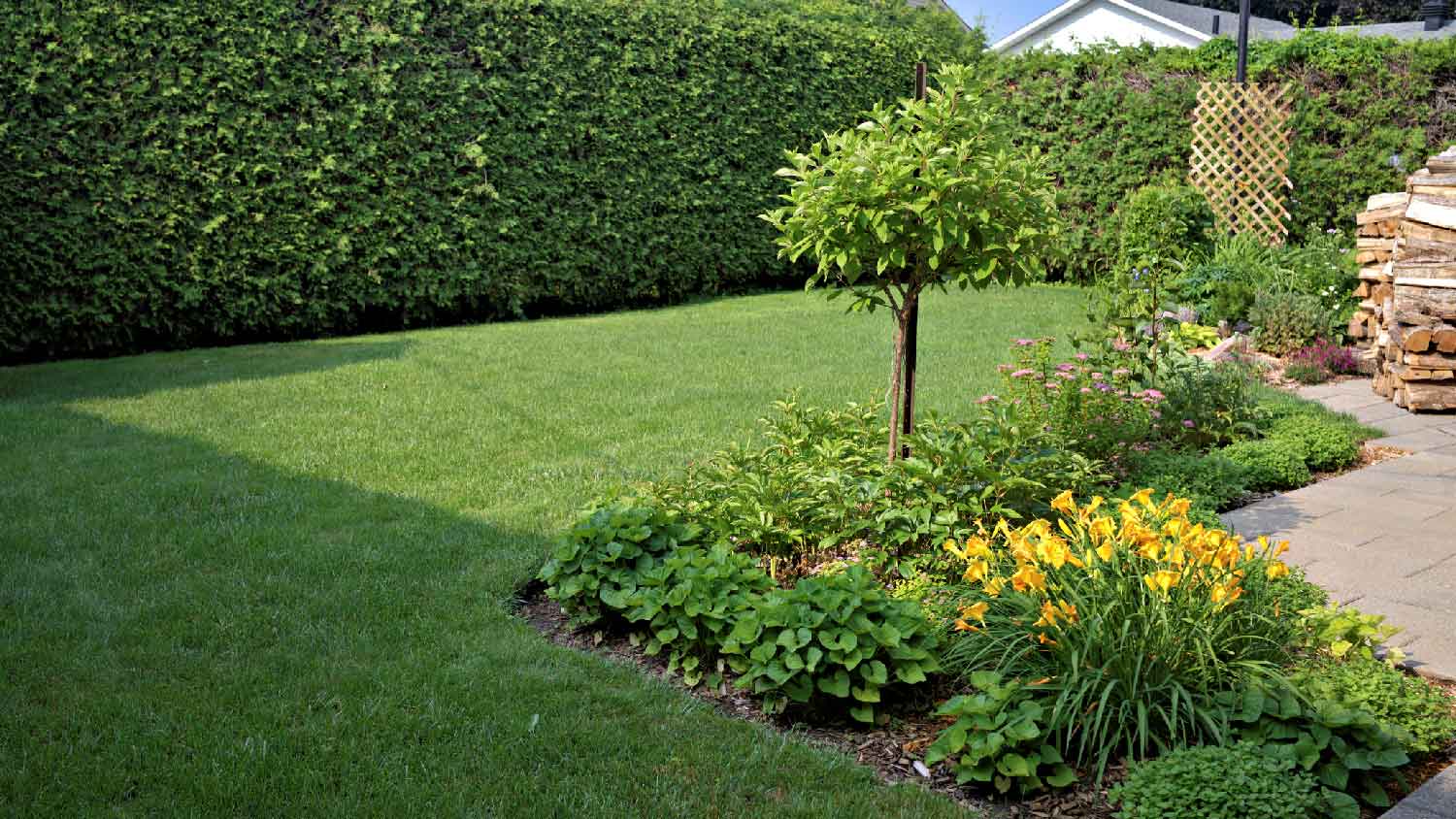
Knowing when to transplant trees will help ensure they survive and thrive. Our guide breaks down what you need to know.
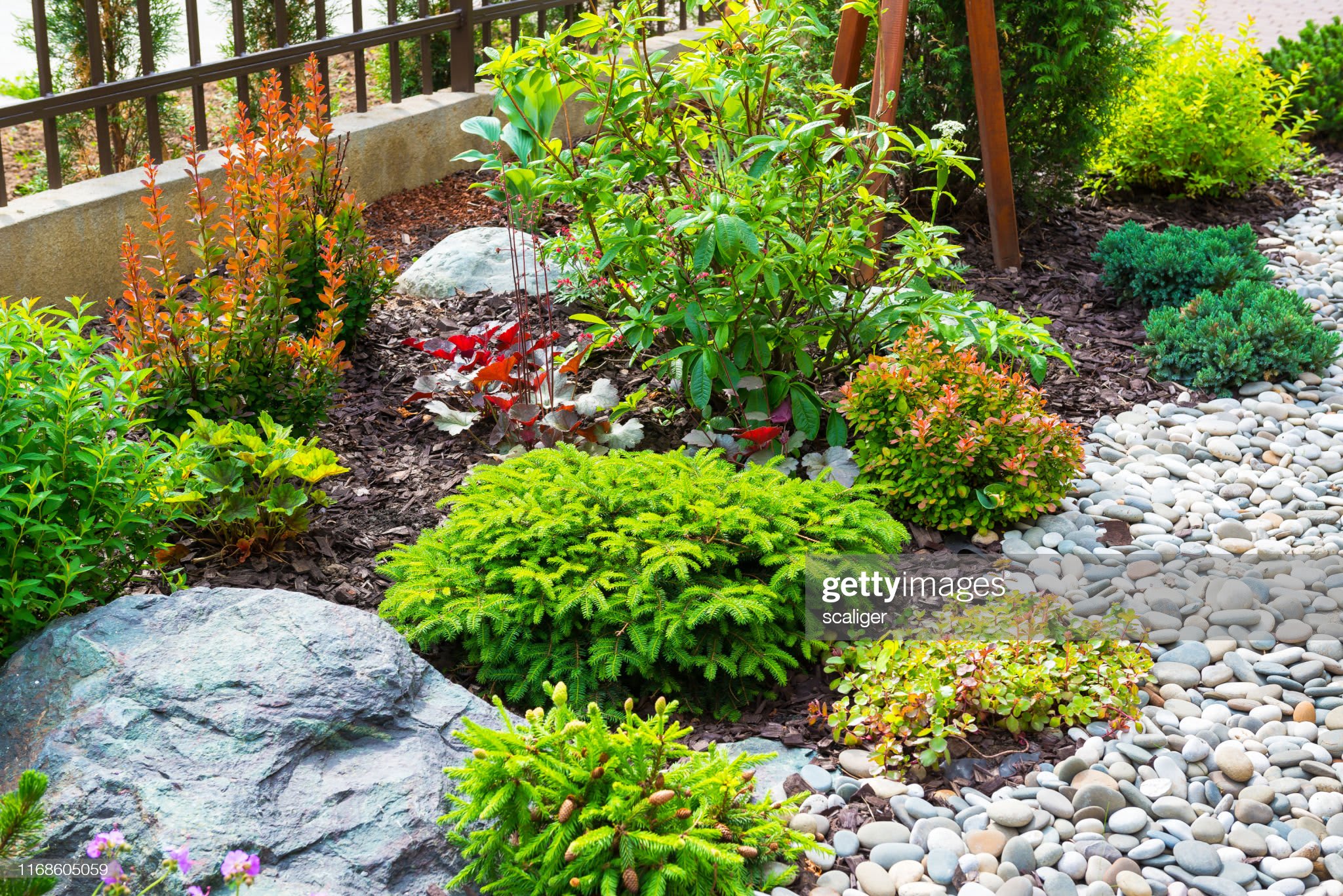
Ready to move your tomato plants from one side of the yard to the other? Learn how to transplant plants properly to avoid plant shock.
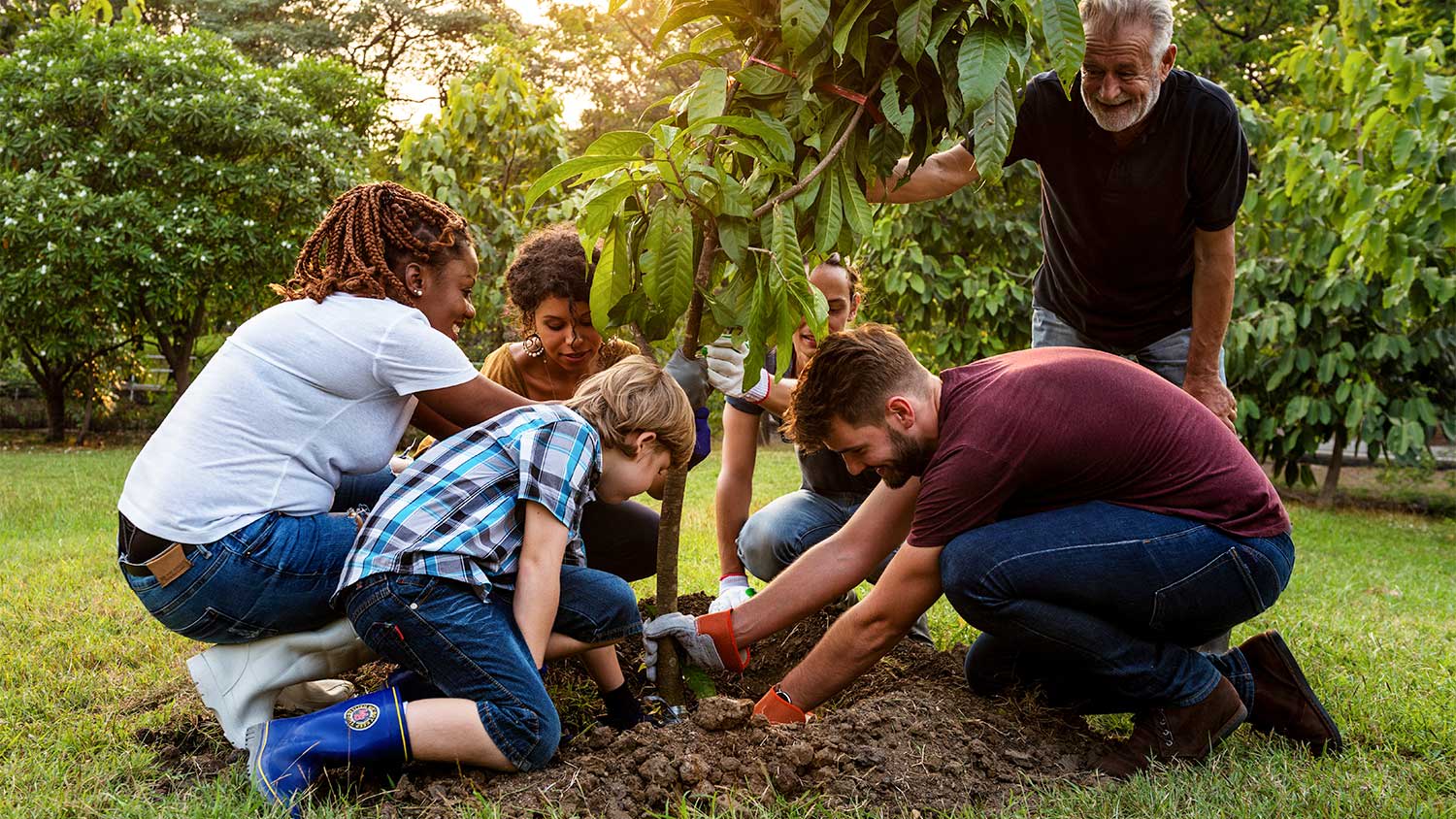
If you need or want to move a tree to a new spot, it’ll take some effort. Learn how to transplant a tree to move it successfully.
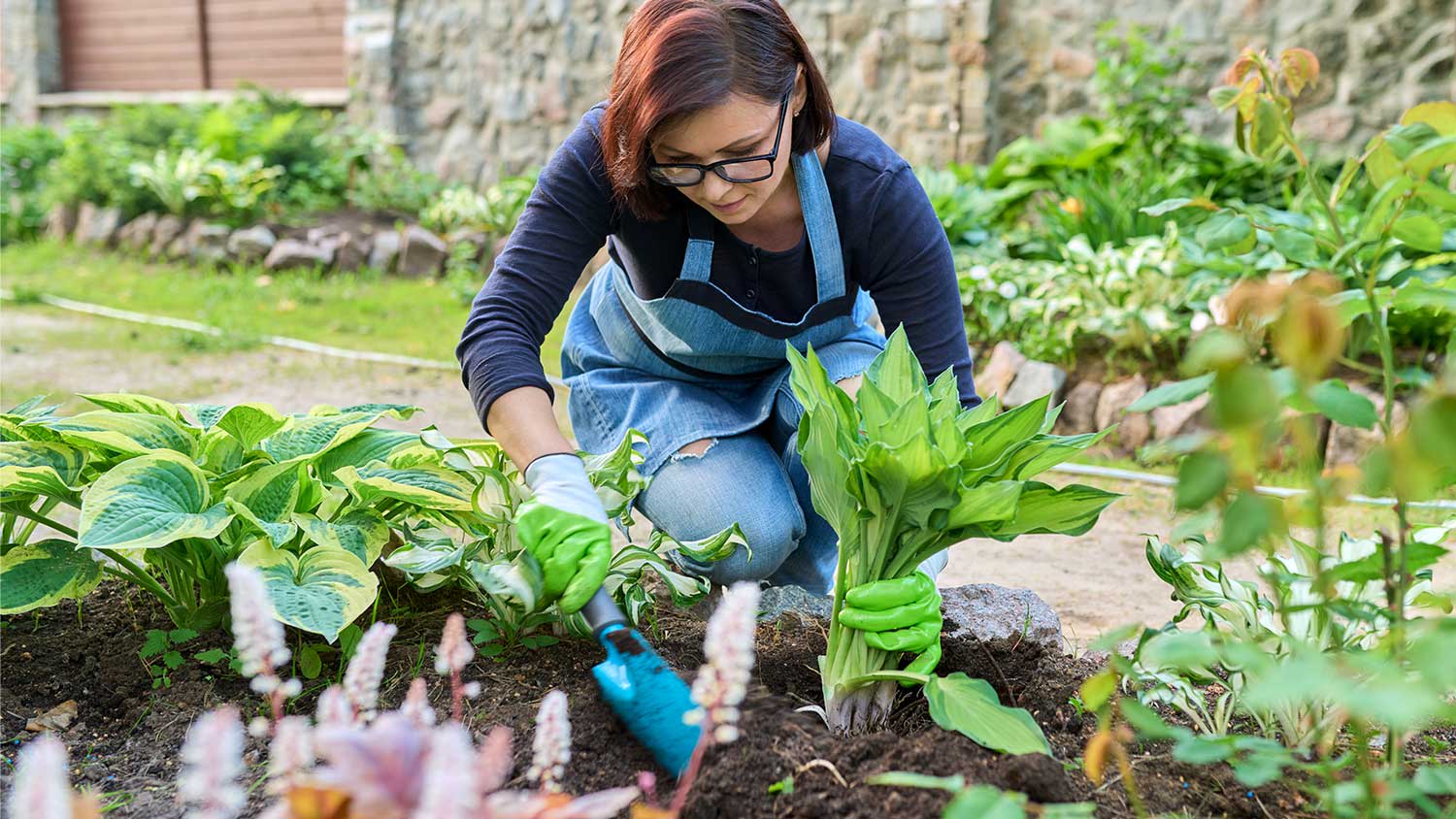
Hostas are hardy plants, but timing still helps. Find out when to plant hostas to help ensure they thrive year-round.
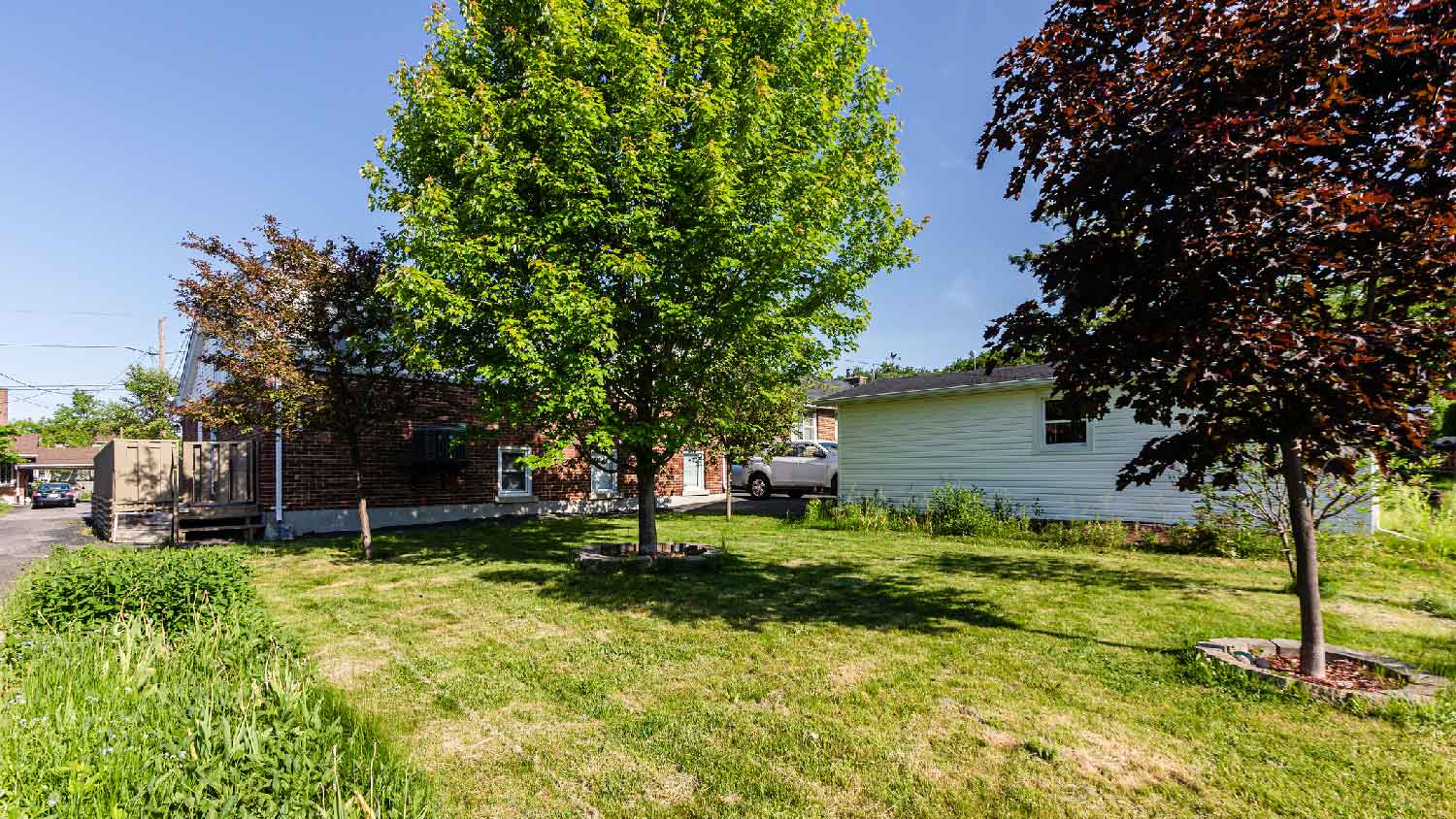
Transplanting large trees is typically the work of professional tree movers and arborists. However, you can move small existing trees as a DIY project.