
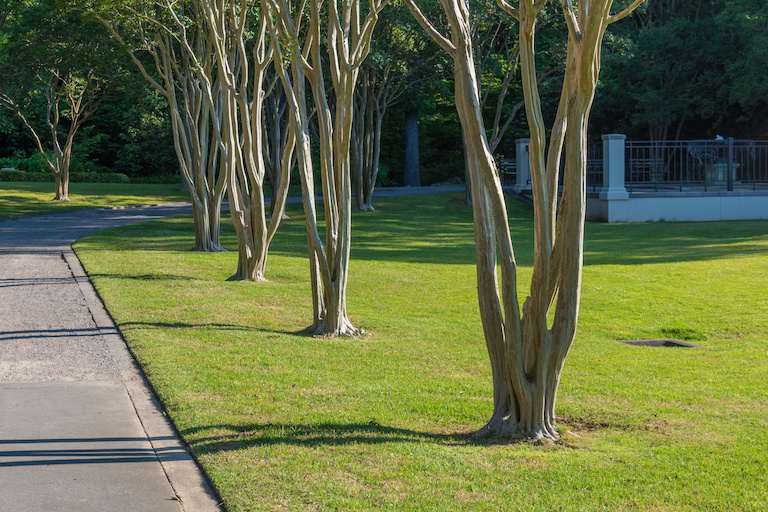
Find out how much it costs to plant a tree based on the number of trees, their size, where you want to plant them, and DIY versus professional costs.
It’s alive—no really, it probably still is

Reviving a dead plant starts with checking for signs of life like pliable stems, firm roots, or any green on the plant.
Your plant needs proper light conditions, so watch for yellowing from too much sun or spindly growth reaching for more light.
Overwatered plants develop root rot with mushy brown roots, so remove damaged roots, repot in fresh soil, and trim yellow leaves.
Hiring a local gardening professional provides expert help with pest control, fungal disease treatment, and propagation techniques to save your struggling plants.
So, you’ve killed your houseplant. Even avid gardeners miss the odd watering, causing their most fragile plants to dramatically wilt in protest. The good news is that, while a brown leaf is dead and gone, most plants that are seemingly dead have some life left in them. Learn how to save a dead plant with these simple tricks.
The truth is that most house plants that look dead aren’t actually dead. Some even go dormant in the winter like that seemingly dead tree in your backyard that blooms every spring (hello, purple shamrock and marble queen pothos).
So, how can you tell if your plant is dead or salvageable? You need to look for signs of life. You can probably revive your plant if there’s:
Stems that are pliable and firm
Roots that are pliable and firm
Green anywhere on the plant
Even the smallest sign of life will do. Most houseplants (except for the odd finicky fern) are quite resilient.
Unfortunately, yellow or brown leaves can’t be saved. In this case, your best bet is to give your plant a haircut. Trim your plant’s leaves, removing all the dead or damaged foliage to help save your dying plant.
This will give your plant more energy to focus on new growth because it’s not trying to maintain dying leaves.

Better light doesn’t necessarily mean more light. Plants can get a sunburn just like you. Most house plants thrive in medium to bright light, but some house plants like calathea require low light.
So, how do you tell if your plant is getting the right amount of light?
Plants with too much light develop bleached or yellowing leaves right around where the sun hits the foliage.
Plants with too little light drop leaves along the bottom of their stems and grow long and spindly. In other words, they’ll look like they’re reaching out for more light.
If your plant shows signs of sun damage, trim the damaged leaves, and move your plant away from the window or to a window in your home that gets less light (like a north-facing window). If your plant needs more light, either move it to a sunnier part of your home (like a south-facing window) or purchase an artificial grow light.
Native plants to arid climates (like succulents or cacti) don’t need a lot of water—but it’s not hard to accidentally overwater a tropical houseplant that thrives in humidity, either.
So, how do you know if your plant is overwatered? It has yellow leaves, moist soil, and sometimes, a little visible mold or fungus.
To save an overwatered plant from dying, do the following:
Remove the plant from the overly saturated soil
Look for root rot—if it’s present, a portion of the roots will be mushy and brown
Remove the damaged roots, carefully rinsing them clean with water
Repot your plant in a well-draining pot with fresh soil
Trim back any yellow or brown leaves
Since overwatering tends to flush out nutrients in the soil, feed your plant with fertilizer to promote healthy (and lush) new growth.
Underwatered plants wilt. Their leaves may become thinner, softer, or even wrinkled and curled. You’ll probably notice crunchy brown leaves or stems. If your plant shows signs of underwatering (or worse, drought stress), give it water:
Make sure your plant is in a pot with a drainage hole
Water it evenly, so the soil is moist but not sopping wet
Put the pot in a small tray of water so it can absorb water from below
Drought-stressed plants will take longer to recover with steady watering, so don’t worry if your plant doesn’t immediately perk up. After your plant does perk up, you can assess the damage. Remove the dead foliage and wait for lush new growth.

You may think pests only infect outdoor plants like milkweed or roses, but indoor plants can catch various pests—from aphids and spider mites to mealybugs and scale.
Visually inspect your plant for pests. You might see brown eggs, tiny insects, or nibbled leaves. In the case of mealybugs, it’ll look like spiderwebs or cotton.
To clear the infestation:
Dip a cotton ball in an alcohol solution (no more than 70% isopropyl alcohol)
Test the solution on a leaf to make sure it doesn’t burn your plant
Use the cotton ball to remove all visible pests and eggs
Once you remove the pests, you need to prevent a future infestation. Make your own insecticide with:
A solution of dish soap or insecticidal soap (1 to 2.5 teaspoons per gallon of water)
Neem oil (available at most garden centers)
Repeat this process every four to seven days until you’re sure all the pests are gone.
Plants need water to survive, but moisture attracts fungus. How do you know your indoor plant has a fungal disease?
Some common plant diseases include (but aren’t limited to):
Powdery mildew: a white, powdery coating on foliage
Downy mildew: top of leaves will have yellow spots; bottom will have white or gray mold
Black spot: Black spots on yellowing leaves
Rust: Reddish orange spots on leaves
Fusarium wilt: Browning, crispy edges on foliage
While fusarium wilt is incurable, most other fungal diseases can be mitigated by using a fungicide and/or cutting off the affected foliage.
Quarantine your sick potted plant away from your other indoor plants, repot it in fresh soil, and let it dry out between waterings. You want to remove as much of the fungus as possible and limit the moisture so it doesn’t have an opportunity to grow.

Sometimes, the best way to save a dead plant is to start fresh. If you’ve got a healthy leaf and a little bit of stem, you can grow a new plant. For most houseplants, you can do this two ways.
This method is for vining plants. You’ll have to first find the node, which is a little bump on the plant’s stem that the leaf grows out of.
Take a cutting of your plant, retaining a node and single leaf
Place the cutting in water (make sure the node is submerged)
After a few weeks, roots should grow out of the node
If your plant doesn’t have nodes, you can use division to separate a piece of the plant at the root.
Take your plant out of the soil
Use a sharp tool to separate a piece of the plant from the larger plant
Make sure this piece has roots
Plant the piece in fresh soil
When caring for your indoor plant, avoid regular water schedules. Instead, water your plant when the first inch of soil is completely dry. Use pots with drainage holes or put a layer of lava rocks or terracotta chips at the bottom of your pot. Avoid glazed or plastic pots, which prevent evaporation. Opt for terracotta, which is porous.
Some of the most practical plants include spider plants, snake plants, pothos, and philodendrons. They’re resilient and tolerate infrequent watering and low light, though they’ll thrive in bright indirect light.
No. These leaves are dying or dead. Cut them off and let your plant focus on new growth.
Custom Paint Jobs LLC made our home feel like a piece of art. Thank you for your creativity!
 Custom Paint Jobs, LLC
Window Depot did an amazing job on my deck. I wasnt sure what I wanted to do, but their composite decking was affordable and will last a long time. I am excited to have family over, and I am no longer embarrassed by my backyard. Jeff and the ground crew were polite, respectful, and caring for...
 Window Depot USA of Central Ohio
First of all, the gentleman I dealt with (Cam?) was very responsive to my many questions and concerns throughout the project, which is a huge plus to me. From the first time I met him for the estimate all the way til the completion of the job, he and his crew were professional and respectful....
 All Star Paving and Sealing
We had a 20+ year old landscape lighting system that needed replacement. Midwest Lightscapes worked with us to design a much improved lighting system, lighting the exterior of the house and the back yard. Installation of the 45 light system took one and one-half days, and went very smoothly....
 Midwest Lightscapes
Another great success for me on home advisor. This company did an awesome job on my landscaping and stayed within my budget. The best part, the work was complete within 2 days of my initial request. Professional and responsive. I highly recommend!
 Blue Ring Residential Services, LLC
The company no showed on me twice. The 2nd time was no call no show. They were responsive to set up the first appointment to perform the "landscape cleanup". 3 hours after their initial scheduled appointment time they called me to let me know they had some "problem" with the truck and their...
 Ruby Home and Hauling Services
Received ideas for future landscape plans...quote to do the work seemed a bit high but I did not have any other quotes to compare it to, so perhaps that is the going rates. <br />
 Landscapes By Terra, Inc
All around they have done a really great job. <br /> I have used JL Landscapes for the past 8 years. I own and operate my own commercial/residential real estate company where we own, operate, and maintain our own properties. JL Landscapes has been our exclusive landscaper for both our...
 J.L. Landscapes
Bought a half a cord of firewood from Pitzer with stacking last month. I waited to report so I could see how the wood burned. <br /> <br /> I have three pet peeves regarding landscapers, but Pitzer scored "A"s regarding all three. First, rather than having customers "leave a message" and...
 Pitzer Landscaping
I left a message on Sunday requesting to schedule a time to obtain an estimate/walk-through and received a return call in the morning of the following Monday. Mark worked with me and agreed to schedule the estimate/walk-through for the following Saturday. When Mark arrived for the...
From average costs to expert advice, get all the answers you need to get your job done.
Find out how much it costs to plant a tree based on the number of trees, their size, where you want to plant them, and DIY versus professional costs.
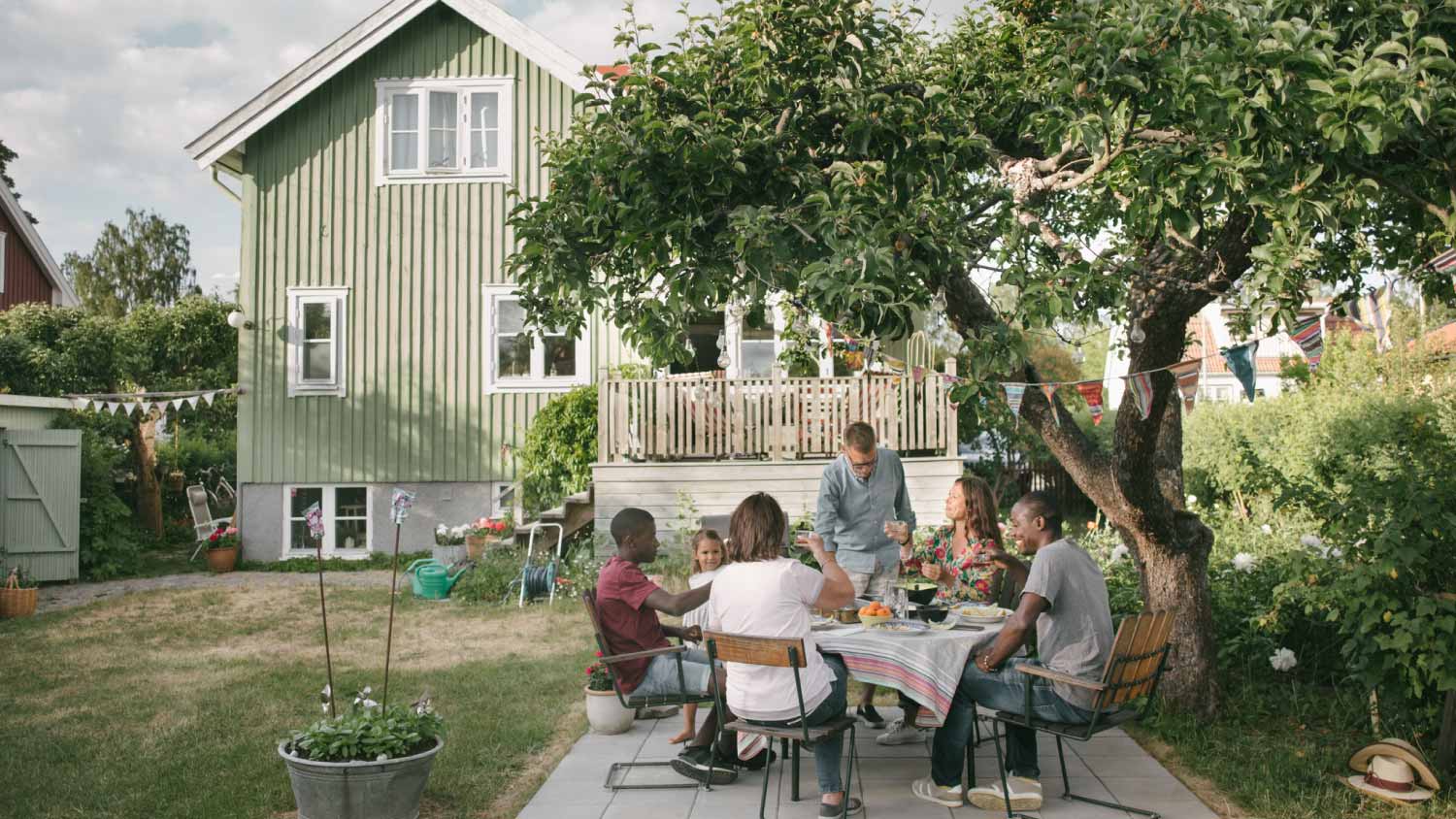
Have a beloved tree that is looking sick? Learn how to save a dying tree to restore it back to life.
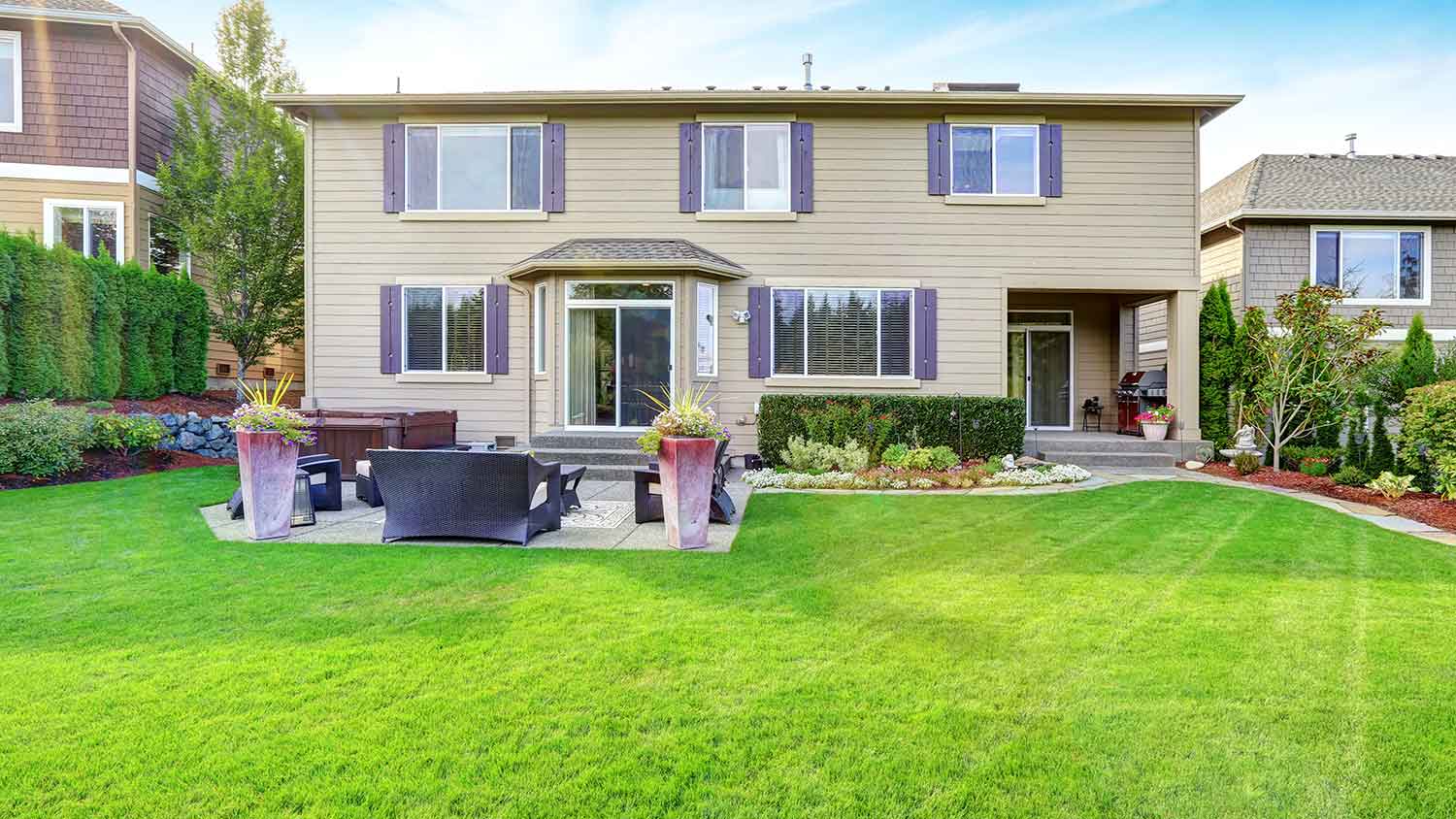
When your grass keeps dying where a tree used to be, it’s likely because there is a nutrient deficit in the soil in that area. Here’s how to fix it.

Preparing your plants for a safe move is easier than you think. For a head start, use these tried-and-true tips for a smooth move.

Packing houseplants for a move is often overlooked until the last minute. Learn how to pack your plants for a safe move, even in extreme conditions.
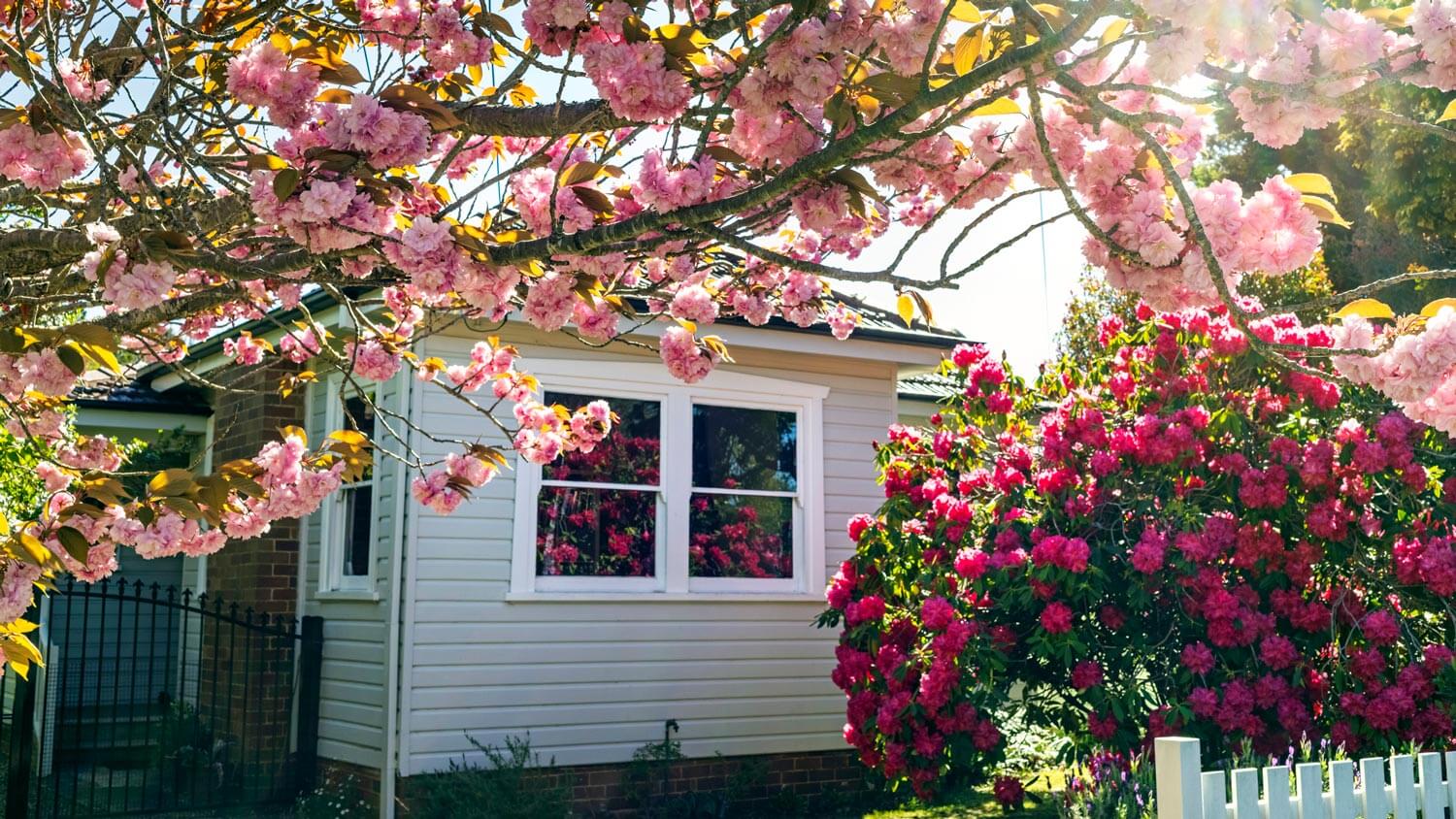
Hoping to reinvigorate your current garden with a few new blooms, veggies, or trees? We'll take it step by step, from choosing new plants to helping them grow.