

•
Discover the average indoor air quality testing cost, what impacts pricing, and how to budget for healthier air in your home.
Breathe easier with these tips in mind

Improving home air quality in your home starts with understanding what's causing the problem, whether it's dust, pet dander, mold, or harmful VOCs from household products.
Professional air duct cleaning costs range from $270 to $505, and indoor air quality assessments cost $290 to $585, helping you address issues before they worsen.
You can boost your air quality by replacing HVAC filters every one to three months, using exhaust fans, and controlling humidity levels below 50% to prevent mold growth.
Hiring a local air duct cleaning professional removes dust, allergens, and bacteria from your ductwork, helping you breathe easier and enjoy a fresher, healthier home.
Your home is a haven, but if you experience respiratory issues and allergies indoors, poor air quality is most likely to blame. Whether your specific problems are caused by dust, pet dander, mold, or even volatile organic compounds (VOCs), understanding how to improve indoor air quality should be a priority. Let's turn your dwelling into the healthy space you deserve.
Your first order of business is to understand the current state of your indoor air quality. A professional assessment will provide accurate readings for allergens, radon, and other harmful contaminants. The cost for an indoor air quality assessment ranges from $290 to $585, but your actual out-of-pocket costs depend on your home's size and location.

Your home's ductwork can be the hidden culprit behind poor indoor air quality. Dirty air ducts can circulate dust, allergens, bacteria, mold, and other airborne nasties throughout your abode, triggering respiratory problems. Hiring a local duct cleaning service will remove the buildup so you can enjoy the benefits of duct cleaning—a fresher, cleaner, and healthier home.
Homeowners can expect air duct cleaning costs to range from $270 to $505. The exact amount you pay depends on your location, the type and size of your ductwork, and the total number of vents throughout your home.
These fans are both commonly found in kitchens and bathrooms. When switched on, they remove moisture, cooking odors, and other airborne contaminants from everyday activities. Running these fans during and after cooking or showering keeps the air at home fresh and breathable.

Good old-fashioned ventilation—simply opening windows and doors—plays a key role in keeping indoor air fresh. Letting in outdoor air is an easy way to improve air quality, but only when the Air Quality Index (AQI) indicates the air is reasonable or moderate to avoid bringing in pollutants.
Air exchangers replace stale indoor air with freshly filtered air. As a result, they reduce humidity levels, remove pollutants, and prevent airborne contaminants from building up inside your home.
Most air exchangers are installed in basements, attics, or utility rooms and connected to the home's existing ductwork to distribute fresh air efficiently throughout the space.
Your HVAC system not only heats and cools your home but also significantly contributes to keeping indoor air healthy—but that only happens when the filters are clean.
Clogged, dirty filters trap pollutants and seriously reduce indoor air quality. Plus, dirty filters restrict airflow, making your system work harder, which can waste energy and eventually damage your system.
To keep your air clean, replace your HVAC filters every one to three months or as the manufacturer recommends. Homes with pets or unusually high dust levels may need more frequent changes. Homeowners can expect HVAC filter replacement costs to hover around $10 to $50.
Regular cleaning to remove dust and other pollutants will help control these irritants and create a healthier home environment. Your vacuum cleaner is one of the best tools in your home's arsenal, especially if it uses a HEPA filter to trap airborne particles that settle in carpets and furniture.
Dusting is also a great way to make your indoor air fresher. Use a damp cloth to stop particles from becoming airborne. Soft surfaces like bedding, curtains, and rugs harbor allergens. Washing these items often helps remove dust mites and other irritants.
While humidity can be good for your skin, excessive amounts create the ideal breeding ground for mold and even yucky dust mites to thrive in your home. Your indoor humidity levels should be ideally below 50%, so use a dehumidifier in damp spots, such as bathrooms and basements.
Address any leaks or water damage STAT to stop mold before it starts. It's also a good idea to keep your air conditioner running during the hot and humid seasons.
Your home likely contains several household products that contain volatile organic compounds (VOCs) that negatively impact indoor air quality. Cleaners, paints, synthetic air fresheners, and even new furniture can emit these harmful chemicals, which can cause respiratory irritation and long-term health concerns.
Reducing exposure to VOCs is an easy way to improve the air you breathe. To do so, choose natural alternatives whenever possible.
Indoor plants are a win-win because they improve your home's aesthetics and air quality. Many types naturally filter airborne toxins in addition to absorbing carbon dioxide, like the spider plant, which also sucks up carbon monoxide and formaldehyde. The snake plant is no slacker, either. It's known for removing and absorbing toxins like benzene and xylene.
If you want extra air filtration, an air purifier in high-traffic rooms will remove dust, dander, mold spores, and other toxins from your air. Choose a HEPA-certified purifier that captures even the smallest particles for the best results. The best part is that these units are compact and easy to move from room to room.
Radon and carbon monoxide are invisible, odorless gases that pose serious health risks if undetected.
So what to do? Protect your home by installing carbon monoxide detectors on every level and test them regularly to ensure they’re working correctly. Conduct a radon test to check for dangerous levels of this radioactive gas, especially if you live in an area prone to radon exposure. The average cost for professional radon testing is $420.
One of the best ways to protect yourself and your home investment is to watch proactively for indoor pollutants. Purchasing a smart air quality monitor will help you track changes in real time, measuring factors like humidity, CO₂ levels, and airborne contaminants. Even better, these gadgets can send instant alerts and recommendations whenever the air quality drops.
This service was great. My air conditioner went out during the heat spell that we had. My husband has health issues and they came out that night and at 9:30pm the air conditioner was fixed and running. We are sooo very thankful, this is the company I will be using from now on and would...
 Mr. Mechanical Ohio
I had FabClean 614 clean my apartment, and she did an outstanding job. She was so professional and efficient. My apartment looks absolutely spotless every surface, every corner, all cleaned to perfection. Definitely highly recommend FabClean 614 if you're looking for top-notch cleaning...
 Fab Clean 614
I would recommend this company to anyone! He showed up on time, was friendly, completed a very difficult repair on our dryer vent cover, was responsive, and pricing was extremely fair and competitive. I would have him back to do any of our repairs or cleanings without hesitation!
 U.S.A. Dryer Vent, LLC
Best cleaning I've had at my property
Fantastic group, very communicative, and they really did a great job cleaning my condo. Will be hiring them for recurring cleaning!
 eMaids of Northern Columbus
Ace Fireplace Services' chimney sweep service is truly exceptional. They used advanced technology to ensure a thorough cleaning process, and my chimney has never looked better. I highly recommend their services.
 Ace Fireplace Services
100% satisfied with the work done by Supreme Brick & Chimney. Josh responded to my Angi request very quickly and squeezed our house into his schedule only a couple business days out. The chimney cleaning process was extremely clean with ZERO dirt going anywhere besides in Josh's vacuum. Very...
 Supreme brick & chimney
Excellent the crew was great did what I ask cleaned up and the price was awesome
 All Star Paving and Sealing
I definitely recommend Ramonaâ s cleaning service! I have booked services with her many times and she arrives on time, ready to work and provides a great service.
 Your Cleaning Solutions LLC
Mary Cleaning Service is fantastic! The entire team is professional and pay a great deal of attention to detail. They do such a thorough job of cleaning my house. I would definitely recommend!
From average costs to expert advice, get all the answers you need to get your job done.
Discover the average indoor air quality testing cost, what impacts pricing, and how to budget for healthier air in your home.

Good health isn’t just about eating right and exercising. Your home’s indoor air quality can also have a big impact on your health. Our indoor air quality assessment checklist can help you detect harmful molds, allergens, bacteria, and more.
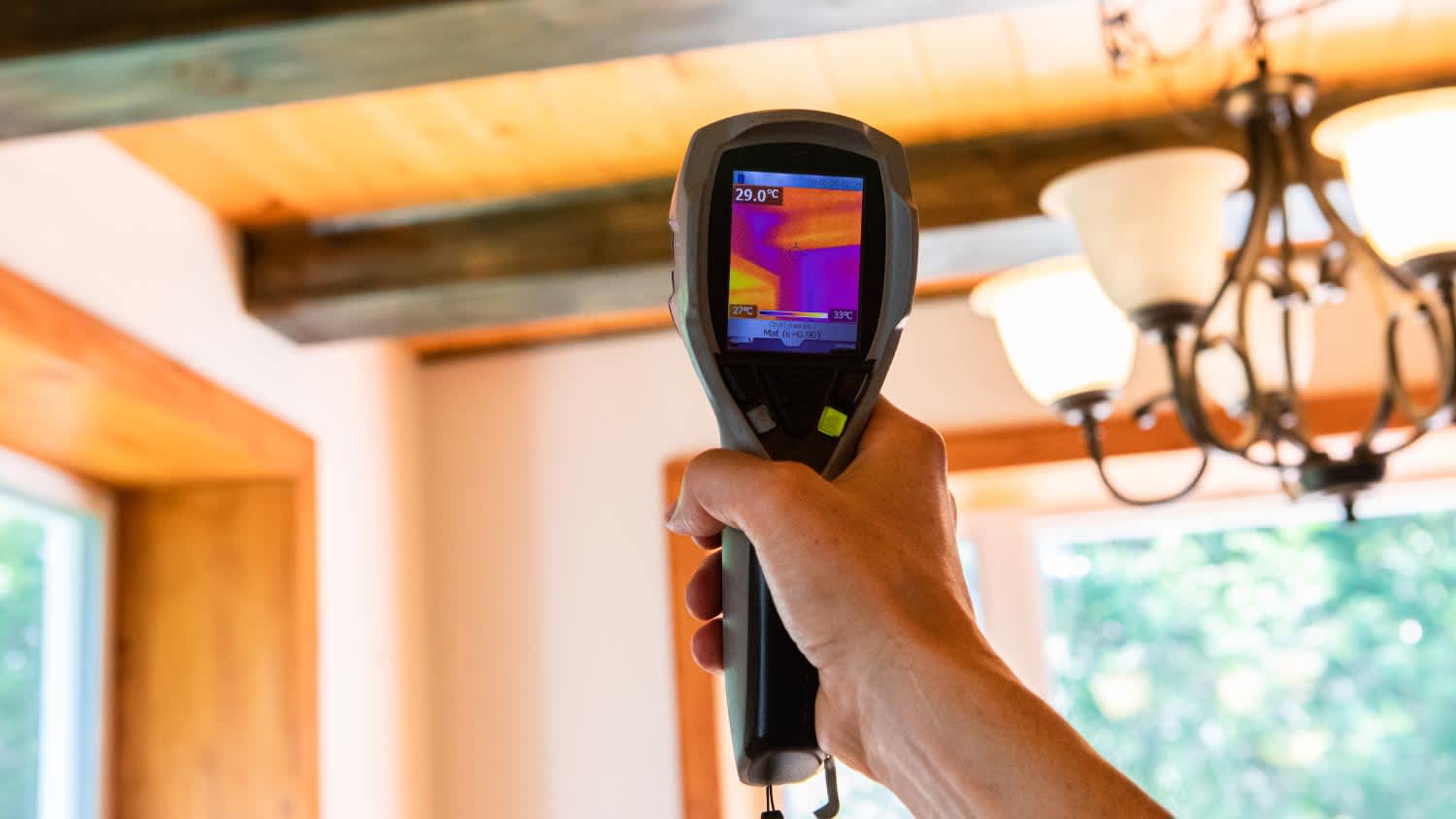
Not sure who to hire to test indoor air quality? Learn about indoor air quality testing, the right pros to call, and what to expect—start here.

If you’re planning on hunkering down through March, you’ll need to prioritize ventilation for clean air. Read on for tips on how to improve indoor air quality in the winter.

How clean is the air in your home? There are more contaminants lurking inside than you think. Read on to learn what they are and ways to improve indoor air quality.

Experiencing unexplained allergies or musty odors? Learn about indoor air quality testing costs, warning signs, and how to hire the right local pro.