
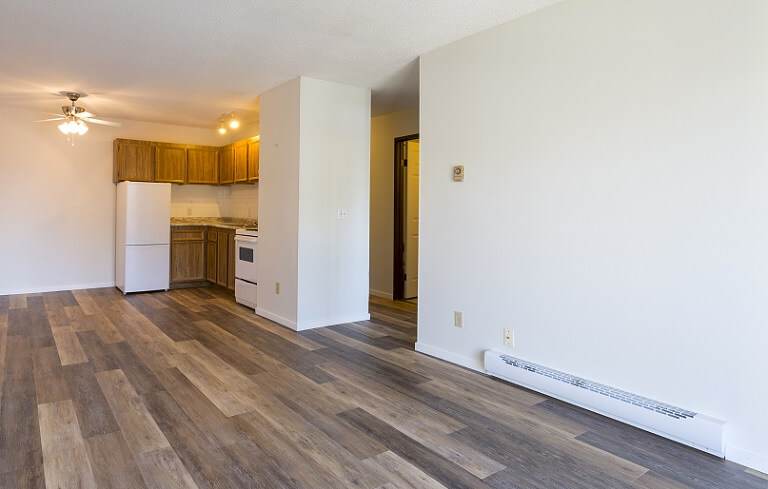
Baseboard heaters are smart, budget-friendly options. However, the exact cost of installation depends on the type of heater you choose and the size of your home.
Some consider hydronic baseboard heaters the crème de la crème of baseboard heating

Hot water baseboard heating systems circulate heated water through baseboard units to radiate warmth, making them more energy-efficient than electric convection models in your home.
Expect to pay $390 to $1,190 for professional electrician installation, and hydronic heaters last over 20 years with minimal maintenance requirements.
Your hydronic baseboard heater needs at least 12 inches of clearance from curtains and furniture to operate safely and prevent any fire hazards.
Hiring a local wall heater repair professional provides reliable help with BTU calculations and proper installation, keeping your heating system running efficiently.
If you’re planning to upgrade your current baseboard heating, consider hydronic baseboard heaters. What is a hydronic baseboard heater? They use water to distribute radiant heat around a room, making them much more energy-efficient and cost-effective than their counterparts. Learn more about hydronic baseboard heaters and whether they are right for your home.
If you’ve lived in an older home, then you are familiar with baseboard heaters. While they’re not known for their beauty, these systems are powerful, quiet, and enduring options for homeowners who prefer maintenance-free cozy living.

Hydronic baseboard heaters warm liquid in a sealed unit (usually water, but sometimes oil). This provides radiant heat to warm individual rooms inside your home. Each heater uses a thermostat to regulate the temperature, allowing you to switch on the boards only in the rooms you’re using. Their long metal framework provides a consistent, slow, and gentle flow of heat. Working similarly to radiators, you install them running along baseboards in a room.
It’s not just energy efficiency that makes this type of baseboard heater a popular choice.
Because water’s thermal mass holds heat better than the air inside a convection baseboard heater, hydronic systems won’t fluctuate as much. This means your thermostat won’t kick on and off as it would with a convection unit. Even after the thermostat turns off, a hydronic unit still emits heat.
Also, water runs along the entire baseboard unit length, which spreads heat more evenly rather than focusing on one spot. Because you can install baseboard heaters in individual rooms you want to heat, rather than the entire house, this also conserves energy.
A system that heats water rather than pushes out warm air will blow less dander and dust around your home. This is helpful for people living with allergies as well as those with concerns about indoor air quality.
Your baseboards are stationed on your, well, baseboards, rather than within your ceiling. You won’t have the constant hum of air moving through ducts or blowing through vents with hydronic baseboard heaters—they’re very quiet.
The gentle stream of heat hydronic heaters emit from their surface makes them an ideal choice for homes with children or pets. You don’t have to worry about burns if they press up against the heaters the way you might with some heaters.
However, it’s still a good idea to keep flammable soft furnishings at least 12 inches away from the front of the heater as a general safety precaution.
Long-lasting baseboard heaters are less complex than many other heating systems. Consequently, their maintenance requirements aren’t taxing, and repairs will be minimal. There’s no ductwork or moving parts to contend with.

Hydronic baseboard heaters aren’t for everyone—and like all heating systems, they have their drawbacks.
Overall, hydronic baseboard heaters disperse air faster than convection baseboard styles and are fairly inexpensive to install. But they’re often more expensive to run than systems using heat pumps or forced air because the system turns on and off more frequently as the temperature changes in your home. This regular fluctuation uses up more energy to consistently heat rooms.
Air can enter the heating system during routine maintenance or if there is a tiny leak present. This trapped air can interrupt water flow and affect the heating process. However, bleeding the pipes can resolve this problem, and you can easily do this without professional help.
Because you have to wait for the water in the unit to heat on demand, it takes longer for your room to warm up than it does with convection baseboard systems.
Keeping the units clear of furniture or long curtains that would block the heat can limit the functionality of a small room. But adequate breathing room is required for the performance of these systems. This means your long heaters must remain in full view—and not everyone appreciates their basic industrial look.
Think about how much dust gathers on the legs of your furniture and in other corners of your floor. Because hydronic heaters sit low to the ground, expect your boards to be a dust magnet. Plus, all heaters will rust and the paint will chip over time, so regular cleaning is necessary for baseboard units.
Although baseboard heaters might not be as energy-efficient as heat pumps or furnaces, they’re inexpensive to install and built to last. Hydronic baseboard heaters cost more than convection heaters, but could eventually balance out given that they can last 20+ years.
Expect to pay an average of $200 to $250 for the heater itself. The average cost to have a licensed electrician install an electric baseboard heater is between $390 to $1,190. It’s recommended to let a pro simplify the process and complete the installation for you.
Baseboard heaters are generally safe for home use. For one, its surface doesn’t get as hot as a radiator might. This means you won’t have to worry about burns should little fingers become curious. While contact burns are less of a risk, hydronic heaters require that you keep window coverings, furniture, open doors, and other flammable materials at least a foot away.
The size of your home will be your most influential factor in finding the best hydronic baseboard heater. The bigger the home, the higher power rating you’ll need.
Unlike electric baseboard heaters, which use watts to calculate power rating, hydronic heaters use BTUs to measure heat energy. Calculating BTUs can get kind of tricky, so consider asking a local wall heater repair or installation specialist to help you determine what size baseboard heater you need. They’ll factor in the location of the room, the type and amount of insulation, and the typical number of people using the room, in addition to room size.
Convection baseboard heaters, on the other hand, draw in cool air and push out warm air through the process of convection. Rather than liquid, the air heats via internal electric coils, which work similarly to those found in a toaster. This is a faster method, but it requires more energy to heat.
I have used Columbus Worthington Air for years and recommend them whenever I have a chance. The staff is quick, courteous, and well-trained.
 ARS Columbus Worthington Air
If you’re good people wanting to do business with good people, hire Matt. He is a consummate professional and utterly competent. He installed a water heater in my home at a price that beat competitors by hundreds of dollars with a promise to support the unit for its life (even after its 6 yr...
 Greene's Plumbing Services
Corey Carr was great. I had damage from a recent storm and needed to have my mast and other components replaced. The project entailed coordinating with AEP, and Corey helped make a stressful situation a lot less stressful. I really appreciated his dedication to service and the job very well done.
 Mr. Electric of Columbus
This service was great. My air conditioner went out during the heat spell that we had. My husband has health issues and they came out that night and at 9:30pm the air conditioner was fixed and running. We are sooo very thankful, this is the company I will be using from now on and would...
 Mr. Mechanical Ohio
Great company! Price was competitive, technician showed up on time and completed the job (exterior electric Radon fan replacement) quickly. Would hire them again.
 MaGen Property Inspections and Radon Mitigation
Raven and crew does absolutely fantastic job. They are very professional if any concerns were to occur with any of her work she always took responsibility and finished out with a great job. I have worked with her business for a year and have always been satisfied. Very trusted business and...
 Creations of Transformation LLC
I would recommend this company to anyone! He showed up on time, was friendly, completed a very difficult repair on our dryer vent cover, was responsive, and pricing was extremely fair and competitive. I would have him back to do any of our repairs or cleanings without hesitation!
 U.S.A. Dryer Vent, LLC
Ace Fireplace Services' chimney sweep service is truly exceptional. They used advanced technology to ensure a thorough cleaning process, and my chimney has never looked better. I highly recommend their services.
 Ace Fireplace Services
The technician was very professional and friendly. He answered all my questions and was very thorough. He left the fireplace area very clean . He inspected from the roof and advised me as to other work that might need to be done. There was no pressure there. I was very satisfied with the...
 Supreme brick & chimney
On time, clean and finished fast. Windows seem sturdy and the finish is good. Caulking was done with no smudges. Would recommend.
 Window Depot USA of Central Ohio
From average costs to expert advice, get all the answers you need to get your job done.
Baseboard heaters are smart, budget-friendly options. However, the exact cost of installation depends on the type of heater you choose and the size of your home.

Discover the average baseboard heater installation cost, including price ranges, key cost factors, and tips to help you budget for your home heating project.

Choosing baseboard heaters can be confusing. This electric hydronic vs. electric baseboard heater comparison guide will help you select which type is best.
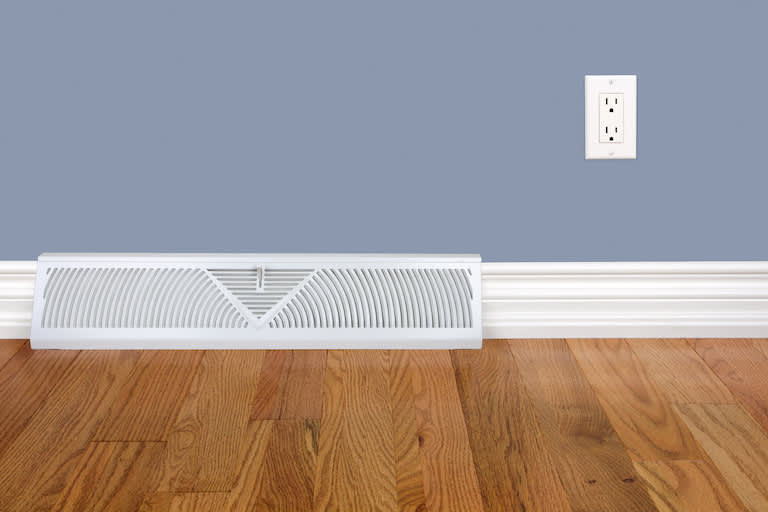
Upgrading your heating system or moving into a new space? Baseboard heaters line the bottom of a room, sending warmth into your home from the ground up. We’ve rounded up the top pros and cons you need to know about this common heating setup.
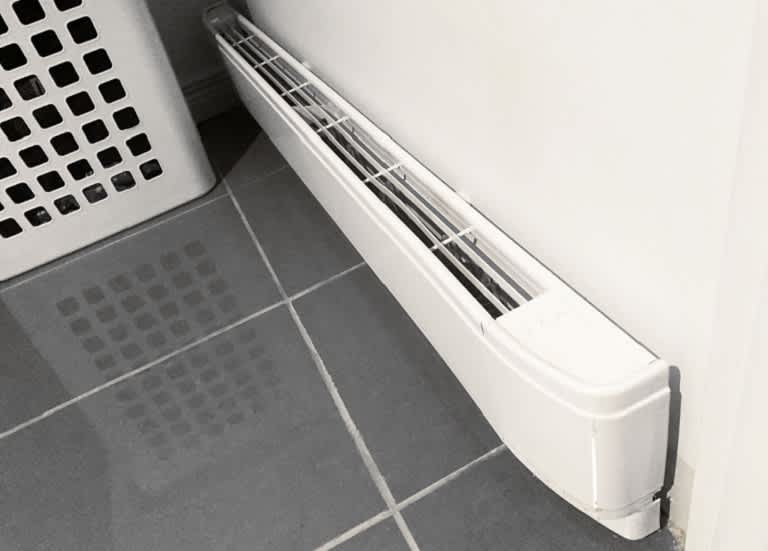
Find and hire a qualified pro to repair your baseboard heater. Learn about services, costs, questions to ask, and what to expect from start to finish.
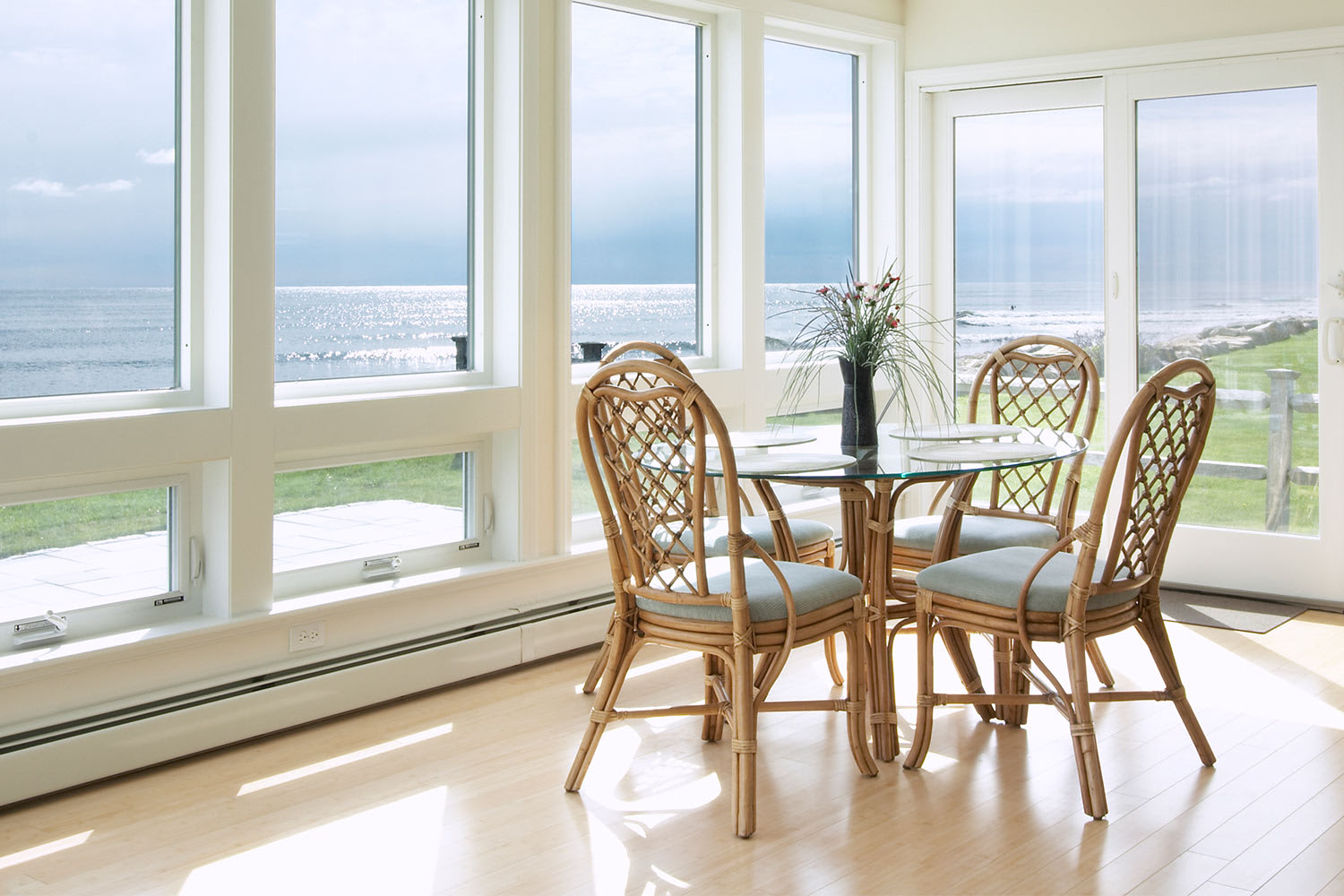
Are baseboard heaters efficient? If you’re concerned about your energy costs, we’ve got the details you need to consider.