


If you discover a wasp nest near your home, you’ll want to remove it ASAP. Learn wasp nest removal cost factors in this guide.
Pest control costs depend on your project and location. Check with a local pro for your specific job.


Professional bee removal averages $150 to $500, with higher totals for hard-to-reach hives in your home.
Your final cost depends on bee species and hive location, since aggressive Africanized honeybees require specialized handling.
Plan for repairs after removal, since your drywall replacement runs $275 to $750 and soffits need patching.
Hiring a local bee removal pro protects your household from stings and supports safe, minimally destructive hive removal.
In 2026, the national average cost of bee removal is $180, though your total will depend on hive type, bee species, and colony accessibility. Most homeowners pay between $150 and $500, with costs climbing up to $2,000 when hard-to-reach locations require additional carpentry work. In some cases, a beekeeper may remove the bees for free—but plan for post-removal repairs, such as drywall replacement and soffit patching.
Though removing the hive itself can be a relatively quick and painless process, there are several other factors to consider when hiring a pro to identify, relocate, or exterminate an active bee colony. Here's a breakdown of how you can expect to spend your money.
The size of a bee infestation is one of the biggest factors in what you pay, with large nest removal running $600 to $1,000 and a small, singular hive costing $180 or less. Bee colonies can range from 20,000 to 80,000 insects, so a larger hive means significantly more work for the removal expert. Multiple hives will increase your total, though each additional hive costs less than the first since initial labor—such as cutting into a wall—is already covered.
The following table breaks down estimated bee removal costs based on the size of the hive:
| Size of Hive | Average Cost in 2026 |
|---|---|
| Small | $75–$180 |
| Medium | $450–$600 |
| Large | $600–$1,000 |
Where bees are located in your home is a major driver of removal costs, with chimney removals landing at the high end of the price range. Bees inside a structural wall cost more to remove than a hive attached to an exterior gutter, and repair costs for drywall, decking, or roofing add to the total once access has been cut. The table below breaks down bee removal cost guidelines based on location:
| Location | Average Cost in 2026 |
|---|---|
| Roof/attic | $200–$1,100 |
| Inside of wall/ceiling | $200–$750 |
| Chimney | $200–$1,500 |
| Tree | $200–$650 |
The type of bee on your property directly affects removal costs, since each species requires different handling and expertise. Docile species are easier and less expensive to remove, while aggressive or invasive bees demand more specialized care. Consult with a professional beekeeper to identify the type of beehives on your property before scheduling removal.
Refer to the table below for the average cost to remove different types of bees, plus a description of each one:
| Type of Bee | Average Cost to Remove in 2026 | Description |
|---|---|---|
| Honeybee | $75–$2,000 | One of the most common types of bee colonies found in residential areas. Relocation is key as they are important pollinators. |
| Carpenter Bees | $75–$500 | These docile bees can cause structural damage to your home if they are not removed. |
| Bumblebees | $75–$500 | A professional beekeeper may encourage keeping a bumblebee hive, as they rarely sting and live in small colonies. |
| Africanized Honeybees | $100–$1,000 | Known as the “killer bee,” they are extremely dangerous if provoked. Do not try to remove this type of bee colony yourself. |
| Bee Swarm | $125–$200 | A group of bees without a nest or hive, typically led by a queen as they search for a new home. They are relatively docile and easy to control. |

Bee removal costs vary widely, and several additional factors beyond the hive itself can add to your final bill. Identifying the bee species and pinpointing the nest location are two common cost drivers that homeowners often overlook. Budgeting for these extras upfront helps you avoid surprises once the work begins.
Hiring a professional beekeeper to identify the bee species on your property typically costs $75 per hour, though that rate can climb depending on the hive's location and the severity of the infestation. Free inspections and quotes are available from some companies, so it is worth asking before you commit. Getting an identification done early helps ensure the right removal method is used from the start.
When a bee colony has settled behind a wall or inside a ceiling, demolition is required before removal can begin, and you may need to hire a local carpenter to restore the damage afterward. Rebuilding costs vary by surface: drywall replacement runs $275 to $750, and ceiling repairs typically cost $300 to $1,000. Deck repairs range from $250 to $2,500 depending on size and damage, while soffit repair costs $6 to $20 per linear foot.
Here are some of the rebuilding costs you may encounter:
Drywall: If a bee removal expert knocked out some drywall, you will pay $275 to $750 to get it replaced.
Ceilings: Bees are occasionally attracted to ceilings. If a specialist had to destroy some portions of your ceiling to get at a hive, expect to pay $300 to $1,000 for repairs.
Decks: Some types of bees like to make their homes under or inside decks. Deck repairs will cost $250 to $2,500, depending on the deck's size, type, and extent of damage.
Soffit: This is a board often located on the underside of a roof's eave, helping bridge the gap between siding and the outer edge of the roof. Unfortunately, the location of the soffit makes it a likely target for beehives. Repairing the soffit will cost $6 to $20 per linear foot to repair.
Where you live has a real impact on bee removal costs, so talk to a local bee remover to get an accurate quote for your area. Heavily populated cities tend to run higher due to regional inflation, while local weather patterns and the availability of professional beekeepers in your area also influence pricing. Here are some price estimates for bee removal services in cities throughout the U.S:
| Location | Average Cost to Remove Bees in 2026 |
|---|---|
| Minneapolis | $160 |
| San Francisco | $240 |
| Denver | $130 |
| Chicago | $160 |
| Los Angeles | $240 |
| Phoenix | $110 |
| Baltimore | $230 |
Relocation is the preferred method of bee removal whenever possible, since bees are vital pollinators and extermination introduces harmful chemicals into the environment. In urgent situations—such as a severe allergy to bee stings—hiring an exterminator may be necessary. Here are the different types of bee removal services, along with their average costs:
| Type of Service | Average Cost in 2026 | Description |
|---|---|---|
| Relocation | $100–$800 | This involves safely removing and relocating the bees to a more suitable habitat because of their vital role as pollinators. |
| Extermination | $150–$1,000 | If you are highly allergic to bees or it’s an invasive species, then extermination may be necessary. |
| Professional Removal | $75–$1,000 | A bee specialist prioritizes saving the bees and will remove the hive and relocate it. |
Bee removal is the process of safely and humanely relocating bees from an unwanted location to a more suitable one. Bees are crucial pollinators, and harming them can have unintended consequences. When bees are disturbed or killed, they leave honey behind that may seep down and damage your home, leading to unexpected expenses. In a nutshell, protecting bees with proper and professional relocation is a wise ecological and financial move.
Here's a basic overview of the bee removal process .
The first step is to assess the situation. A professional bee remover will identify the type of bee species, the size and location of the hive, and any potential risks involved.
The main goal is to remove the entire hive, including the queen bee and her colony. Depending on the location and accessibility of the hive, different methods may be used, such as vacuuming, smoking, or carefully cutting and extracting the hive.
After removing the hive, the next step is transporting the bees to a safer and more appropriate location, such as a beekeeping facility or another bee-friendly environment.
When damage occurs during removal, such as cutting through walls or ceilings, the bee removal team may also be responsible for making necessary repairs. In some instances, you may need to hire a local carpenter .
To prevent future bee infestations, experts may offer advice on sealing entry points, removing attractants, and taking other measures to deter bees from returning to the exact location.
It's best for professionals with experience in handling bees to remove them for safety and to disrupt the environment as little as possible. Attempting to remove bees without proper knowledge and equipment can harm bees, people, and the ecosystem.
If the beehive is easy to get to (in other words, it doesn't involve tearing down any walls), some beekeepers may offer to remove the bees for free or for a donation. It's more likely that you'll find free removal for honeybees, as those bees can then work on a honey farm. It's also more likely to get free bee removal for swarms rather than established hives since they're relatively easy to capture and relocate to a new hive.
Removal that requires more specialized equipment and expertise will most likely come with a cost, though. Expect to pay somewhere in the $150 to $500 range for established hives, especially if demolition or repairs are necessary.
Hiring a bee removal pro near you costs between $100 and $500 on average, which is nearly 100% of the total cost of the project. Most bee removals that require accessing the interior parts of your home's walls require professional services, so you can expect higher costs to reflect labor rates from the removal and reparation process.
We recommend working with a bee removal company to safely remove bees, and here's why:
While you can remove more docile bee species, like carpenter bees , with minimal cost or risk, more dangerous species require professional intervention.
Aggressive bee species can lead to severe injuries—especially if you're allergic to bee stings.
Some pros can humanely remove bee colonies and relocate them to a more suitable environment.
Pros have the tools and skills to access bees from hard-to-reach areas and repair those areas.
Your pro can address structural issues that lead to bee infestations and offer solutions to prevent future bee hives.
Bee removal pros understand the legal requirements for removing certain types of bee species.
While home insurance and home warranties don't typically cover pest control, it's still worth checking the fine print to see if you signed up for special add-on warranties for pest control.
Even though it's best to leave bee removal services to the pros, there are still steps you can take to help out:
Clear any debris blocking access to the bees.
Trim trees or shrubs that make it hard to remove bees.
Study the entry points to help direct your pro to the correct areas of your property.
There are several ways you can save money on bee removal costs.
Contact a local beekeeping association: One of the best ways to cut costs and save the bees is to contact local beekeepers and beekeeping associations. They have the equipment and expertise to properly remove and relocate the bees to a new habitat and sometimes will do it for free or at a lower cost.
Compare pricing: Another way to save money is to compare prices when hiring a bee removal specialist. Get at least three quotes to compare pricing.
Look for free consultations: Some bee removal services offer free consultations so you can gauge the scope of the problem before paying for a treatment.
Decide whether you want humane bee removal services or extermination services. Consult your bee removal pro about your options.
Be prepared to spend extra on structural repairs if the bees are inside your property.
If there is room in your budget, talk with your pro about preventative measures to keep bees off your property.
Consider hiring a carpenter separately for any structural repairs that may be needed after removing the bees for the highest-quality repair service.
Home is the most important place on earth, which is why Angi has helped more than 150 million homeowners transform their houses into homes they adore. To help homeowners with their next project, Angi provides readers with the most accurate cost data and upholds strict editorial standards. We extensively research project costs to develop the pricing data you see, so you can make the best decisions for you and your home. We rely on reputable sources, including the U.S. Bureau of Labor Statistics, academic journals, market studies, and interviews with industry experts—all to ensure our prices reflect real-world projects.
Want to help us improve our cost data? Send us a recent project quote to [email protected]. Quotes and personal information will not be shared publicly.
A reliable team for moves across state. My switch to a new place needed careful lifting through tight hallways. The movers checked the doorway first, then carried heavier pieces with slow, controlled movements. Their patience helped prevent damage, and I?d choose them again.
This company does it right. Firstly, I want to say that Landan was a joy to work with. He was so kind, transparent, and had everything under control. His entire team showed up ready to work and they were all very respectful of the fact that we were in an office space. A little backstory – we...
 Krumlauf Floors
I had FabClean 614 clean my apartment, and she did an outstanding job. She was so professional and efficient. My apartment looks absolutely spotless every surface, every corner, all cleaned to perfection. Definitely highly recommend FabClean 614 if you're looking for top-notch cleaning...
 Fab Clean 614
Raven and crew does absolutely fantastic job. They are very professional if any concerns were to occur with any of her work she always took responsibility and finished out with a great job. I have worked with her business for a year and have always been satisfied. Very trusted business and...
 Creations of Transformation LLC
I would recommend this company to anyone! He showed up on time, was friendly, completed a very difficult repair on our dryer vent cover, was responsive, and pricing was extremely fair and competitive. I would have him back to do any of our repairs or cleanings without hesitation!
 U.S.A. Dryer Vent, LLC
Best cleaning I've had at my property
Ace Fireplace Services' chimney sweep service is truly exceptional. They used advanced technology to ensure a thorough cleaning process, and my chimney has never looked better. I highly recommend their services.
 Ace Fireplace Services
This company went above and beyond with their work, chimney sweeps are usually pretty messy, but the clean up was spot on.!! Josh explained every thing that he was doing, and the things that he was checking to make sure the chimney was safe for me and my family. He was very professional,...
 Supreme brick & chimney
Good workers and they do a good job.
 Mira Construction
Mary Cleaning Service is fantastic! The entire team is professional and pay a great deal of attention to detail. They do such a thorough job of cleaning my house. I would definitely recommend!
From average costs to expert advice, get all the answers you need to get your job done.
If you discover a wasp nest near your home, you’ll want to remove it ASAP. Learn wasp nest removal cost factors in this guide.
When calculating wildlife removal costs, you’ll need to consider the type, size, and amount of animals. Our guide will show you the wildlife removal cost.

Discover what the current average tree removal cost is based on different factors to know how much it will cost to take care of a dead or troublesome tree on your property.
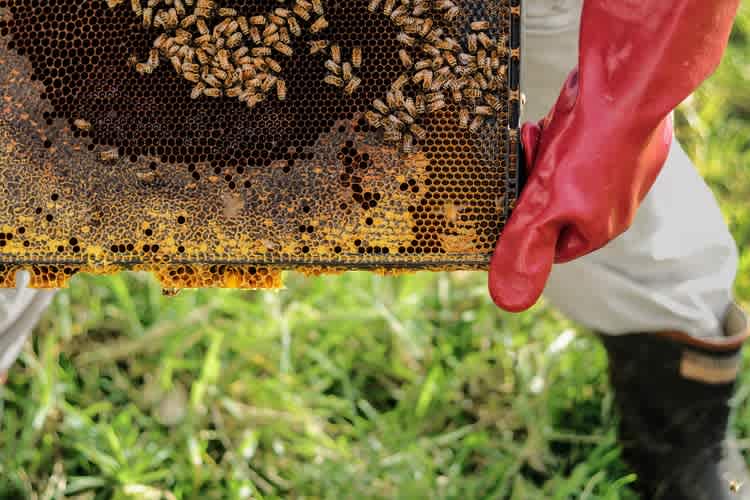
Learn how to hire a bee removal specialist. Find qualified pros, ask the right questions, and safely relocate bees from your property with our expert guide.

Bee removal is a task best left to professionals for the safety of both people and the bees. Find out who to call for bees.

Conducting bee-friendly removal saves vital colonies and avoids the use of harmful chemicals. Learn more about the benefits of live bee removal.