

If you discover a wasp nest near your home, you’ll want to remove it ASAP. Learn wasp nest removal cost factors in this guide.
Just because they all have stingers doesn’t mean they’re the same kind of insect

Hornets, bees, and wasps all have six legs and live outdoors, but hornets are the largest while bees are the smallest and fuzziest.
Expect to pay $75 to $2,000 for bee removal, $100 to $1,300 for hornet removal, and around $375 for wasp removal services.
Your choice between removal methods depends on the insect type, nest location, colony size, and whether the species poses an immediate threat to your family.
Hiring a local bug company provides safe removal of stinging insects without putting you at risk of painful stings or allergic reactions.
You may use the terms interchangeably, but there are many major differences between hornets vs. bees vs. wasps. Any of these insects may sting when provoked, but these critters vary in their scientific classifications, appearances, and diets. Before you try to handle a swarm of buzzing insects in your yard, follow this handy guide to identify the pest.


| Types of Differences | Hornet | Bee | Wasp |
|---|---|---|---|
| Size | ¾–2 inches | 0.08–1½ inches | ⅓–1 inch |
| Color | Black, white | Brown, yellow, black | Black, yellow, brown, red, white |
| Number of Legs | 6 legs | 6 legs | 6 legs |
| Host Preference | Insects | Insects | Insects |
| Habitat | Outdoors | Outdoors | Outdoors |
| Disease | Do not carry disease | Do not carry disease | Do not carry disease |

With several types of hornets and thousands of types of wasps and bee species, telling the difference between hornets vs. bees vs. wasps can be tricky. Some species are bound to resemble one another. But there are some common characteristics to inspect.
Though hornets come in all sizes, they can grow to be fairly large when compared to a wasp or a bee. It can be tricky to tell a hornet from a wasp, as they have similar features, but hornets tend to have a wider waist than wasps.
Size: Hornets may range from ¾ to 2 inches or more.
Color: They can have a range of colors from yellow to orange and red, or black and white. You may want to research what local hornets look like.
Shape: Of the three species, hornets can be the largest and widest. They are not as narrow in appearance as a wasp.
Texture: A hornet’s body is very smooth with only a little bit of fuzz on the abdomen.
Bees are the smallest of the species, and they can be very tiny.
Size: Bees tend to range from around 0.08 to 1½ inches long.
Color: Bees are yellow and black or orange and black.
Shape: Unlike wasps and hornets, bees tend to be rounder and don’t have a slim waist.
Texture: Bees are usually fuzzy, with hair-like filaments, called plumose, on their bodies. These “hairs” collect pollen when the bee goes into a plant to feed.
Wasps can come in all different shapes and sizes, but bees are usually smaller than wasps, and many types of wasps are smaller than hornets.
Size: Wasps range in size from ⅓ to 1 inch long.
Color: These insects have bright colors, like yellow or red, alternating with bands of black around their body.
Shape: Wasps have a tiny waist and are much more slender than a bee. Of the three species, wasps will have the tiniest waist and appear the most slender.
Texture: Wasps won’t have a fuzzy texture, but like a hornet, they may have some plumose on their abdomen.
Check out how these insects differ in their diets.
Hornets are predators that hunt and eat other insects, including bees and wasps, but also crickets, caterpillars, flies, and grasshoppers. They tend to feed on live prey, and don’t scavenge like wasps.
Bees eat nectar and pollen from flowers, and will eat bee bread, or fermented pollen. They don’t feed on other insects.
Wasps are a very diverse group of eaters, depending on the species. Wasps may act like hornets, and prey on crickets and caterpillars, and even spiders, but usually this is to feed the kill to their larvae. Adult wasps will eat nectar, much like a bee.

Examine the places these pests hang out, plus how they behave.
Many hornets live in nests attached to trees or bushes, typically several feet off the ground, though sometimes they’ll build nests on the sides of office buildings or homes. A hornet’s nest is made of wood pulp, which makes them look made of paper.
Honey bee nests are built inside of a hollow tree. Carpenter bees bore into wood or shelter in wooden structures. Bumble bees tend to nest underground.
Wasps nests vary greatly depending on the location. Depending on where you live, you may need to research how local species of wasps build their nests. One easily identifiable wasp nest are the homes of mud wasps, which may look like a small tube of clay. Mud wasps are solitary, so there will only be one hole in the nest. Other wasps, like the paper wasp, build colonies, and may have a large paper-like structure with open-facing hexagonal cells.
While these household pests don’t carry diseases like ticks, their stings can still pose a health risk, especially if you’re allergic to the sting. Seek medical treatment if you have prolonged symptoms, trouble breathing, or an allergic reaction or infection.
Many hornet stings are mild. Hornets may be able to sting multiple times, though. Hornets do not leave behind their stingers like bees, but their stings can cause allergic reactions. If you are stung, make sure to clean the area with soap and water, and try a cold compress to reduce swelling.
If you are stung by a bee, there is a good chance that the stinger is left behind. You should try to remove the stinger as quickly as possible, as the longer it’s left within the skin it may put more venom into the body.
Like hornets, wasps do not leave their stingers behind in the skin. A wasp sting will often feel itchy, and will leave a welt and some swelling around the location of the sting. Usually, pain from wasp stings only lasts a few hours.
Follow these guidelines for removing hornets, bees, and wasps from your home.
Hornet removal is best handled by a professional wasp control company, as hornets are a type of wasp. These insects can be territorial and aggressive if you get too close to the hornets or their nests. Professional hornet removal can range from $100 to $1,300, but most services cost around $375.
Bees can be helpful to the environment, but if you have a misplaced colony or a swarm of bees that tend to sting the kids as they are outside playing, you may want to consider bee removal. A professional can come and safely remove and relocate the hive. Because bees often live in large colonies with thousands of insects per hive, bee removal costs $75 to $2,000.
If you need to get rid of wasps on your property, hiring an insect control company near you is the safest option. Wasps can be especially defensive if you get near their nests, and most wasps have a pretty painful sting. Wasp removal costs about $375 on average.
No matter which insect you are trying to keep away from your patio, there are some slight differences in how to prevent hornets vs. bees vs. wasps.
To keep hornets away from your home, you’ll want to keep your yard free of trash and clutter. This even means removing rotting fruit from around fruiting trees and keeping garbage bins closed. You can also set up a fake hornet nest near your home to deter these territorial pests.
The biggest difference with bee prevention is that many people actually try to attract bees to their yards, because they are important pollinators. However, if you want to deter bees, you can plant things like thyme, mint, lavender, lemongrass or citronella.
Like hornets, you can hang decoy nests to deter wasps. Because some types of wasps may burrow in the ground or nest in cracks and crevices around your home, you can also deter them by filling holes in the lawn and sealing gaps around the outside of the house. Make sure to keep trash cleaned up and trash or compost bins sealed to avoid attracting wasps.
A reliable team for moves across state. My switch to a new place needed careful lifting through tight hallways. The movers checked the doorway first, then carried heavier pieces with slow, controlled movements. Their patience helped prevent damage, and I?d choose them again.
This company does it right. Firstly, I want to say that Landan was a joy to work with. He was so kind, transparent, and had everything under control. His entire team showed up ready to work and they were all very respectful of the fact that we were in an office space. A little backstory – we...
 Krumlauf Floors
I had FabClean 614 clean my apartment, and she did an outstanding job. She was so professional and efficient. My apartment looks absolutely spotless every surface, every corner, all cleaned to perfection. Definitely highly recommend FabClean 614 if you're looking for top-notch cleaning...
 Fab Clean 614
Raven and crew does absolutely fantastic job. They are very professional if any concerns were to occur with any of her work she always took responsibility and finished out with a great job. I have worked with her business for a year and have always been satisfied. Very trusted business and...
 Creations of Transformation LLC
I would recommend this company to anyone! He showed up on time, was friendly, completed a very difficult repair on our dryer vent cover, was responsive, and pricing was extremely fair and competitive. I would have him back to do any of our repairs or cleanings without hesitation!
 U.S.A. Dryer Vent, LLC
Best cleaning I've had at my property
Ace Fireplace Services' chimney sweep service is truly exceptional. They used advanced technology to ensure a thorough cleaning process, and my chimney has never looked better. I highly recommend their services.
 Ace Fireplace Services
This company went above and beyond with their work, chimney sweeps are usually pretty messy, but the clean up was spot on.!! Josh explained every thing that he was doing, and the things that he was checking to make sure the chimney was safe for me and my family. He was very professional,...
 Supreme brick & chimney
Good workers and they do a good job.
 Mira Construction
Mary Cleaning Service is fantastic! The entire team is professional and pay a great deal of attention to detail. They do such a thorough job of cleaning my house. I would definitely recommend!
From average costs to expert advice, get all the answers you need to get your job done.
If you discover a wasp nest near your home, you’ll want to remove it ASAP. Learn wasp nest removal cost factors in this guide.
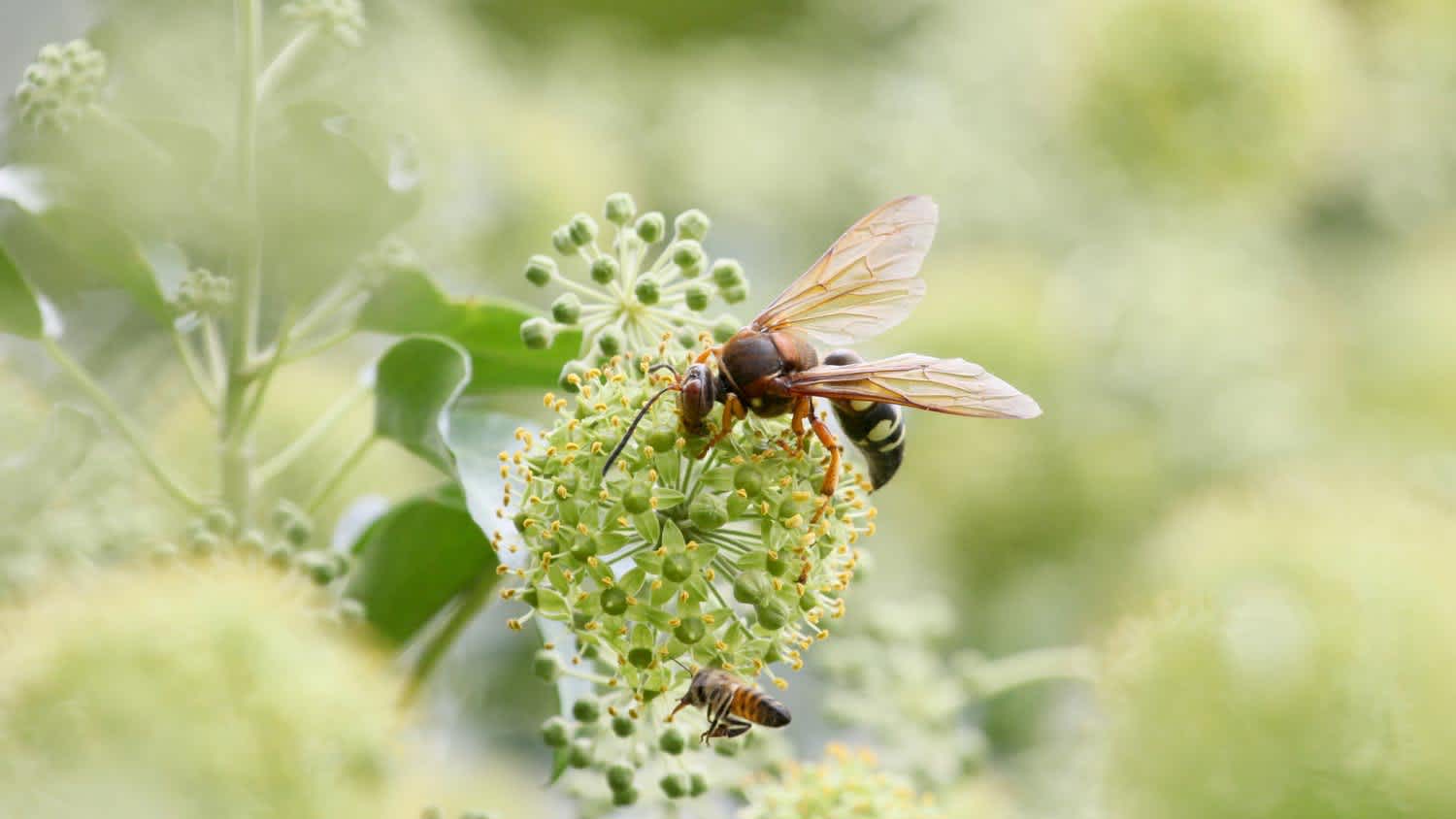
Wasps are considered scary pests. But how do you tell a dangerous wasp from a helpful one? Here’s how to identify common types of wasps.
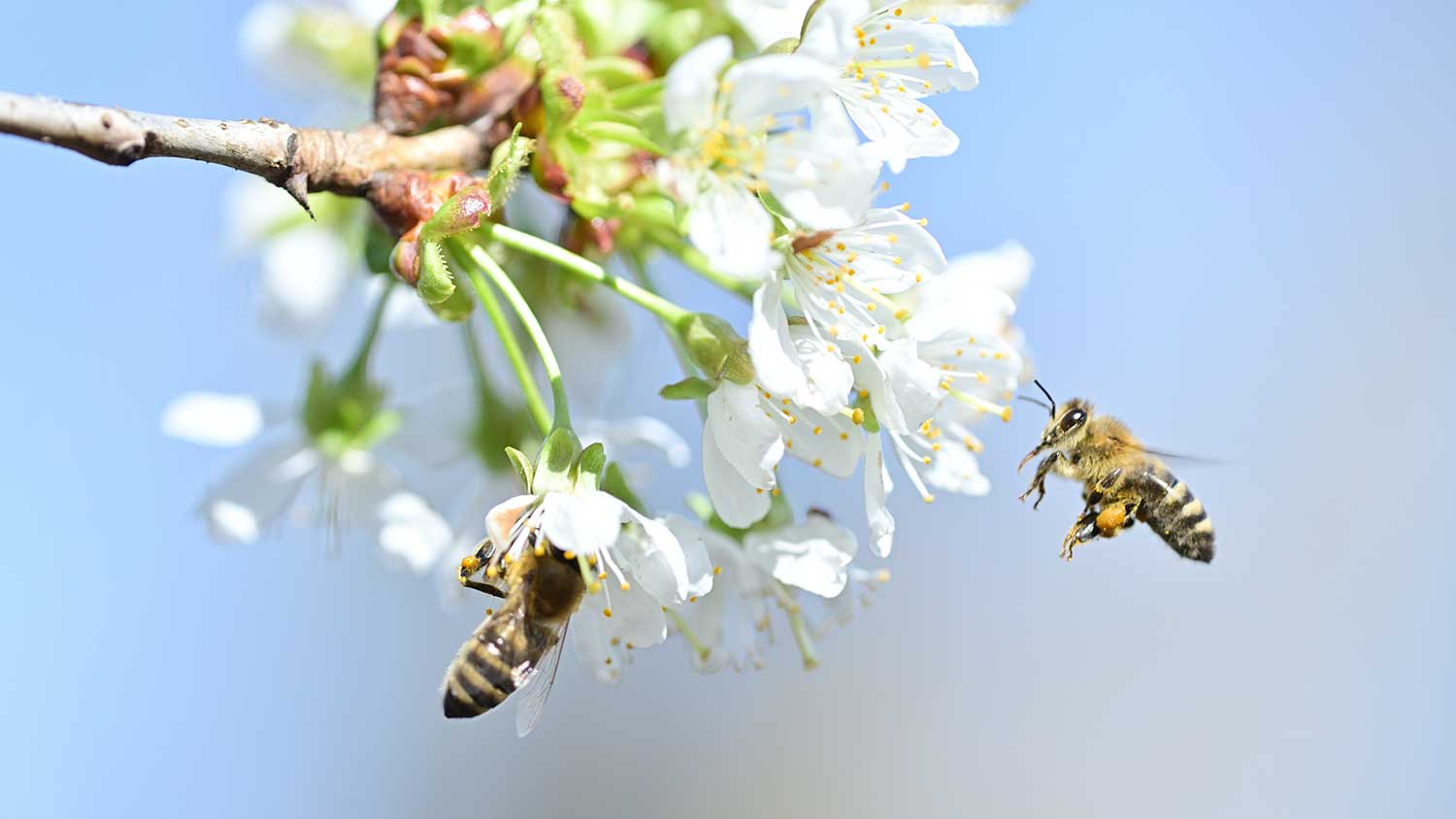
Honeybees and yellow jackets are often mistaken for one another, but they are not the same. Learn all the differences between bees vs. yellow jackets.

There are many species of bees, but this bee identification guide will help you spot the most common kinds of pollinators you’re likely to see in your garden.
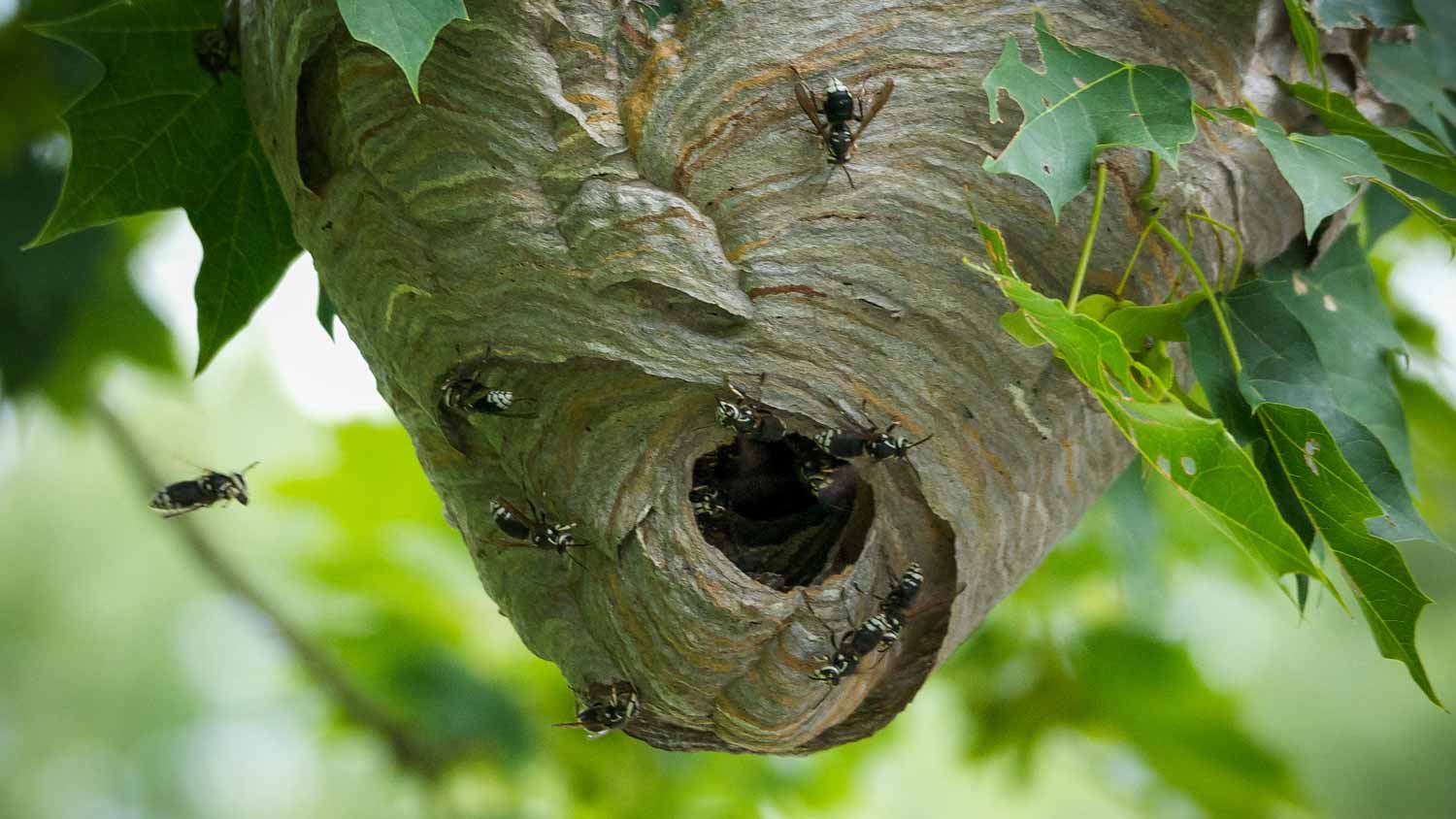
Wasps are a pain to share space with, but you have options for removal. While it’s best to call a pro, here’s how to get rid of wasp nests the DIY way.
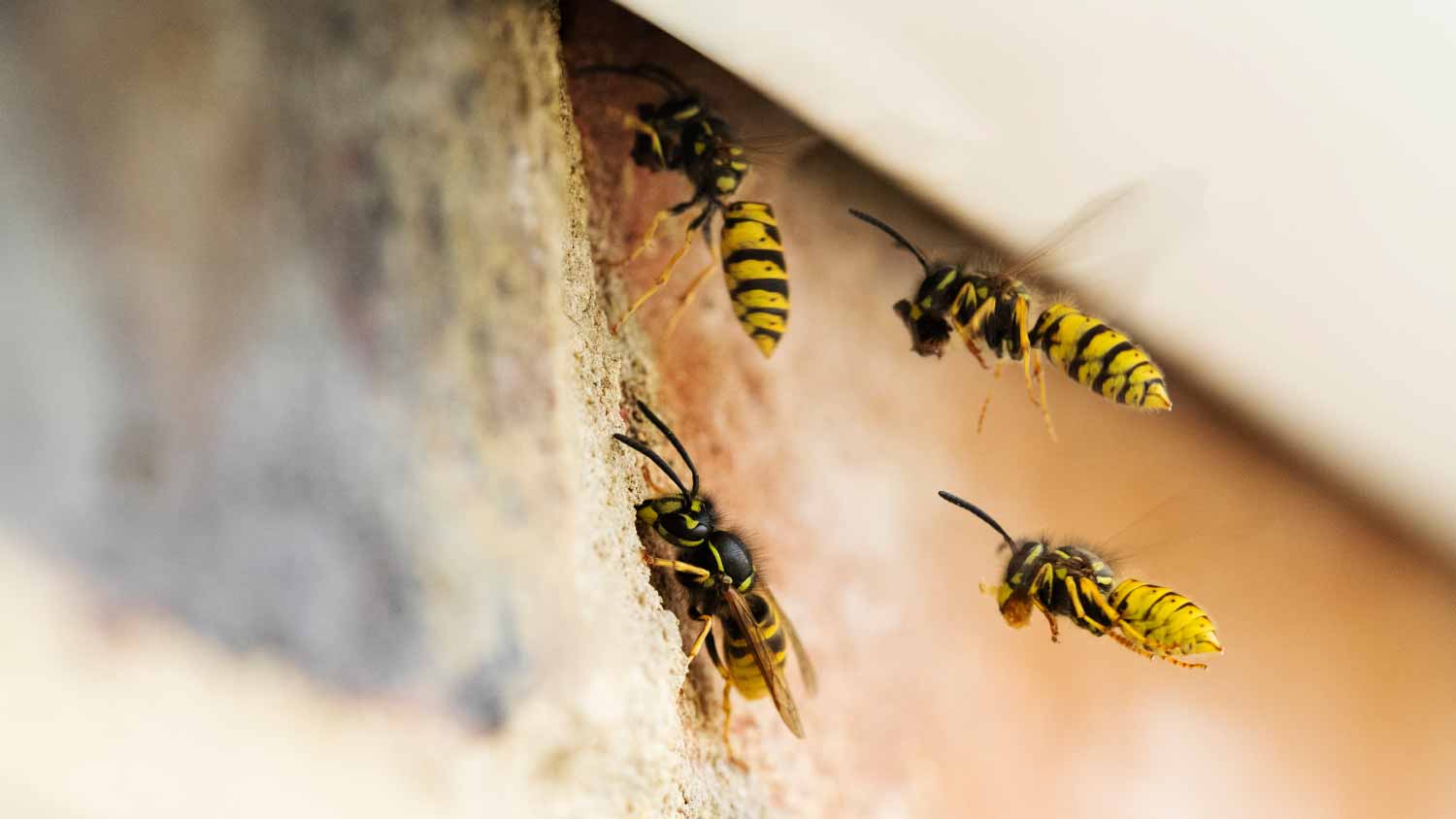
Wasps are often considered pests, but they have some benefits. So what are wasps, and how can they be beneficial? Learn all about wasps with this guide.