

Considering a heat pump to reduce monthly heating and cooling bills? Find out geothermal heat pump costs based on system type, capacity, and other factors.
Don’t start digging just yet—know your options

Geothermal heat pump replacement depends on your soil type, available land, and water access, which determine whether horizontal, vertical, open-loop, or pond systems work best.
Expect to pay $3,700 to $17,600 for geothermal heat pump installation, with average costs around $10,500, though you save up to 70% on utility bills.
Your geothermal system lasts twice as long as conventional units and uses 25% to 50% less energy, reducing maintenance needs while keeping your home comfortable year-round.
Hiring a local geothermal professional provides reliable guidance on soil testing, system design, and installation to ensure your new heat pump runs efficiently from day one.
If you’ve recently decided to buy a geothermal heat pump, then you’re probably already familiar with some of the ways that geothermal systems can benefit you year-round. But before you take the plunge on this major investment, you’ll want to know your options and choose the right geothermal system for your home. Once you do, sit back and watch the savings roll in.
Geothermal heat pumps use a ground source to transfer heat to and from your home. Contrary to the name, your geothermal heat pump system can both heat and cool your house by either pumping heat from outside your home in and through the house or by pulling heat from your home and removing it into the ground or water outside.
There are many benefits of geothermal heating systems. Here are just a few pros to making the switch to a geothermal heating and cooling system:
More energy efficient: According to the U.S. Department of Energy, heat pumps use anywhere from 25%–50% less energy than your traditional HVAC system
Less maintenance: Geothermal heat pumps require little maintenance compared to an air-source heat pump
Lowers humidity levels: Heat pumps maintain 50% indoor humidity levels
Long life span: Geothermal systems have twice the lifespan of a conventional air-source unit
Operates quietly: You’ll hardly hear your heat pump system since most of the mechanics take place underground
Save money: Utility bills can be up to 70% lower by switching to a geothermal heat pump

There are four types of geothermal heating systems: horizontal loops, vertical loops, open loops, and pond/lake loops.
Here’s a brief overview of each geothermal heat pump type:
Horizontal loop systems are the most affordable closed-loop heat pump systems. They also require the most land to install, as pipes are placed side-by-side into four- to six-foot trenches approximately two feet wide. Bigger homes need more piping to heat and thus require more land.
Smaller properties can still use a horizontal loop system and a “slinky” coil. This method takes up less space because the pipes overlap and coil, concentrating the heat transfer into a more condensed area.
Vertical loop systems are the most expensive closed-loop heat pumps due to the depth and width of the excavation. Your installer will use a drill to create a series of holes around 20 feet away from one another and anywhere from 100 to 400 feet deep. Then, each hole is filled with pipes that all connect deep into the earth, followed by a single, horizontal piping system at the surface.
Also called well-water loop systems, an open-loop system is a good investment for homeowners who already have a well installed on their land. Unlike the other closed-loop options, an open-loop system only has one entry point and exit point.
In other words, the water that goes into the loop system does not come out of the same location. Instead, water discharges out of a separate, opposing tube where it’s released into the ground.
For lakefront homes or homes with access to a pond at least eight feet deep, another option is a pond or lake loop system. Though this system also uses water as the open-loop system does, it uses a closed-loop system like vertical and horizontal systems. Depending on how far away the water source is from your home, a pond or lake system can be cost-friendly or more costly than other options.
Installation includes directly inserting the loop system into the body of water. It will transfer heat from the water to your home through underground tubing attached to the indoor part of your heat system.
When choosing a geothermal heat pump, your local installer will need to know a few important factors to help you make the most educated decisions. Three major variables in choosing the right pump include:
From sand to clay to rock, soil and rock composition vary greatly depending on where you live. Some soil compositions affect how well heat can transfer underground, affecting the quality of a ground loop system. Your installer will need less piping for soil with better heat transfer properties. For areas with too much rock or limited soil, they might need to install more piping or choose a different type of heat pump installation.
In some cases, the pump can use ground and surface water to draw warm water into the system and transfer its heat to your home. The availability of an open-loop system, and whether you can benefit from water sources, depends on water quality and other regulations in your local area.
Lastly, your landscape itself plays a role in your geothermal system’s design. New constructions can get away with a horizontal system much easier than older homes because there isn’t an existing landscape to disturb during construction. Horizontal pumps, for example, require more land to dig the trench and install the piping.
Geothermal heat pumps cost between $3,700 and $17,600 on average. Most homeowners will pay around $10,500 to install their geothermal heat pump system. While these upfront costs can seem high, you end up saving as much as 70% on your utility bills.
Also, geothermal systems installed in 2022 are eligible for receiving a 26% tax credit to curb costs on renewable energy sources. This credit decreases to 22% through 2023 and expires in 2024.
Now that you have the 411 on geothermal heat pump systems, it’s time to get installing! But before you get your hard hat on and shovel out, remember: installing geothermal heat pump systems is best left for the pros.
Find a geothermal company near you to survey your land, conduct soil testing, assess any water sources, recommend the right products, and complete the installation to ensure that your new system runs correctly.
I have used Columbus Worthington Air for years and recommend them whenever I have a chance. The staff is quick, courteous, and well-trained.
 ARS Columbus Worthington Air
If you’re good people wanting to do business with good people, hire Matt. He is a consummate professional and utterly competent. He installed a water heater in my home at a price that beat competitors by hundreds of dollars with a promise to support the unit for its life (even after its 6 yr...
 Greene's Plumbing Services
Corey Carr was great. I had damage from a recent storm and needed to have my mast and other components replaced. The project entailed coordinating with AEP, and Corey helped make a stressful situation a lot less stressful. I really appreciated his dedication to service and the job very well done.
 Mr. Electric of Columbus
This service was great. My air conditioner went out during the heat spell that we had. My husband has health issues and they came out that night and at 9:30pm the air conditioner was fixed and running. We are sooo very thankful, this is the company I will be using from now on and would...
 Mr. Mechanical Ohio
Great company! Price was competitive, technician showed up on time and completed the job (exterior electric Radon fan replacement) quickly. Would hire them again.
 MaGen Property Inspections and Radon Mitigation
Raven and crew does absolutely fantastic job. They are very professional if any concerns were to occur with any of her work she always took responsibility and finished out with a great job. I have worked with her business for a year and have always been satisfied. Very trusted business and...
 Creations of Transformation LLC
I would recommend this company to anyone! He showed up on time, was friendly, completed a very difficult repair on our dryer vent cover, was responsive, and pricing was extremely fair and competitive. I would have him back to do any of our repairs or cleanings without hesitation!
 U.S.A. Dryer Vent, LLC
Ace Fireplace Services' chimney sweep service is truly exceptional. They used advanced technology to ensure a thorough cleaning process, and my chimney has never looked better. I highly recommend their services.
 Ace Fireplace Services
The technician was very professional and friendly. He answered all my questions and was very thorough. He left the fireplace area very clean . He inspected from the roof and advised me as to other work that might need to be done. There was no pressure there. I was very satisfied with the...
 Supreme brick & chimney
On time, clean and finished fast. Windows seem sturdy and the finish is good. Caulking was done with no smudges. Would recommend.
 Window Depot USA of Central Ohio
From average costs to expert advice, get all the answers you need to get your job done.
Considering a heat pump to reduce monthly heating and cooling bills? Find out geothermal heat pump costs based on system type, capacity, and other factors.
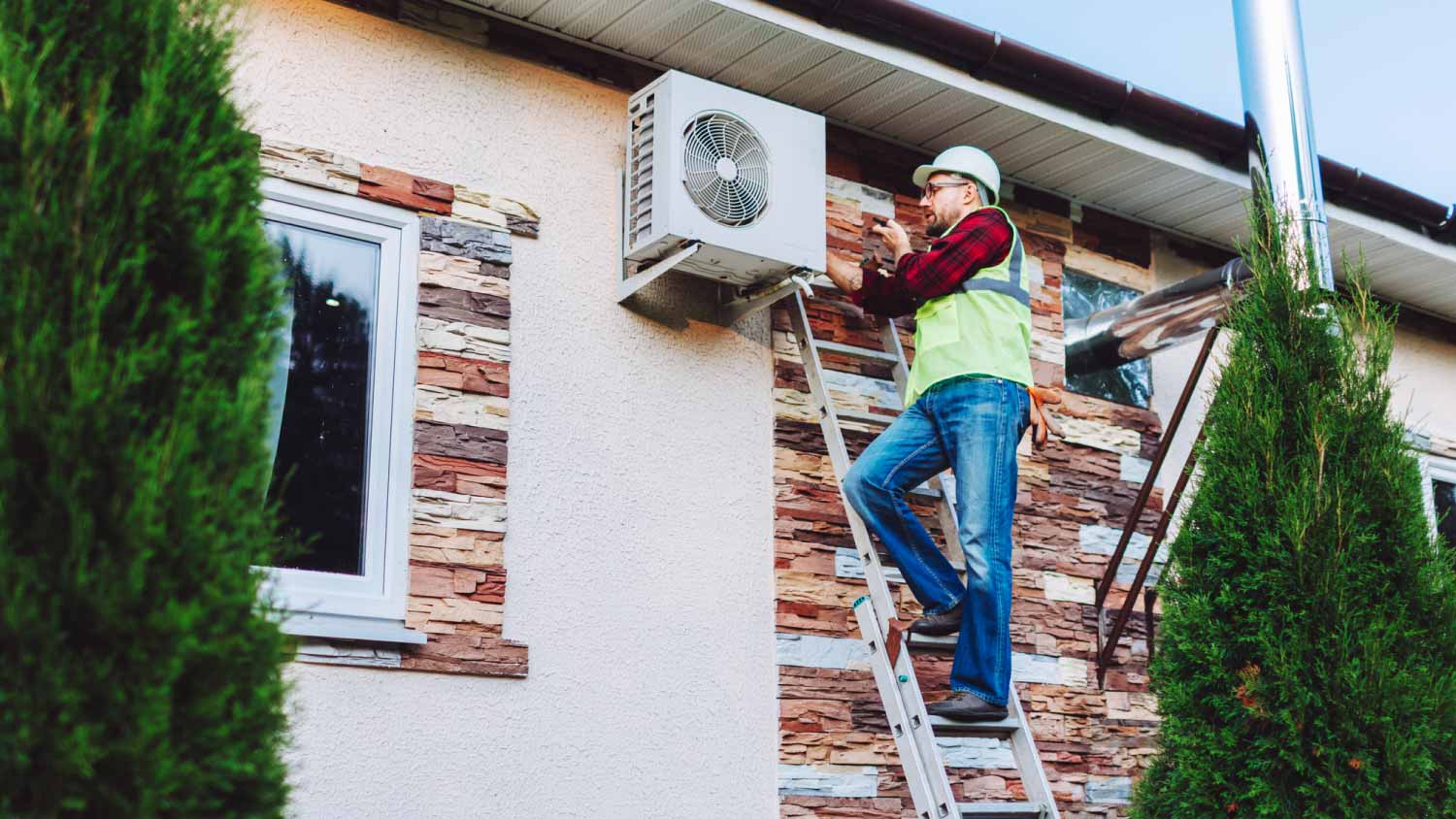
Find out the average heat pump repair cost, what impacts pricing, and how to save. Get transparent estimates and tips for homeowners planning repairs.
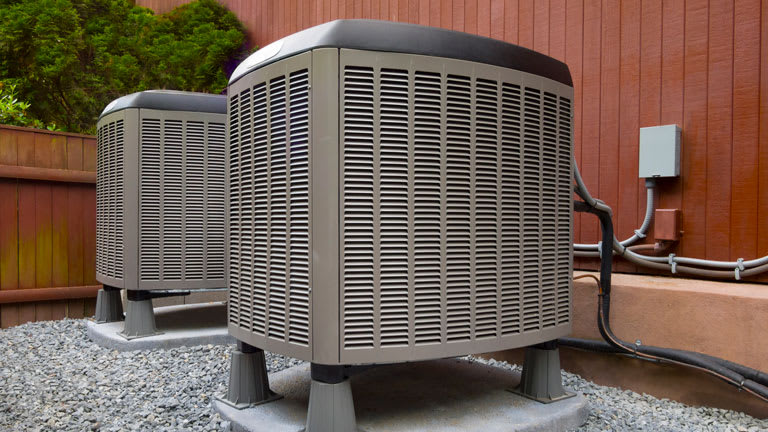
A heat pump is an eco-friendly heating and cooling system that can save you money on utilities each month. Find out the cost of a heat pump with this guide.
Thinking about a geothermal heat pump installation? Learn about system options, costs to expect, and how to hire the right local pro for your home.

Considering hydronic floor heating? Here’s why a geothermal heat pump in floor heating could be a great choice for your home, plus some issues that can arise.

What is a geothermal heat pump? We’re breaking down what this system is and how it can make your home more energy efficient.