


•
Discover the true duct replacement cost for your home. Learn about average prices, key cost factors, and tips to save on your ductwork replacement project.
Size matters for proper airflow

Standard duct sizes for residential HVAC systems range from 6 to 12 inches in diameter, with your home's specific needs determining the right size.
Expect to pay $1,400 to $5,600 for air duct replacement, with larger homes between 3,000 and 4,000 square feet paying up to $9,000.
Undersized ductwork restricts airflow and forces your HVAC system to work harder, leading to higher energy bills and uneven temperatures throughout your home.
Hiring a local duct installing professional takes the guesswork out of measurements and ensures your ductwork matches your HVAC system capacity for optimal performance.
The size of your ductwork greatly impacts the efficiency of your home's HVAC system, influencing everything from your energy consumption to room comfort. Several factors play into the ideal duct size, including home size and duct layout. Understanding common duct sizes can be useful when planning for ductwork installation in your home.
Here are the outlet types you find in most U.S. homes:
15-amp, 120-volt (2-prong and 3-prong): The standard household outlet for lamps, TVs, and chargers.
20-amp, 125-volt: A higher-power outlet for kitchens, laundry rooms, and workshops.
240-volt (20-amp to 50-amp): A large-appliance outlet for dryers, ranges, and EV chargers.
GFCI: A shock-protection outlet for kitchens, baths, and other wet areas.
AFCI: A fire-protection outlet for bedrooms and living spaces.
Tamper-resistant: A child-safe outlet with internal shutters, now standard in new homes.
Weather-resistant: A corrosion-resistant outlet built for outdoor use.
Convenience types: Switched, combination, USB, smart, and rotating outlets.
The most common duct sizes for residential HVAC systems are 6 to 12 inches in diameter. Overall, ductwork can measure 3 to 20 inches in diameter depending on which types of ductwork are installed and other household factors. In commercial buildings, ductwork can range in diameter between 24 to 40 inches.

| Type of Ductwork | Minimum Diameter (Inches) | Maximum Diameter (Inches) |
|---|---|---|
| Rectangular | 3 | 40 |
| Round | 4 | 40 |
Rectangular or square duct sizes vary widely and are chosen based on airflow requirements and spatial restraints. Common HVAC duct sizes for home systems range from 8x8 inches to 24x24 inches, with smaller ducts used for branch lines and larger ducts for main trunks.
Rectangular ducts work best in homes with limited space since they can fit within ceiling cavities, walls, or other tight areas where round ducts can’t.
Round duct sizes are commonly used in both residential and commercial HVAC systems due to their efficiency and ease of installation. Sizes range from 4 to 16 inches in diameter, with 6 to 10 inches being the most common for main supply and return ducts.
Their round shape allows for smoother airflow with less resistance, which can enhance your HVAC’s efficiency. The uniform cross-section also helps minimize dust and debris build-up, making them easier to clean and maintain.
Measuring duct sizes begins with calculating the airflow requirements for each room, measured in cubic feet per minute (CFM). This calculation considers factors such as room size, number of occupants, windows, insulation, and intended space use.
Once you know the CFM for each room, the next step is to design the ductwork layout and select appropriate duct sizes. This involves using the CFM values and consulting duct sizing charts or software to match the airflow requirements with the correct duct dimensions.
The goal is to ensure each duct can handle the required airflow without causing excessive pressure drops or noise. Additionally, considering the total equivalent length of the duct runs, including fittings and bends, is crucial to account for any added resistance.
A local air duct installer can take care of this process to ensure your home has the appropriate duct size for optimal HVAC performance.

Key factors come into play when determining the right duct size for your home. The size makes a difference in not only the comfort of the home but on how efficiently the HVAC system can operate.
Home size directly influences duct size because larger homes require more extensive ductwork to distribute conditioned air evenly throughout the space. The total square footage, number of rooms, and home layout all contribute to the calculation of airflow needs. Larger homes with more rooms and higher CFM requirements require larger or more ducts to ensure adequate airflow and maintain consistent temperatures.
Proper duct sizing based on home size is essential to avoid issues such as inadequate heating or cooling, uneven temperature distribution, and increased energy consumption, ensuring the HVAC system operates efficiently and effectively.
Ductwork layout design must account for the distance air needs to travel, the number of turns, and any obstacles. A complex layout with many bends, long runs, or multiple branches requires larger ducts to maintain adequate airflow and minimize pressure loss.
Each turn and fitting adds resistance, which can require an increase in duct diameter to compensate. Efficiently planned layouts with shorter, straighter runs can use smaller ducts while delivering the required airflow.
The HVAC system capacity dictates the air volume that needs to be distributed throughout your home. A higher-capacity system, designed to heat or cool larger spaces or higher load demands, requires larger ducts to accommodate the increased airflow without causing excessive pressure drops or noise.
Properly sizing the ducts to align with your HVAC system’s capacity ensures that the system can deliver the desired temperature control and maintain energy efficiency while preventing strain on the equipment.
The wrong duct size can lead to several issues that affect your HVAC system efficiency and the comfort of your home. Undersized ducts can restrict airflow, causing the system to work harder to heat or cool the house, which increases utility bills.
This added strain can lead to more frequent breakdowns and a shorter life span for the HVAC equipment. Additionally, restricted airflow causes uneven temperature distribution, with some rooms being too hot or cold.
If you have the wrong duct size, the best course of action is to consult a professional HVAC technician to assess and redesign the ductwork. This may involve resizing the existing ducts, adding new ducts, or modifying the layout to improve airflow and efficiency. In some cases, installing dampers to control airflow or upgrading to a more powerful HVAC system may be necessary.
Air duct replacement costs between $1,400 and $5,600. Home size factors into the cost, with larger homes between 3,000 and 4,000 square feet paying up to $9,000 to replace ductwork. The ductwork material makes a difference as well, with flexible ductwork, insulated or non-insulated, costing between $1 and $4 per linear foot. Fiberglass and sheet metal ductwork are on the higher end, with fiberglass costing $4 to $6 per linear foot and sheet metal ranging between $7 and $13 per linear foot.
Duct replacement is a serious job that’s best left to a local HVAC professional. This job requires specialized knowledge in a number of fields, including HVAC systems and wall demolition. Additionally, pros use unique tools like sheet metal shears to cut, bend and connect duct sections. Other specialized tools include duct brakes and crimpers.
While DIYing this job is possible in select scenarios, improper installations lead to an imbalance in air distribution. This means higher energy bills and uneven temperatures throughout the home. In rare cases, poor duct installation can lead to carbon monoxide leaks, electrical issues, and fires.
I have used Columbus Worthington Air for years and recommend them whenever I have a chance. The staff is quick, courteous, and well-trained.
 ARS Columbus Worthington Air
If you’re good people wanting to do business with good people, hire Matt. He is a consummate professional and utterly competent. He installed a water heater in my home at a price that beat competitors by hundreds of dollars with a promise to support the unit for its life (even after its 6 yr...
 Greene's Plumbing Services
Corey Carr was great. I had damage from a recent storm and needed to have my mast and other components replaced. The project entailed coordinating with AEP, and Corey helped make a stressful situation a lot less stressful. I really appreciated his dedication to service and the job very well done.
 Mr. Electric of Columbus
This service was great. My air conditioner went out during the heat spell that we had. My husband has health issues and they came out that night and at 9:30pm the air conditioner was fixed and running. We are sooo very thankful, this is the company I will be using from now on and would...
 Mr. Mechanical Ohio
Great company! Price was competitive, technician showed up on time and completed the job (exterior electric Radon fan replacement) quickly. Would hire them again.
 MaGen Property Inspections and Radon Mitigation
Raven and crew does absolutely fantastic job. They are very professional if any concerns were to occur with any of her work she always took responsibility and finished out with a great job. I have worked with her business for a year and have always been satisfied. Very trusted business and...
 Creations of Transformation LLC
I would recommend this company to anyone! He showed up on time, was friendly, completed a very difficult repair on our dryer vent cover, was responsive, and pricing was extremely fair and competitive. I would have him back to do any of our repairs or cleanings without hesitation!
 U.S.A. Dryer Vent, LLC
Ace Fireplace Services' chimney sweep service is truly exceptional. They used advanced technology to ensure a thorough cleaning process, and my chimney has never looked better. I highly recommend their services.
 Ace Fireplace Services
The technician was very professional and friendly. He answered all my questions and was very thorough. He left the fireplace area very clean . He inspected from the roof and advised me as to other work that might need to be done. There was no pressure there. I was very satisfied with the...
 Supreme brick & chimney
On time, clean and finished fast. Windows seem sturdy and the finish is good. Caulking was done with no smudges. Would recommend.
 Window Depot USA of Central Ohio
From average costs to expert advice, get all the answers you need to get your job done.
Discover the true duct replacement cost for your home. Learn about average prices, key cost factors, and tips to save on your ductwork replacement project.

Curious about air duct cleaning costs? Get insights into pricing factors, benefits, and how to tell when it’s time for a good cleaning.
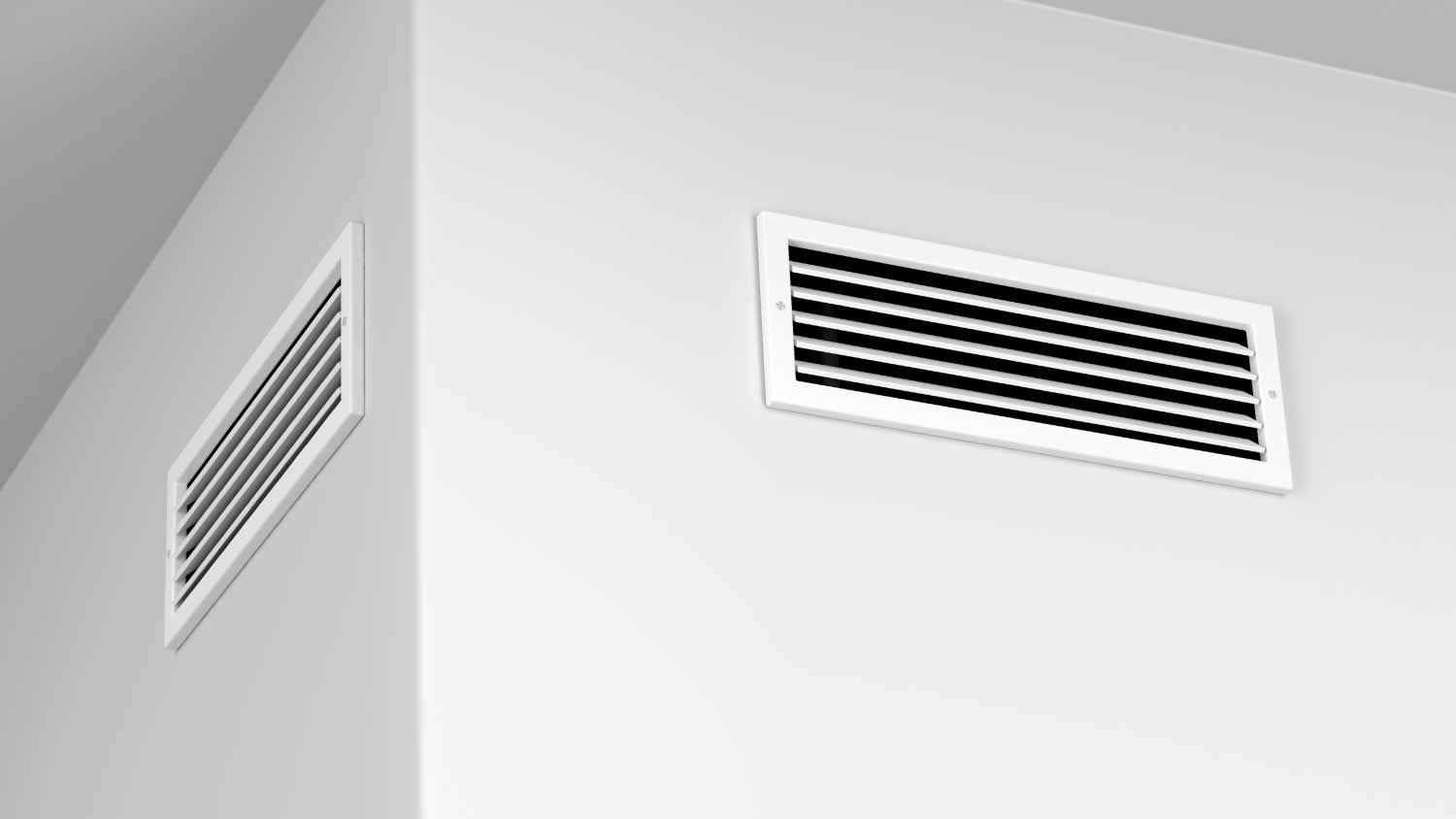
Curious about how much it will cost to add a return air vent? Our guide will help you discover the cost factors and ways to save on this project.
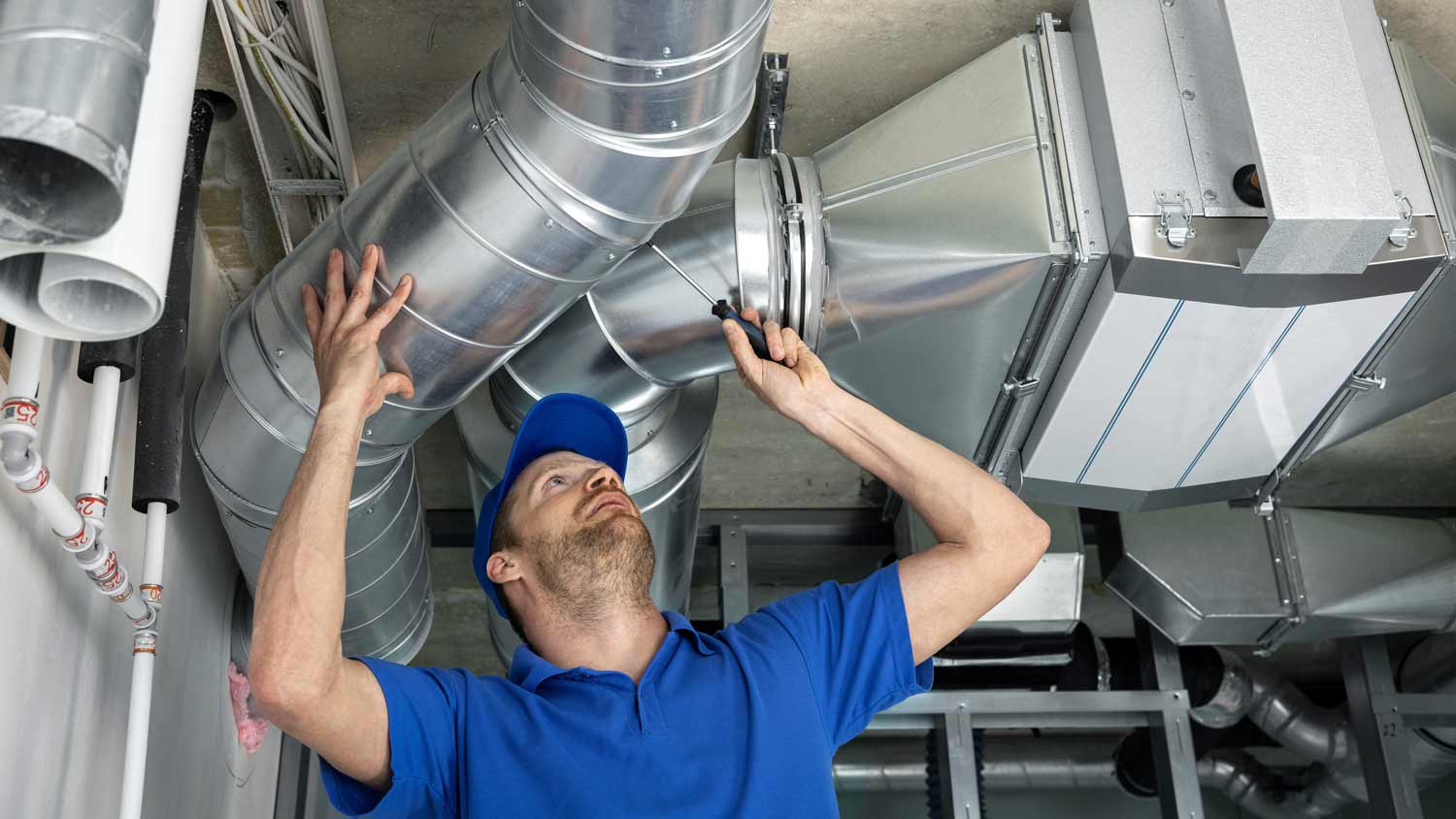
Leave duct size calculations and installations to pros, but you can still use this duct sizing chart to understand the project better.

Whether you’re replacing your kitchen sink or installing a new one, you have options to fit your space. Learn the most common kitchen sink sizes.
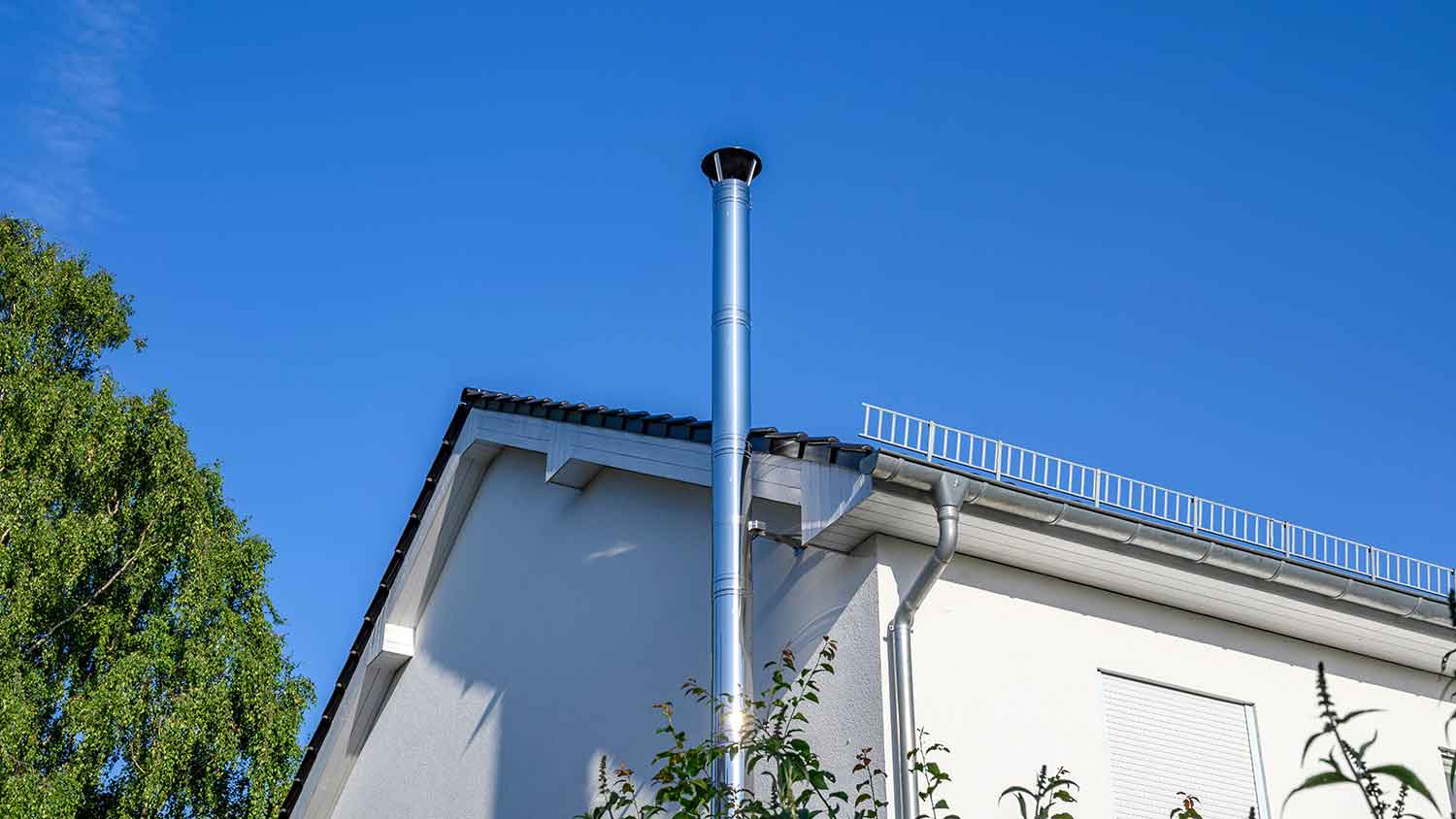
Oversized flues lead to chimney corrosion, freeze/thaw damage, and an uncomfortable draft. Here are the standard chimney flue sizes to ensure proper integration.