
Whether you're dreaming up a new office or a peaceful sunroom, home addition costs will shape your design. Learn what to expect for every vision.
Better to ask for permission than forgiveness when adding onto your home

Building an addition onto your house requires permits for all permanent construction, and skipping them can lead to fines or forced demolition of your new space.
Typical costs range from $500 to $2,000 for home addition permits, with fees based on your project scope and local building department requirements.
Your general construction permit covers foundation, framing, roofing, and finishes, while separate permits handle electrical, plumbing, and HVAC work in your new room.
Hiring a local home addition professional takes care of pulling all necessary permits and scheduling inspections, so your project stays compliant and stress-free from start to finish.
Building a home addition will add square footage and value to your property, but before you break ground, you’ll need to get permission for your project. It’s crucial to understand what permits are needed to build a home addition before you get started to avoid surprise permit fees, violations, and illegal construction. Let’s discuss what permits you’ll need and how to get them.
No, you can’t legally add a room to your house without a permit. All building departments will require at least a general construction permit for a home addition, and most will require additional permits for things like plumbing, electrical, and HVAC work. Building without permission from your municipality could land you with violations and expensive fines, and you may even be forced to knock down the addition and return your property to its original condition if your building department finds out about the illegal construction.
Building a home addition is a complicated home improvement project, so depending on your plans for the construction, you'll need several different types of permits before you begin.
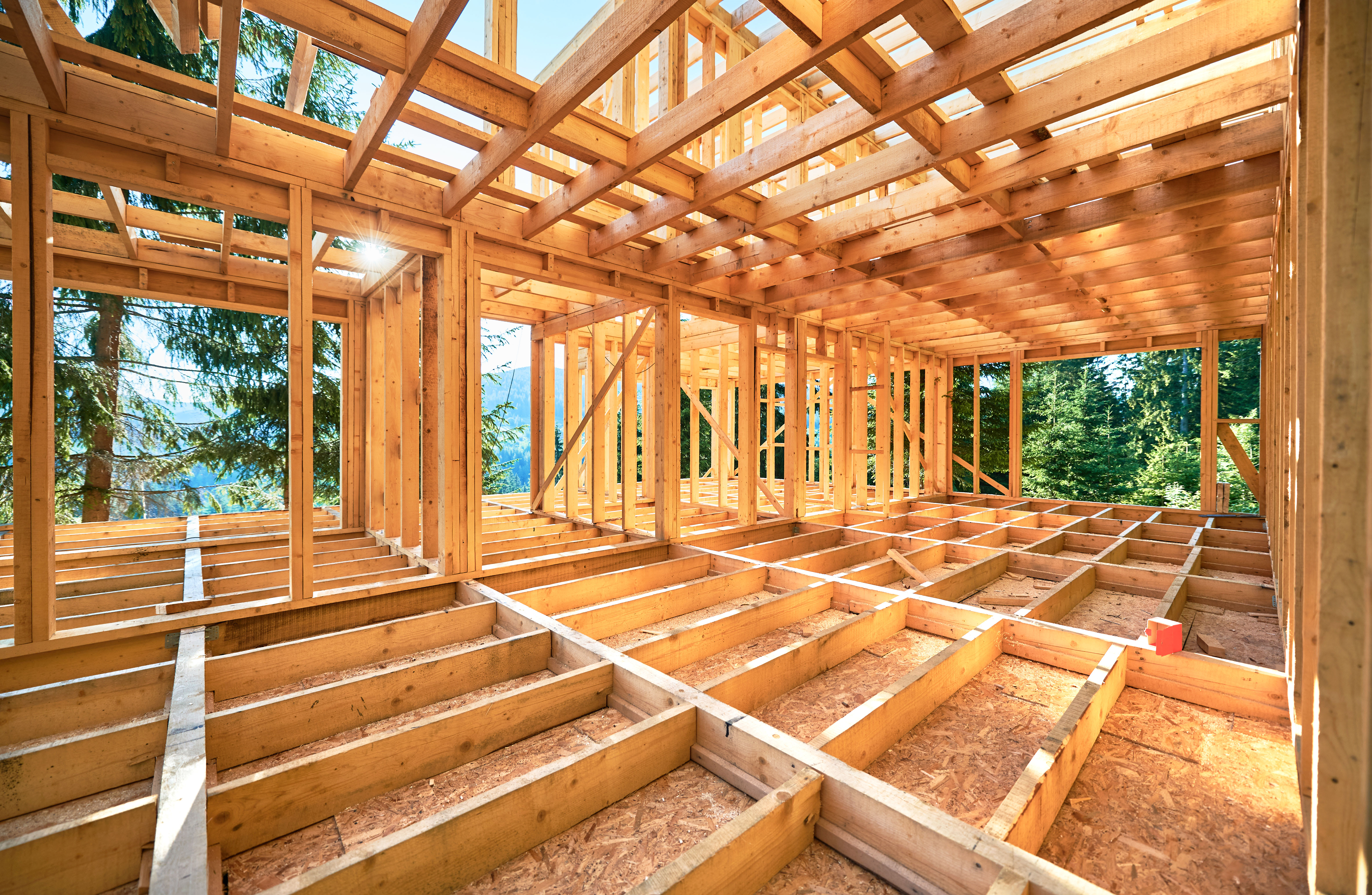
In almost all municipalities, you’ll at least need a general construction permit to build a home addition. This type of permit often comes with a fee equal to a certain percentage of your home addition cost. It usually covers the following work:
Foundation pouring
House framing
Window and door installation
Roofing
Interior and exterior finishes
You’ll need a general construction permit regardless of the type of home addition you’re planning, so it applies to everything from second-story dormers to adding a finished room on its own foundation.
You’ll need an electrical permit for any home addition involving electrical work, including wiring, electrical outlets, ceiling fans, lighting, and light switches. Some building departments will include permission for electrical work in the general construction permit, while others will require you to pull separate permits.
Similarly, an HVAC permit is required if you’re adding heating and cooling to your home addition. All fully finished living spaces and four-season sunrooms will need this permit. Your general construction permit may cover this work, as well.
If you’re adding any type of plumbing to your home addition, you’ll need a plumbing permit unless your general construction permit covers it. This includes everything from utility sinks and wet bars to full kitchens and bathrooms. Plumbing permits also often cover work with gas lines for gas furnaces, gas stoves, and natural gas barbecues.
Many municipalities will include foundation work in the general permit, but even so, you’ll need a separate inspection for the foundation after your contractor pours it. Foundation work could also require a separate building permit, depending on where you live.
Some states mandate specific energy efficiency home improvements, like California, which requires solar on all new construction. This will demand a separate solar permit in some areas, but in others, solar is covered under electrical permits.
The easiest way to find out what permits are needed to build an addition is to hire a reputable home addition contractor near you. Your pro will know what permits are required and will even pull them on your behalf.
You can also do your own research by going to your local building department, discussing your project, and asking which permits you’ll need.
Your contractor will pull all of the necessary permits for your home addition, as well as schedule any final inspections necessary to close them out after the work is done. Some municipalities will allow homeowners to pull permits, in which case you can go to your building department to file for them yourself. Most will only issue them to licensed contractors, though.
Permits can actually be quite expensive. Talk to your contractors before starting your project to understand how much the required permits will cost you.
Jason has helped me with multiple household projects, with the most recent being new door installation. He has always showed up on time and organized and has done an incredible job! Jason is very professional and he's now my go-to for anything around my house that needs to be fixed or...
 Huff Garage Rescue, LLC
Cole has been handling plumbing and general contracting for our four properties over the past three years, and he’s always done a great job. Most recently, he installed a sink and countertop in our retail store where none existed before, and it turned out exactly how we needed. He’s...
 ANB Renovations LLC
1st Choice Renew is simply the best! We hired them for a complete home renovation, and they transformed our space into something truly amazing. The team attention to detail and commitment to quality were evident throughout the project. They were easy to work with, very responsive, and always...
 Save A Dime
This company went above and beyond with their work, chimney sweeps are usually pretty messy, but the clean up was spot on.!! Josh explained every thing that he was doing, and the things that he was checking to make sure the chimney was safe for me and my family. He was very professional,...
 Supreme brick & chimney
Custom Paint Jobs LLC turned our outdated bathroom into a modern masterpiece.
 Custom Paint Jobs, LLC
Excellent customer service and knowledge. I was recommend to him from my neighbour. My front door and window came in great and were installed beautifully perfectly, I m very satisfied with their excellent work, so decided to order one more big bow window for my living room. I cant wait for...
 Window Depot USA of Central Ohio
If I could give 10 stars for Kitchen Tune Up, I would. I cannot say enough good things about my experience with Kitchen Tune Up and the entire team involved in the process of my kitchen project. They went above and beyond as far as service and quality with my cabinets, paint, countertops, and...
It was wonderful working with Yordy and his team. They were very professional and are experts in what they do. They have completed the work on time, with better quality and with in fairly reasonable price. We just started with backsplash work , but liking his work, we went on to provide...
 Flooring Solutions
We were having 2”x 2” tile installed . There was a small installation error and the new additional replacement tile was from a different lot and the colors didn’t match. Joe assured us that he would rectify everything , which he did without hesitation. We decided to go with the 18” x 36” tile...
 CarifaTile
They work that 360 did on my kitchen cabinets is nothing short of amazing. I still cannot believe the difference from before and after. Jon and Jeff were both so incredibly professional throughout the whole process and their communications with me were constant and consistent. These guys...
 360 Painting Columbus
From average costs to expert advice, get all the answers you need to get your job done.
Whether you're dreaming up a new office or a peaceful sunroom, home addition costs will shape your design. Learn what to expect for every vision.
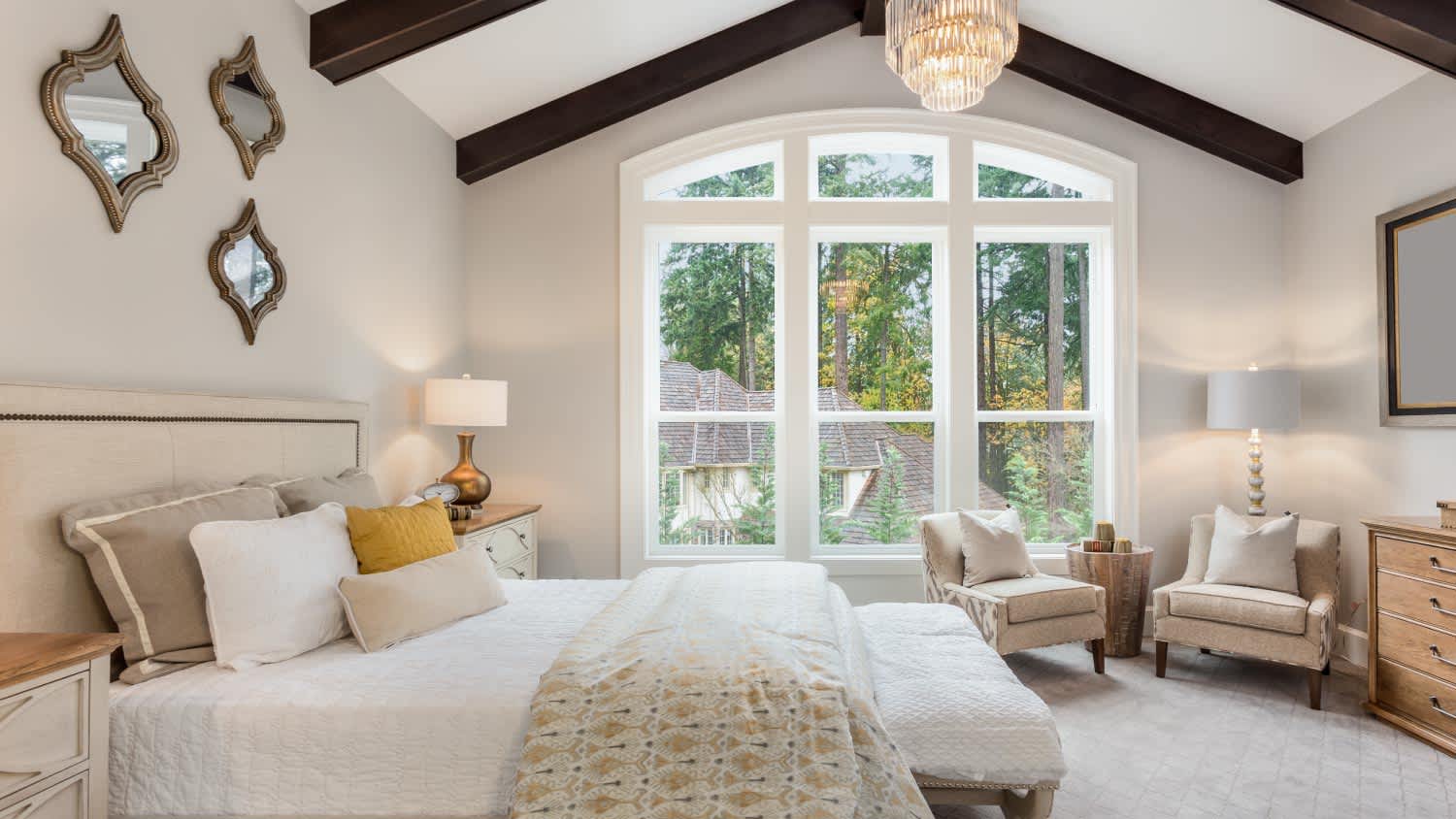
Discover average bedroom addition costs, including cost factors, labor rates, and tips to help you budget for your new bedroom addition project.
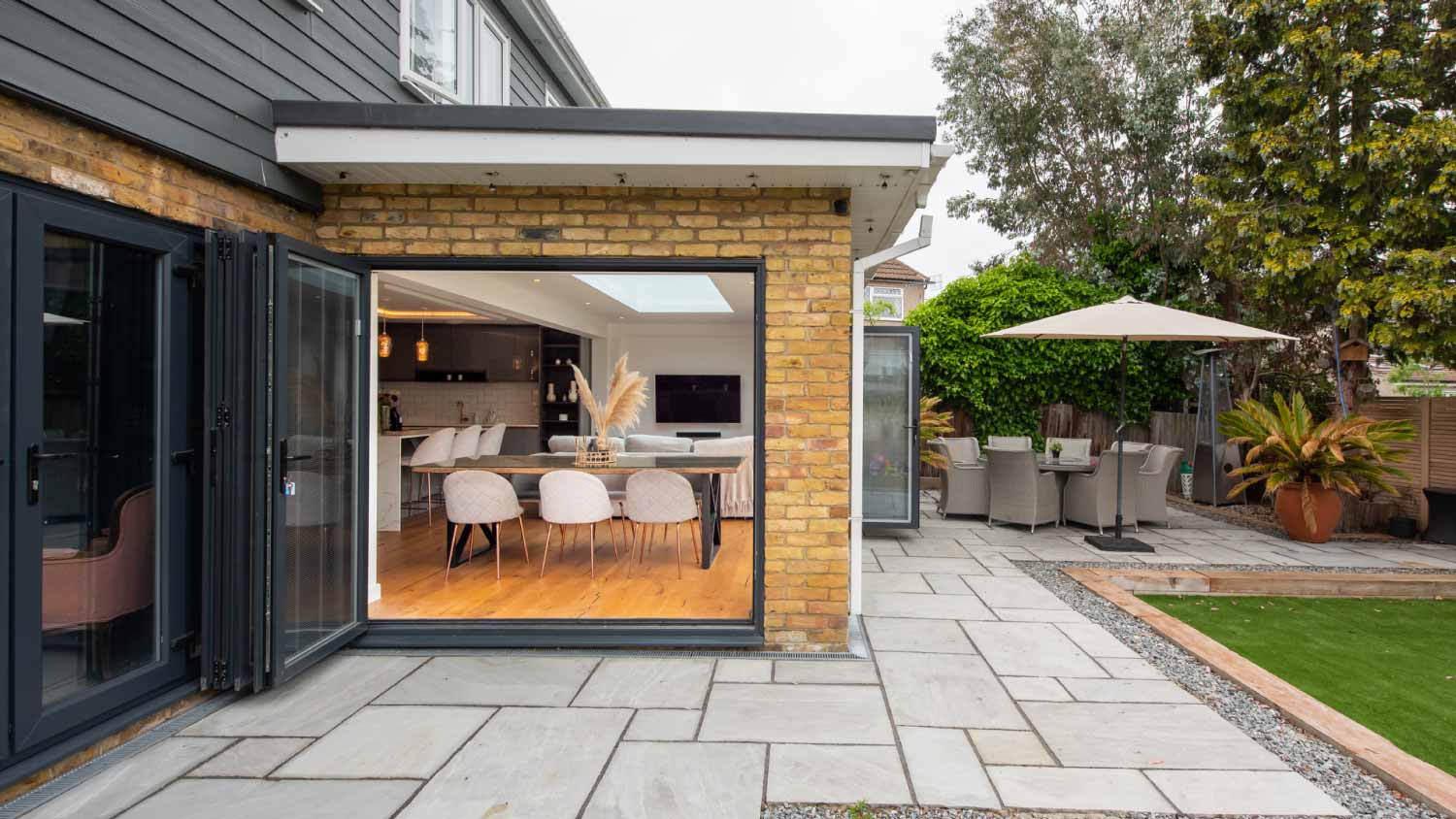
Dreaming of additional square footage and extra living space? Learn who builds home additions to make sure you get the best professional for the job.
So, you've broken ground without getting the green light—what is the penalty for building without a permit? Here's why you need a permit ASAP.

Before you dive into that major home project, learn if you need a permit to remodel your house, how to find out for sure, and what happens if you don’t get one.

Depending on where you live, you may be legally required to hire an architect for an addition. Here’s why an architect may end up saving you money and time.