
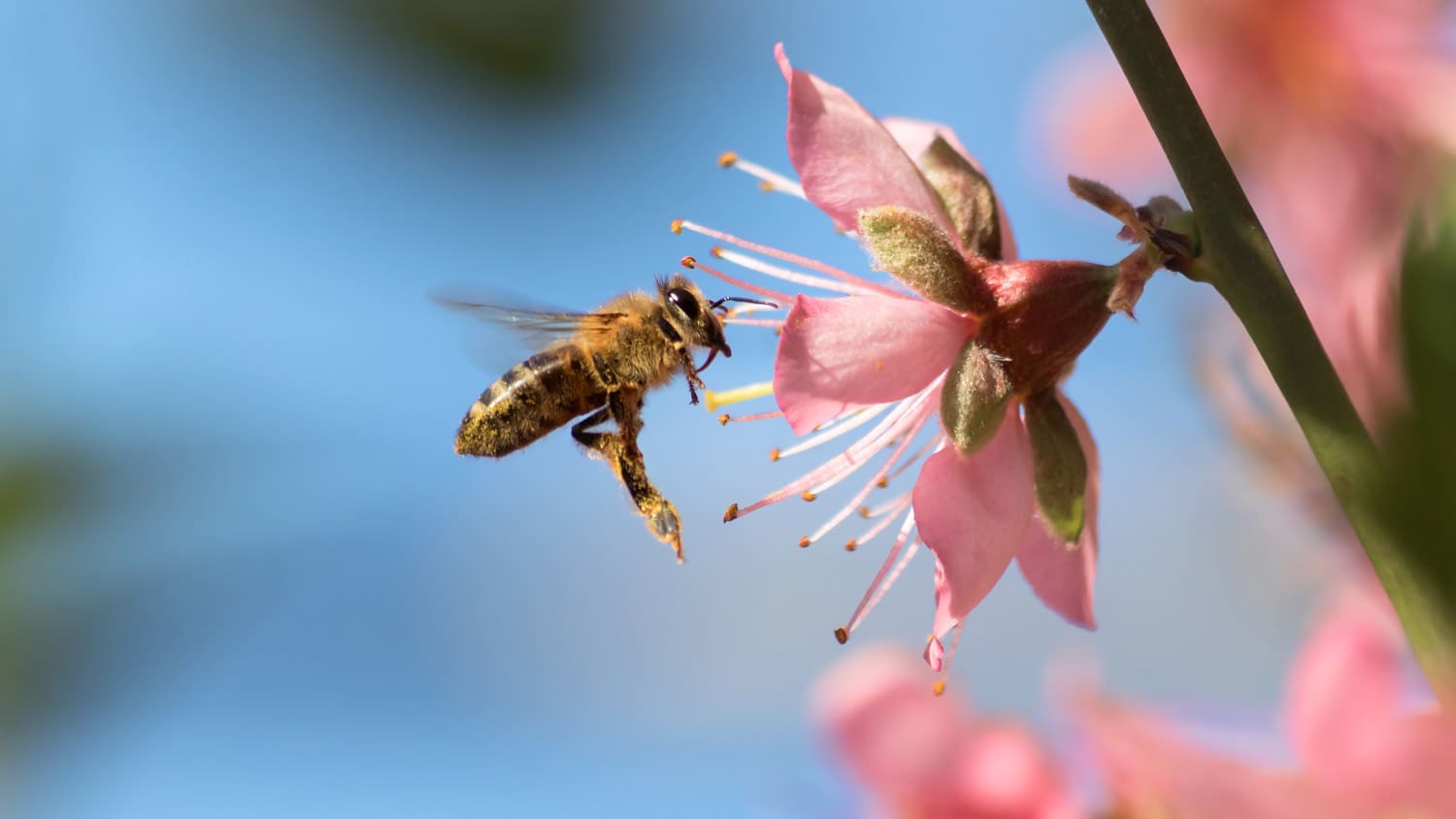
Honeybees and other pollinators have a positive impact on the fruits, vegetables, and flowers in your garden. Here’s how bees benefit your yard.
Plant fluorescent flowers with enticing aromas in your garden for both you and bees to enjoy

UK flowers for bees and butterflies thrive when you plant diverse, fragrant blooms like lavender, sunflowers, and bee balm in blues, purples, and yellows that match bee vision.
Your bee garden flourishes when you choose native plants suited to your local climate, ensuring flowers bloom across different seasons and provide consistent nectar sources for pollinators.
You create a safe bee habitat by avoiding pesticides, adding a shallow water source with rocks, and leaving ground undisturbed where most bees build their nests naturally.
Hiring a local gardening professional provides expert guidance on selecting native plants and designing pollinator-friendly spaces that support bees while enhancing your yard's natural beauty year-round.
Would you love to grow a luscious garden in your yard in time for summer? If so, don’t shoo away your flying garden visitors just yet.
Flowers and plants rely on bees and other living organisms for pollination, the movement of pollen from the “male” portion of flowers to the “female” portion. This fertilizes the plants, enabling them to develop seeds and reproduce.
Whether you have a green thumb or prefer to hire a gardener near you, teaming up with bees can take your flowers to the next level. Read on to learn about the best flowers for bees as well as how to maintain a “bee-utiful” garden for your home.

When you see bees buzzing around a flower, it means they are attracted to the aroma and colors. These flowers provide them with pollen and nectar, which serve as high-energy food and sugar-water for the bees and other pollinators. Bees travel back and forth between colorful and aromatic flowers, helping spread pollen.
While there are many pollinators, bees are at the top of this list. According to Bert Rivera-Merchand, Ph.D., a bee biologist for the Karma Honey Project, bees are a major part of the ecosystem.
“All bees play a huge role in plant reproduction, and the ecosystem heavily relies on them for pollination to stay alive,” Dr. Rivera-Merchand explained. “Bees even assist in agriculture. While we don’t need them for coffee, bees can increase 40% of its production.”
Despite their popularity, bumblebees aren’t the only bees in town. Here are some types of bees you can expect to see buzzing around your garden:

Fun fact: There are over 22,000 types of bees around the world, but only 500 make honey.
It’s important to know that bees aren’t aggressive insects. When you see them buzzing around, they’re most likely just searching for food. Now that you know a little more about bees, let’s dive into the types of flowers that best attract them.

The first thing to know about bees is that they are instantly attracted to plants with sweet aromas. As for colors, however, a bee-friendly garden requires extra thought.
When choosing the best flowers for bees, opt for highly fragrant blues and yellows. Bee vision is on the ultraviolet spectrum, meaning they can’t see the color red and shades close to it.
With that in mind, here are several spring and summer flowers to consider.

Bees love the flat, open shape of daisies, which are easy for them to collect nectar and pollen from. Daisies are simple, low-maintenance, and come in a variety of invigorating colors.

Purple and full of fragrance, lavender is a magnet for bees. Due to their ultraviolet vision, the color of lavender makes it easy for bees to find.

Though they don’t have any smell, sunflowers are a nectar and pollen powerhouse for bees. These flowers will bring a bright gold look to your garden and can grow up to 8 feet tall.

A member of the mint family, bee balm is often used in herbal teas and known to have medicinal properties. These flowers can grow up to 4 inches tall and add cheerful red, pink, and purple blooms to your garden.

Although poppies have ravishing red-orange hues, they provide tons of pollen for bees. Not only do they feed pollinators, but poppies are also used for flavoring cakes, salads, and breads.

Echinaceas, commonly known as coneflowers due to the shape of their flower heads, come in a variety of vibrant colors and forms. Coneflowers can grow up to 4 feet and are heat- and drought-resistant.

These flowers grow in many different colors and are known for having strong, sweet aromas. Their tubular, trumpet shapes make them a favorite among hummingbirds. Honeysuckles are also safe to eat.

The brilliant blue and purplish petals of lilac are very alluring for bees. The sweet smell of lilacs is also a favorite of butterflies, hummingbirds, and other pollinators.

Snapdragons are uniquely shaped flowers that bloom in long, tall spikes. When you open the flower petals, the appearance resembles the face of a dragon.

Marigolds are easy-to-grow flowers that can add bright pops of orange, red, and yellow to your bee garden. In addition to bees, their pom-pom blooms attract ladybugs, butterflies, and other pollinators.

A member of the mint family, salvia flowers come in a variety of colors, including rich reds and cool purples and blues. These nectar-rich, tubular blooms are very aromatic for bees and are also a product of kitchen herb sage.

Native to Mexico, dahlias come in dozens of different forms, bright colors, and heights. These bushy, tuberous flowers can grow more than 3 feet tall.

These fluffy pink flowers have a strong fragrance when in bloom, making them great choices for garden walkway ideas. The peonies’ nectar provides a sweet, sugary taste that is irresistible to bees.

In addition to flowers, you can diversify your garden with several other types of plants that attract bees.

If you’d love to include a few edible plants in your garden, bees enjoy the following vegetable and fruits:
Kiwi
Apples
Berries (raspberries, blueberries, blackberries, etc.)
Almonds
Coconuts
Citrus fruits (oranges, lemons, grapefruit, etc.)
Pumpkins
Eggplants
Tomatoes
Peppers
Fun fact: According to the U.S. Department of Agriculture, about one in every three bites of food we take relies on pollinators, especially bees.

In addition to flowers and small plants, many trees attract pollinators because of their fragrant blooms. A few trees that are magnets for bees and other pollinators (not to mention look amazing in your yard) include cherry trees, eastern redbuds, and crepe myrtles.
You can take advantage of composting at home to create additional nutrients for the soil in your flower beds. Keeping a journal is a helpful way to keep track of soil textures and monitor the overall progress of your bee garden, like the one below:


It’s not enough to have the most attractive flowers for the busy buzzers. When you plant for pollinators like bees, it’s important to create an environment that is both welcoming and safe for them. Here are some steps to achieve it.

Remember, various colors and shapes will attract different species of bees, which helps ensure there are plants pollinating and blooming in different seasons. Just like with humans, having a variety of food options also ensures bees receive the different nutrients that they need.

To make the most of your bee garden and see your flowers flourish, choose plants that are local to the area. For example, since marigolds are native to subtropical America, Texas would be a more adaptive environment for them as opposed to Minnesota.

Dr. Rivera-Merchand, who is also an ecologist, highly recommends avoiding pesticides in a bee-friendly garden. He explains that pollinators are declining worldwide due to pesticides, herbicides, and even some fungicides.
A safer method to keep destructive pests away from your garden without harming them and bees is by planting citronella. Lemon juice is another alternative pest repellent that is bee-friendly.

While bees typically retrieve water from nectar, they also use droplets of it to cool down their hives when it’s hot. To help, consider adding a small water pond. The trick is to decorate the pond with rocks, such as in a rock garden, so the bees don’t drown.
As for shelter, most bees build nests in the ground (only honey bees use cavities and carpenter bees use wood). These nests and ground holes are small and easily camouflaged by plants, so the more flowers in your garden, the better.

Last but most importantly, consider bee safety. Bees, in general, tend not to sting when away from the hive, so you can walk through your garden without fear of them. Bees aren’t aggressive, only defensive if they fear their home is threatened.
For this reason, be careful not to touch bee nests and try keeping your pets out of the garden, as they may try to play with the nests. If bees build their hive near your garden for convenience, this could be dangerous for them. They’re alarmed by dark colors and vibrations, such as from a trimmer or a leaf blower. If you suspect a hive nearby, you can hire a local professional beekeeper to safely remove and relocate it.
Fun fact: Despite their painful stingers, bees aren’t aggressive insects. They tend not to sting while away from their hive and searching for food.
You can both nurture your child’s curiosity of bees and encourage outdoor time through guided gardening activities. Use these educational bee worksheets as a fun and easy way to get the kids involved:


We hope these tips and expert advice have inspired you to start your bee-friendly garden. If you need additional hands to prepare your yard before summer, a professional landscaper near you can install plants and aesthetic designs to amp up your curb appeal.
Custom Paint Jobs LLC made our home feel like a piece of art. Thank you for your creativity!
 Custom Paint Jobs, LLC
Window Depot did an amazing job on my deck. I wasnt sure what I wanted to do, but their composite decking was affordable and will last a long time. I am excited to have family over, and I am no longer embarrassed by my backyard. Jeff and the ground crew were polite, respectful, and caring for...
 Window Depot USA of Central Ohio
First of all, the gentleman I dealt with (Cam?) was very responsive to my many questions and concerns throughout the project, which is a huge plus to me. From the first time I met him for the estimate all the way til the completion of the job, he and his crew were professional and respectful....
 All Star Paving and Sealing
We had a 20+ year old landscape lighting system that needed replacement. Midwest Lightscapes worked with us to design a much improved lighting system, lighting the exterior of the house and the back yard. Installation of the 45 light system took one and one-half days, and went very smoothly....
 Midwest Lightscapes
Another great success for me on home advisor. This company did an awesome job on my landscaping and stayed within my budget. The best part, the work was complete within 2 days of my initial request. Professional and responsive. I highly recommend!
 Blue Ring Residential Services, LLC
The company no showed on me twice. The 2nd time was no call no show. They were responsive to set up the first appointment to perform the "landscape cleanup". 3 hours after their initial scheduled appointment time they called me to let me know they had some "problem" with the truck and their...
 Ruby Home and Hauling Services
Received ideas for future landscape plans...quote to do the work seemed a bit high but I did not have any other quotes to compare it to, so perhaps that is the going rates. <br />
 Landscapes By Terra, Inc
All around they have done a really great job. <br /> I have used JL Landscapes for the past 8 years. I own and operate my own commercial/residential real estate company where we own, operate, and maintain our own properties. JL Landscapes has been our exclusive landscaper for both our...
 J.L. Landscapes
Bought a half a cord of firewood from Pitzer with stacking last month. I waited to report so I could see how the wood burned. <br /> <br /> I have three pet peeves regarding landscapers, but Pitzer scored "A"s regarding all three. First, rather than having customers "leave a message" and...
 Pitzer Landscaping
I left a message on Sunday requesting to schedule a time to obtain an estimate/walk-through and received a return call in the morning of the following Monday. Mark worked with me and agreed to schedule the estimate/walk-through for the following Saturday. When Mark arrived for the...
From average costs to expert advice, get all the answers you need to get your job done.
Honeybees and other pollinators have a positive impact on the fruits, vegetables, and flowers in your garden. Here’s how bees benefit your yard.
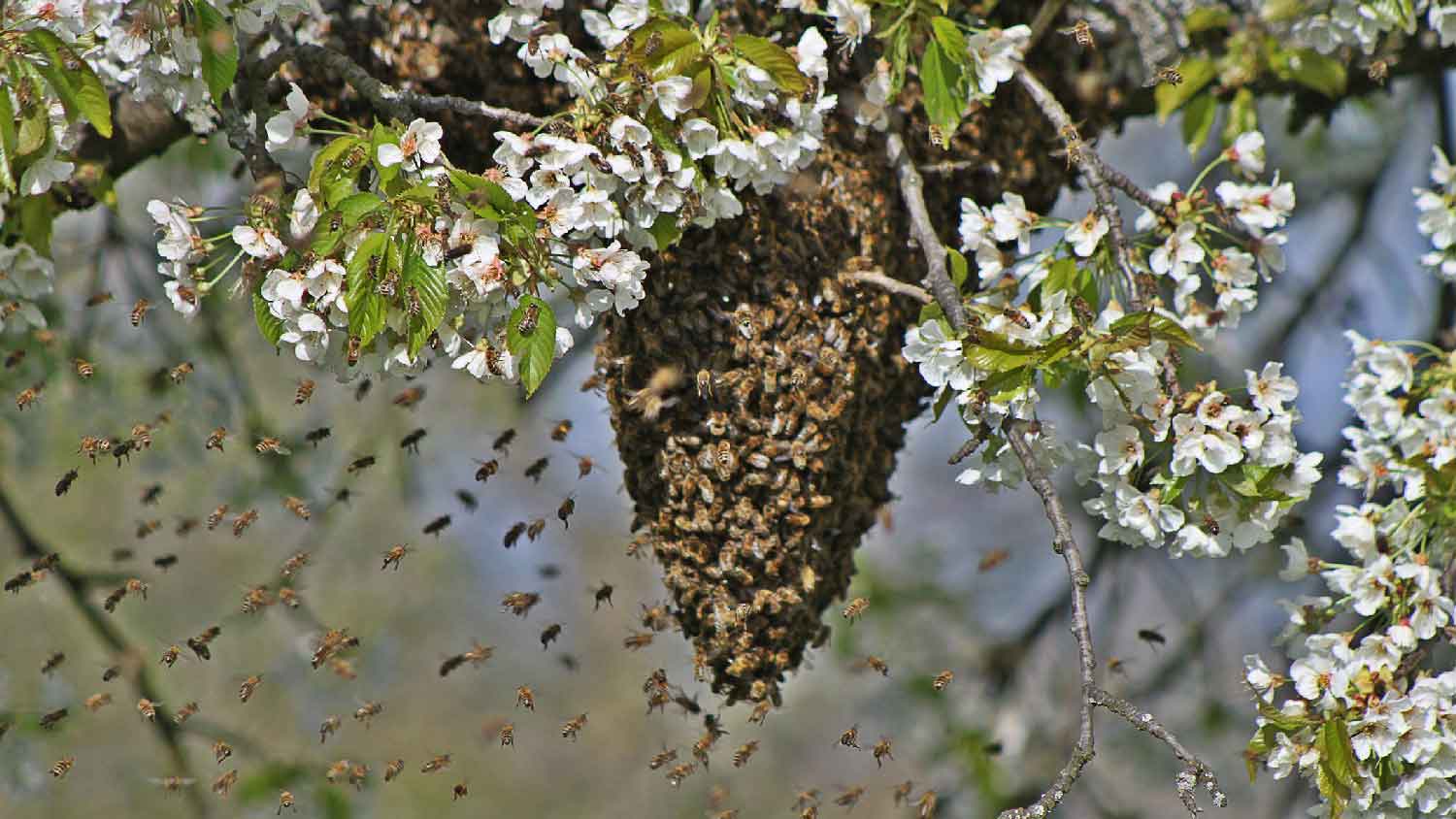
Bees are essential, but sometimes they can live too close for comfort. Learn how to get rid of bees' nests while trying not to harm these vital insects.
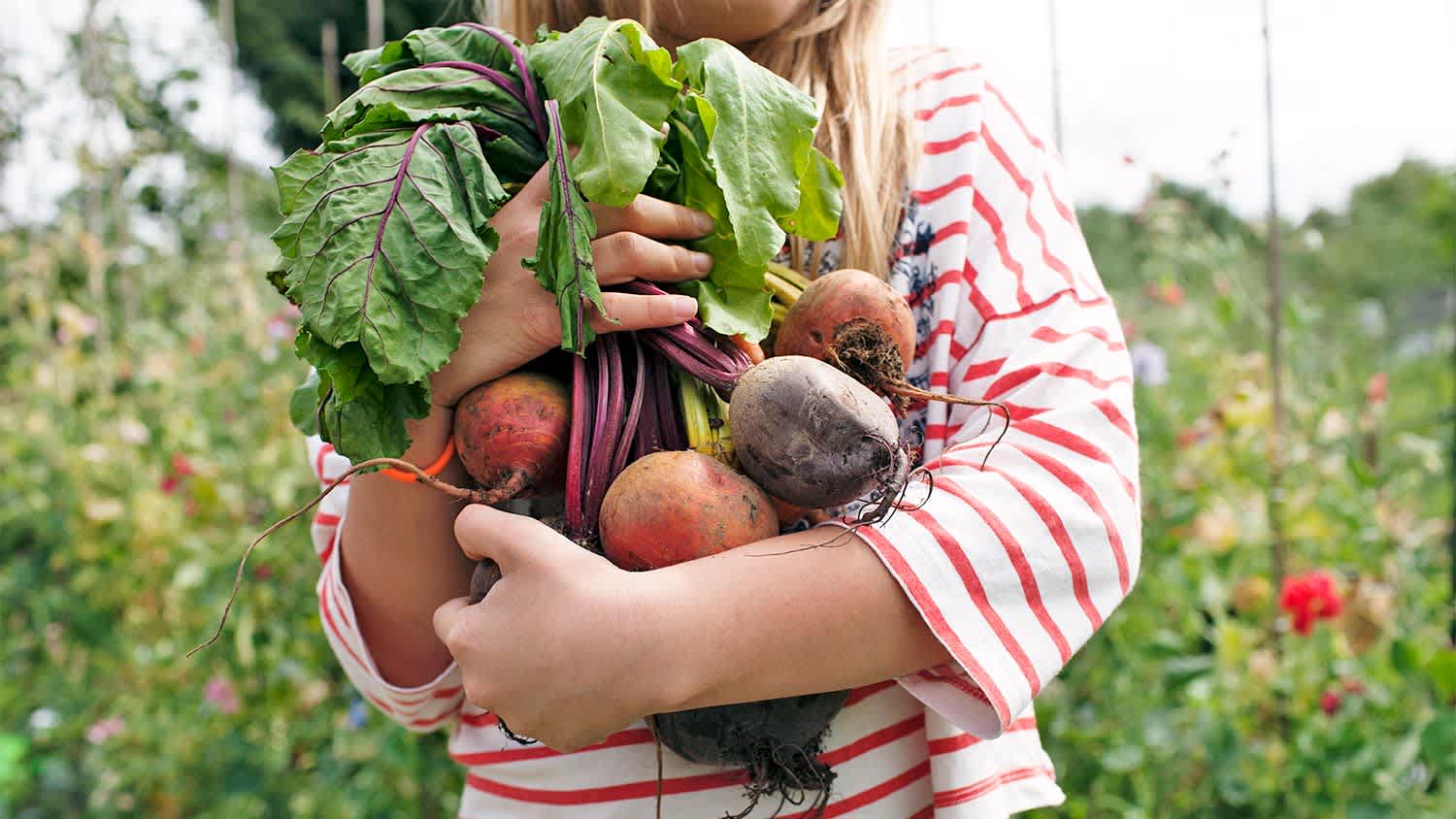
Growing a veggie garden is hard work, but pollinators can make the load lighter for you. Learn the benefits of common pollinators in your vegetable garden.
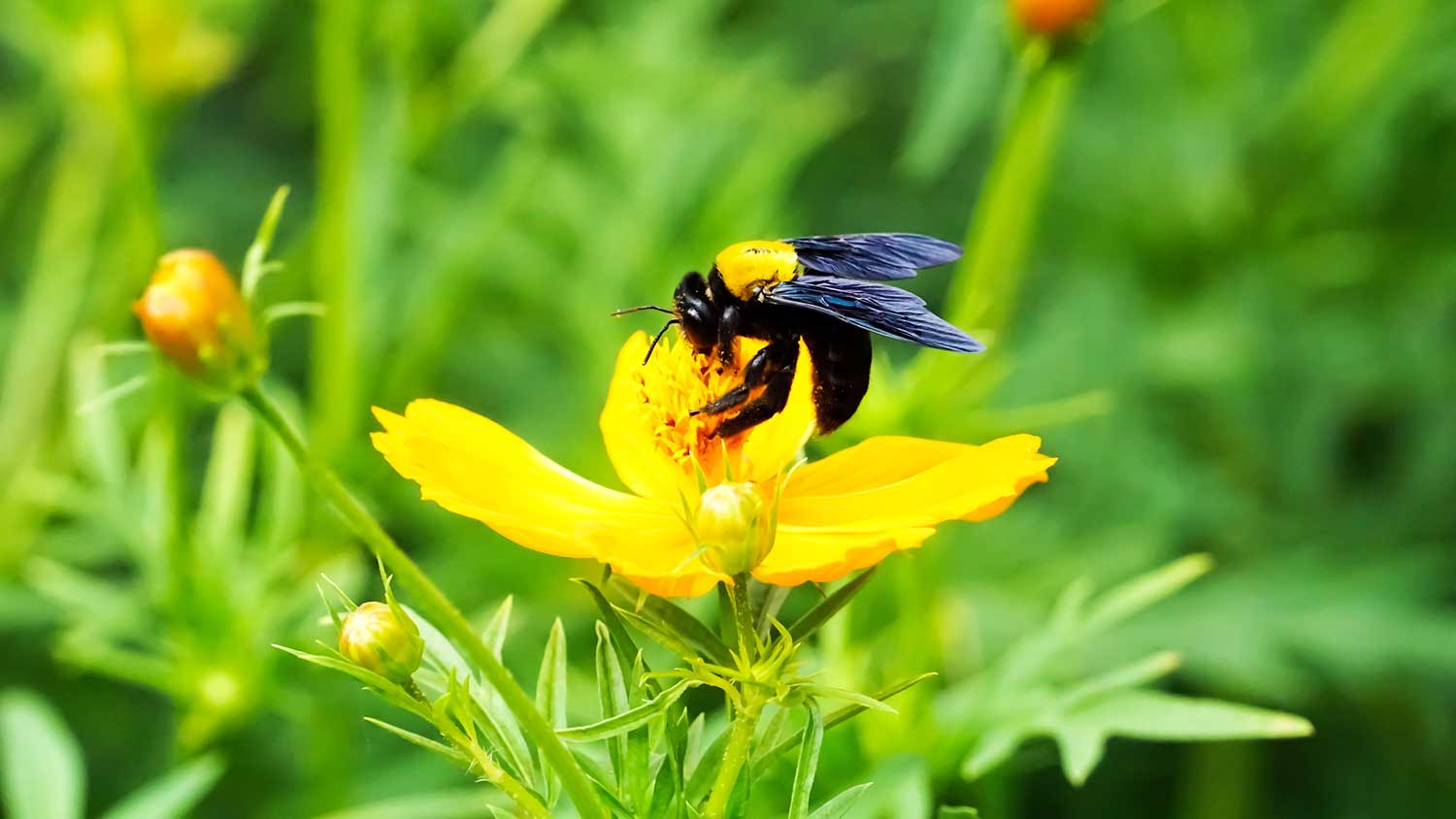
What do carpenter bees eat exactly? Learn what these misunderstood bees feast on and how to keep them from nesting in your home without harming them.
Honey bees are crucial to the ecosystem, but it’s normal not to want them near your space. Learn how to get rid of honey bees without harming them.
Small backyard or apartment living? No problem! Build the perfect garden anywhere. Grab your hand trowel and dig into these beautiful and creative garden ideas.