

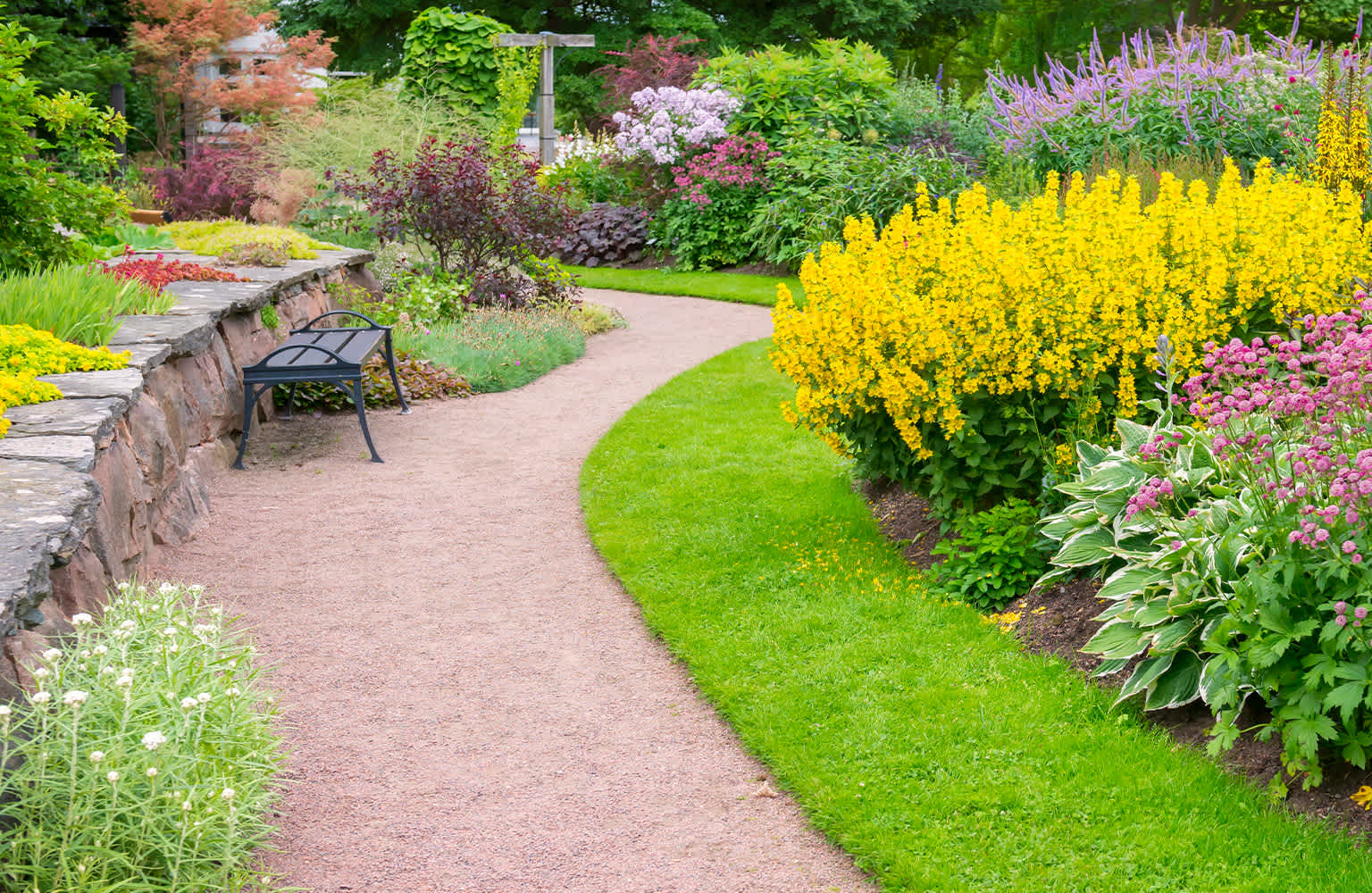
Discover the average sand delivery cost, key price factors, and tips to save on your next project. Get transparent, up-to-date estimates for sand delivery.
Landscaping costs depend on your project and location. Check with a local pro for your specific job.

River rock installation costs between $150 and $2,400 for your materials and labor, driven by stone type.
Your rock size and site access shape labor time, and your crew works harder in tight, steep areas.
Remember to include delivery fees of $150 to $600 and landscaping fabric for smaller rocks in your budget.
Hiring a local sand rock delivery professional ensures your landscaping is installed correctly and saves you heavy lifting.
In 2026, the national average cost to install river rock is $700, covering materials, delivery, and installation. Most homeowners spend between $300 and $1,600, with stone type, rock size, and site accessibility driving the spread. Budget for delivery fees of $150 to $600 and factor in landscaping fabric if you're working with smaller stones.
Several variables shape your final river rock bill, with stone type standing as the largest single cost driver. Beyond the type of stone, factors like delivery, installation, size of the river rock, and your location all influence what you pay.

Landscapers and garden supply companies measure river rocks by the ton or cubic yard. You'll find stone from $35 per ton and all the way up to $800 per ton, quite the wide range. Its rarity and availability drive up the cost, as well as how easy it is to spread. We'll break down each type in the table below.
| Type of River Rock | Average Cost Range in 2026 per Ton | Average Cost Range in 2026 per Cubic Yard |
|---|---|---|
| River Rock (General) | $100–$800 | $30–$220 |
| Lava Rock | $80–$240 | $25–$65 |
| Bull Rock | $70–$110 | $20–$30 |
| Pebble | $50–$65 | $14–$20 |
| Boulder | $100–$600 | $30–$165 |
| Riprap | $35–$250 | $10–$70 |
| Crush Limestone Rock | $30–$200 | $10–$60 |
| Arizona Rock | $150–$210 | $40–$60 |
| Delaware Rock | $95–$130 | $30–$35 |
| Cherokee Rock | $95–$180 | $30–$50 |
River rocks range from 1/2 inch up to 36 inches or larger in diameter, and size directly affects your installation cost since larger rocks require more manual labor to position. Smaller river rock brings the added expense of landscaping fabric to prevent the stones from sinking, though that material cost is modest compared to the labor premium for handling large boulders.
| River Rock Size in Inches | Average Cost Range in 2026 per Ton | Average Cost Range in 2026 per Cubic Yard |
|---|---|---|
| >1 | $10–$60 | $3–$20 |
| 1 | $50–$100 | $15–$30 |
| 3 | $60–$100 | $15–$30 |
| 5 | $75–$100 | $20–$30 |
| 10 | $120–$320 | $35–$90 |
| 12 | $120–$390 | $35–$105 |
| 18 | $150–$350 | $40–$95 |
| 24 | $150–$360 | $40–$100 |
| 30 | $150–$360 | $40–$100 |
| 36 | $150–$360 | $40–$100 |
Your project's square footage is the primary pricing driver for river rock, and while depth matters too, most garden beds need only 2 to 4 inches of rock, so square footage alone gives you a reliable cost estimate. Here's how project size and quantity costs compare by dimensions:
| Dimensions (Sq. Ft.) | Cubic Yards Required | Average Cost Range in 2026 |
|---|---|---|
| 10 | 0.06–0.12 | $150–$300 |
| 25 | 0.15–0.3 | $150–$300 |
| 50 | 0.3–0.6 | $150–$300 |
| 100 | 0.7–1.3 | $200–$500 |
| 200 | 1.4–2.6 | $300–$600 |
| 500 | 3–6 | $400–$1,800 |
High-quality river rock delivers the smooth, rounded shape and uniform color that define the material's appeal, while lower-quality stone can show irregular edges and less attractive coloring depending on its source. Upgrading to premium rock typically costs 10% to 15% more, but the improved appearance makes it a worthwhile investment for visible landscaping areas.
River rock delivery costs $100 to $600, with most companies charging a minimum of $100 regardless of quantity. For projects under 50 square feet, picking up the rocks yourself is the most cost-effective option if you have a way to transport them, since fees can reach $600 when multiple tons are needed for larger jobs.
River rock installation costs $50 to $150 per hour or $25 to $100 per ton, and while basic spreading can be a DIY task, distributing heavy stone evenly takes real skill. Hiring a landscaper alongside a sand and rock delivery pro near you is the safest approach, especially for tricky installations along water features or steep slopes where rates reach the higher end of the range.

Your geographic location affects both material and labor costs: states with abundant limestone or boulders offer lower prices through local supply, while importing lava rocks from the West Coast to the East Coast adds significant hauling expense. Within your property, placement matters too, spreading rocks on a driveway costs less than decorative boulder arrangements, and areas unreachable by heavy machinery require manual labor with shovels and wheelbarrows, which drives installation costs higher.
We always recommend hiring a sand and rock delivery service to both source river rock and install it on your property. Not only do these experts have a much greater knowledge of various materials and how to use them, but their experience also means they can help you achieve a great-looking end result in a fraction of the time it would take to do it alone.
Working with an expert to deliver, design, and place river rock installations has many benefits, such as:
Complete the job much more efficiently
Eliminate the risk of injury when moving heavy stones
Ensure quality work for projects requiring good drainage or erosion control
Improved home value thanks to investing in quality work
Ensure your installation will stand the test of time
If you decide that you want to tackle some of this project yourself, there are a few prep steps you can take care of:
Measure the space where you want to install rocks for more accurate estimates
Research the type of rocks available in your area to find the best option for your needs
If you're confident, lay your own base layer of gravel or sand and concrete mix
Hiring a landscaper experienced with river rocks unlocks a wider range of projects and rock garden ideas, from water features to full xeriscaping. Costs for common add-ons vary widely depending on the scope of the project.
| River Rock Add-Ons | Average Cost in 2026 |
|---|---|
| Water elements | $3,400 |
| Xeriscaping | $17,000 |
| Retaining walls | $6,000 |
| Rock removal | $40–$100 per cubic foot |
Since you'll stumble upon such a wide cost range for river rocks, don't rush into any decision if you need to stay under a strict budget. Here are some ways to lower the price of river rock installation, regardless of your next project.
Source locally: Research locally sourced river rocks that require minimal travel.
Mix rock types: Consider adding several types of landscaping rocks to your landscape that play different roles in your yard and help keep material costs down.
Buy in bulk: Buy river rocks in bulk or speak with a landscaper to access bulk prices.
Schedule off-season: Work with a local hardscaper or landscaping pro off season (in the winter or late fall) to avoid higher prices during times of high demand.
DIY delivery: Consider DIYing river rock distribution or even delivery when possible.
Knowing how much river rock you'll need will help you estimate your costs. For larger projects, you're likely to order rock delivery via truck, so you'll need to know how many tons of rocks you need ahead of time. You can buy bags of river rock for smaller projects, but you'll still need to know how much you need.
The following steps describe how to calculate how much river rock you need and how to convert cubic feet to cubic yards or tons.
Measure the length, width, and depth of the area where you plan to install your river rock. For example, let's say it's 10 feet wide, 20 feet long, and 3 inches deep.
Multiply the three numbers to determine how many cubic feet of rocks you need. For the example above, it comes out to 50 cubic feet (10-by-20-by-0.25 cubic feet).
Divide the total cubic feet by 27 to convert it to cubic yards. For example, 50 cubic feet divided by 27 is 1.85 cubic yards.
To get the number in tons, multiply the number of cubic yards by the density of the river rock you're using. A density of 0.89 is appropriate for river rock, so that comes out to 1.64 tons (1.85 x 0.89) in this example.
Talk to your pro about the types of rocks they have available—certain varieties may be lower-cost in your area
Work with your expert to determine the exact measurements of the space to ensure accurate estimates
Talk to your expert about the quality of the rock used—you may be able to save on costs depending on the area
Find out about delivery costs, and consider picking up rocks yourself if you only need a small quantity
Home is the most important place on earth, which is why Angi has helped more than 150 million homeowners transform their houses into homes they adore. To help homeowners with their next project, Angi provides readers with the most accurate cost data and upholds strict editorial standards. We extensively research project costs to develop the pricing data you see, so you can make the best decisions for you and your home. We rely on reputable sources, including the U.S. Bureau of Labor Statistics, academic journals, market studies, and interviews with industry experts—all to ensure our prices reflect real-world projects.
Want to help us improve our cost data? Send us a recent project quote to [email protected]. Quotes and personal information will not be shared publicly.
Custom Paint Jobs LLC made our home feel like a piece of art. Thank you for your creativity!
 Custom Paint Jobs, LLC
Window Depot did an amazing job on my deck. I wasnt sure what I wanted to do, but their composite decking was affordable and will last a long time. I am excited to have family over, and I am no longer embarrassed by my backyard. Jeff and the ground crew were polite, respectful, and caring for...
 Window Depot USA of Central Ohio
First of all, the gentleman I dealt with (Cam?) was very responsive to my many questions and concerns throughout the project, which is a huge plus to me. From the first time I met him for the estimate all the way til the completion of the job, he and his crew were professional and respectful....
 All Star Paving and Sealing
We had a 20+ year old landscape lighting system that needed replacement. Midwest Lightscapes worked with us to design a much improved lighting system, lighting the exterior of the house and the back yard. Installation of the 45 light system took one and one-half days, and went very smoothly....
 Midwest Lightscapes
Another great success for me on home advisor. This company did an awesome job on my landscaping and stayed within my budget. The best part, the work was complete within 2 days of my initial request. Professional and responsive. I highly recommend!
 Blue Ring Residential Services, LLC
The company no showed on me twice. The 2nd time was no call no show. They were responsive to set up the first appointment to perform the "landscape cleanup". 3 hours after their initial scheduled appointment time they called me to let me know they had some "problem" with the truck and their...
 Ruby Home and Hauling Services
Received ideas for future landscape plans...quote to do the work seemed a bit high but I did not have any other quotes to compare it to, so perhaps that is the going rates. <br />
 Landscapes By Terra, Inc
All around they have done a really great job. <br /> I have used JL Landscapes for the past 8 years. I own and operate my own commercial/residential real estate company where we own, operate, and maintain our own properties. JL Landscapes has been our exclusive landscaper for both our...
 J.L. Landscapes
Bought a half a cord of firewood from Pitzer with stacking last month. I waited to report so I could see how the wood burned. <br /> <br /> I have three pet peeves regarding landscapers, but Pitzer scored "A"s regarding all three. First, rather than having customers "leave a message" and...
 Pitzer Landscaping
I left a message on Sunday requesting to schedule a time to obtain an estimate/walk-through and received a return call in the morning of the following Monday. Mark worked with me and agreed to schedule the estimate/walk-through for the following Saturday. When Mark arrived for the...
From average costs to expert advice, get all the answers you need to get your job done.
Discover the average sand delivery cost, key price factors, and tips to save on your next project. Get transparent, up-to-date estimates for sand delivery.
Whether you’re planning on putting in a concrete driveway, patio, or staircase, use this concrete delivery cost guide to get an accurate estimate.
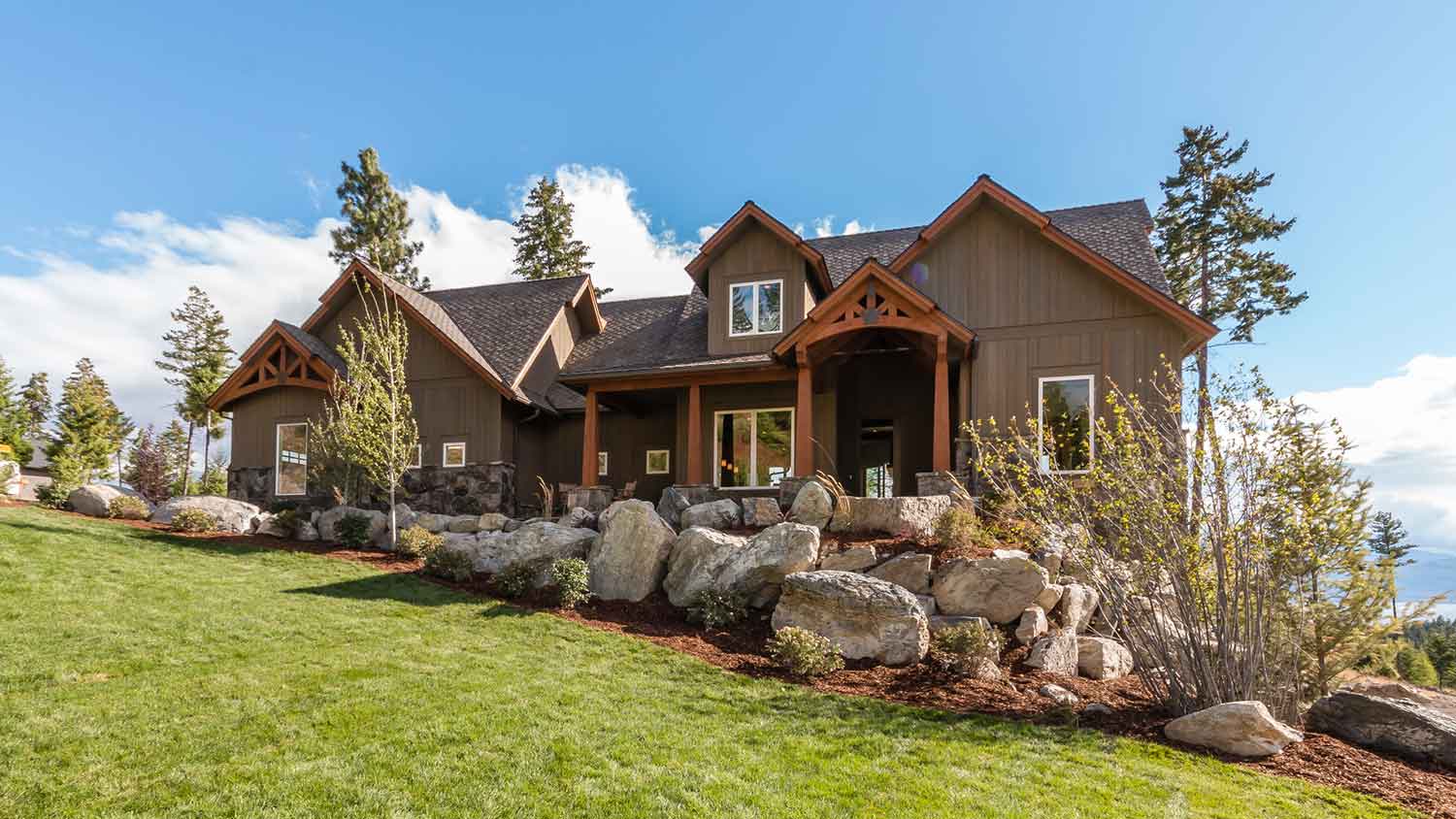
Boulders can make a statement in your landscape, from retaining walls to decorative features. This guide breaks down how much landscape boulders cost.
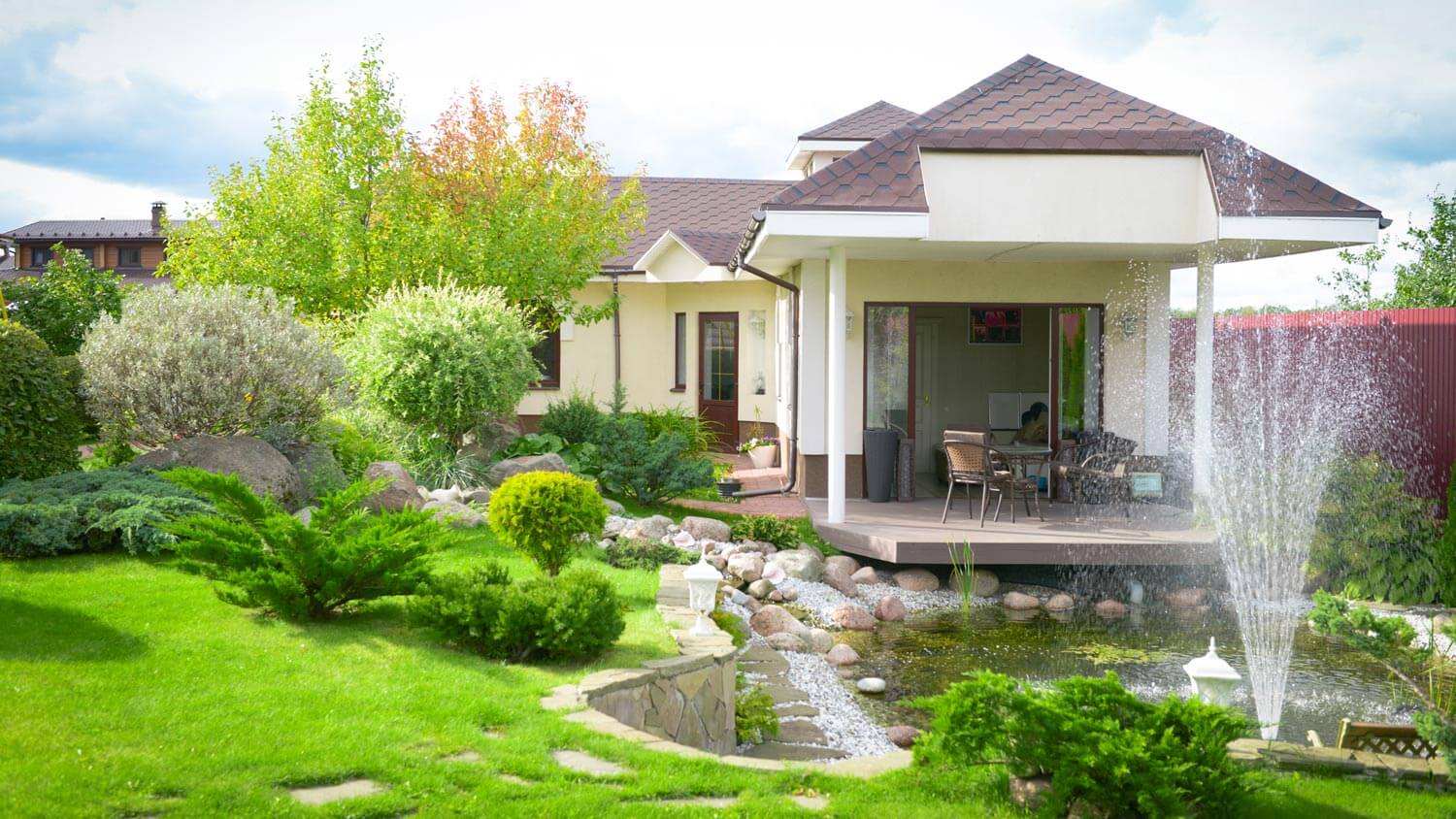
Whether you create a Zen rock garden, group boulders on your lawn, or line paths with pebbles, rockeries are beautiful and low maintenance. Read on to learn more.
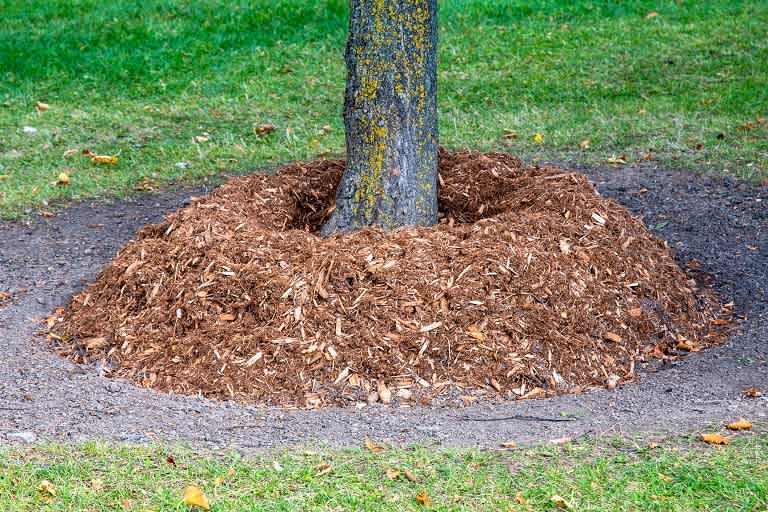
Learn how to hire a mulch delivery pro with confidence. Find qualified contractors, get accurate quotes, and ensure quality service for your landscaping project.
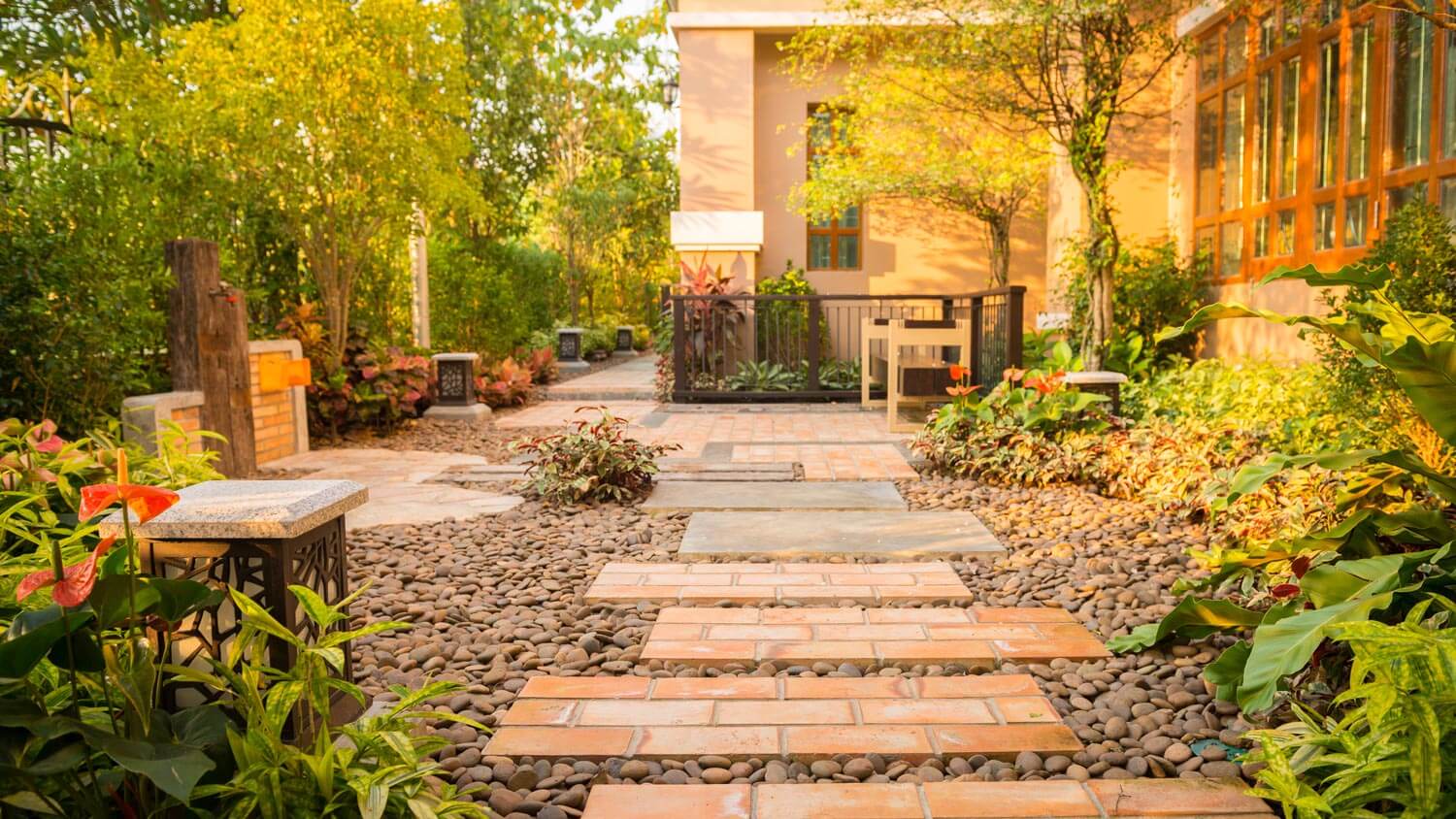
Find out the best types of landscaping rocks for your home’s next outdoor project, from solving drainage problems to installing retaining walls and terraces.