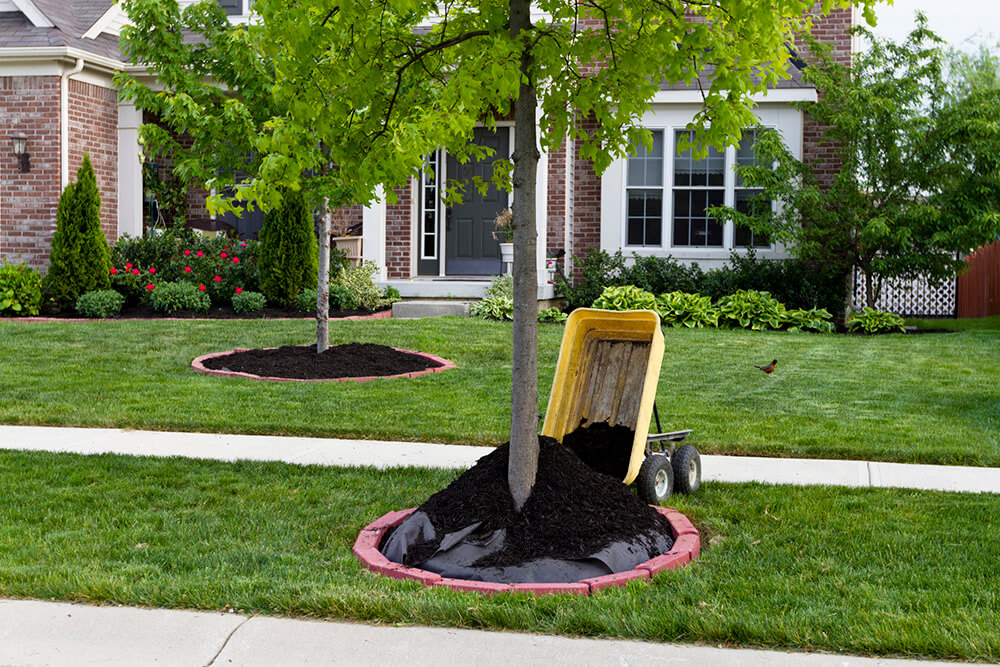
Making mulch for your garden does not have to be complicated. Find out how to make mulch using six different materials here.
Turn trash into treasure by making homemade fertilizer

Composting turns your food scraps and yard waste into nutrient-rich fertilizer, giving your garden a free boost while reducing what you throw away.
Creating compost at home costs $0 to $100 for supplies like bins or tools, though you can start your pile on bare ground for free.
Layer brown materials like dry leaves with green materials like food scraps, then moisten, turn weekly, and wait one to three months for finished compost.
Hiring a local gardening professional provides expert guidance on compost placement, soil improvement, and seasonal garden care to help your landscape thrive.
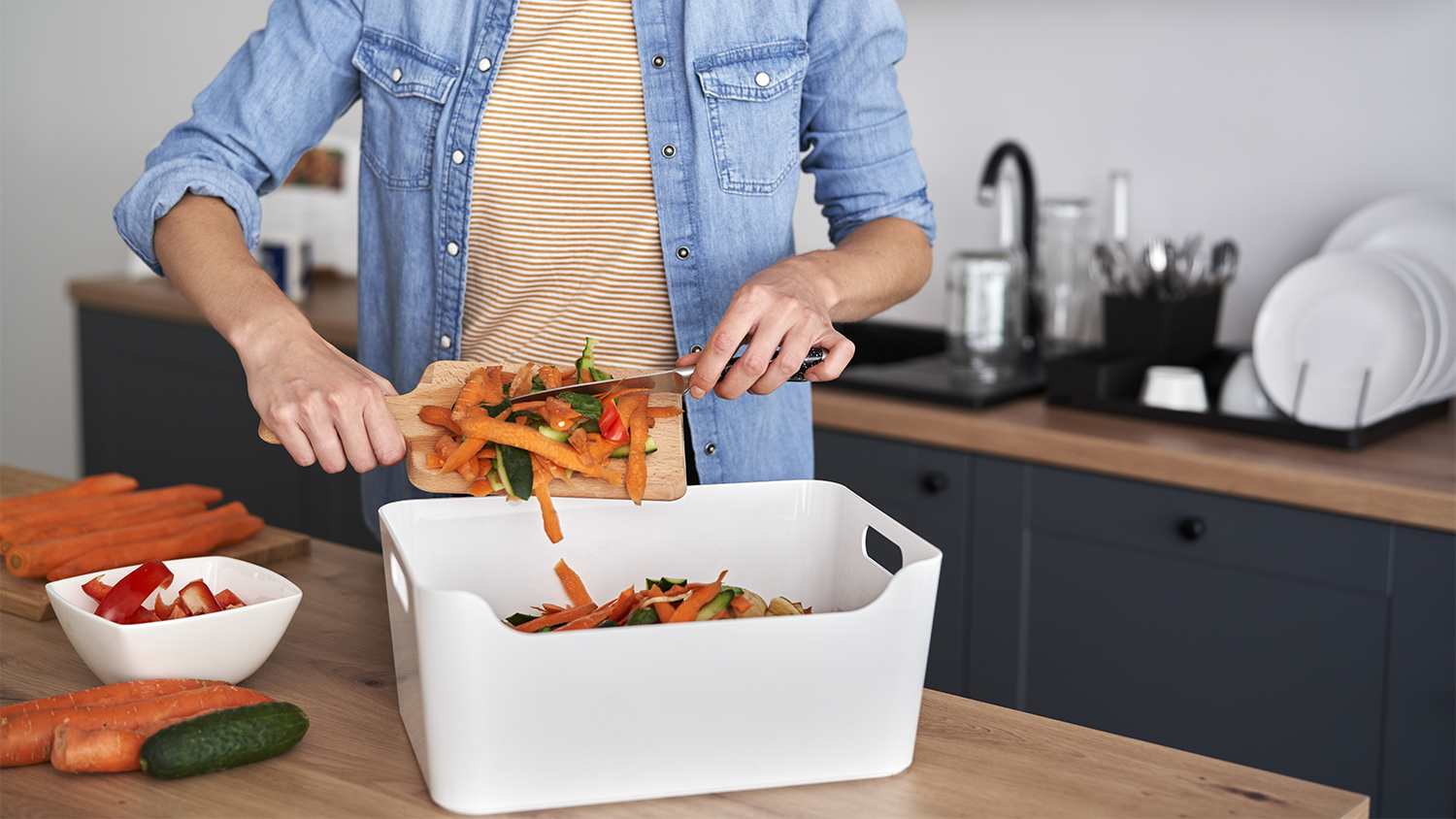
If you ever feel guilty about tossing out your food waste, there’s an alternative to the dumpster. Enter composting, a free and easy way to dispose of food and do wonders for your garden. Read on to learn how to DIY a nutrient-rich additive that gardeners call “black gold” or “gardener’s gold.” Then add to your soil and watch your landscape thrive.
Preparing your own soil booster couldn’t be easier—it just requires a bit of patience.
Choose an area close enough to your home for convenience, yet far enough away for aesthetics—compost piles are not known for their looks. Ideally, this spot should get a moderate amount of sunlight; too little could slow down the decomposition process while too much could overheat the piles and kill beneficial bacteria.
You can begin your pile on bare earth or in an enclosed bin. If you choose the ground, you’ll provide easy access to worms and microorganisms, which will help break down the organic materials. However, if you go for a container, you’ll keep out wildlife, which could disturb your piles. To contain your pile if it’s not enclosed, surround it with chicken wire or wood pallet boards.

Start your pile with several inches of yard waste, such as branches, twigs, dead leaves, wood chips, hay, and cornstalk. Also throw in other dry organic materials, like sawdust, coffee filters, shredded cardboard and newspaper, and straw. These materials produce carbon, which helps spur on decomposition.

Now layer on wetter organic waste. Choose food scraps, eggshells, grass clippings, plant trimmings, coffee grounds and tea bags, hair, lint, and barnyard animal manure. Add one-part green material for every three parts brown material, ideally ending up with a pile at least three feet deep. The green materials release nitrogen and protein, which help grow the microorganisms that break down the organic matter.
To speed up decomposition, you can chop and shred the brown and green matter. Your goal should be small pieces.
As with sunlight, moderation is key when it comes to water. Aim to moisten rather than saturate the organic materials. Too much water leads to odor, slime, flies, and harmful bacteria, while too little slows down decomposition. If it doesn’t rain regularly in your area, water with a garden hose until damp.

After a week, turn your pile with a shovel or pitchfork. By rotating outside materials to the inside and vice versa, you’re aerating the compost and exposing all the materials to microorganisms. Then cover with a tarp to lock in moisture and keep out wildlife. During the growing season, turn the compost once a week.
Wait one to three months during the warm season. If the middle of the pile feels warm or the pile releases steam, your material is probably decomposing into compost.
Deposit some compost into a plastic bag, press out the air, seal, and leave closed for three days. Open and smell. The compost is ready if the aroma is earthy, rather than sour or ammoniated.

You can nourish your garden with your homemade fertilizer several ways:
At the beginning of each planting season, add the compost to soil in pots and window boxes.
In the fall, sprinkle compost on vegetable and flower beds.
Around trees, push back the mulch. Add a 2-inch layer of compost under the canopy, avoiding touching the trunks. Then replace the mulch on top.
Steep finished compost in water for several days to make compost tea, then strain to prepare a liquid fertilizer.
Don’t stop with just one compost pile. As you continue to accumulate scraps, begin a second and, later, a third. This way, you’ll have piles at different stages and an ample supply of this soil booster.
Yes, you can buy a turner or aerator to add oxygen to the pile and a compost grinder to quickly chop up materials to help them break down faster. Instead of a bin, you can pick up a compost tumbler, which allows you to turn the compost with a crank and gear. If you’d rather not reach into the middle of your compost pile to make sure it’s warm (which means it’s probably decomposing), you can check its temperature with a compost thermometer.
If your pile is too wet, add more brown material and turn it. If it’s too brown and dry, add green materials and a bit of water.
Avoid meat, fish, or bones; yard waste with pesticides; cellophane; coated cardboard; treated wood; large branches; seeded weeds; toxic plants; and human and pet manure.
Yes. If your area doesn’t allow outdoor composting, you can keep a compost bucket in your kitchen. One type of indoor composter is a vermicomposter, which relies on redworms (or red wigglers). These critters feast on food scraps and release nitrogen. You can also store scraps in a compost bucket plus your freezer until you have enough green materials to add to your compost pile outside.
They did an excellent job! Super fast, helpful, and made the process so easy. Great job!
 1-800-GOT-JUNK?
1 tree was cut down and 5 others including a large willow tree were trimmed. The Grant Tree Service men were professional and cleaned up afterwards. The cost of the 6 trees were affordable. I am very happy with the results. I would hire them again.
 Grants Tree Service
Thank you very much for his professionalism and getting the job done the right way the first time. Great job!
 Alex & Alex
Great job! Friendly, timely and thorough.
 Eco Plumbers, Electricians, and HVAC Technicians
Seth was very professional, prompt in responding to queries about the work required , gave sincere advice as to what would be best for tree trimming and did the job timely.
It was a difficult job and Robert and his son worked diligently to get it done.
Window Depot did an amazing job on my deck. I wasnt sure what I wanted to do, but their composite decking was affordable and will last a long time. I am excited to have family over, and I am no longer embarrassed by my backyard. Jeff and the ground crew were polite, respectful, and caring for...
 Window Depot USA of Central Ohio
He did the work in a timely manner and I would use him again!!
 Quantum Waterworks Waterline & Drain Cleaning Services, LLC
Cameron and his crew did an excellent job. On time, professional and courteous. My driveway looks awesome!!
 All Star Paving and Sealing
The guys did an outstanding job and we had a great experience with CarifaTile. I appreciated that Joe reviewed the quotes with me and set expectations prior to the install. The crews showed up as scheduled and always left the areas clean upon leaving the house. We will definitely use...
 CarifaTile
From average costs to expert advice, get all the answers you need to get your job done.
Making mulch for your garden does not have to be complicated. Find out how to make mulch using six different materials here.
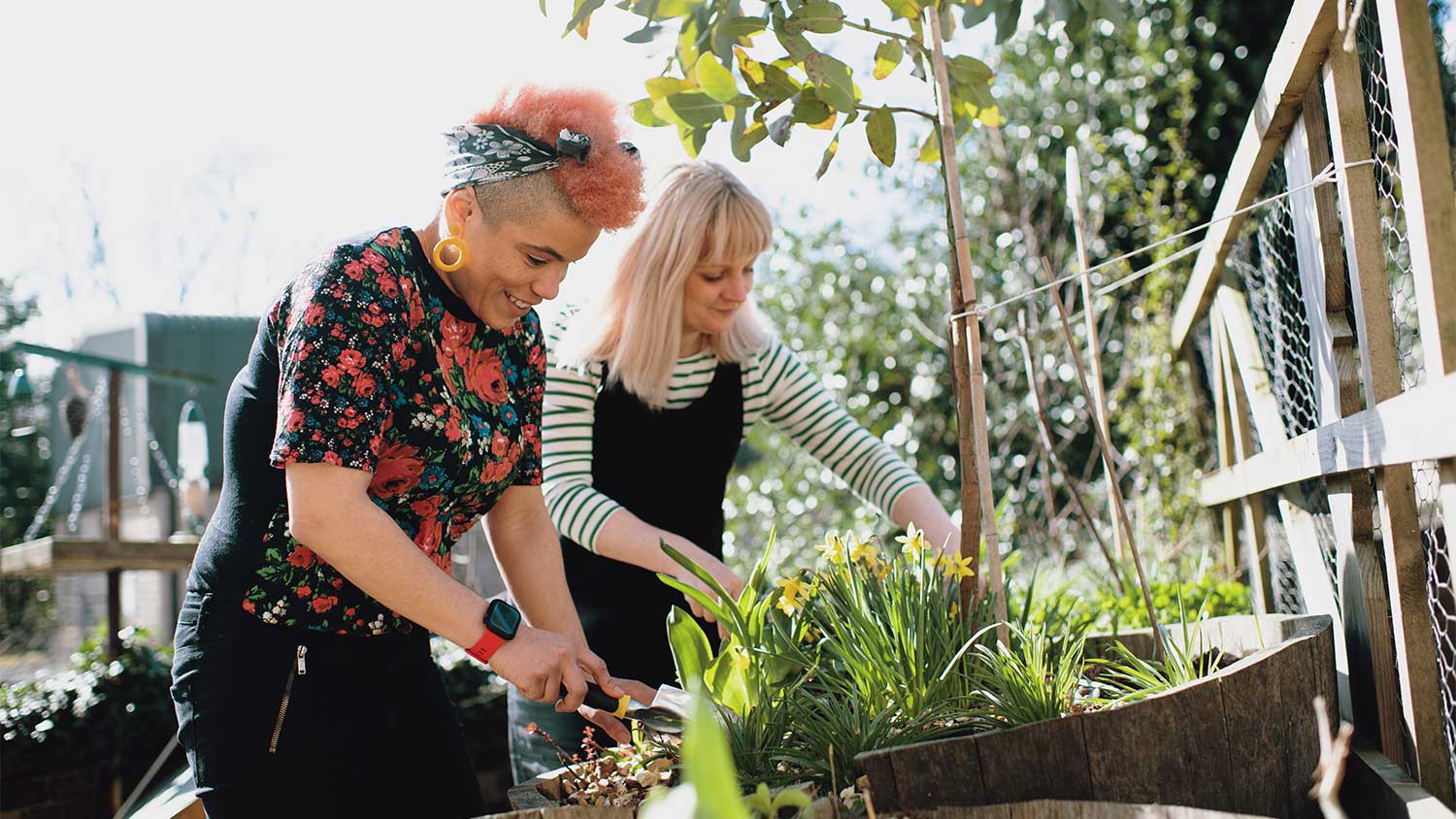
Bokashi is a quick method of fermenting food scraps that enhances soil or existing compost. Read on to learn how Bokashi benefits composting.

If you are wondering how to compost yard waste, we share the best methods for homeowners, including helpful tips.
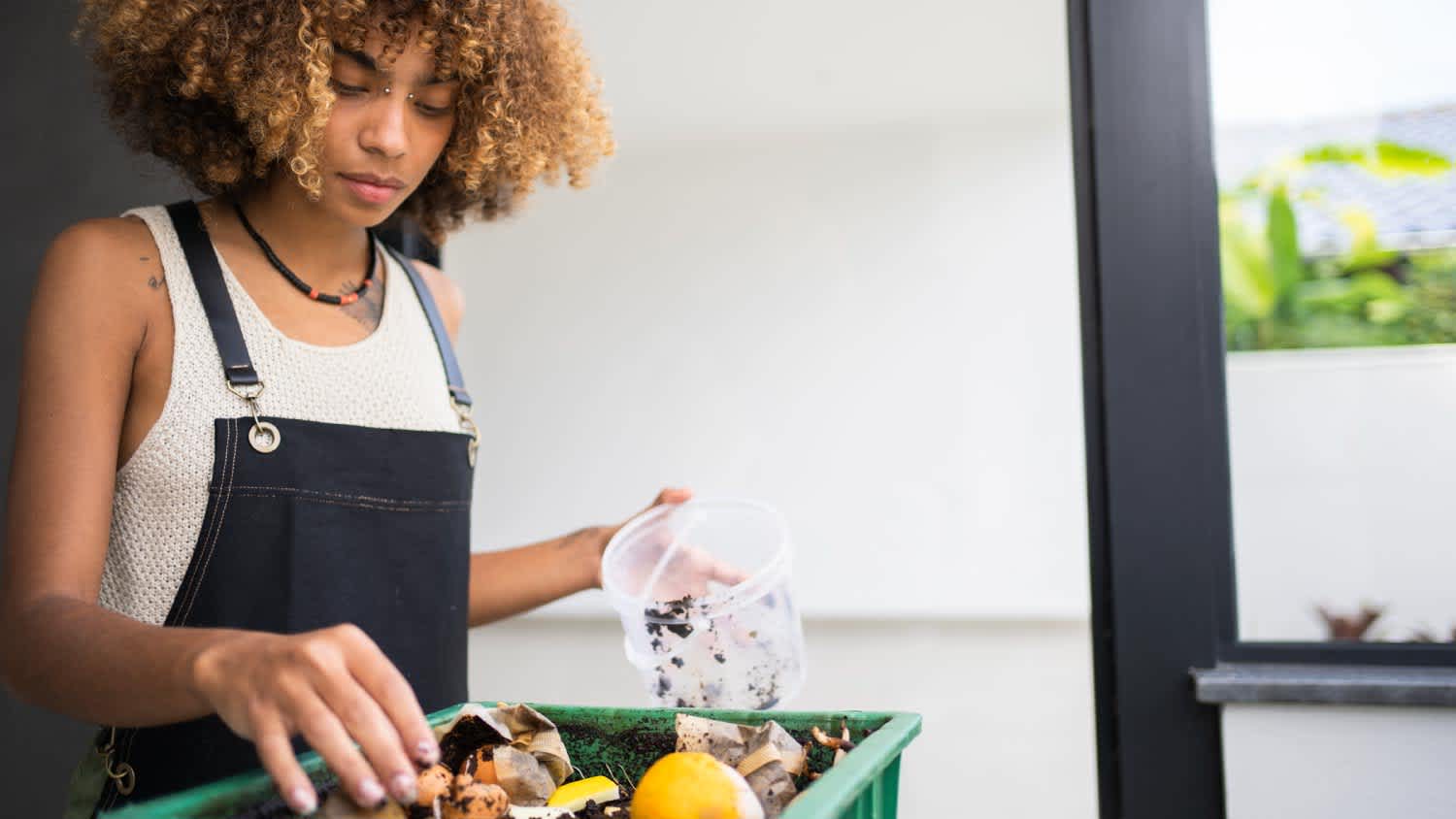
Vermicomposting fortifies the soil to nourish plants and microbes, but that’s not all. Here’s everything you need to know about worm composting.
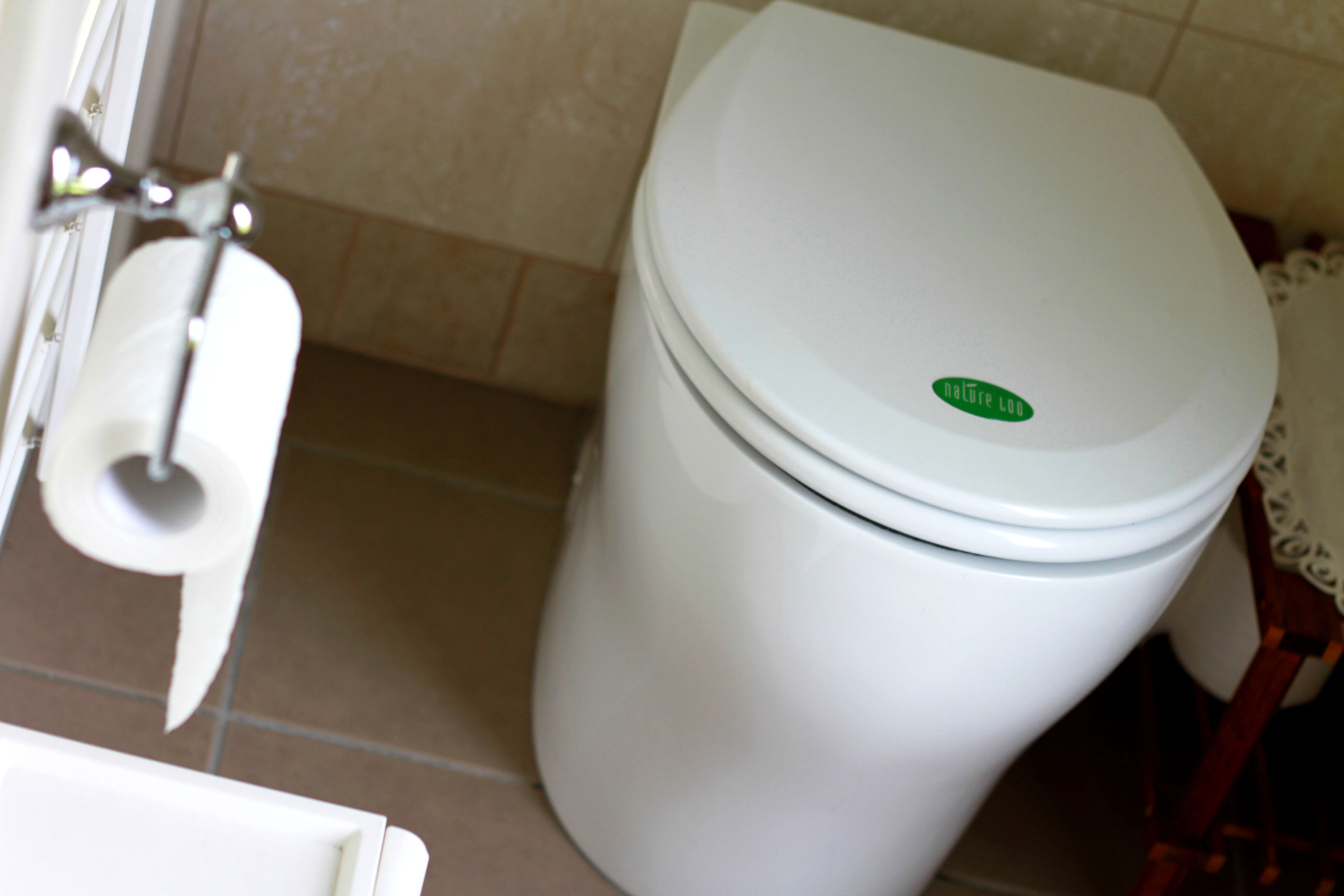
Composting toilets are off-the-grid, environmentally friendly alternatives to traditional toilets that are gaining popularity. But do they work? We introduce you to composting toilets and set the record straight on some persistent misconceptions.
Are you ready to turn leftover food into a usable, healthy fertilizer for your soil? Become a composting pro with these tips on what to avoid while composting.