
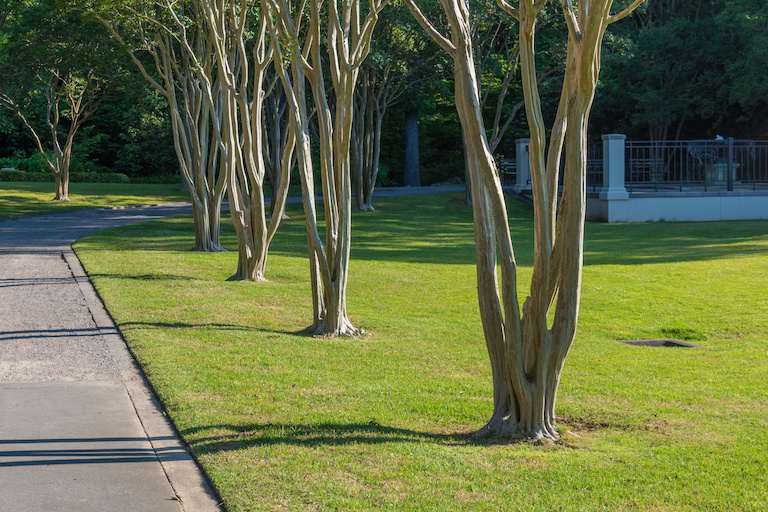
Find out how much it costs to plant a tree based on the number of trees, their size, where you want to plant them, and DIY versus professional costs.
It's not just perennial borders that bring the bees to your backyard

The top trees for bees include red maple, willow, serviceberry, and basswood.
Choose native trees first, since they support more specialist bees.
Plant a mix that blooms from early spring through fall for steady food.
For large or tricky plantings, consider hiring a local tree planting service professional.
Planting trees for bees is one of the best ways to support pollinators in your yard. Bees need nectar and pollen from early spring through fall, and trees deliver both in large amounts. This guide covers 10 bee-friendly trees, plus how to pick the right one for your space.
The best trees for bees are red maple, willow, serviceberry, and basswood (linden). Red maple and willow bloom in late winter and early spring, when bees first emerge. Serviceberry suits small yards, while basswood is a top honeybee tree for large yards.
Match your tree to your yard, your climate, and the bloom times bees need most. Use these quick picks to narrow your list.
Small yards: Serviceberry, eastern redbud, pussy willow, or crape myrtle fit tight spaces.
Large yards: Red maple, black cherry, or black tupelo give bees more blooms.
Wet areas: Pussy willow tolerates soggy soil and seasonal flooding.
Warm southern climates: Crape myrtle thrives in USDA zones 7 to 9.
Native-first: Native trees support more specialist bees, so start there.
Bloom season: Mix early, mid, and late bloomers for food all season.
Not sure of your zone: Check your USDA hardiness zone before you buy.
| Tree | Mature Size | USDA Zones | Bloom Season | Native to U.S. | Notes |
|---|---|---|---|---|---|
| Red Maple | 50–100 ft | 3–9 | Late winter/early spring | Yes | One of the earliest nectar sources; needs a large yard |
| Pussy Willow | Up to 15 ft | 4–8 | Late winter/early spring | Yes | Great for wet areas and small yards |
| Eastern Redbud | Up to 30 ft | 4–9 | Early spring | Yes | Best for long-tongued bees; strong small-yard pick |
| Serviceberry | Up to 20 ft | 4–8 | Early spring | Yes | Early nectar; berries feed birds |
| American Holly | Up to 50 ft | 5–9 | Spring | Yes | Needs male and female plants for berries |
| Southern Crabapple | Up to 30 ft | 3–8 | Spring | Yes | Pink blossoms; tart fruit for jelly |
| Black Cherry | Up to 60 ft | 3–9 | Spring | Yes | Magnet for bees, butterflies, and birds |
| Crape Myrtle | Up to 25 ft | 7–9 | Late spring/early summer | No | Thrives in warm southern climates |
| Black Tupelo | 60+ ft | 3–9 | Late spring | Yes | Prized for tupelo honey; slow-growing |
| Staghorn Sumac | Up to 25 ft | 3–8 | Summer | Yes | Abundant nectar; winter berries for birds |
A 2016 USDA report noted that U.S. pollinator populations had suffered serious losses over the prior decades. The USDA pointed to invasive pests and diseases, pesticide exposure, habitat loss, and a changing climate as the main drivers. Planting trees for bees helps replace lost habitat and food.
Bees also power your garden by pollinating flowers, fruits, and vegetables. Learn more about how beneficial bees help your plants grow.
Michigan State University Extension recommends planting for continuous bloom from early spring through late fall. That steady supply of nectar and pollen fills the gaps when little else flowers.
University of Kentucky extension guidance notes that nectar and pollen are scarce in February, March, and early April. Early-blooming trees fill this gap for bees just coming out of winter. Pair your trees with flowers for bees to keep blooms going all season.
Mature Size: 50–100 feet
USDA Hardiness Zones: 3–9
Bloom Season: Late winter to early spring
Pollinator Value: Red maple is one of the earliest nectar and pollen sources of the year, according to the Virginia Native Plant Society and NCSU Extension. It attracts specialist bees that rely on its pollen.
Light/Moisture: Full sun to part shade; tolerates wet and dry soil.
Cautions: Grows very large, so plant it in a big yard with room to spread.

Mature Size: Up to 15 feet
USDA Hardiness Zones: 4–8
Bloom Season: Late winter to early spring
Pollinator Value: Willow is likely important to early-emerging and specialist bees, according to Oregon State University Extension. As a regional example, Heritage Conservancy found willows support six pollen-specialist bees in Pennsylvania.
Light/Moisture: Full sun; loves wet soil and tolerates seasonal flooding.
Cautions: Best for damp spots; keep it away from pipes and septic lines.

Mature Size: Rarely over 30 feet
USDA Hardiness Zones: 4–9
Bloom Season: Early spring
Pollinator Value: Redbud supports native bees, and it is best for long-tongued bees. NCSU Extension notes it supports the specialist blueberry bee.
Light/Moisture: Full sun to part shade; moist, well-drained soil.
Cautions: Short-tongued bees cannot reach its nectaries, so pair it with open-flowered trees.
Mature Size: Rarely over 20 feet
USDA Hardiness Zones: 4–8
Bloom Season: Early spring; blooms are short-lived, lasting about a week and less in warm or windy weather.
Pollinator Value: Serviceberry is among the earliest-flowering spring trees, giving bees vital early nectar and pollen.
Light/Moisture: Full sun to part shade; moist, well-drained soil.
Cautions: Its berries also feed birds, so plant it as one of many great fruit-bearing trees.
Mature Size: Up to 50 feet
USDA Hardiness Zones: 5–9
Bloom Season: Spring
Pollinator Value: Female flowers are nectar-rich, and male flowers offer high-quality pollen. Bees carry that pollen up to about 200 feet.
Light/Moisture: Full sun to part shade; moist, well-drained, acidic soil.
Cautions: Holly is dioecious, so you need male and female plants for berries. Only females fruit; plant one male for up to 10 females.

Mature Size: Compact, up to 30 feet
USDA Hardiness Zones: 3–8
Bloom Season: Spring
Pollinator Value: Its abundant pink blossoms draw pollinators in spring.
Light/Moisture: Full sun; well-drained soil.
Cautions: The tart fruit is best cooked into jelly rather than eaten fresh.
Mature Size: Up to 60 feet
USDA Hardiness Zones: 3–9
Bloom Season: Spring
Pollinator Value: Native cherries are magnets for bees, butterflies, and birds.
Light/Moisture: Full sun; adaptable to most soils.
Cautions: Grows tall, so give it plenty of overhead room.
Mature Size: Up to 25 feet, fits smaller yards
USDA Hardiness Zones: 7–9
Bloom Season: Late spring to early summer
Pollinator Value: Crape myrtle thrives in warm southern climates. In a University of Georgia study, 'Seminole' and 'Victor' drew the most bees overall, while 'Apalachee' was the top pick for bumblebees.
Light/Moisture: Full sun; well-drained soil.
Cautions: Choose a bee-friendly cultivar, since some flower forms offer little pollen.

Mature Size: 60 feet or more
USDA Hardiness Zones: 3–9
Bloom Season: Late spring
Pollinator Value: Bees prize black tupelo nectar. Its close relative, swamp tupelo, produces the famous Apalachicola tupelo honey, according to the USDA Forest Service.
Light/Moisture: Full sun to part shade; moist soil; tolerates wet sites.
Cautions: It grows slowly and lives a long time, so plant it in a large yard.
Mature Size: Up to 25 feet
USDA Hardiness Zones: 3–8
Bloom Season: Summer
Pollinator Value: Its summer flowers offer abundant nectar for many native bees. The berries feed birds through winter.
Light/Moisture: Full sun; dry to average soil; highly adaptable.
Cautions: It spreads by suckers, so give it room or trim new shoots.
Good care helps your trees for bees bloom for decades. Follow these steps to get them established.
Siting: Match each tree to its sun, soil, and space needs before you dig.
Planting depth: Set the tree so the root flare sits at or just above soil level. Do not bury the trunk.
Establishment watering: Water deeply once or twice a week for the first two years.
Pollinator-safe pesticides: Avoid spraying trees while they bloom.
Apply insecticides well before or after bloom, and only at dusk when bees are not foraging. Avoid systemic neonicotinoid insecticides on soil near bee-attractive plants before spring bloom. The EPA has prohibited the use of certain neonicotinoids when bees are present.
Want the biggest impact? Group your trees into a pollinator garden of your own with shrubs and flowers.
This service was great. My air conditioner went out during the heat spell that we had. My husband has health issues and they came out that night and at 9:30pm the air conditioner was fixed and running. We are sooo very thankful, this is the company I will be using from now on and would...
 Mr. Mechanical Ohio
One of my old tall evergreen trees was suddenly leaning toward the busy street in front of my house. I submitted a request for an emergency tree inspection, and Alejandro, owner of Cajete Tree Service, contacted me immediately and arrived to look at it just 20 minutes later. We agreed the...
 Cajete Tree Service LLC
1 tree was cut down and 5 others including a large willow tree were trimmed. The Grant Tree Service men were professional and cleaned up afterwards. The cost of the 6 trees were affordable. I am very happy with the results. I would hire them again.
 Grants Tree Service
D1 Roofing delivers outstanding service from beginning to end, backed by a strong warranty and expert teams. I highly recommend them for their excellence in meeting and surpassing expectations with unmatched communication. Choosing D1 Roofing was flawless decision
 Division 1 Roofing LLC
Promptly arrived for quoting! Demonstrated superb customer service, affordable pricing, and completed service swiftly! Looking forward to the spring for our service!
 All Star Paving and Sealing
Seth was very professional, prompt in responding to queries about the work required , gave sincere advice as to what would be best for tree trimming and did the job timely.
Ace Fireplace Services' chimney sweep service is truly exceptional. They used advanced technology to ensure a thorough cleaning process, and my chimney has never looked better. I highly recommend their services.
 Ace Fireplace Services
I definitely recommend Ramonaâ s cleaning service! I have booked services with her many times and she arrives on time, ready to work and provides a great service.
 Your Cleaning Solutions LLC
Webb â s was priced well, flexible on scheduling, great with communication, and detailed in their work. Iâ ll definitely use their services again.
 Webbs Pressure and Paint LLC
Great tree company, very professional and honest. Glad we found them, they had the best pricing
From average costs to expert advice, get all the answers you need to get your job done.
Find out how much it costs to plant a tree based on the number of trees, their size, where you want to plant them, and DIY versus professional costs.
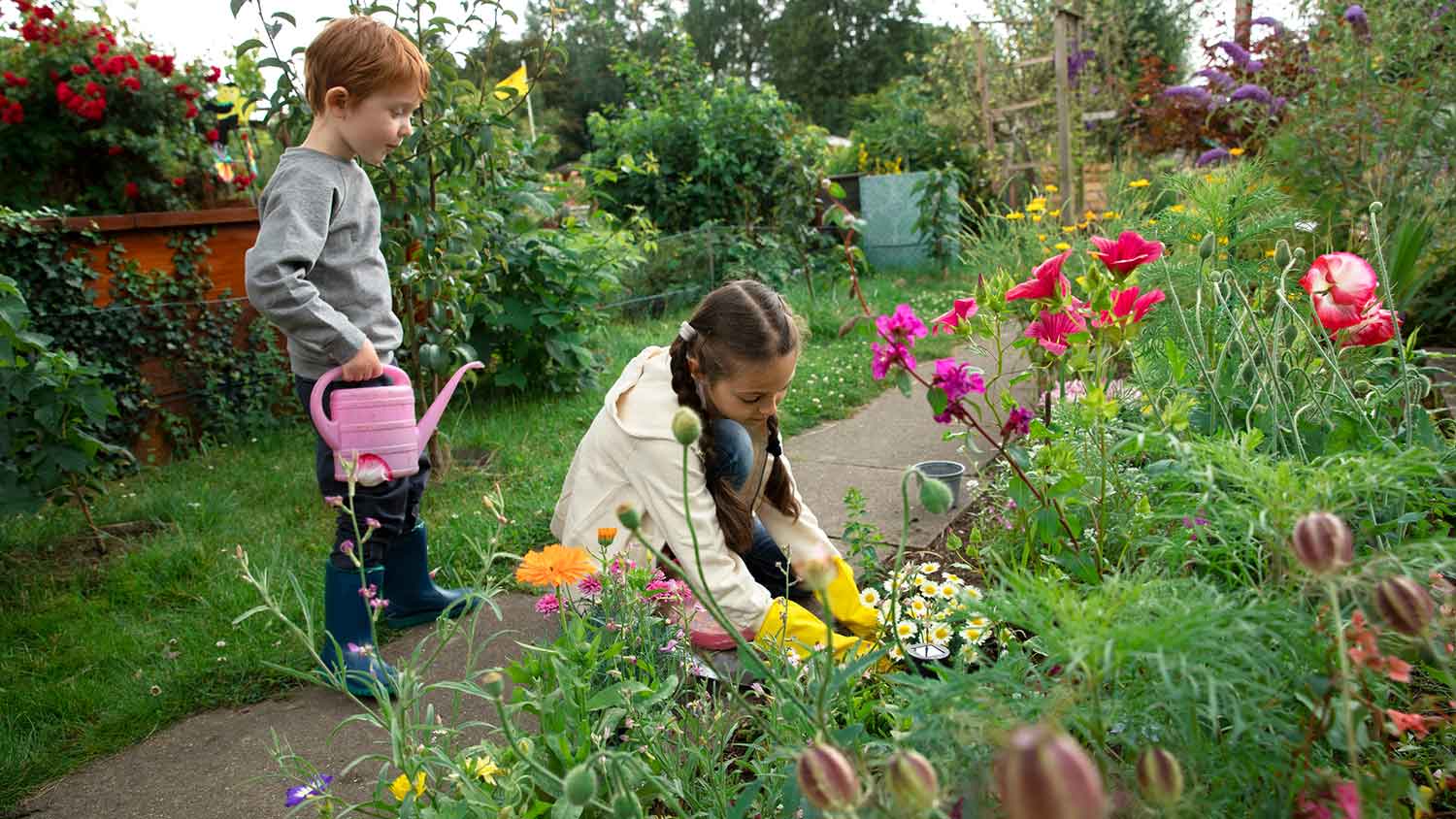
Your small garden can make a big difference in pollinator conservation. Find out how to plant for pollinators and attract native bees, butterflies, and insects.
Will a topped tree grow back? It’s possible, although this aggressive pruning can sometimes kill a tree. Here’s what you need to know about tree topping.

New trees and shrubs can liven up a lawn, but improper planting will leave you with a plant graveyard. Keep your trees healthy by avoiding these common planting mistakes.
They say to plant a tree, but not all trees are alike. Check out these seven reasons why you should not plant a tree before you make a costly mistake.
Do you desire a gorgeous garden of flowers in time for spring? Bees can help! Learn the best flowers for bees and how to maintain a safe environment for them.