
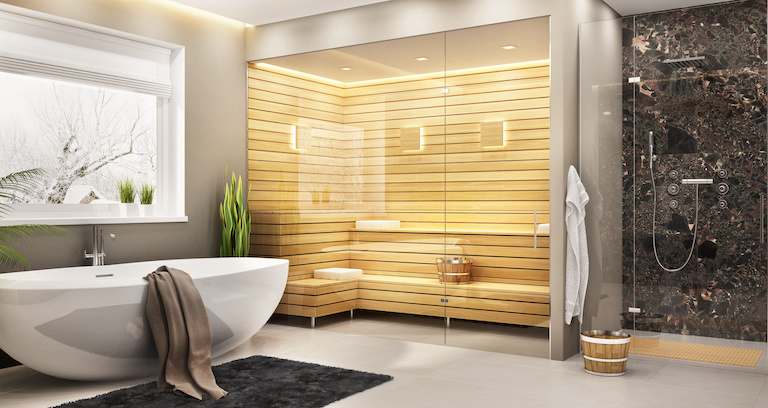
Home sauna costs aren’t cut and dry. It depends on the model and your space. If you want to install a sauna, this guide will help you plan your budget.
The luxury of a steamy relaxation room right at home, no spa membership required

Your sauna build plan needs a space with level ground, accessible power, and minimum dimensions of 4 feet by 6 feet by 7 feet high.
Expect to pay $1,000 to $10,000 for your sauna project, depending on materials, tools, and whether you handle installations yourself or hire help.
You should choose moisture-resistant softwoods like cedar or aspen, install proper insulation and vapor barriers, and ensure adequate ventilation with inlet and outlet vents.
Hiring a local sauna installation professional provides reliable support with complex electrical wiring and plumbing work, keeping your home safe throughout the project.
From relieving sore muscles to promoting blood flow and relaxation, sauna rooms are increasingly popular amenities in fitness and wellness spaces. Why not reap these health benefits in the comfort of your home? You can learn how to build a sauna in your backyard or spare room.
Whether you’re a handy woodworker or prefer finding a sauna installer near you, this guide walks you through the planning process, step-by-step construction, and customization to make it your own.
There are several ways to go about building a DIY sauna. You can start from scratch, construct a sauna kit, and even convert an indoor space into a spa-inspired bathroom. No matter which direction you go, here are the fundamental steps.
As a room that requires temperature settings, you can’t just put a sauna anywhere. Plan for a space where there is level ground and easy access to a power source for electricity—for example, a converted indoor space or a backyard addition in close proximity to the house.
Next, your sauna’s dimensions should allow at least two people to sit inside comfortably. The North American Sauna Society (NASS) recommends a minimum of 4 feet by 6 feet and at least 7 feet high. Keep in mind that the size of your sauna will influence the cost and size of your heating source.


For saunas, it’s important to choose softwoods that are moisture- and warp-resistant in temperatures of at least 150 degrees Fahrenheit. Popular options include cedar, aspen, spruce, and hemlock for their uniform textures and subtle scents. There are pros and cons of each panel type, so choose the one that works best for your style and budget.
As with any home improvement project, there are a few considerations to keep in mind.
The cost to build a home sauna heavily relies on how many materials and tools you already have, and performing all installations and customizations on your own.
Depending on the type of wood you choose, tools you purchase, and labor costs from hiring professional electric or plumbing installation, you’ll want to budget at least $1,000 for an at-home sauna. You can save money by converting an indoor space that already has accessible plumbing and electricity, or cut down on lumber costs by using a wooden shed.

Sauna types are named for their heating methods. You can opt for the traditional wood-burning or electric stoves, or increasingly popular infrared heaters. The difference between infrared and traditional saunas comes down to the heat therapy preference: radiant heat emission or convection heat.
Infrared heaters are the most efficient, heating quickly and using less electricity. Electric heaters are easier to maintain and more convenient. Wood-burning stoves are a better option if planning to build off-grid.
You may need a building permit for your sauna project, especially if it’s a conversion within the home or will have electrical installations. These permits are to make sure you’re abiding by safety standards in residential areas. It’s a good idea to research your city’s construction guidelines beforehand.
Understand how to use your heating unit and what to do to avoid fires and other hazards. Equally important, know when to call an electrician for complex wiring or electrical problems.
You’ll need to build on a solid foundation, such as concrete, to frame the walls and roof securely. You can hire a woodworker to have an extra set of hands during this step. If you’re converting an existing space, such as a room, you’ll need to strip it down to the bare wall studs and ceiling joists.
To allow proper ventilation inside, NASS recommends including an air inlet of about 4 to 6 inches near the floor level, and an outlet on the opposite wall beneath the top bench.

After the framing is in place, you can run wires into the sauna space. These will be for any interior lighting and electrical devices you plan to include. Consider hiring an electrician to make sure this step is done safely and properly.
While plumbing for a sauna isn't mandatory, adding a drain inside can be helpful for water use and cleaning. A plumber in your area can provide guidance on the ideal pipeline for your particular structure.

Insulation is a critical step, as it helps retain the heat inside your sauna. Fiberglass batt, a popular and preferred choice, is non-flammable and comes in rolls of 16- and 24-inch widths. Line the inner wall frames and ceiling with rolls of batt insulation, covering the entire inner walls from floor to roof. Trim the width based on the distance between the wall studs.
Next, follow it up by installing the aluminum vapor barrier over the wall insulation, stapling it to the walls and ceiling with 3 inches of overlap. This helps keep moisture from seeping out, prohibiting mold growth.

Tongue-and-groove panels are ideal for the ceiling and interior walls. These unique planks have one “groove” side and the other is a “tongue” side that sticks out, enabling the panels to link together like puzzle pieces.
Starting with the ceiling, install cedar tongue-and-groove panels by nailing them perpendicular to the wall studs. You can measure the width of the area ahead of time to have a count of the number of panels you’ll need.
Next, begin paneling the walls starting with the back wall. Remember to cut around the locations of lights, vents, and electrical outlets. As you’re paneling, check the leveling every three to four boards.

Depending on the sauna style, your heating source may be wood-burning, electric, or infrared. Remember to determine the size of your heater by that of the sauna. A heater that is too small will take hours to heat and vice versa if it’s too large. It’s ideal to have 1 kilowatt for every 45 cubic feet of room space.
Be sure to follow the manufacturer’s instructions for the heater installation, as they’ll require specific clearance from the walls and seating.

Plan the spacing of your benches, such as the height in relation to the heating source, based on the heater’s instructions. Drill and mount two benches into the wall, one high and one low. The lower bench will serve as a step to the upper bench, which will be the hottest area within the sauna.

Fasten a pre-hung door to the frame with screws, ensuring it swings open from the outside. Glass doors are the most popular option for saunas, since they add natural light to the space and can help it feel less stuffy. Make sure it is tempered glass so it doesn’t crack from the heat.

The final step of the sauna is to make it your own. Many people enjoy adding scented herbs or essential oils for aromatherapy, including lavender, peppermint, and eucalyptus. You can also add backrests, music, and even the traditional water bucket and ladle for the ultimate sauna experience.
For a free-standing outdoor sauna, feel free to paint the exterior as a lovely backyard aesthetic. You can even decorate it with earthy elements, such as stones from your rock garden.
While a DIY job can initially save a few hundred (or thousand) dollars, we highly recommend not to handle your home’s electrical wiring or plumbing unless you truly know what you’re doing. Water damage and electrical issues are among the top most expensive home repairs, not to mention the most dangerous if improperly installed.
Hiring a professional may cost more money up front, but can save a ton from damage repair down the line.
This service was great. My air conditioner went out during the heat spell that we had. My husband has health issues and they came out that night and at 9:30pm the air conditioner was fixed and running. We are sooo very thankful, this is the company I will be using from now on and would...
 Mr. Mechanical Ohio
I had FabClean 614 clean my apartment, and she did an outstanding job. She was so professional and efficient. My apartment looks absolutely spotless every surface, every corner, all cleaned to perfection. Definitely highly recommend FabClean 614 if you're looking for top-notch cleaning...
 Fab Clean 614
Binion and Alex did such a good job. Fast, fair, efficient. Would def use them again. Best experience Iâ ve had in moving - someone should give them a raise. Will undoubtedly recommend this service.
 All My Sons Moving & Storage
Great customer service. The owner Ilia was wonderful to work with. Would definitely recommend this company.
 Window Depot USA of Central Ohio
I definitely recommend Ramonaâ s cleaning service! I have booked services with her many times and she arrives on time, ready to work and provides a great service.
 Your Cleaning Solutions LLC
Excellent experience! Left my place looking great. Friendly customer service too. Would recommend!
The service was excellent! They gave me a quote, and had it done 4 days later. My driveway looks amazing, very professional! I would definitely recommend their service to anyone. I have had neighbors stop by and ask for their information as well.
 All Star Paving and Sealing
Webb â s was priced well, flexible on scheduling, great with communication, and detailed in their work. Iâ ll definitely use their services again.
 Webbs Pressure and Paint LLC
They’ve been great to work with. All of my clients that have used them have nothing but good things to say about the experience. Quick responses and fast service. They’re a trustworthy team!
 Total Home Roofing
Mary Cleaning Service is amazing! The entire staff is very professional and they pay a great deal of attention to detail. I would definitely recommend!
From average costs to expert advice, get all the answers you need to get your job done.
Home sauna costs aren’t cut and dry. It depends on the model and your space. If you want to install a sauna, this guide will help you plan your budget.
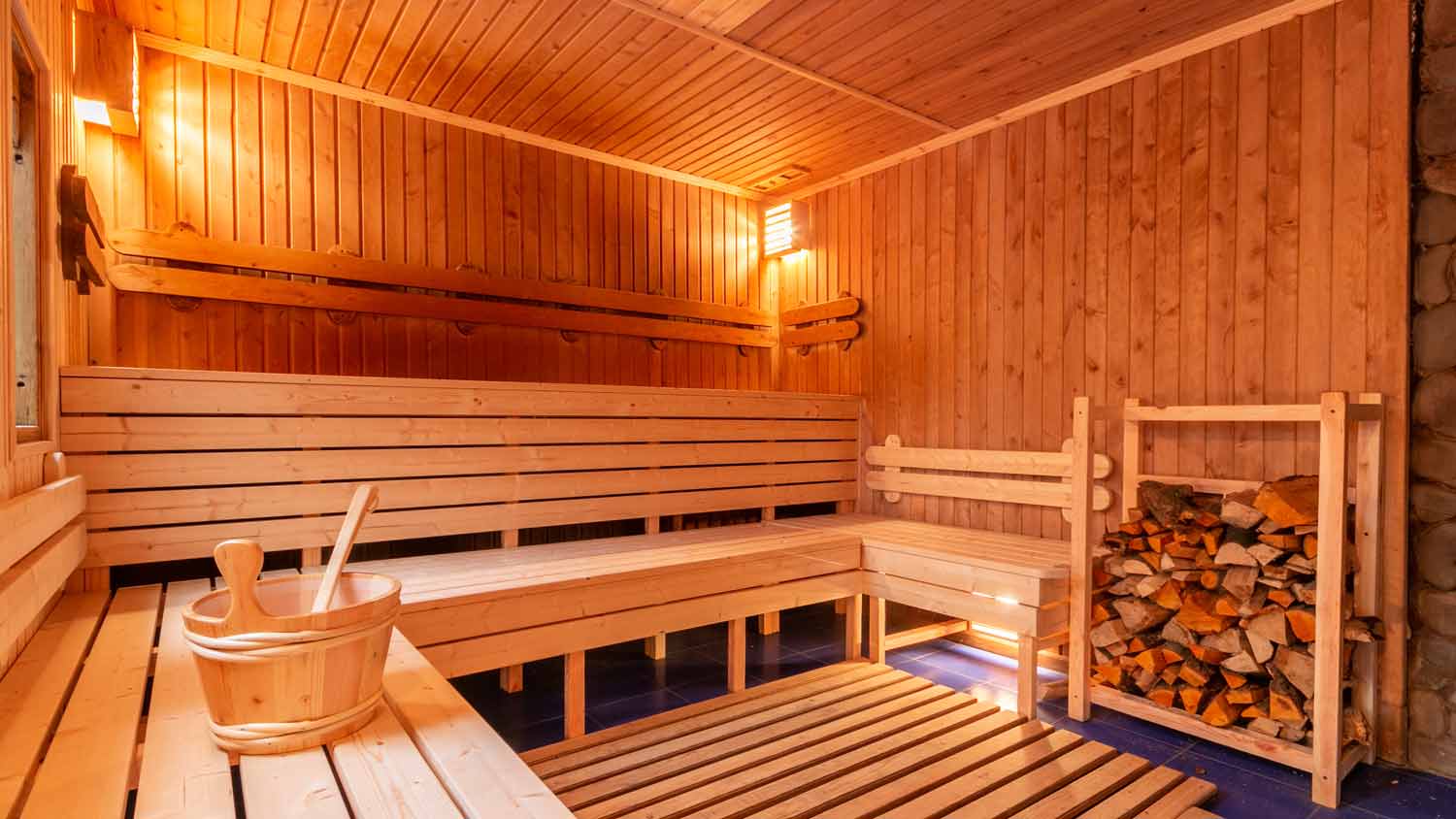
Discover sauna maintenance cost estimates, including average prices, key cost factors, and tips to help you budget for a clean, efficient sauna.
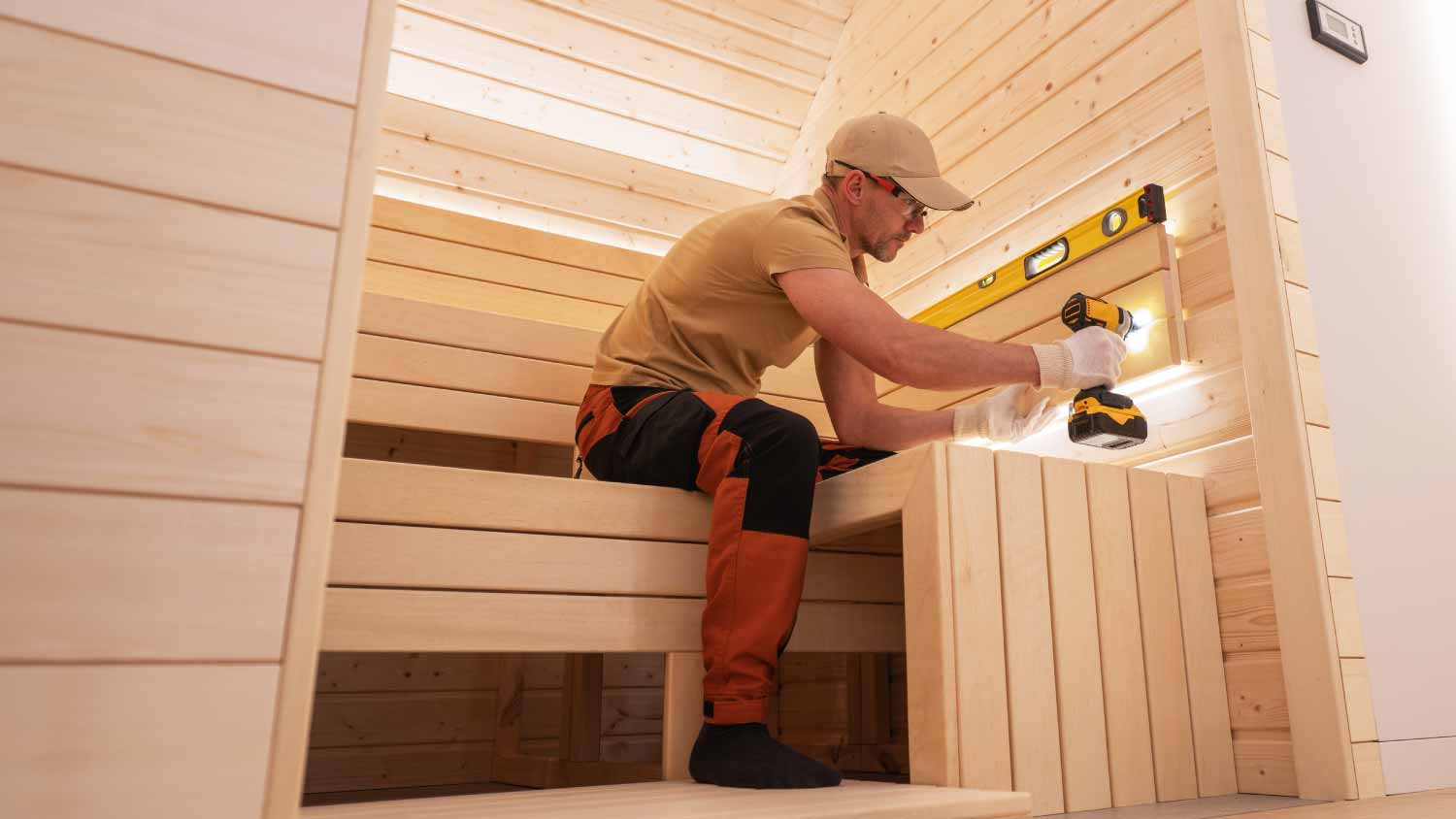
Find out what impacts sauna repair cost, get estimates, and learn how to save on repairs. Empower your budget with expert tips for every sauna repair scenario.
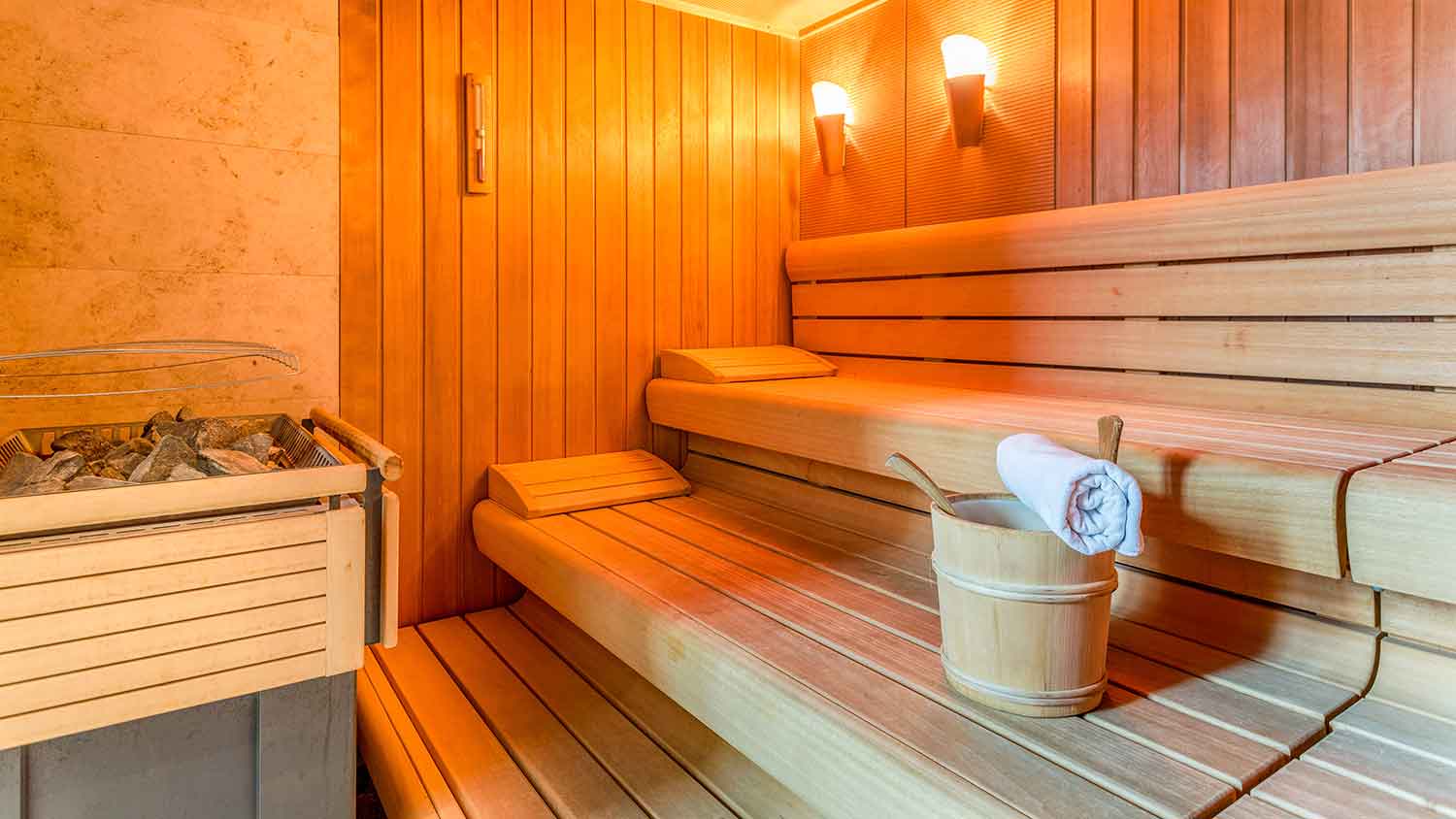
Looking for a qualified sauna installer? Learn how to hire the right pro, from credentials to questions to ask, for a safe installation.
Saunas offer a place to relax and recharge in the comfort of your home, but successfully installing a sauna means understanding the dos and don’ts.
A sauna can be a fantastic source of health and relaxation. But how much electricity does it use? This guide gives the details of a home sauna’s energy usage.