

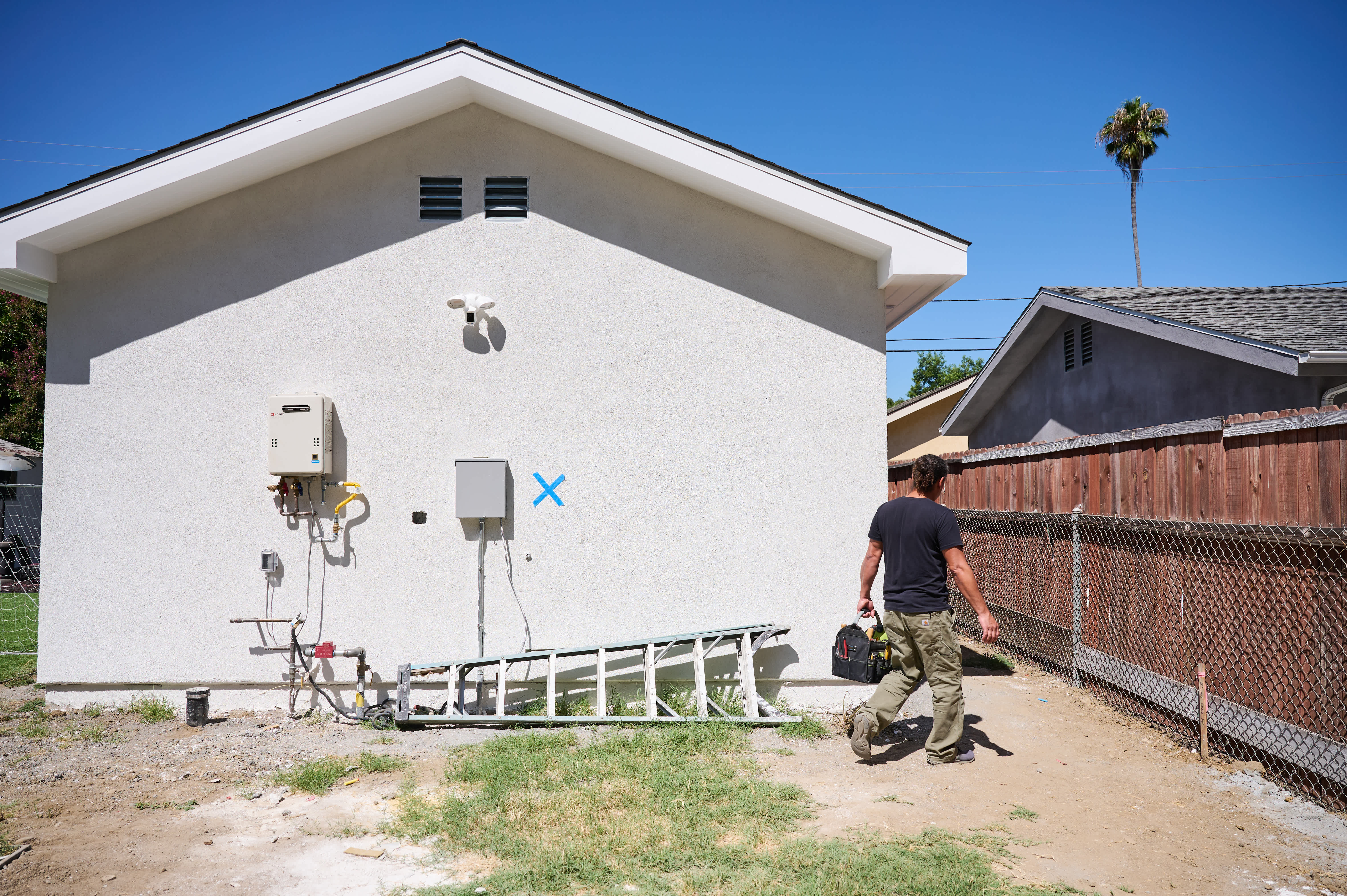
Before you hire a licensed electrical contractor, you should learn the cost to run electric from the road to your house so you can budget for the project.
Let your home’s power needs guide you

A 100-amp electrical panel handles less power than a 200-amp panel, so your choice depends on how much electricity your home needs.
200-amp panels cost $100 to $200 more than 100-amp panels, but the extra investment supports your home's growing electrical needs.
Homes under 3,000 square feet with gas heat work well with 100-amp service, while larger homes or electric heating systems need 200-amp capacity.
Hiring a local electrical professional keeps your upgrade safe and code-compliant, from evaluating your power needs to installing the right panel size.
Deciding whether to install a 100-amp versus 200-amp panel for your home’s electrical power needs is a major decision. The 200-amp service has more options for delivering extra power than the 100-amp service. But which one is right for you, and when should you hire a professional electrician? We’ll help you figure it out.
When it comes to 100-amp versus 200-amp panels, there are a few important differences to consider. To start, 100-amp panels are smaller than 200-amp panels and have fewer circuits.
A great starting point is to determine your home’s total power usage, including major and minor appliances, which dictates the amount of amperage you need to power your home.
Since 200-amp panels are larger, they can fit more circuits with room to expand. Also, 200-amp panels are also slightly more expensive, costing an average of $100 to $200 more than a 100-amp panel.
Usually, you’ll find 100-amp panels in older homes that don’t use as much electricity as new builds. While many pros consider 100-amp panels to be outdated compared to more modern homes with a higher capacity, it doesn’t mean that they’re unsafe. It typically just means they can fit fewer circuits.
A 100-amp panel could still be a good fit for your home if you don’t have as many modern appliances, you heat your home with gas instead of electricity, or you use other gas appliances.
Most modern homes use 200-amp panels. The main difference between the two types of panels is that 200-amp panels have a higher capacity and can fit more circuits.
If you heat and cool your home using electricity, 200-amp panels are a good fit. They’re also a smart choice if you plan to expand your home in the future or if you frequently use appliances and tools that require a lot of electricity.
Here are the outlet types you find in most U.S. homes:
15-amp, 120-volt (2-prong and 3-prong): The standard household outlet for lamps, TVs, and chargers.
20-amp, 125-volt: A higher-power outlet for kitchens, laundry rooms, and workshops.
240-volt (20-amp to 50-amp): A large-appliance outlet for dryers, ranges, and EV chargers.
GFCI: A shock-protection outlet for kitchens, baths, and other wet areas.
AFCI: A fire-protection outlet for bedrooms and living spaces.
Tamper-resistant: A child-safe outlet with internal shutters, now standard in new homes.
Weather-resistant: A corrosion-resistant outlet built for outdoor use.
Convenience types: Switched, combination, USB, smart, and rotating outlets.
Whether you need a 100-amp panel or 200-amp panel depends on the size of your home and your electrical use. In general, homes under 3,000 square feet can use a 100-amp panel as long as they don’t use air conditioning or electric heat.
Homes over 3,000 square feet and homes that rely on electric heat and air conditioning will typically be better served by a 200-amp panel. This is because HVAC systems and modern appliances require a lot more power than older appliances or those that run on gas.

While it’s not strictly necessary to upgrade your electrical panel if it meets your home’s electricity needs, there are several reasons why it might be a good idea. Homes continue to use more appliances that require electricity, so increasing the amperage can provide more opportunities for expansion and growth and can help to prevent power outages. The cost to upgrade an electrical panel from 100-amp to 200-amp service ranges from $740 to $2,000.
Here are a couple more reasons you might consider upgrading your electrical panel even if your electric needs are met by your current installation.
Even if a 100-amp electrical panel works well for your home at present, it may not be sufficient for your home’s needs in the future.
This could be the case if you add more appliances that require a lot of electricity, like if you convert your garage into a woodshop filled with power tools. If you add an addition to your house, you’ll likely need more power.
If you use more electricity than your electrical system can handle, you may cause a power outage. If you’re already close to your usage threshold with a 100-amp panel, upgrading to a 200-amp panel can help to ensure that you have enough electricity to power all of the appliances in your home without leaving you in the dark.
When you’re debating between a 100-amp versus 200-amp panel, no matter which one you’re leaning toward, there are some clear signs that you need to upgrade fast. Older homes may have a 60-amp fuse box. If so, you definitely want to upgrade your existing panel to a 100-amp or 200-amp panel with circuit breakers.
Some people choose to upgrade from an existing 100-amp service to a 200-amp service, as well. Although it’s not the most wallet-friendly upgrade, deciding to get a panel with more amperage can help you avoid some of the following issues, from the minor annoyances to the major dangers.

If you have a fuse box rather than an electrical panel with circuit breakers, you may want to upgrade. Typically, fuse boxes are safe to use, but they deliver less power, usually 60 amps, than an electrical panel with 100 or 200 amps. Additionally, when a fuse blows, it’s not reusable. Circuit breakers can trip dozens of times before they need replacement.
An electrical panel that’s creating quite a bit of heat may have an overload issue. If you have a 100-amp panel, upgrading to a 200-amp panel may reduce the generation of heat.
When you notice your lights flickering or dimming each time a large appliance turns on, you may have too many items on one circuit breaker. You can fix the problem by adding more breakers and spreading the electrical load. However, if your current 100-amp panel has no free space for more breakers, you may need to upgrade to a 200-amp panel so that you have more space to expand.
If a 100-amp or 200-amp panel generates melting plastic odors or a burning smell, this likely indicates a serious problem that could be a fire hazard. These smells can mean that you have arcing electricity. Simply put, arcing electricity is when there’s a gap in a circuit that the electricity can jump out of, and it’s very dangerous, as it can lead to shock and house fires.
Visible scorch marks or melted insulation can point to arcing electricity, too. A panel upgrade from a qualified electrician can fix this serious issue.
A breaker box sometimes makes odd noises, like pops or buzzes. Typically, a light buzzing sound is not dangerous. Should the electrical panel make popping or crackling sounds, though, you may have issues with electricity arcing. You’ll likely need an upgrade to fix this issue and reduce the fire danger from arcing.
Are your breakers tripping constantly? An upgrade from 100 amps to 200 amps should help. Your 100-amp panel may not be able to deliver the power you need for your home, causing breakers to trip. A 200-amp panel should solve your need for more power.
Rather than upgrading the entire amp panel, some homeowners in the past potentially chose to add subpanels that connect to the main panel. Although a subpanel is safe, it can create a mess of wiring that’s difficult to use. Moving from 100 amps to 200 amps can give you the ability to remove the subpanels and have a single panel with clean wiring.
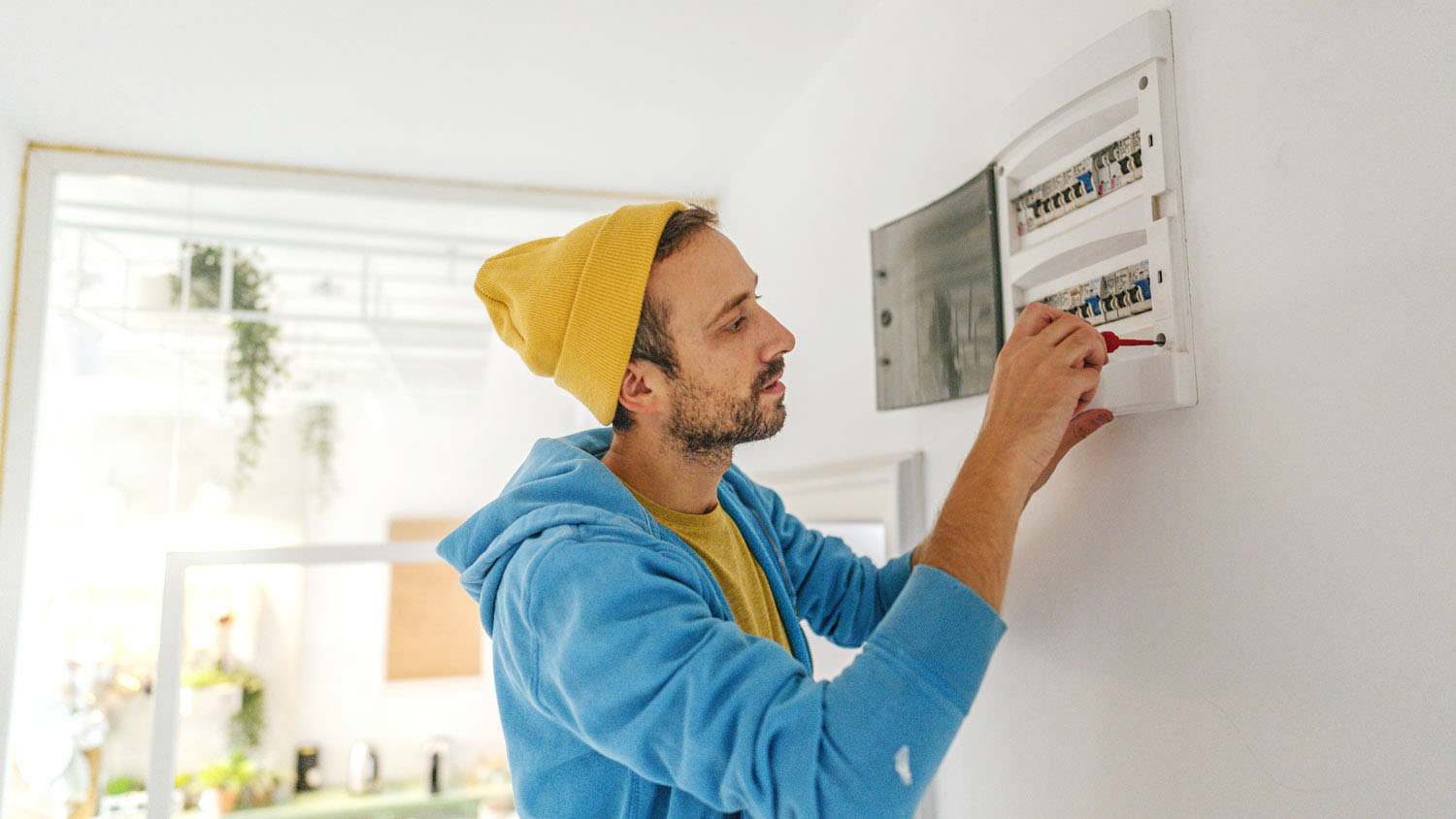
It’s not a good idea to replace an electrical panel yourself. Dealing with your home’s electrical systems requires skill and education that the average DIYer doesn’t have. If something goes wrong, you could end up with a house fire or dealing with electrical shock.
You should call a professional electrician near you if you’re thinking about upgrading your electrical panel. They can evaluate your home’s specific situation, walk you through your options, and safely and efficiently install a new electrical panel if needed.
I recently had Mosby Electric perform an electrical installation on 8-14-2026, and I couldn’t be more satisfied with the service. From the moment I called, their team demonstrated fast arrival and professionalism. The electricians were highly knowledgeable, completing the installation...
 Mosby Electric
Great company! Price was competitive, technician showed up on time and completed the job (exterior electric Radon fan replacement) quickly. Would hire them again.
 MaGen Property Inspections and Radon Mitigation
I conferred with 2 other contractors before Armstrong Electric. Nick and his crew showed me that the project was not as convoluted as the other contractors made it appear to be. They completed the entire project on time. They were professional, friendly and cleaned up after at completion. I...
 ARMSTRONG ELECTRIC, LLC
The techs on my project, Shawn and Cliff, were great. They were prompt, courteous, and efficient. I am very happy with the results and would definitely contact Mr. Electric for any future electrical projects.
 Mr. Electric of Columbus
Victor was wonderful. He was on time, professional, and explained everything he was doing. He was thorough and figured out that the problem was electrical instead of with my HVAC system. Very knowledgeable. I will be using this company in the future for any HVAC needs. Thanks!
 Hubbs Heating & Air LLC
They were excellent. They did a great job. I was totally satisfied. They put tremendous effort in making sure the work was completed. They were great. They provided immediate response to any inquires I made. I would hire them again. I would recommend them to anyone who needs electrical work....
 JCB & Associates, LLC DBA Property-Tech Industries
Initially, the repairman could not find the problem. Apparently, there was some electrical shortage, but he could not find the definite problem. He left, but called back later to say he had a new idea. He returned and replaced the light switches on the doors. The refrigerator seemed to return...
 Appliance Pro LLC
The initial quoted price from a walk-through seemed high, but we discussed that the quote represented worst case scenario (re-wiring to two floors) and we were excited about the opportunity to have the work done in a timely manner with closing for fire safety reasons, etc. When the job was...
I have to tell you I am all about customer service - I will go out of my way and even pay more for it if you give me great customer service. <br> <br>In a world where this is hard to find, these guys were awesome! I can not sing their praises enough. They were prompt, personable, funny, got...
 Waibel Electric
When I challenged the markup on the generator, Bruder Electric withdrew its bid. They only want naïve customers.
From average costs to expert advice, get all the answers you need to get your job done.
Before you hire a licensed electrical contractor, you should learn the cost to run electric from the road to your house so you can budget for the project.
Electrical subpanels allow you to use appliances and electronics safely. This cost guide explains the important factors to consider when installing a subpanel.
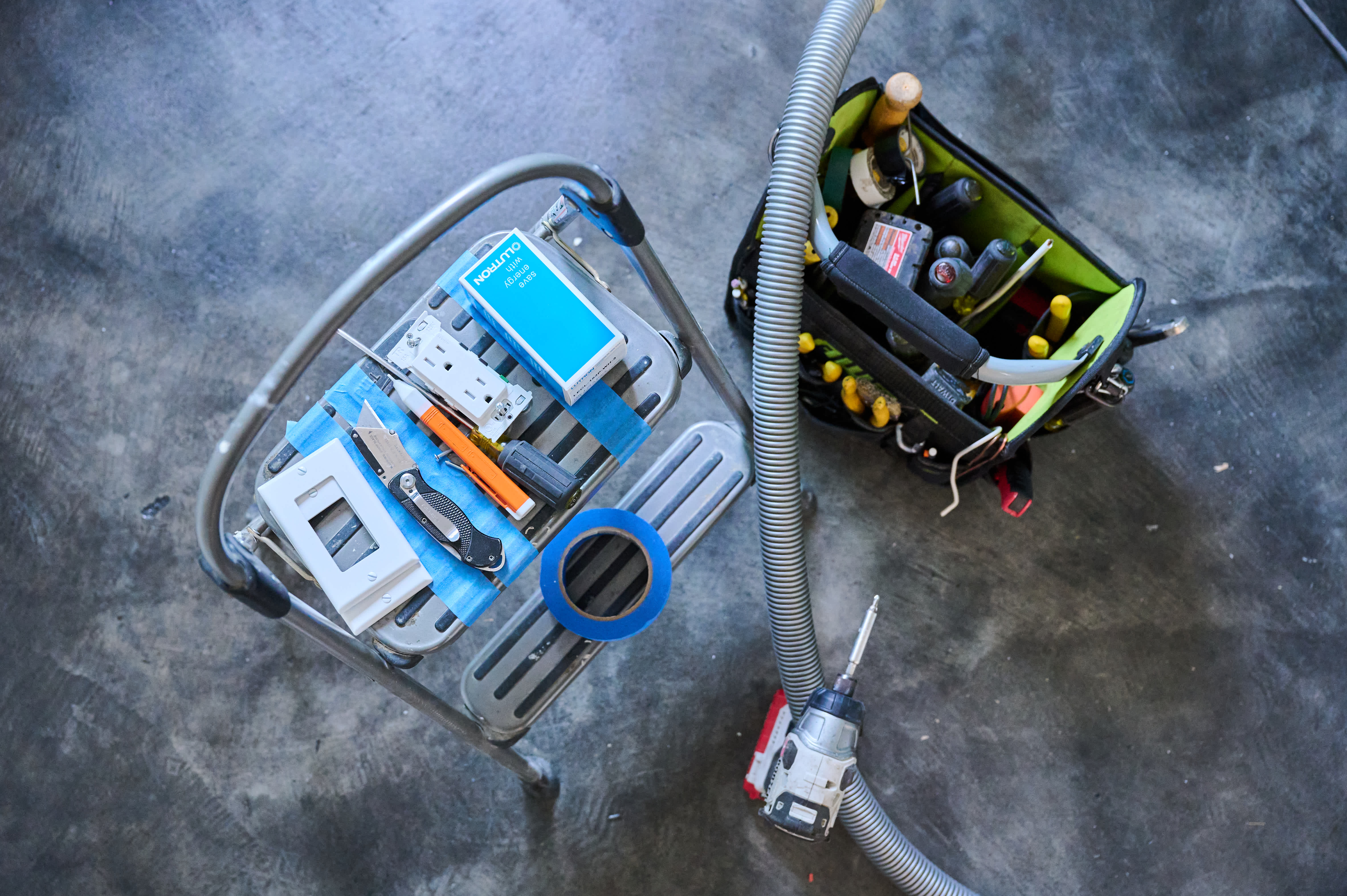
Looking to size up your electrical system to cover higher usage and improve efficiency? Use this guide to see the cost to upgrade an electrical panel.
If your circuit breakers are shutting off, it may be time to upgrade your electrical panel and wiring to 200-amp service. Here's what's involved with upgrading to a 200-amp service so you can safely meet your home's electrical demand.
Selecting the right wire size helps your electrical system run safely and efficiently. Find out the correct wire size for 100-amp service panels.
Do you need to upgrade to 300-amp service? Here’s how to determine your house’s electrical needs.