

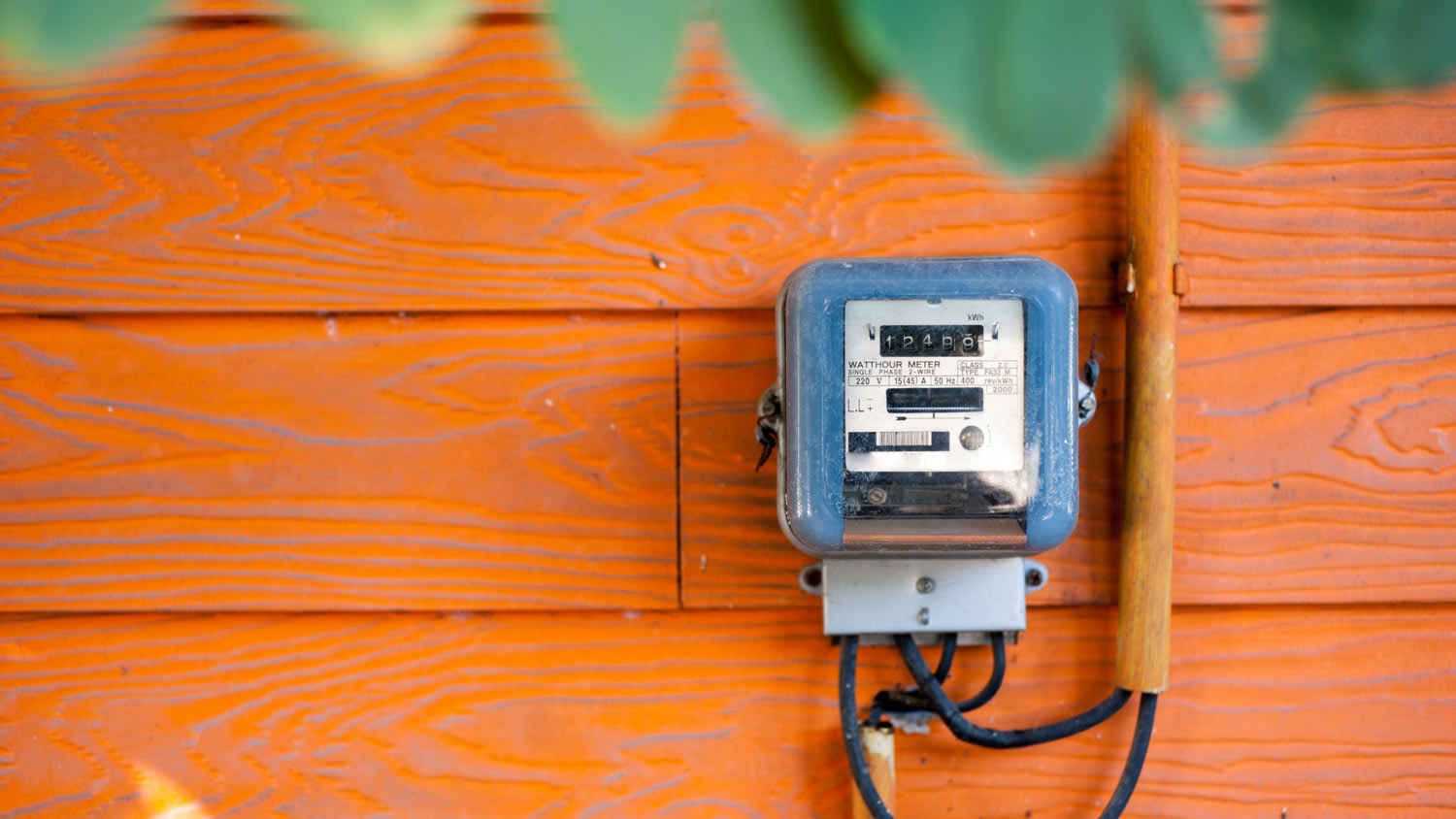
The cost to move an electric meter depends on how far you’re moving it, whether it needs replacing, and the cost of labor near you.
Electrical service costs depend on your project and location. Check with a local pro for your specific job.

Electrical meter box replacement costs between $500 and $5,000, and your home’s amperage and size set the total.
Your meter box location, required utility shutoff, and the age of your wiring drive labor time and replacement complexity.
You should include permit fees of $150 to $300 in your budget, plus any digital or smart upgrades.
Hiring a local electrical professional prevents dangerous electrical shocks and ensures all connections meet code requirements to keep your household safe.
In 2026, the national average cost to replace an electrical meter box is $1,000, though projects can reach as high as $5,000 for large homes with 400-amp service. Most homeowners pay between $500 and $5,000, with the final cost driven by your home's amperage, the number of circuits served, and the complexity of the replacement. Permit fees of $150 to $300 are also worth factoring into your budget.
The electrical meter box holds the electrical meter, which measures your home's energy use, and the unit itself typically costs $50 to $500, depending on type, amperage, and features.
Costs vary by amp range, and the table below shows how prices break down across common meter box sizes:
| Amp Rating | Average Cost in 2026 |
|---|---|
| 100 amps | $50–$200 |
| 150 amps | $50–$200 |
| 200 amps | $100–$350 |
| 400 amps | $400–$600 |
Extra features might include fittings, connectors, and fasteners, which usually amount to less than $100.
The amperage of your meter box is the primary driver of replacement cost, with a 100-amp box running $500 to $1,500 and a 150-amp box costing $500 to $1,750. Larger homes typically require 200-amp or 400-amp service, with 200-amp replacements ranging from $750 to $2,000 and 400-amp replacements reaching $1,500 to $5,000.
As home technology demands grow, many homeowners find they need to upgrade their amp service to keep pace with increased electrical loads.
Replacing an electrical meter box is a complex, hazardous task that requires a licensed electrician, and labor typically runs $50 to $100 per hour, with total labor costs ranging from $200 to $2,000 depending on the scope of the project. Electricians bring the professional skills and code knowledge needed to complete the replacement safely and answer your questions along the way.

Several variables affect what you'll pay to replace your outside electrical meter box, and understanding them helps you budget accurately for the full project.
Electric meters can be located outside for easy access or next to the breaker box, but local building codes and utility agreements often restrict whether you can move yours, and relocating the meter typically costs $1,500 to $2,500 if the utility company permits it. If the panel was installed beside the meter, you can instead move your electrical panel to a new location, though that is a major project costing $1,500 to $4,000 depending on where the panel is being moved.
A meter box that is more than 10 years old, contains mercury, or no longer meets current electrical code requirements likely needs a full replacement. Newer digital boxes record usage down to the date and time, letting you identify peak consumption hours and find opportunities to reduce your energy costs.
A damaged meter box should be replaced to protect both your ability to monitor energy use and the overall safety of your home. Upgrading to a newer unit can also improve system efficiency and help lower your ongoing energy costs.
The amperage of your electrical system determines the meter size you need, and homes with electric vehicles or other high-energy demands should have at least 200-amp service. Costs vary by amperage level, and the table below shows how prices break down across common meter sizes.
Beyond the meter box itself, which typically costs $50 to $200, plan to budget for additional installation materials such as connectors, fittings, and fasteners, which usually add less than $100 to the total.
If you receive permission to install a digital meter, expect to pay $100 to $300 for the unit, plus labor. A digital meter replaces analog dials with digital readouts and can improve measurement accuracy, but your power company may control whether you can upgrade it yourself.
Utility companies typically install smart meters for free, but if you install one yourself, expect to pay $200 to $500. Note that some power companies use the terms "smart meter" and "digital meter" interchangeably, though a digital meter only provides digital readouts while a smart meter includes additional power measurements and remote connection options.
A smart meter adds remote access and monitoring capabilities beyond what a standard digital meter offers, allowing utility workers to read your meter without visiting your property and potentially helping you find ways to reduce electricity use.
If you prefer not to have a smart meter, you may be able to have it removed or decline its installation, though the utility company must permit it and will typically charge $100 to $200 for this option. Contact your utility company directly to confirm what is allowed in your area.
Permits are required for virtually all electrical panel work and typically cost $50 to $300, so skipping this step is not an option. If you don't have proper permits, you risk costly fines and compliance issues down the line.
A subpanel, needed when your main panel is full and more circuits are required, runs $400 to $1,750. A service entrance cable, which carries power from the utility into your home, costs $1,000 to $15,000 for overhead lines or up to $5,000 or more for underground lines. Additional labor requests beyond the core meter box replacement will increase your total project cost.
Meter box replacement is often part of a broader electrical project that involves adding or replacing several components of your home's electrical system.
The meter box unit itself costs $50 to $250 and is a lockable, weather-resistant enclosure mounted on the exterior of your home. Plan for one to four hours of labor to have it installed.
Replacing a breaker switch costs $150 to $200 on average, covering both the switch and installation labor. This component sits inside your electrical panel and protects the system from damage caused by overcurrent or a short circuit.
Subpanels cost $400 to $1,750 per subpanel and are installed near the main panel to add circuits or increase total amperage. They are a practical solution when you need to distribute power to a specific area of your property, such as a detached garage, workshop, in-law suite, or in-ground pool.
Homeowners, take note: replacing an electrical meter isn’t a fun weekend DIY project. It’s a serious, high-voltage job that legally requires a licensed electrician and coordination with your utility company. Remember, trying to save a few bucks by doing it yourself can backfire fast. It’s wiser and a whole lot less stressful to hire a local electrician who can ensure all is up to code.
Bringing in a pro doesn’t just save you time—it can also save your sanity and your safety. A pro can:
Execute the job with the right tools and expertise
Keep you safe from shocks and electrical mishaps
Handle all the code and utility requirements without the guesswork
Prevent expensive mistakes that could knock out your power or your budget
Ensure your meter is installed safely and reliably
While installing a new electrical meter should always be left to a licensed electrician, there are a few simple tasks regarding prep work that homeowners can handle on their own, including:
Clearing the area around the meter for easy access
Checking with the utility company about requirements or scheduling
Deciding on the best location for the meter based on accessibility
Gathering information about your home’s electrical load or recent upgrades
Labeling circuits in your breaker panel to help the electrician work efficiently
If you’re looking to save money on a meter box project, we have a few tips to help you budget effectively:
Get multiple quotes: For large electrical projects, contact a few electricians for different estimates to find the best deal and value.
Find deals for solar power: Some utility companies offer discounts or rebates for installing a new electric meter if you combine it with an energy-saving solar power project.
Look into energy incentives from your provider: Some power providers and states may offer tax incentives and discounts for upgrading to a smart meter or making similar changes to your meter.
Research necessary amperage: If you think your home needs more amps, ask an experienced professional for suggestions based on home size and electrical needs.
While your electrical meter box is not usually a hot selling point for future homebuyers, it’s an essential component of your home that can increase its value. Since replacing an electrical meter box is a major upgrade, it can assure future buyers that the home’s electrical systems are well-maintained and working properly. Consult a local electrician to determine the estimated ROI of a new electrical meter box in your area.
Be prepared to discuss with your electrician whether your current electrical panel can accommodate a new meter or if upgrades are necessary.
Discuss meter placement to ensure it’s easy for both you and the utility company to access.
Inquire about the permits and inspections necessary to ensure the installation remains on track and compliant with local codes.
Review your budget and timeline to ensure there are no surprises once the work begins.
If there’s some flexibility in your budget, consider upgrading to features like surge protection or installing a smart meter for easier energy monitoring.
Home is the most important place on earth, which is why Angi has helped more than 150 million homeowners transform their houses into homes they adore. To help homeowners with their next project, Angi provides readers with the most accurate cost data and upholds strict editorial standards. We extensively research project costs to develop the pricing data you see, so you can make the best decisions for you and your home. We rely on reputable sources, including the U.S. Bureau of Labor Statistics, academic journals, market studies, and interviews with industry experts—all to ensure our prices reflect real-world projects.
Want to help us improve our cost data? Send us a recent project quote to [email protected]. Quotes and personal information will not be shared publicly.
I recently had Mosby Electric perform an electrical installation on 8-14-2026, and I couldn’t be more satisfied with the service. From the moment I called, their team demonstrated fast arrival and professionalism. The electricians were highly knowledgeable, completing the installation...
 Mosby Electric
Great company! Price was competitive, technician showed up on time and completed the job (exterior electric Radon fan replacement) quickly. Would hire them again.
 MaGen Property Inspections and Radon Mitigation
I conferred with 2 other contractors before Armstrong Electric. Nick and his crew showed me that the project was not as convoluted as the other contractors made it appear to be. They completed the entire project on time. They were professional, friendly and cleaned up after at completion. I...
 ARMSTRONG ELECTRIC, LLC
The techs on my project, Shawn and Cliff, were great. They were prompt, courteous, and efficient. I am very happy with the results and would definitely contact Mr. Electric for any future electrical projects.
 Mr. Electric of Columbus
Victor was wonderful. He was on time, professional, and explained everything he was doing. He was thorough and figured out that the problem was electrical instead of with my HVAC system. Very knowledgeable. I will be using this company in the future for any HVAC needs. Thanks!
 Hubbs Heating & Air LLC
They were excellent. They did a great job. I was totally satisfied. They put tremendous effort in making sure the work was completed. They were great. They provided immediate response to any inquires I made. I would hire them again. I would recommend them to anyone who needs electrical work....
 JCB & Associates, LLC DBA Property-Tech Industries
Initially, the repairman could not find the problem. Apparently, there was some electrical shortage, but he could not find the definite problem. He left, but called back later to say he had a new idea. He returned and replaced the light switches on the doors. The refrigerator seemed to return...
 Appliance Pro LLC
The initial quoted price from a walk-through seemed high, but we discussed that the quote represented worst case scenario (re-wiring to two floors) and we were excited about the opportunity to have the work done in a timely manner with closing for fire safety reasons, etc. When the job was...
I have to tell you I am all about customer service - I will go out of my way and even pay more for it if you give me great customer service. <br> <br>In a world where this is hard to find, these guys were awesome! I can not sing their praises enough. They were prompt, personable, funny, got...
 Waibel Electric
When I challenged the markup on the generator, Bruder Electric withdrew its bid. They only want naïve customers.
From average costs to expert advice, get all the answers you need to get your job done.
The cost to move an electric meter depends on how far you’re moving it, whether it needs replacing, and the cost of labor near you.

The average cost to replace an electrical mast is around $750, depending on the size and extent of the replacement. Read on to budget for a meter riser.
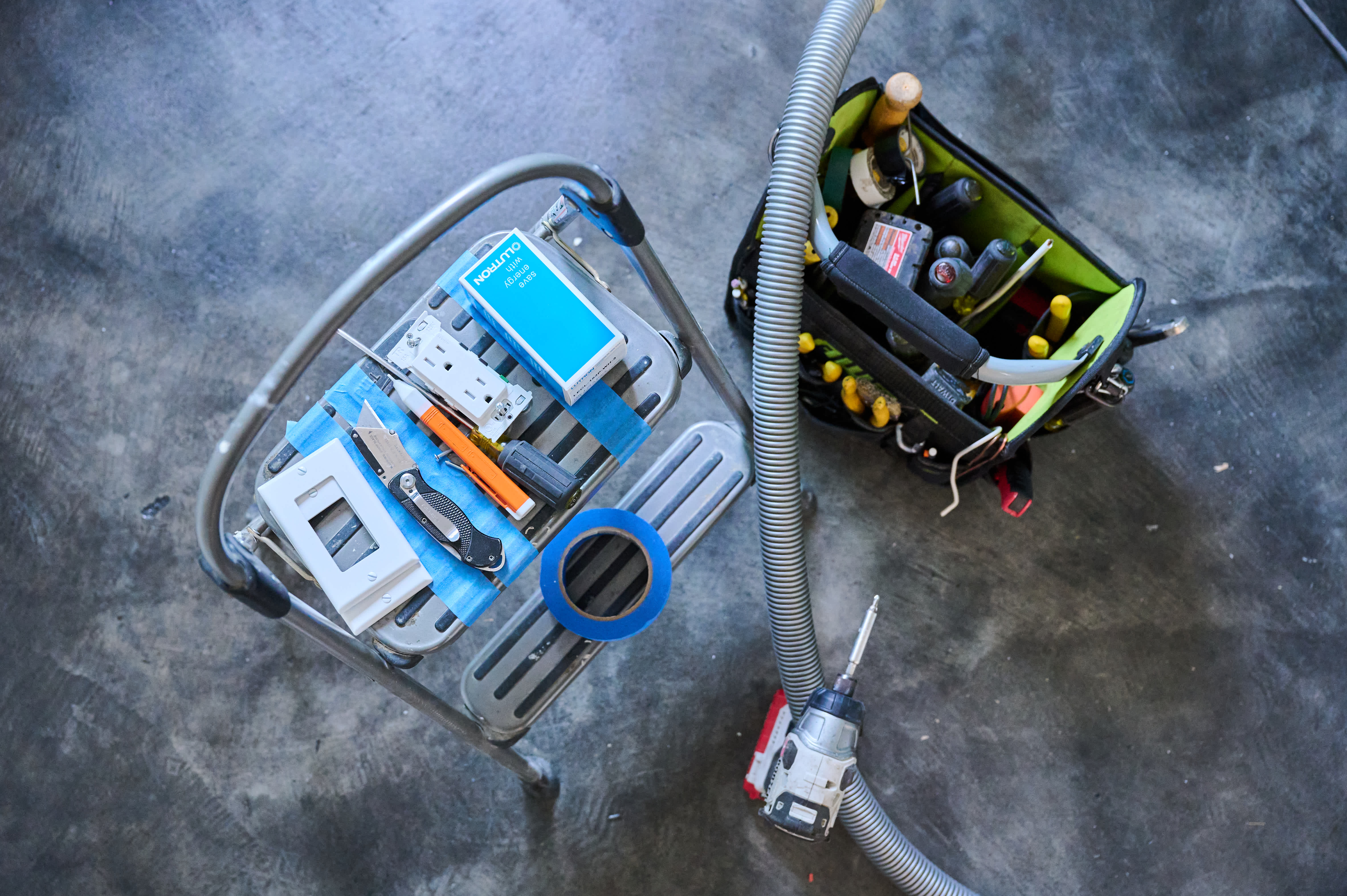
Looking to size up your electrical system to cover higher usage and improve efficiency? Use this guide to see the cost to upgrade an electrical panel.
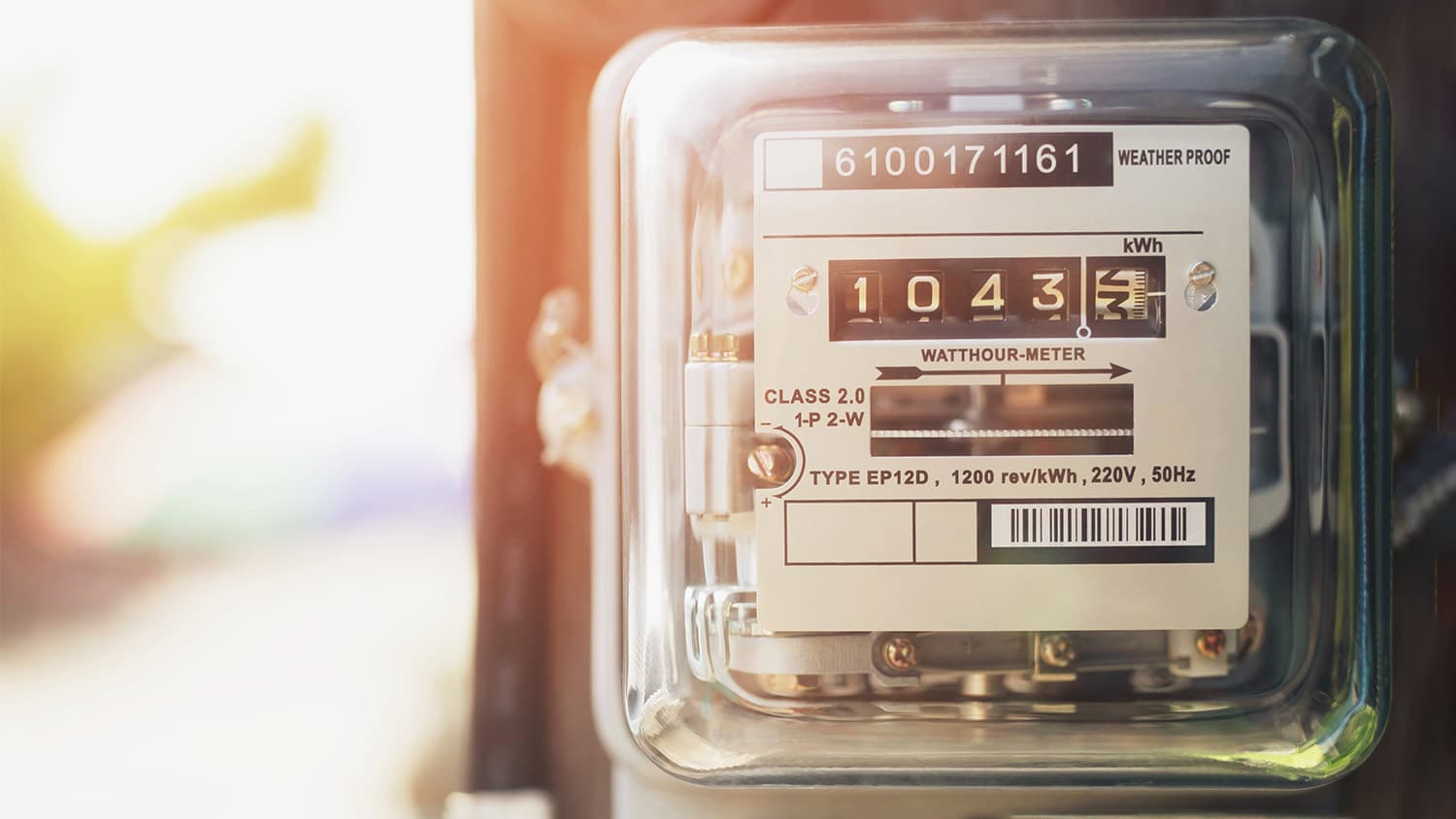
Are you wondering if your home has a CL200 meter? If you’ve checked your electrical meter and aren’t sure what these numbers mean, we’ve got you covered.

The electrical panel delivers all your electricity needs, but it might ruin your aesthetic. Here are the electrical panel location rules so you can choose the best spot.

An electrical system is responsible for circulating power throughout your home. What exactly is an electrical system? Learn more in this article.