
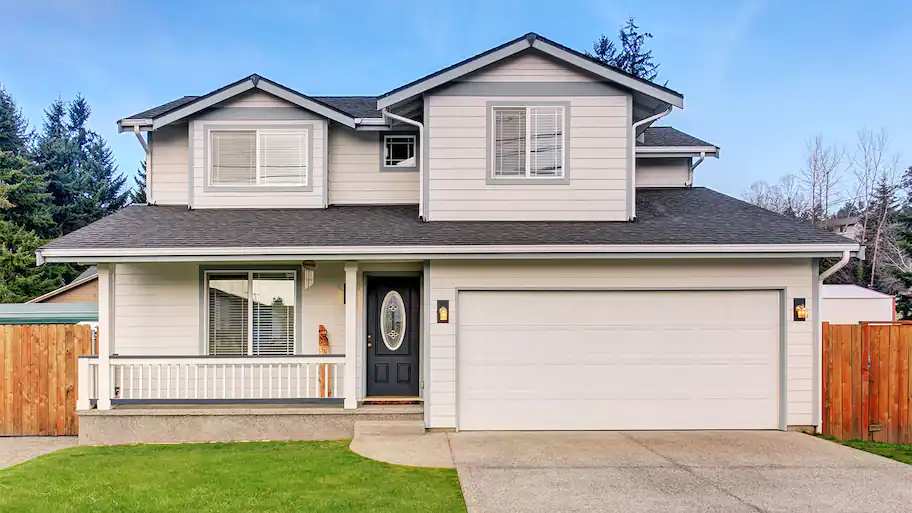
Electrical subpanels allow you to use appliances and electronics safely. This cost guide explains the important factors to consider when installing a subpanel.
There’s nothing subpar about an electrical subpanel

An electrical subpanel branches from your main panel to manage power distribution for specific areas like garages, home additions, or workshops needing extra circuits.
Expect to pay $400 to $1,750 for subpanel installation, while upgrading your main electrical panel costs $500 to $4,000 depending on your home's needs.
You can place a subpanel almost anywhere on your property, giving you fast access to circuit breakers for the areas it serves without running to the main panel.
Hiring a local electrical professional helps you determine whether a subpanel fits your power needs and ensures safe installation that meets all electrical codes.
If you have plans to create a media room or a hobby shop in your home, you may need an electrical boost to power those areas. Enter: The subpanel.
Adding multiple items that require lots of electric power could overstress your main electrical panel, necessitating the addition of a subpanel. Let’s review how a subpanel works and how to determine if it is the right solution for your property’s electrical needs.


A subpanel serves as a branch from your home’s main electrical service panel. Using a subpanel, also known as a service panel, makes it easier and safer to manage power distribution for further areas of your home or property that need it.
You can have one or more subpanels, as long as your main panel has the capacity to allow them. A professional electrician can advise you on your home’s ability to add one or more subpanels. Plus, it’s possible to place a subpanel almost anywhere on your property. The main panel feeds the subpanel through a 240-volt double-pole breaker.
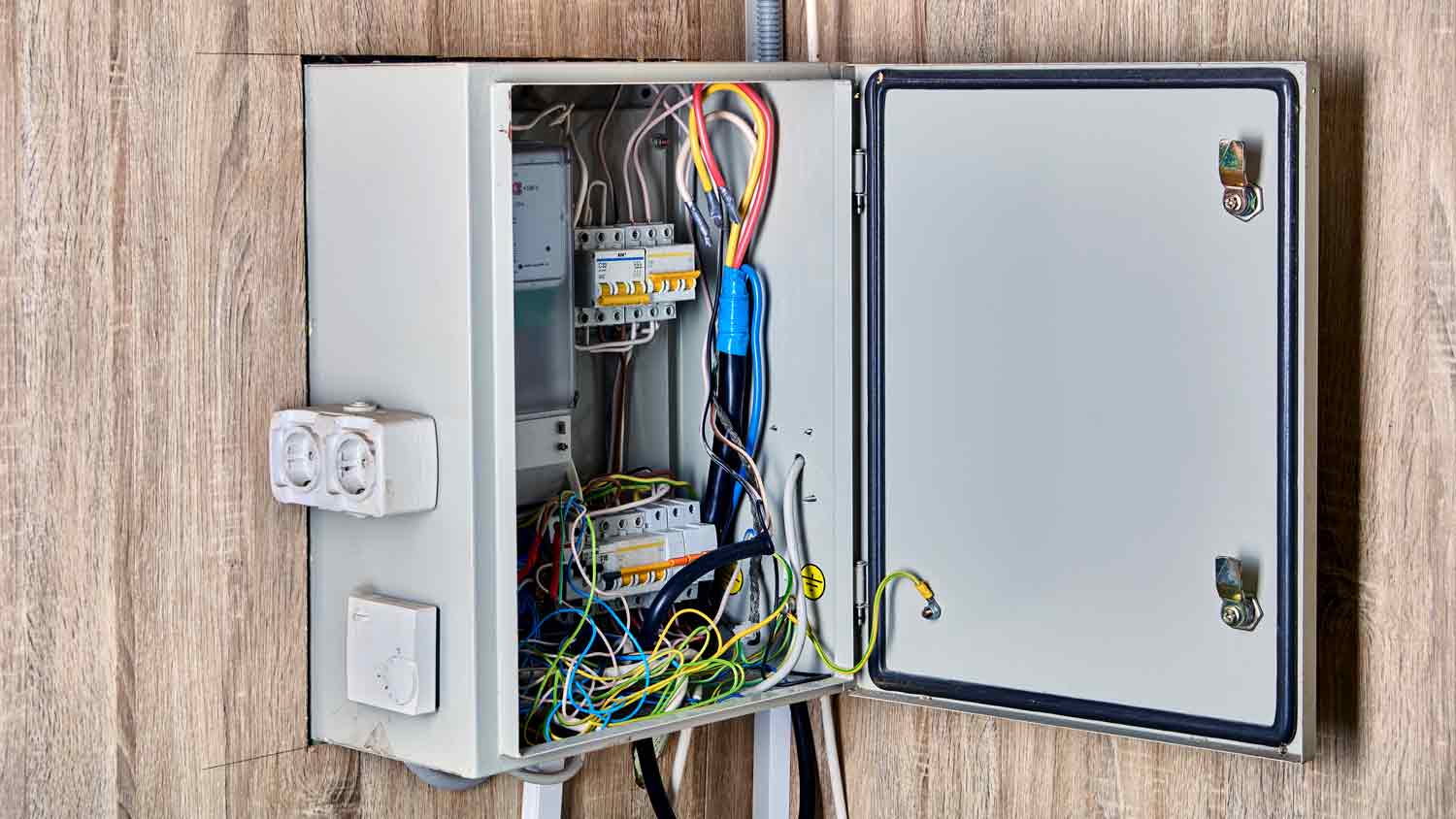
Subpanels resemble the main circuit breaker panel: They’re usually olive green or grayish in color but smaller than your main panel. Both the main panel and any subpanels will contain one or more rows or columns of circuit breakers, which resemble oversized light switches. A subpanel should have fewer circuit breakers than the main panel.

Now that you understand the purpose of a subpanel, let’s dig into the pros and cons of this electrical addition.
Consider these benefits of installing a subpanel in your home.
Safely manage power usage: If you need to run electricity to a home addition like a greenhouse, a subpanel can safely manage the increased power usage of that area. Otherwise, you could risk overloading your main electrical panel.
Fast access to breakers: You may choose to place the subpanel close to the area it is serving, rather than placing it near the main panel. That will give you fast access to the subpanel if you ever need to reset a circuit breaker.
Flexible locations: While main electrical panels are typically located in the basement or utility room, you can install a subpanel almost anywhere you need extra power, including a home theater, garage, home office, or home addition.
Improve efficiency: You can save time and money by dividing your home’s electricity between multiple electrical panels. Plus, the energy from your subpanel will reach farther areas of your home faster than the main panel.
Don’t forget to factor in the drawbacks of installing a subpanel when deciding whether to add one to your home.
Can’t increase home’s power: Adding a subpanel cannot increase the total amount of power your home is able to accept. If you have a 100-amp or 200-amp power panel, you cannot add extra amps by installing a subpanel. The subpanel feeds from the main panel, rather than increasing the total available power.
May need to upgrade the current panel instead: If you need more power to accommodate new power-hungry appliances, you may need to upgrade your electrical panel in addition to or rather than adding a subpanel.
Adding a subpanel is a proven option when your main panel has little or no room to add new breakers. The subpanel allows you to spread out power service to a certain area of the home over multiple breakers.
However, if you prefer to try to use a large-capacity breaker in the main panel to handle your new media room, you may have this option, depending on the configuration of your main panel. You could also choose to upgrade your existing main panel for a new one, gaining additional breaker slots and, potentially, more total amps.
Installing a subpanel is a less expensive option than replacing your main breaker box. However, the difference in cost is closer than you may think.
The average cost to install a subpanel ranges from $400 to $1,750. Meanwhile, the typical cost to upgrade a main electrical panel ranges from $500 to $4,000.
The number of amps you want in the subpanel and the number of individual breakers the subpanel will contain will affect the price significantly. Subpanels with more breakers that handle more power have a higher cost. Plus, if your system has outdated wiring or damage, that will increase the project cost beyond the estimated range.
If you are experiencing frequent electrical issues in your home, like needing to reset your breakers regularly or feeling unusual warmth radiating from the main circuit panel, a subpanel may be a good solution. If you are adding a new room that has significant power demands, a subpanel can help with power management.
Rather than deciding on your own, it’s best to hire a local electrician near you. Explain your situation to the electrician and your plans for adding any appliances or power-hungry gadgets. The electrician can help you decide the best way forward to meet your power needs safely and efficiently. Plus, they can install the subpanel for you, giving you peace of mind that your electrical needs are taken care of.
I recently had Mosby Electric perform an electrical installation on 8-14-2026, and I couldn’t be more satisfied with the service. From the moment I called, their team demonstrated fast arrival and professionalism. The electricians were highly knowledgeable, completing the installation...
 Mosby Electric
Great company! Price was competitive, technician showed up on time and completed the job (exterior electric Radon fan replacement) quickly. Would hire them again.
 MaGen Property Inspections and Radon Mitigation
I conferred with 2 other contractors before Armstrong Electric. Nick and his crew showed me that the project was not as convoluted as the other contractors made it appear to be. They completed the entire project on time. They were professional, friendly and cleaned up after at completion. I...
 ARMSTRONG ELECTRIC, LLC
The techs on my project, Shawn and Cliff, were great. They were prompt, courteous, and efficient. I am very happy with the results and would definitely contact Mr. Electric for any future electrical projects.
 Mr. Electric of Columbus
Victor was wonderful. He was on time, professional, and explained everything he was doing. He was thorough and figured out that the problem was electrical instead of with my HVAC system. Very knowledgeable. I will be using this company in the future for any HVAC needs. Thanks!
 Hubbs Heating & Air LLC
They were excellent. They did a great job. I was totally satisfied. They put tremendous effort in making sure the work was completed. They were great. They provided immediate response to any inquires I made. I would hire them again. I would recommend them to anyone who needs electrical work....
 JCB & Associates, LLC DBA Property-Tech Industries
Initially, the repairman could not find the problem. Apparently, there was some electrical shortage, but he could not find the definite problem. He left, but called back later to say he had a new idea. He returned and replaced the light switches on the doors. The refrigerator seemed to return...
 Appliance Pro LLC
The initial quoted price from a walk-through seemed high, but we discussed that the quote represented worst case scenario (re-wiring to two floors) and we were excited about the opportunity to have the work done in a timely manner with closing for fire safety reasons, etc. When the job was...
I have to tell you I am all about customer service - I will go out of my way and even pay more for it if you give me great customer service. <br> <br>In a world where this is hard to find, these guys were awesome! I can not sing their praises enough. They were prompt, personable, funny, got...
 Waibel Electric
When I challenged the markup on the generator, Bruder Electric withdrew its bid. They only want naïve customers.
From average costs to expert advice, get all the answers you need to get your job done.
Electrical subpanels allow you to use appliances and electronics safely. This cost guide explains the important factors to consider when installing a subpanel.
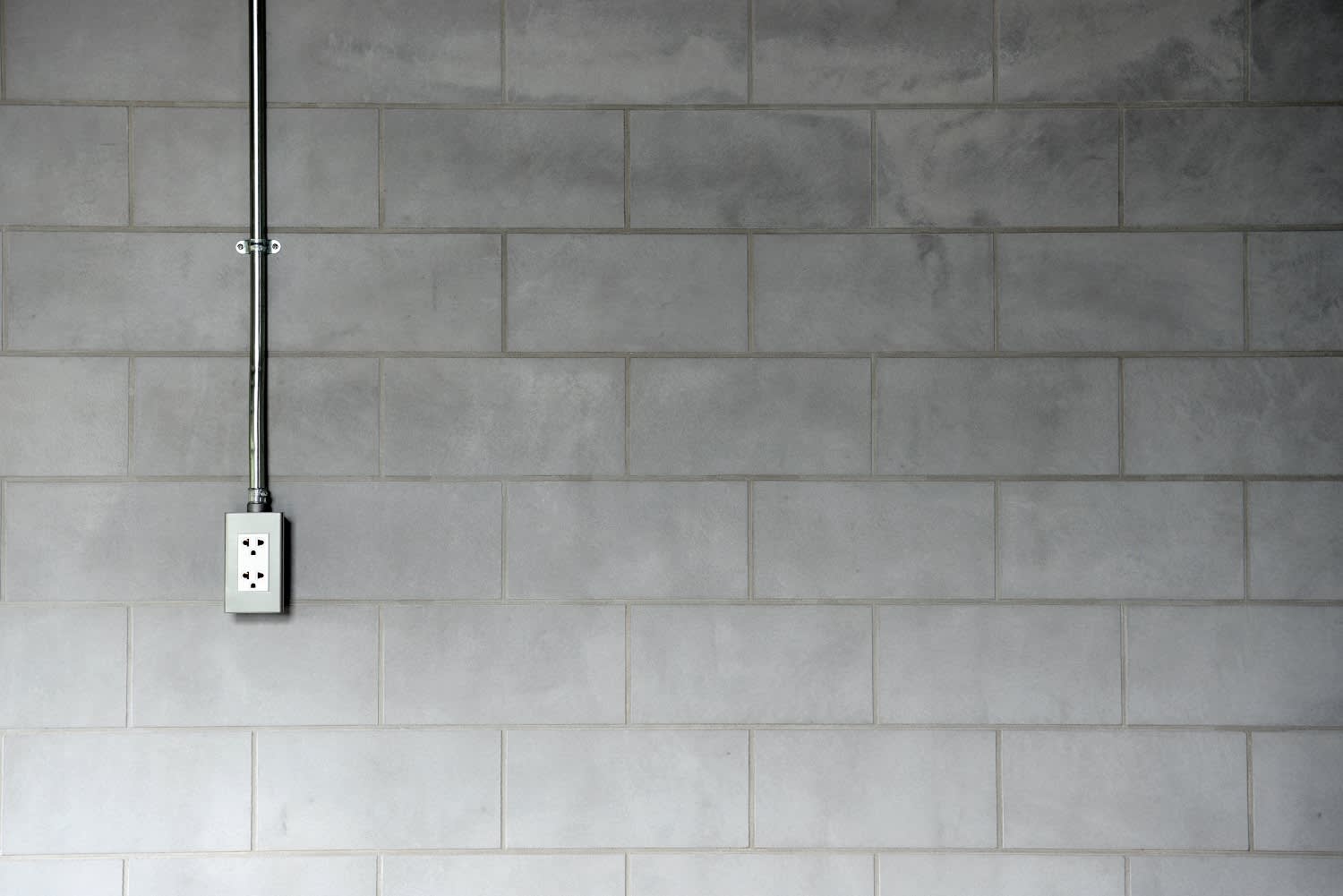
Need to run electricity to your basement? Learn about the cost to install an outlet in an unfinished basement and what factors affect your project cost.

If your outside electrical meter box has sustained wear and tear, it might be time for a replacement. How much it costs to replace an electrical meter box depends on labor, model, and box type.
This guide for how to wire a subpanel will help you decide if you should tackle a DIY project or hire a professional electrician.

Circuit breaker boxes give you the electricity you want and the safety you need in your home at the convenience of a switch. This guide will give you a comprehensive view of everything you need to know about your breaker box.

Wire sizes vary based on the ampacity of a circuit and more. Use this wire gauge amp chart to help you choose the correct wire size for your electrical circuit.