
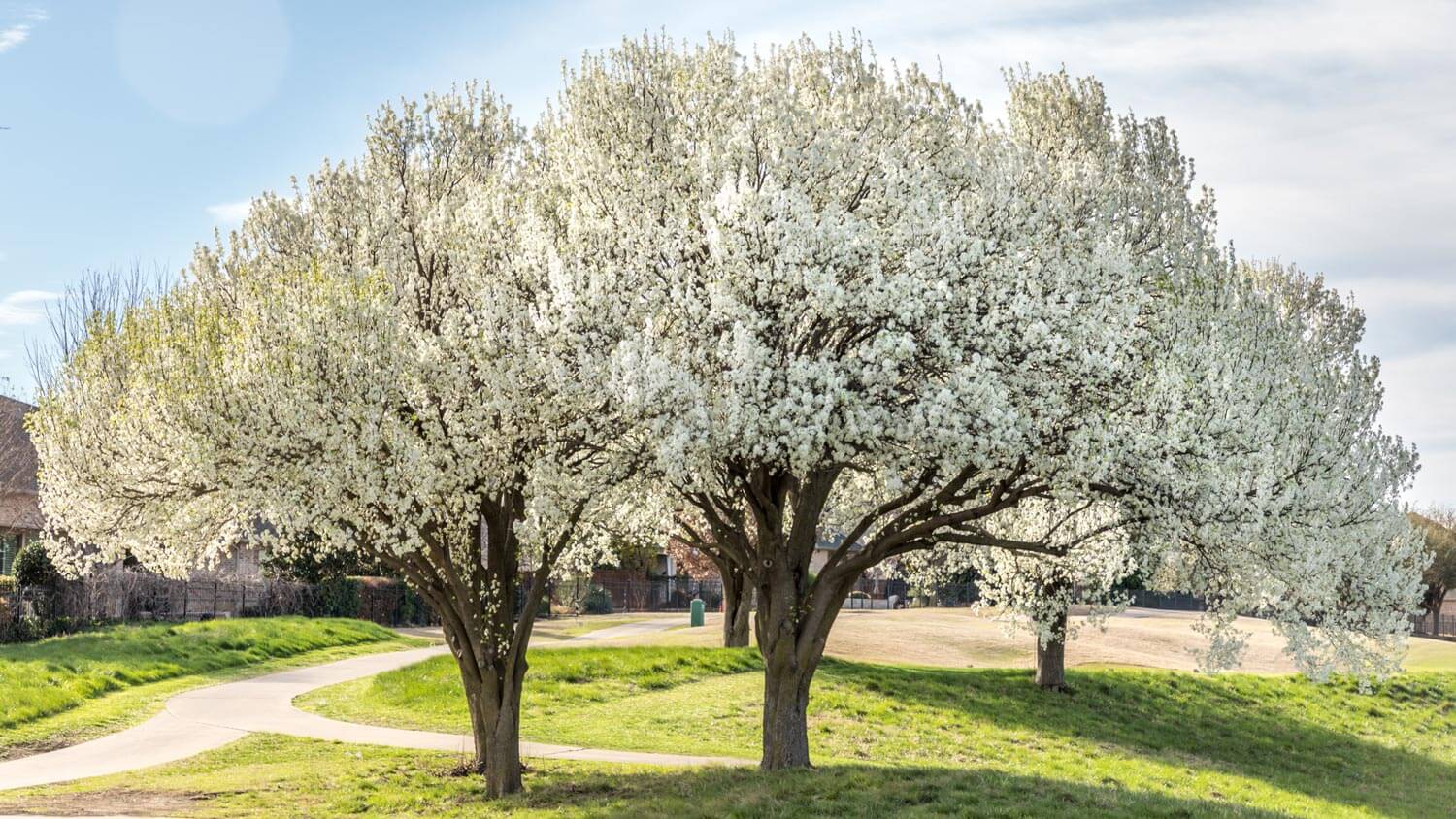
Before you plant any trees on your property, make sure to check against this list of invasive trees and learn which trees are the most problematic species.
Every garden tells a story—so make sure yours isn’t a tragedy

Invasive plants like kudzu and periwinkle spread aggressively through your garden, choking out native species and disrupting local ecosystems with their extensive root systems.
Garlic mustard drastically reduces habitat diversity in forests and gardens, spreading faster than indigenous plants and making your yard vulnerable to ecological imbalance.
Pampas grass thrives with little fertilization and spreads through wind-dispersed seeds, making it nearly impossible to control once it takes root in your landscape.
Hiring a local plant nursery professional provides reliable guidance on identifying invasive species and selecting non-invasive alternatives that support pollinators and native habitats.
A beautiful garden is a feast for the eyes, but when choosing what to plant in your perennial beds, pretty flowers and showy colors lure even the most experienced gardener. Before you put down those roots or consider some low-growing lawn alternatives, make sure you’re not planting an invasive species that can cause ecological damage by destroying the habitat of indigenous plants. This invasive plant list of some of the most common invasive plants in the United States will get you started.

Particularly invasive along the California coastline, the perennial grass thrives in salty marshlands where it is the arch-enemy of the struggling native plants California pickleweed (Salicornia pacifica) and the native California cordgrass (Spartina foliosa). Its seeds are spread in the water, making it fast to take hold and hard to control.

As the name implies, this introduced invasive species was originally considered edible and introduced to the United States for cooking. It quickly spread throughout forests in the Northeast and Midwest, sprouting throughout the undergrowth of woodland forests faster than any indigenous plant. It is now commonly seen in many less-forested areas, so look for it as a weed in your own garden. It drastically impacts the diversity of habitats

Although originally admired as an ornamental plant in the early 1900s, kudzu is now considered both a noxious weed and an invasive plant. Once a greater problem only in southern states, it has also become problematic in the Northeast, Southwest, and Midwest. Kudzu is in the pea family, so it became an invasive plant when deliberately planted as a means of erosion control for deforested lands in the 1930s and 1940s.
The vining plant has an extensive root system, so as it stretches and grows over everything and anything it comes upon, it also reaches deep into the soil, depriving indigenous plants of both light and nutrients.

Favored for floral arrangements, the feathery tops of pampas grass are a nightmare for delicate native species along coastlines and bluffs. The wind-dispersed seeds from this ornamental plant take hold and choke out sedges, grasses, native wildflowers, and other species that cannot compete with the fast-growing pampas.
Because pampas grass can grow with little to no fertilization, the plant can thrive even in barren areas and is virtually impossible to control. No matter what that seed catalog tells you about a glorious hybrid, this species is one to avoid. There are plenty of other attractive plants that will attract pollinators and not destroy indigenous habitats.

Periwinkle is the common name given to both Vinca major and Vinca minor. The two plants are very similar, with the primary difference between being leaf and flower size (the minor variety has a smaller flower and leaf). Once commonly planted throughout historic cemeteries and gardens, ask any U.S.-based historian or archaeologist and they will curse vinca’s name.
Vinca spread via runners, so while many gardeners love the delicate flowers and the vigorous growth of this aggressive ground cover to quickly cover large areas, it quite literally knows no bounds. It can spread well beyond the confines of a well-meaning garden bed and has a nasty habit of covering anything its path, including prized perennials, shrubs, and any native habitats. It is incredibly difficult to completely remove once established.

Although the abundant yellow flowers in the spring may tempt gardeners to plant this attractive Scottish native, Scotch broom is an aggressive invasive shrub that displaces many indigenous plants including rare and beneficial plants that grow in rocky hillsides and pastoral habitats. It is particularly invasive in the western United States, where it takes hold in grasslands and pastures. The seeds are toxic to livestock and horses.

A member of the buckwheat family, this low-growing plant may look innocuous, but it is one of the most difficult invasive perennials to control. Although it grows only 4 to 12 inches in height, the root system is made up of fibrous, shallow horizontal roots and roots that can grow as deep as 5 feet, making it nearly impossible to remove.
In addition, the seeds of sheep sorrel can remain viable for germination for up to 20 years. And if that isn’t enough to make you wish you’d never laid eyes on this plant, it can be poisonous to livestock and causes hay fever in humans, not to mention how it invades delicate native habitats and plants like prairie grasses and meadowlands.
Visit a local nursery near you to find recommendations for non-invasive plants that help support pollinators and will look great in your garden.
Custom Paint Jobs LLC made our home feel like a piece of art. Thank you for your creativity!
 Custom Paint Jobs, LLC
Window Depot did an amazing job on my deck. I wasnt sure what I wanted to do, but their composite decking was affordable and will last a long time. I am excited to have family over, and I am no longer embarrassed by my backyard. Jeff and the ground crew were polite, respectful, and caring for...
 Window Depot USA of Central Ohio
First of all, the gentleman I dealt with (Cam?) was very responsive to my many questions and concerns throughout the project, which is a huge plus to me. From the first time I met him for the estimate all the way til the completion of the job, he and his crew were professional and respectful....
 All Star Paving and Sealing
We had a 20+ year old landscape lighting system that needed replacement. Midwest Lightscapes worked with us to design a much improved lighting system, lighting the exterior of the house and the back yard. Installation of the 45 light system took one and one-half days, and went very smoothly....
 Midwest Lightscapes
Another great success for me on home advisor. This company did an awesome job on my landscaping and stayed within my budget. The best part, the work was complete within 2 days of my initial request. Professional and responsive. I highly recommend!
 Blue Ring Residential Services, LLC
The company no showed on me twice. The 2nd time was no call no show. They were responsive to set up the first appointment to perform the "landscape cleanup". 3 hours after their initial scheduled appointment time they called me to let me know they had some "problem" with the truck and their...
 Ruby Home and Hauling Services
Received ideas for future landscape plans...quote to do the work seemed a bit high but I did not have any other quotes to compare it to, so perhaps that is the going rates. <br />
 Landscapes By Terra, Inc
All around they have done a really great job. <br /> I have used JL Landscapes for the past 8 years. I own and operate my own commercial/residential real estate company where we own, operate, and maintain our own properties. JL Landscapes has been our exclusive landscaper for both our...
 J.L. Landscapes
Bought a half a cord of firewood from Pitzer with stacking last month. I waited to report so I could see how the wood burned. <br /> <br /> I have three pet peeves regarding landscapers, but Pitzer scored "A"s regarding all three. First, rather than having customers "leave a message" and...
 Pitzer Landscaping
I left a message on Sunday requesting to schedule a time to obtain an estimate/walk-through and received a return call in the morning of the following Monday. Mark worked with me and agreed to schedule the estimate/walk-through for the following Saturday. When Mark arrived for the...
From average costs to expert advice, get all the answers you need to get your job done.
Before you plant any trees on your property, make sure to check against this list of invasive trees and learn which trees are the most problematic species.
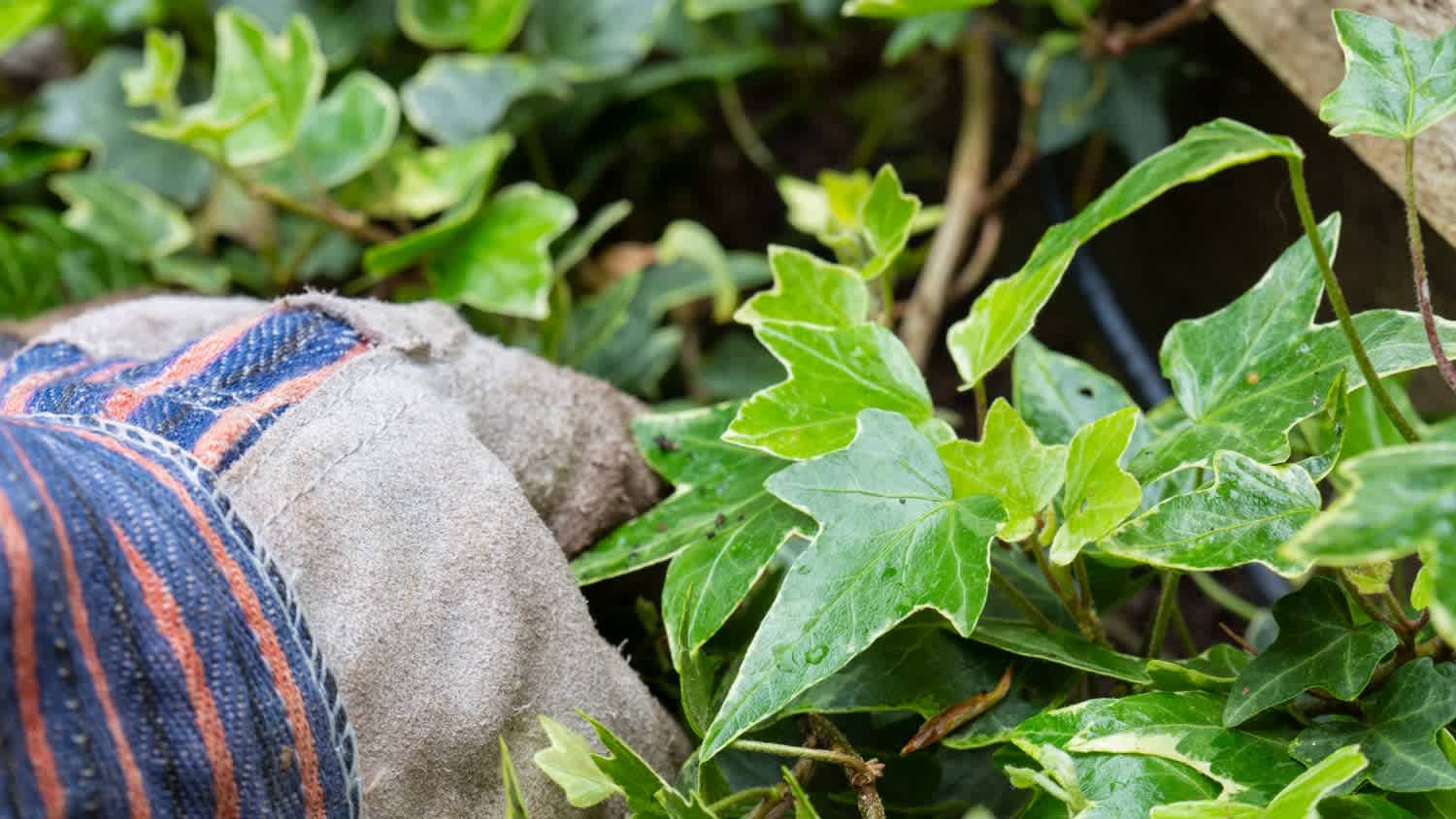
English ivy may look pretty, but it’s an aggressive vine that strangles other plants and trees, and it can even damage your house. Here’s how to get rid of ivy.
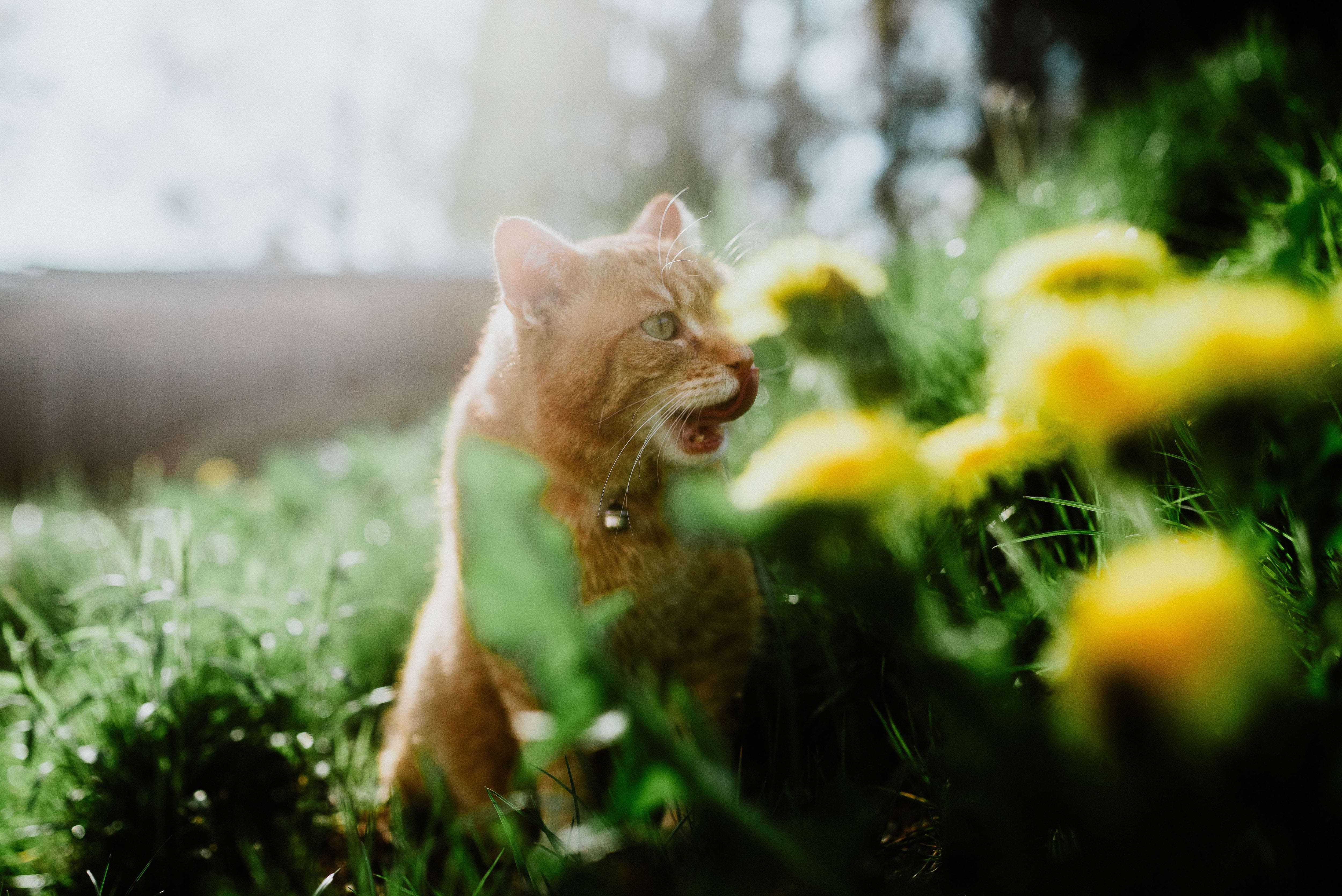
There are many gentle ways to deter stray and feral cats away from your property. Use this guide to learn how to keep cats out of your yard and garden humanely.

Find out how to keep unwanted animals out of your yard with these easy tips and tricks so you can enjoy your property in peace.

Learn how to remove yard waste properly and efficiently with these methods.

They say to plant a tree, but not all trees are alike. Check out these seven reasons why you should not plant a tree before you make a costly mistake.