

•
Discover yard drainage cost estimates, including average prices, key cost factors, and tips to help you budget for your yard drainage project.
Shrug off erosion—but don’t let your landscaping go with it

Your yard faces erosion control techniques like mulching, planting deep-rooted grass, and adding river rock, which slow runoff and hold soil in place.
Expect to pay $10 to $100 per linear foot for French drain installation, helping you manage drainage and prevent foundation damage from erosion.
Retaining walls and stepped terraces work well on slopes where soil washes away, giving your landscape structure and reducing runoff during heavy rain.
Hiring a local landscaping professional provides reliable guidance on drainage systems and erosion control techniques, keeping your yard protected and your foundation safe from water damage.
Having a big yard has some major benefits, but dealing with erosion isn’t one of them—it can clog your drains, diminish your soil quality, and increase flooding on your property (hello, water damage and costly foundation repairs).
Rainwater, snowmelt, and foot traffic all wear away your landscape, especially if you live on a shoreline. Luckily, you can stop erosion in your yard with a few simple protective measures. These tried-and-true tips for erosion control methods are a great place to start.
Here are the outlet types you find in most U.S. homes:
15-amp, 120-volt (2-prong and 3-prong): The standard household outlet for lamps, TVs, and chargers.
20-amp, 125-volt: A higher-power outlet for kitchens, laundry rooms, and workshops.
240-volt (20-amp to 50-amp): A large-appliance outlet for dryers, ranges, and EV chargers.
GFCI: A shock-protection outlet for kitchens, baths, and other wet areas.
AFCI: A fire-protection outlet for bedrooms and living spaces.
Tamper-resistant: A child-safe outlet with internal shutters, now standard in new homes.
Weather-resistant: A corrosion-resistant outlet built for outdoor use.
Convenience types: Switched, combination, USB, smart, and rotating outlets.
One of the easiest ways to prevent and fix erosion in your yard is by adding a protective layer of mulch or another organic material like compost over vulnerable soil. The problem is this only works on gentle slopes of less than 33%. If your property has a steep hill or you’re trying to combat shoreline erosion, mulch tends to move.
The best way to use mulch is alongside other erosion control methods. For example, you can mulch a line of trees that hold soil in place (a process known as forestry mulching) to provide nutrients that lead to stronger, deeper root growth. The same goes for planting a rain garden in mulch—just make sure you choose the right kind.

This simple lakefront landscaping idea doesn’t just give your property rustic charm. It’s also a low-maintenance way to stop erosion in your yard. Stone—whether it’s gravel, river rock, or larger stones like riprap—aids in drainage and acts as a protective layer that prevents soil erosion.
Choose a porous variety like sandstone for your gravel to soak up water. River rocks are a great option to put under downspouts and around your foundation. Choose a larger variety, like riprap, to combat waves along a shoreline.
If you live in a coastal home that kisses the shoreline, you’re probably already familiar with retaining walls. A strong retaining wall protects waterfront property against strong winds, large waves, flooding, and serious erosion that gradually shrinks the property line.
Even if you don’t have a view of the ocean, you can still use retaining walls to support your landscape and limit soil erosion along slopes. Go for a wall with drainage and water control features to boost its impact.
In the same way that sand dunes prevent erosion on the shoreline, stepped terraces can help limit hillside erosion in your backyard. This architectural landscape concept involves building a series of retaining walls along a hillside to flatten areas of soil within a slope.
Stepped terraces work best on steep slopes where mulch, gravel, and other erosion control measures will wash away. If you hire a landscape designer to install stepped terraces, ensure they install a drainage system behind the retaining wall. The water has to go somewhere, and you don’t want it pooling on your terrace.

Plant roots help keep soil in place, but a rain garden is a strategic feature to prevent and stop erosion in your yard. A garden of deep-rooted native plants will soak up excess water and limit runoff. Just make sure you plant your rain garden 10 feet from your property to prevent water from sinking into your foundation and potentially flooding your home.
To get the most bang for your buck, you can use a rain garden alongside a rainwater collection system to aid in erosion control and save money on your water bill. Not sure about native plants? A local landscaping company can help you choose the ideal plants for your garden.
If you have a gentle slope of bare ground, planting grass seed or laying down sod can help prevent soil erosion. Roots hold the top layer of soil in place, and if there’s runoff from a storm, grass slows its speed and absorbs some excess water.
The best types of grasses to stop erosion in your yard are deep-rooted turf types like tall fescue, but it depends on your climate. Choose a perennial native grass that won’t die off in the winter, so roots stay strong year-round.
Erosion control blankets help prevent soil erosion by slowing down water as it moves across the surface. They consist of open-weave, biodegradable, and natural materials like jute or coconut fiber.
You can also find synthetic varieties made from plastic netting. These can be tricky to install effectively, especially if you have a coastal home and need to protect more than just the top layer of soil. Consider hiring a shoreline landscaping contractor who understands the difficulties of coastal erosion.
Ground cover is low-growing plants that spread over an area and protect topsoil from erosion and drought. In addition to stopping erosion in your yard, ground cover attracts pollinators like butterflies and bees, suppresses weeds, conserves water, and adds a gorgeous layer to your garden.
The perfect ground cover depends on your plant hardiness zone, but popular plants include creeping phlox, creeping thyme, clover, and sedum (for xeriscapes, in particular). You can even use strawberry plants if you prefer a plant that fruits.
Dry creek beds are small trenches filled with river rocks and gravel that help prevent erosion and flooding. The trenches slow down runoff and direct rainwater away from areas where it could cause harm. You’ll often find dry creek beds at the base of a slope.
Since dry creek beds require a specific placement and slope, hiring a landscaper with expertise and experience is a good idea.
A French drain prevents erosion by controlling runoff. It’s essentially a trench filled with rocks (not unlike a dry creek bed) with a perforated pipe. The rocks slow down runoff, and the pipe collects and directs water to an area where it can safely drain without flooding (a street, municipal drain, ditch, dry well, or other area of your landscape).
You can install a French drain with retaining walls to prevent erosion. You may also find them around paver patios, foundations, or the perimeter of a yard. Depending on your drainage system's complexity, a French drain costs about $10 to $100 per linear foot.

Hydration is vital for your lawn and garden to thrive. However, too much of a good thing can be a bad thing, namely erosion. If you have an irrigation system, be sure to adjust the timers and flow rate accordingly to avoid overwatering. Better yet, consider swapping your existing system for a drip irrigation system because the soaker hoses will ensure safer hydration.
Erosion occurs more easily when the soil is compacted because the ground can’t absorb the water properly. To avoid runoff or erosion, loosen up the soil by aerating the lawn or adding compost to the soil. Adding compost can improve the soil’s structure, too. Limit foot traffic and don’t use heavy machinery over any areas of your property that you are trying to protect from erosion.
Here are some key reasons you’ll want to make erosion prevention a priority.
Lowers the flood risk: By stopping erosion, runoff is controlled, and flooding is better prevented.
Protects the foundation and hardscape: Besides being bad for the soil, erosion can damage your home’s foundation as well as any sidewalks and hard surfaces on or surrounding your property, including patios, driveways, and sidewalks.
Encourages healthy soil: Hydrated, well-aerated soil is better able to absorb nutrients, resulting in stronger growth for your lawn and garden
Upholds water quality: Erosion doesn’t just send away the soil. It also washes away all the sediment and pollutants it contains. All of it goes right into the local waterways, which is bad news for the environment.
Offers better curb appeal: Less erosion means a yard you can really be proud of.
Custom Paint Jobs LLC made our home feel like a piece of art. Thank you for your creativity!
 Custom Paint Jobs, LLC
Window Depot did an amazing job on my deck. I wasnt sure what I wanted to do, but their composite decking was affordable and will last a long time. I am excited to have family over, and I am no longer embarrassed by my backyard. Jeff and the ground crew were polite, respectful, and caring for...
 Window Depot USA of Central Ohio
First of all, the gentleman I dealt with (Cam?) was very responsive to my many questions and concerns throughout the project, which is a huge plus to me. From the first time I met him for the estimate all the way til the completion of the job, he and his crew were professional and respectful....
 All Star Paving and Sealing
We had a 20+ year old landscape lighting system that needed replacement. Midwest Lightscapes worked with us to design a much improved lighting system, lighting the exterior of the house and the back yard. Installation of the 45 light system took one and one-half days, and went very smoothly....
 Midwest Lightscapes
Another great success for me on home advisor. This company did an awesome job on my landscaping and stayed within my budget. The best part, the work was complete within 2 days of my initial request. Professional and responsive. I highly recommend!
 Blue Ring Residential Services, LLC
The company no showed on me twice. The 2nd time was no call no show. They were responsive to set up the first appointment to perform the "landscape cleanup". 3 hours after their initial scheduled appointment time they called me to let me know they had some "problem" with the truck and their...
 Ruby Home and Hauling Services
Received ideas for future landscape plans...quote to do the work seemed a bit high but I did not have any other quotes to compare it to, so perhaps that is the going rates. <br />
 Landscapes By Terra, Inc
All around they have done a really great job. <br /> I have used JL Landscapes for the past 8 years. I own and operate my own commercial/residential real estate company where we own, operate, and maintain our own properties. JL Landscapes has been our exclusive landscaper for both our...
 J.L. Landscapes
Bought a half a cord of firewood from Pitzer with stacking last month. I waited to report so I could see how the wood burned. <br /> <br /> I have three pet peeves regarding landscapers, but Pitzer scored "A"s regarding all three. First, rather than having customers "leave a message" and...
 Pitzer Landscaping
I left a message on Sunday requesting to schedule a time to obtain an estimate/walk-through and received a return call in the morning of the following Monday. Mark worked with me and agreed to schedule the estimate/walk-through for the following Saturday. When Mark arrived for the...
From average costs to expert advice, get all the answers you need to get your job done.
Discover yard drainage cost estimates, including average prices, key cost factors, and tips to help you budget for your yard drainage project.
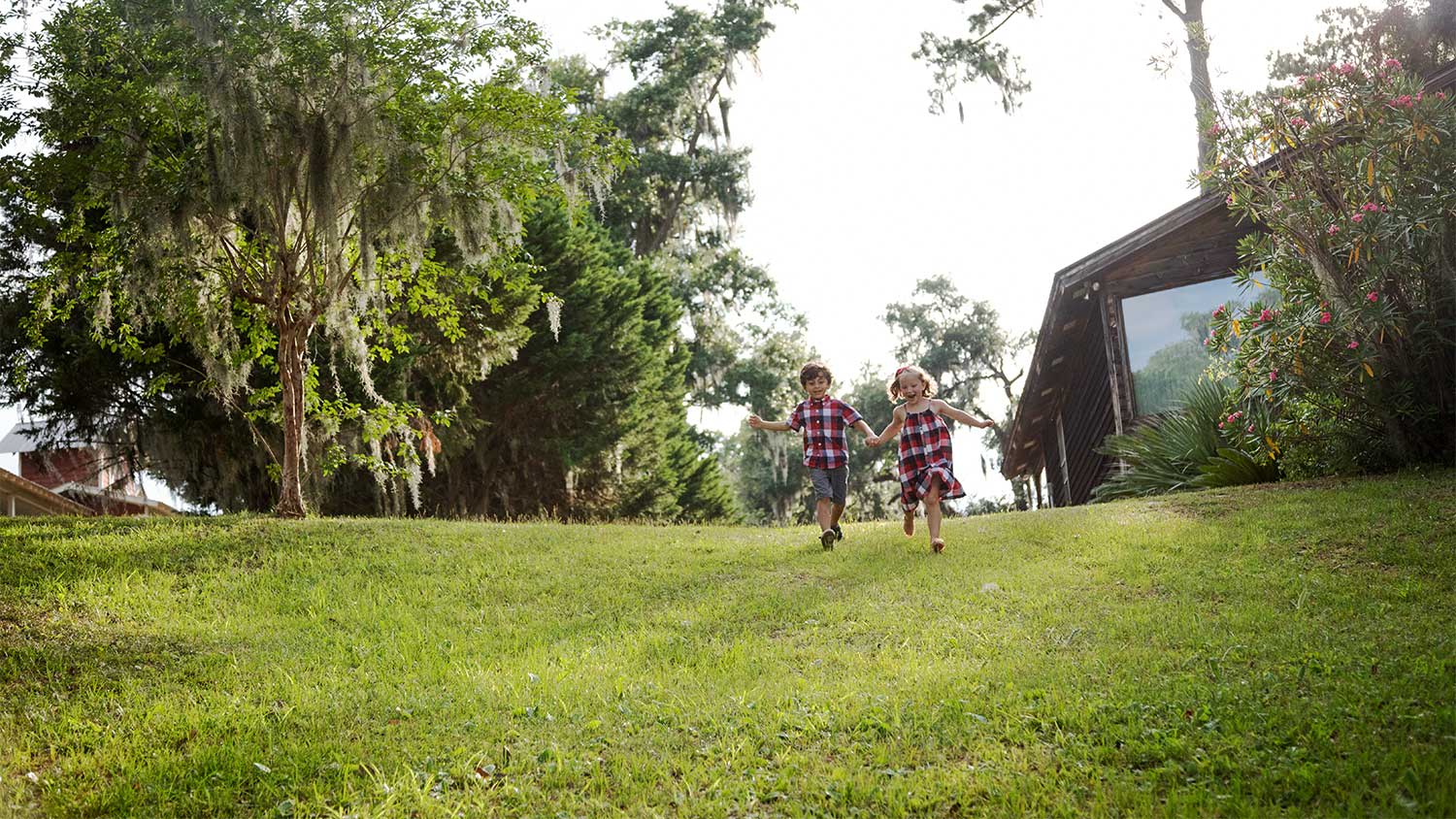
If you have a hilly property, erosion can threaten your drinking water, soil, and plants. Fortunately, these tips can teach you how to stop erosion on a slope.

Poor drainage is a surprisingly common problem in home gardens, and, with storms on the rise, considering backyard flooding solutions is a sensible precaution.
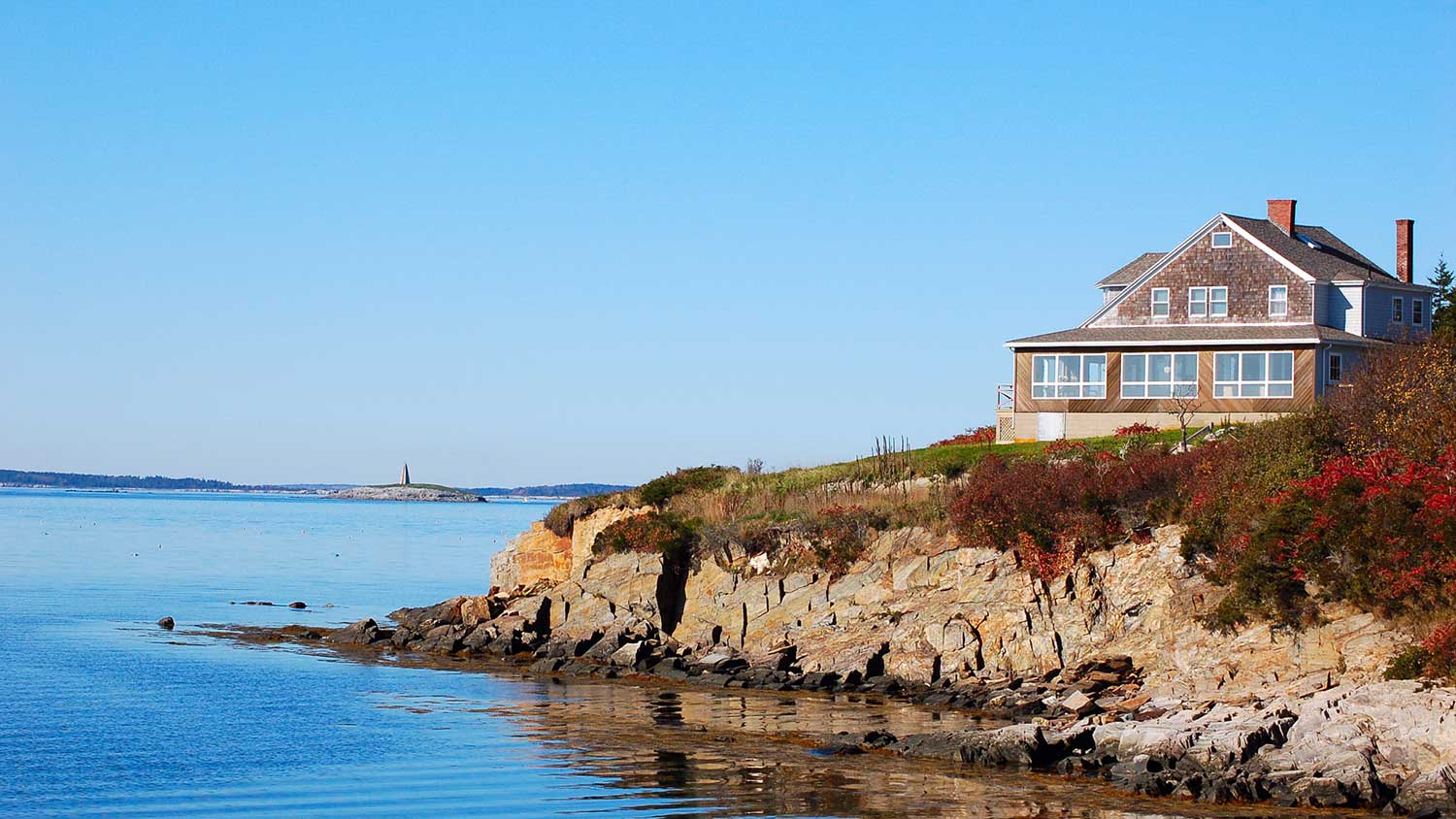
Shorelines are prone to erosion, making beach- or lakefront property lose appeal. Here are 10 erosion issues and how to mitigate waterfront erosion.
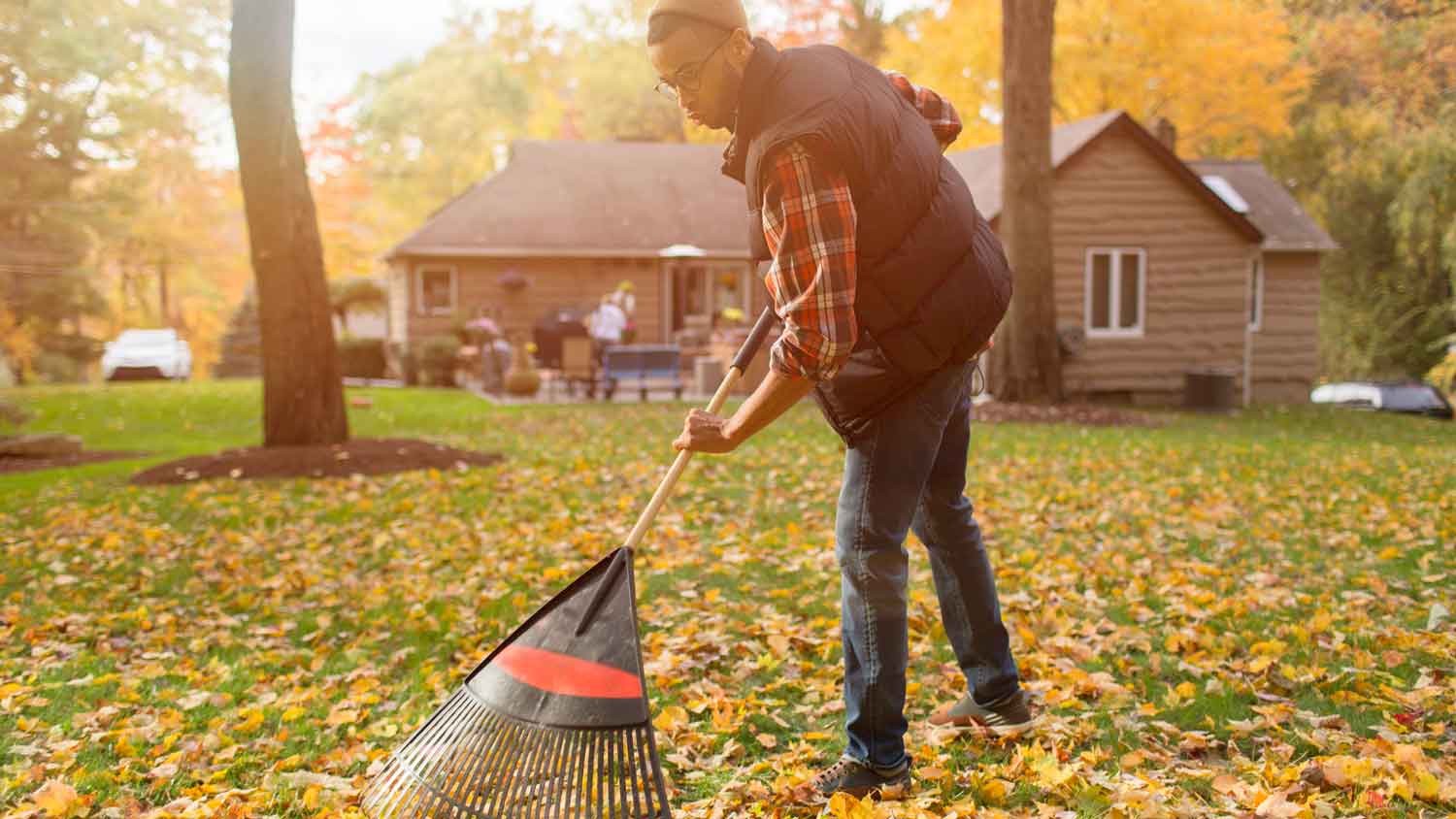
Summer can bring fun, sun, and clutter to your yard. But a fall yard cleanup will help you clear things away from summer and prepare for winter.
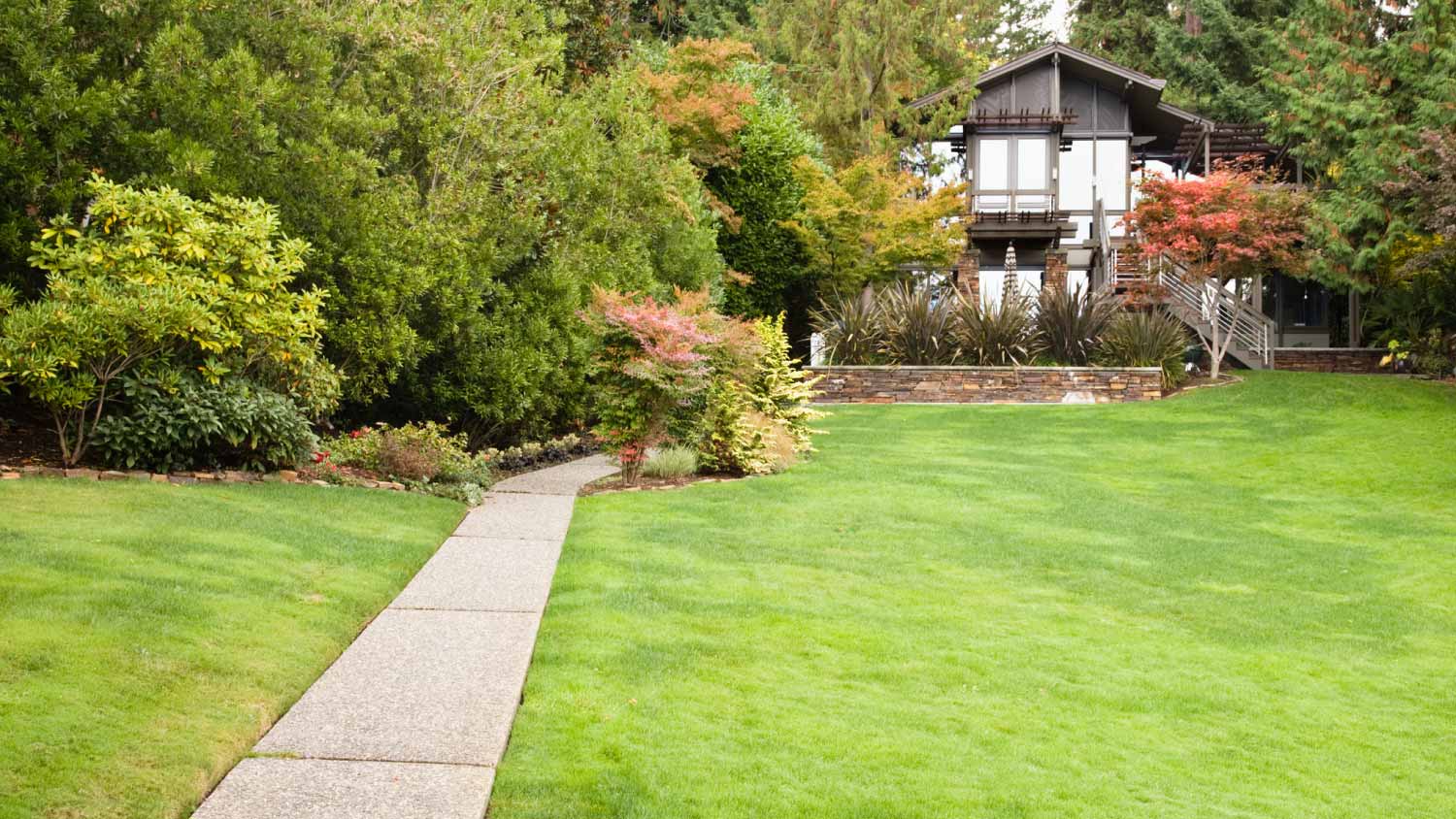
It isn’t immediately obvious who to hire when you need to regrade your yard. Here are the contractors perfect for this critical home project.