





Top-rated excavation pros.

Get matched with top excavation pros in Enumclaw, WA

Enter your zip and get matched with up to 5 pros

Need a pro for your excavation project in Enumclaw, WA?

Select your specific project to find the pro for you.

TRUSTED BY ENUMCLAW, WA HOMEOWNERS

  • Average homeowner rating star icon4.8
    Average homeowner rating
  • Verified reviews icon105
    Verified excavation services reviews

Find Excavation pros in Enumclaw

Triton Excavation INC
4.6(
41
)
Excavation - Major Grading or ReslopingExcavation - Major Grading or Resloping - For Business

Serving Enumclaw, WA and surrounding areas

Approved

In business since 2008

Free estimates

Emergency services offered

"The whole crew was wonderful to work with, professional and meticulous, cheerful and helpful, site left in great shape at the end of the demolition of three buildings and the challenging foundation hole excavation. Job finished on time, good value. Highly recommended!"
Response time2 days
Recommended by100%of homeowners

Avatar for TMR Excavation
TMR Excavation
New to Angi
Excavation - Major Grading or ReslopingBuilding Site - Preparation and ClearingBuilding Site - Preparation and Clearing - For Business+2 more

Serving Enumclaw, WA and surrounding areas

Approved

Free estimates

Emergency services offered

Warranties offered

TMR Excavation LLC is a locally owned excavation company serving Southwest Washington with affordable, high-quality dirt work. We specialize in residential projects including Site prep, Shop pads, Driveway installs, land clearing, grading, trenching, drainage solutions, brush removal, and more. With 10 years of experience working for top regional contractors in both heavy civil and residential jobs, we bring the experience to the private sector — offering honest service, transparent process, expert results, and a job done right. From the first estimate to the final grade, we take pride in getting your project done for you!

1 neighbors recently requested a quote
Avatar for Expedeck
Expedeck
5.0(
24
)
Building Site - Preparation and ClearingBuilding Site - Preparation and Clearing - For BusinessExcavation - Major Grading or Resloping+2 more

Serving Enumclaw, WA and surrounding areas

In business since 2015

Free estimates

Credit card accepted

"We had two building projects - replacing a decades-old retaining wall made from railroad ties, and replacing a large deck. We asked for bids, and liked the people at Sta-Built best. They are very professional, friendly, and did top-quality work. Our old deck was originally built by an "economy" contractor (what we could afford at the time), and the foundation was "shoddy", to say the least. We are so pleased with the new deck. The foundation is solid, and the new configuration fits our needs very well. Highly recommended!"
Andrew Farjo
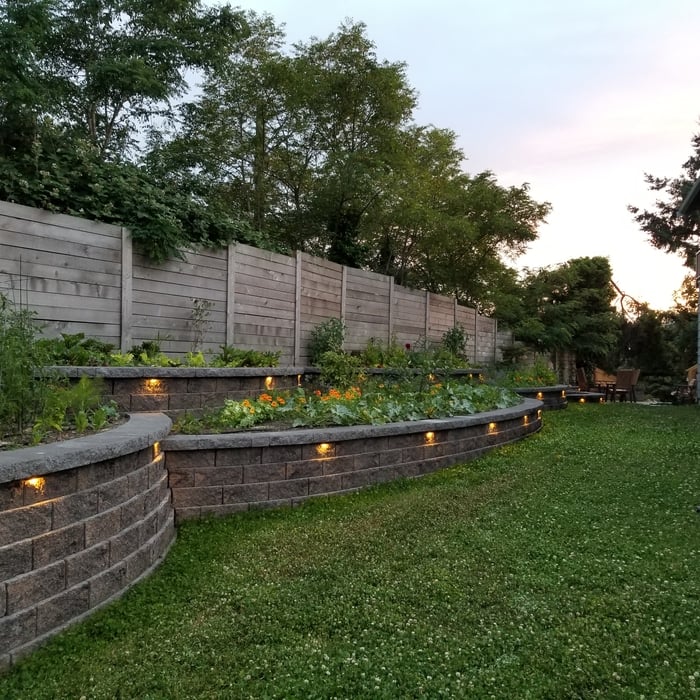
Landscape Lighting with retaining walls
Accent wall / Seating wall with LED lighting
Andrew Farjo
Andrew Farjo

+31

Recommended by100%of homeowners

...
Showing 1-10 of 118
Excavating questions, answered by experts

No, a ditch isn’t a trench. A ditch is an open, relatively shallow channel that’s carved out of the ground and used for drainage purposes. In contrast, a trench is a deeper excavation that’s entirely underground. Trenches have many uses, including gas lines, sewage systems, and electrical wiring. Unlike trenches, ditches don’t get filled back in with dirt after they’re dug.

Yes, professional installations include trenching or borehole drilling required for ground loops.

The best type of soil to build on is a mixture of sand and clay, known as loam soil. Loam soil has the best combination of these soil types to build a foundation on. The clay particles help with water retention, so it won’t erode like sandy soil might, and the sandy particles help with drainage, so you won’t see unsafe soil expansion or have an increased risk of leaks from water sitting against your foundation.

Depending on the severity of the freeze and the method used, thawing frozen underground pipes can take anywhere from 30 minutes to several hours. Applying heat directly to the pipe using heat tape, infrared lamps, or hot water jetting can speed up the process. However, patience and careful monitoring are key to avoiding pipe damage.

There is no standard depth for burying a septic tank; they are typically buried anywhere from 4 inches to 4 feet underground. The final depth depends on several factors, including the depth of your main sewer line, the height of the bedrock, soil type, local regulations, and the property's landscape. If you plan to grow grass or plants over the tank, a depth of at least 4 to 6 inches is recommended. Deeper tanks can be more difficult to locate, but a septic professional can help find it for you.

The Enumclaw, WA homeowners’ guide to excavation services

From average costs to expert advice, get all the answers you need to get your job done.