






Top-rated excavation pros.

Get matched with top excavation pros in Milton, WA

Enter your zip and get matched with up to 5 pros

Need a pro for your excavation project in Milton, WA?

Select your specific project to find the pro for you.

TRUSTED BY MILTON, WA HOMEOWNERS

  • Average homeowner rating star icon4.5
    Average homeowner rating
  • Verified reviews icon62
    Verified excavation services reviews

Find Excavation pros in Milton

Avatar for God's Green Earth, LLC
God's Green Earth, LLC
4.4(
103
)
Landscape - Minor Grading or Resloping

Serving Milton, WA and surrounding areas

Approved

In business since 2013

Free estimates

Emergency services offered

"Hired them to remove leaves weekly, from my elderly fathers yard. Amazing customer service, quick to respond, very accommodating, they do great work. My Father sends me pictures every week and it looks very tidy. We'll use them out there next summer for additional clean up as well."

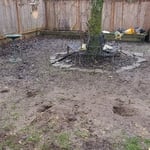
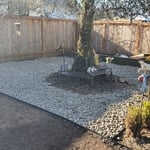
Rock Garden
After!
Before and After
Before and After
Before and After

+9

Response time1 day
Response rate94%
33 neighbors recently requested a quote

Avatar for Sound Property Investments Inc

Sound Property Investments Inc
5.0(
6
)
Building Site - Preparation and ClearingBuilding Site - Preparation and Clearing - For Business

Serving Milton, WA and surrounding areas

Approved

In business since 2017

Free estimates

Small jobs welcome

"I built several speculative houses and Scott handle the job from start to finish from clearing the lot, setting the elevation for the new home to downspout systems, backfill, sewer hooks, water service hookups and grading the property ready for landscaping. He also does Right of way work for concrete driveway approaches and sidewalks. Would highly recommend this contractor to my friends and hire him again for any future jobs."
Excavation
Excavation
Project Photo
New construction build
Sewer

+102

...
Showing 1-10 of 189
Excavating questions, answered by experts

Septic drain lines (or leach lines) are typically buried between 18 and 36 inches underground, and should be at least 6 inches below the surface. These pipes are perforated and surrounded by filtering materials like sand or gravel. Burying the lines at this depth helps minimize odors and allows bacteria and other biological processes in the soil to effectively treat the wastewater. Burying lines too close to the surface can cause issues unless the soil is very compact and stable.

If you have a broken sprinkler pipe underground, there will be some signs you can easily spot to locate it and take action. These include leaks, water spouts, flooding, consistently damp areas on your lawn, low water pressure, and grass around the sprinkler head that’s taller and darker than anywhere else in the yard. 

If there are no obvious signs of a broken pipe, you can use tools such as water leak mics, leak noise loggers, audio devices that record leaks, and acoustic testing links. 

Broken pipes can lead to uneven watering, plant damage, and higher utility bills. The longer you wait to fix them the more the repair cost may be.

Hard soil could be a sign of overly dry dirt, either from poor drainage or drought. It's important to test the nutrient levels, density, and drainage capacity of your soil to see if it's absorbing water properly. Begin by adding a light layer of water and observing how long the soil retains moisture. If you experience a good deal of runoff, you may need to aerate your lawn, apply a wetting agent, or hire a professional for a closer look.

Trenching and boring are two distinct methods for installing underground utilities. Trenching involves digging a channel using equipment like an excavator, trencher, backhoe, or shovel. While it is a simpler process, it causes significant disruption to the surface, landscaping, and surrounding ecosystems.

Boring, also known as directional boring, is a less invasive alternative that uses a drill to create a tunnel for utility lines without disturbing the surface. This method is more precise and is ideal for installations that need to go underneath buildings, roads, or bodies of water. Although boring is less disruptive, it is generally more expensive than trenching.

Excavations take a few days or up to a few weeks. The time it takes to excavate an area depends on the size of the area, the type of soil, the type of excavator, and even the time of year, since winter can make digging up the ground more difficult.

The Milton, WA homeowners’ guide to excavation services

From average costs to expert advice, get all the answers you need to get your job done.