



Top-rated excavation pros.

Get matched with top excavation pros in Maple Valley, WA

Enter your zip and get matched with up to 5 pros

Need a pro for your excavation project in Maple Valley, WA?

Select your specific project to find the pro for you.

TRUSTED BY MAPLE VALLEY, WA HOMEOWNERS

  • Average homeowner rating star icon4.6
    Average homeowner rating
  • Verified reviews icon154
    Verified excavation services reviews

Find Excavation pros in Maple Valley

Avatar for Mount Olive Landscape & Constr
Mount Olive Landscape & Constr
4.7(
50
)
Landscape - Minor Grading or Resloping

Serving Maple Valley, WA and surrounding areas

Approved

Super Service Award Winner

In business since 2015

Free estimates

Credit card accepted

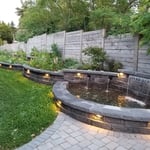
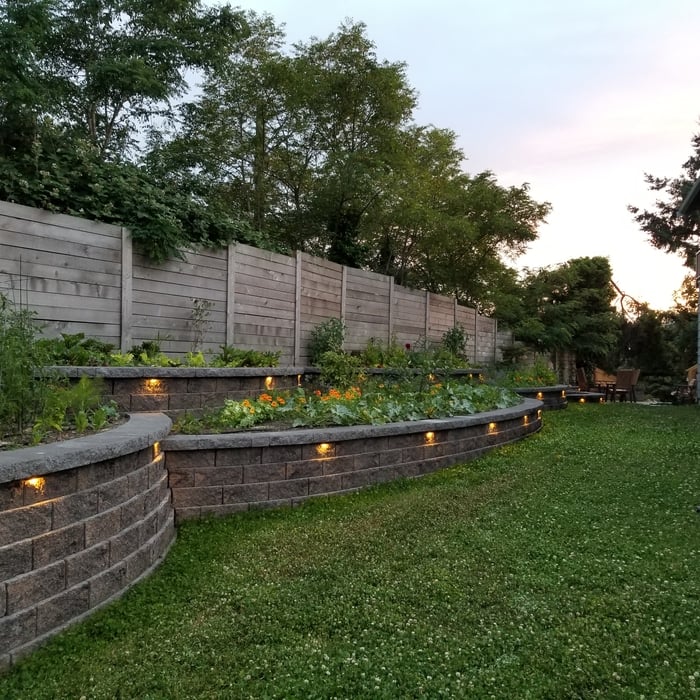
"I needed to stabilize a slope. Norberto presented a plan for a retaining wall and drainage that was both functional and attractive. He provided a detailed bid for labor and materials that was competitive with several other companies He and his crew completed the job efficiently while taking care not to damage existing shrubbery and ornamentals. Norberto is professional and easy to work with. He was very good about coordinating with me. I have and will continue to use his company for other projects."
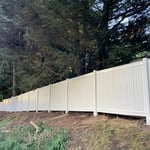
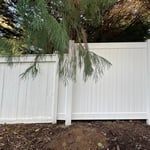
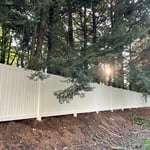
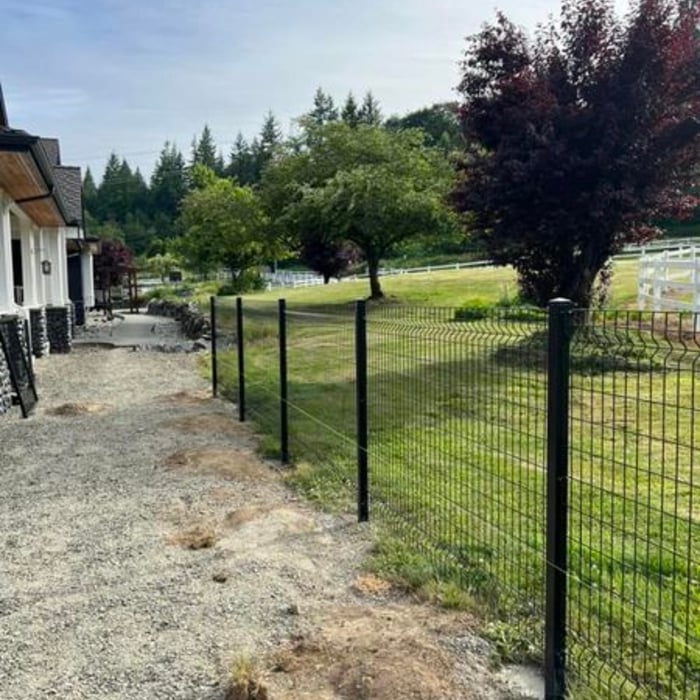
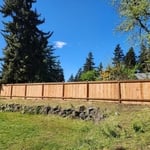
vinyl fence 3
Vinyl Fence Project
Vinyl Fence Project
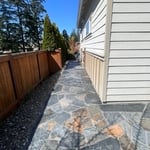
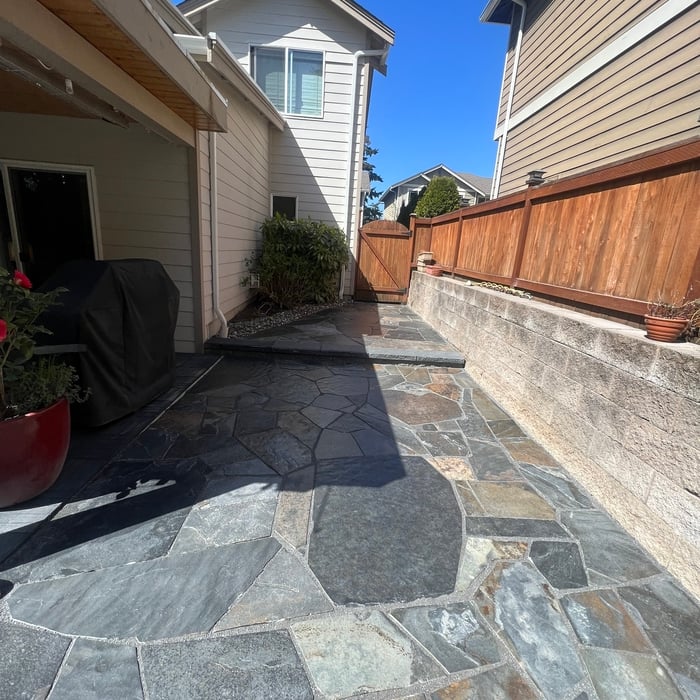
Flagstone Patio
Flagstone Patio

+37

Response time9 hrs
Response rate98%
43 neighbors recently requested a quote
Avatar for Iron Earth Construction LLC
Iron Earth Construction LLC
5.0(
4
)
Building Site - Preparation and ClearingBuilding Site - Preparation and Clearing - For BusinessExcavation - Major Grading or Resloping+1 more

Serving Maple Valley, WA and surrounding areas

Approved

In business since 2021

Free estimates

Credit card accepted

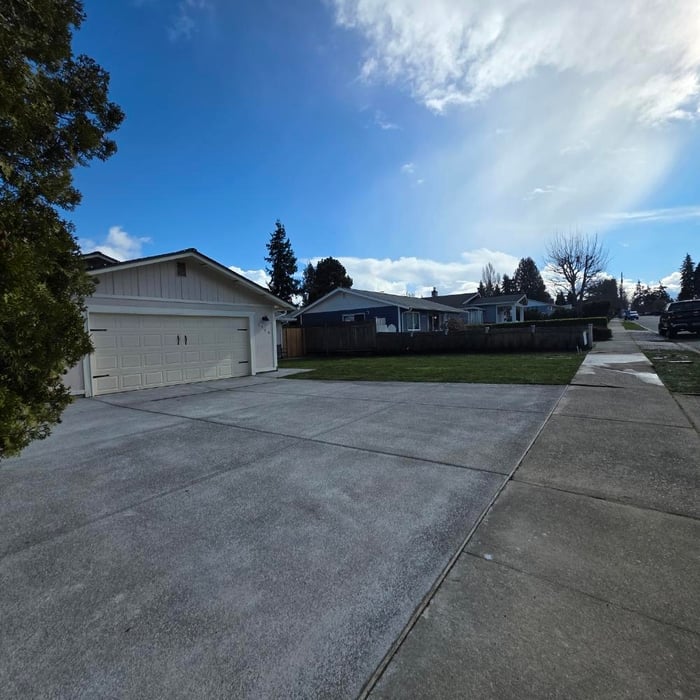
"Iron Earth is the complete deal. They took down an 70 yr old garage that had seen much better days and replaced it with an exciting new garage and RV Port with a storage loft. Dan Faris and his crew did a marvelous job of tackling every step of the process; from planning, permitting, design, teardown, removal of old garage and every facet of the build. Unlike some contractors I've experienced in the past, he listened to our wants and needs. Discussing what could and couldn't be done while providing the details. I knew they were offering us to be partners in the process, not telling us what the project would be like others had. The team was professional and reliable i knew I could trust them in every facet. Iron Earth Construction and Dan Faris will be my go to for future projects, as I know I can rely on them."
Before
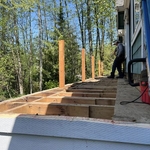
During rooftop build
Rooftop Deck during
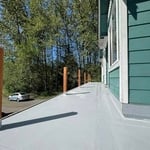
AFter
Installation of Euro Fencing

+43

Response time3 days
25 neighbors recently requested a quote
Recommended by75%of homeowners
...
Showing 1-10 of 183
Excavating questions, answered by experts

A mini excavator can dig between 5 and 11 feet deep, depending on the type and size of the mini excavator. Mini hydraulic excavators are more powerful and can reach deeper into the earth, but electric models have a more limited range. Mini excavators over two tons in size are also more powerful and able to dig as deep as 11 feet.

A trench that is less than 5 feet deep often doesn't require a protective system. Most residential trenches will not go this deep (the typical residential drainage trench is just 18 inches deep). In the event that an excavator needs to dig more than 5 feet beneath the surface, a protective system is required unless the excavation is in entirely stable rock.

Yes. A metal detector is one of the quickest and easiest ways to find your septic tank. However, metal detectors can be too expensive (costing upward of $300 in some cases), and not everyone has a metal detector just lying around. If that’s the case for you, you can also take a long metal rod and poke it into the ground at regular intervals until you hit something—likely your septic tank lid.

Chipmunks dig their burrows about three feet deep and up to 30 feet long. The entrances can be two inches wide or more. Chipmunks are fiercely protective of their burrows and use them to protect the nuts and seeds they gather for the long winters.

Trenching and boring are two distinct methods for installing underground utilities. Trenching involves digging a channel using equipment like an excavator, trencher, backhoe, or shovel. While it is a simpler process, it causes significant disruption to the surface, landscaping, and surrounding ecosystems.

Boring, also known as directional boring, is a less invasive alternative that uses a drill to create a tunnel for utility lines without disturbing the surface. This method is more precise and is ideal for installations that need to go underneath buildings, roads, or bodies of water. Although boring is less disruptive, it is generally more expensive than trenching.

The Maple Valley, WA homeowners’ guide to excavation services

From average costs to expert advice, get all the answers you need to get your job done.