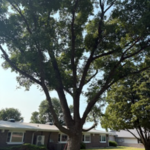
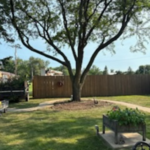
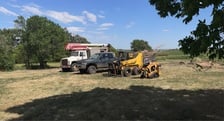
"Large amount of work was needed, and job is about 80% complete. Hard workers that want to do a great job. Very courteous and professional when discussing details. They were willing to rent special equipment to get the work finished."
"They did a very good professional job. I was very satisfied with them. They showed up when they said they would and completed the job to my satisfaction."
We are extremely passionate about the work that we do. You can depend on us to provide a high quality service at a fair and honest price. We understand that the future of our business depends upon our reputation and that is why customer service is by far our highest priority. If you are looking for a professional you can trust, please call today to schedule a no-obligation estimate!
"Harlan was professional, polite, and honest. He completed everything in a timely matter, payed attention detail, worked well with all the requirements we needed to abide by, and he did everything himself! Most of the other contractors I had reached out were not willing to follow the guidelines needed. Harlan was great and does not keep you waiting! I would highly recommend him! I was very pleased and have no complaints! He goes above and beyond what you ask of him!"
Larry's Handyman is locally owned and operated in Lake Andes. We are a full service handyman business with over 18 years in the home improvement trade. We are honest, reliable, and very professional. For a free quote, for all of your handyman needs, please call us today!
The exact answer to this question depends on which region of the country you’re talking about, but according to various tree counts, some of the most common types of trees in the United States include red maple, Douglas fir, quaking aspen, loblolly pine, and sweetgum.
Most experts recommend removing a tree that has sustained more than 25% loss in the limbs, trunk, or circumference of the bark. Doing an initial trimming of damaged and dangling branches, but then waiting a few days of monitoring to decide how much more you might need to cut can help you better assess the total damage to the tree. However, consulting a tree maintenance pro to make this determination the best course of action before removing a tree.
If a tree isn’t pruned, it can inhibit proper growth and fruit production, cause damage to both the tree and your property, and create entry points for pests and diseases. Pruning a tree enhances its stability, appearance, shape, and growth. Pruning trees regularly can also save you money long-term by avoiding overgrown or dangerous dying trees.
The shepherd’s tree, native to the Kalahari Desert in Africa, holds the record for the deepest known tree roots at over 230 feet deep. Some African communities refer to it as the “Tree of Life” since it provides food, shade, and medicinal properties to the surrounding community.
If a tree stump is removed properly, the chances of a tree growing back are low. However, if a tree has a robust root system, roots can sometimes sprout and someday grow into a tree. The chance of regrowth will depend on several factors such as the type of tree, soil quality, and strength of the root system. In general, it is not recommended to plant a tree where a stump was removed.
The Corsica, SD homeowners’ guide to arboricultural services
From average costs to expert advice, get all the answers you need to get your job done.
How much does an arborist cost? This guide explains the cost of different services, ongoing expenses, and other factors to consider when hiring an arborist.
Tree inspections can ensure your trees stay healthy and safe, preventing costly damage. Learn how much tree inspections cost and what can affect the price.
Arborists are specialized tree care experts. This guide will help you hire an arborist with all the qualifications to give your trees the best care possible.